1950s Men’s Fashion: Timeless Style Tips
The 1950s represent one of the most iconic decades in men’s fashion history, a golden era when tailoring, elegance, and distinctive style defined masculine wardrobes across America and beyond. This postwar period brought a renewed sense of optimism and prosperity that reflected directly in how men dressed, with sharp silhouettes, quality fabrics, and meticulous attention to detail becoming the hallmarks of everyday style. Whether you’re drawn to vintage aesthetics or simply want to incorporate timeless 1950s elements into your modern wardrobe, understanding the key pieces and styling principles from this era will elevate your personal style.
The 1950s men’s fashion movement wasn’t just about clothing—it represented a cultural shift toward refinement and self-expression through dress. From the boardroom to the casual weekend, men had distinct looks for every occasion, and each outfit was constructed with purpose. Today, these same principles of quality construction, proper fit, and intentional styling remain as relevant as ever, proving that true style transcends decades.
The Classic 1950s Suit: Foundation of Masculine Style
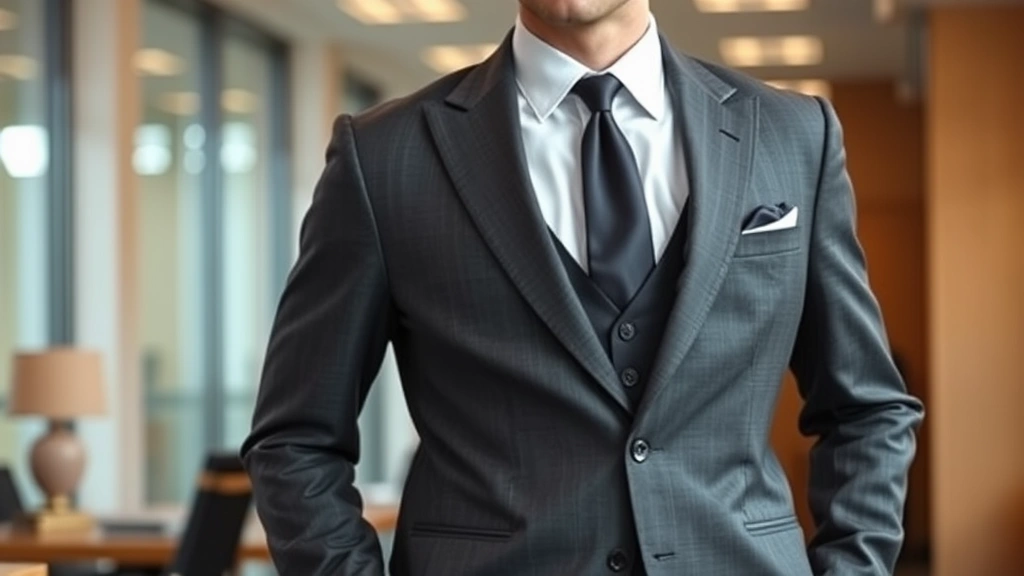
The foundation of any respectable 1950s man’s wardrobe was an impeccably tailored suit. Unlike the oversized silhouettes that would dominate later decades, 1950s suits featured a distinctive shape characterized by broad shoulders, a fitted waist, and a clean, streamlined appearance. The jacket typically had a single vent (sometimes double vents) and moderate lapels that weren’t excessively wide. The trousers were high-waisted with a slight taper toward the ankle, creating an elegant line from hip to toe.
What made these suits truly special was the quality of construction and materials. Wool was the fabric of choice, often blended with smaller percentages of other fibers for durability and wearability. The weight of the fabric mattered tremendously—substantial wool felt substantial and draped beautifully on the body. A proper 1950s suit wasn’t just something you wore; it was an investment piece that could last for decades with proper care, much like how sustainable material choices ensure longevity in modern fashion.
The color palette for 1950s suits leaned toward timeless neutrals and understated tones. Charcoal gray, navy blue, medium brown, and black were the workhorses of professional wardrobes. These colors could be dressed up or down and paired with numerous shirt and tie combinations. Some men ventured into lighter grays or even subtle glen plaid patterns, but bold colors were reserved for casual wear and evening occasions.
Fit was absolutely paramount. A 1950s suit required proper tailoring to achieve that era’s silhouette. The shoulders should align perfectly with your natural shoulder line, the jacket should button at your natural waist, and the lapels should lay flat against your chest. The jacket length should reach the base of your thumb when your arms hang naturally, and the trousers should break slightly at the shoe—just barely touching the top of your oxford or loafer.
Essential Shirts and Neckwear
Underneath that perfectly tailored jacket, 1950s men wore dress shirts that were equally well-constructed. Cotton was the preferred material, valued for its breathability, appearance, and ability to hold a crisp crease. The most common shirt styles featured either a spread collar or a point collar, with button-down collars appearing primarily in casual or sport contexts. Cuffs were typically barrel cuffs rather than French cuffs, though quality dress shirts offered both options.
The fit of 1950s dress shirts was notably different from contemporary styles. These shirts featured a more generous cut through the chest and torso, with controlled suppression at the sides to create shape without clinging. The shirt tail was longer and designed to be tucked in fully, with a slight A-line cut from armpit to hem. Sleeve length was crucial—the shirt cuff should peek out about half an inch from your jacket cuff when your arms hang naturally.
Color and pattern choices reflected the formality of the occasion. For business and formal settings, white, light blue, and pale pink were the standard choices. These neutral tones provided the perfect canvas for neckwear and allowed the suit to remain the focal point. For casual wear, bolder colors like coral, mint green, or butter yellow made appearances, particularly in short-sleeved camp collar shirts worn untucked.
Neckwear in the 1950s consisted primarily of ties, and this is where men could express personality within professional constraints. Ties were wider than their modern counterparts, typically ranging from 3.5 to 4 inches at the widest point. Patterns included solid colors, diagonal stripes, geometric designs, and novelty prints. Quality tie construction meant that ties were made from silk or silk blends, with proper interfacing that allowed them to hold their shape and knot beautifully.
The four-in-hand knot was the most common tie knot of the era, though the Windsor knot gained popularity among men who preferred a symmetrical, wider knot. Bow ties appeared for formal evening wear and business occasions, typically in silk and available in both solid colors and patterns. Tie clips and bars were functional accessories that kept ties in place while adding a subtle touch of sophistication.
Footwear That Defines the Decade
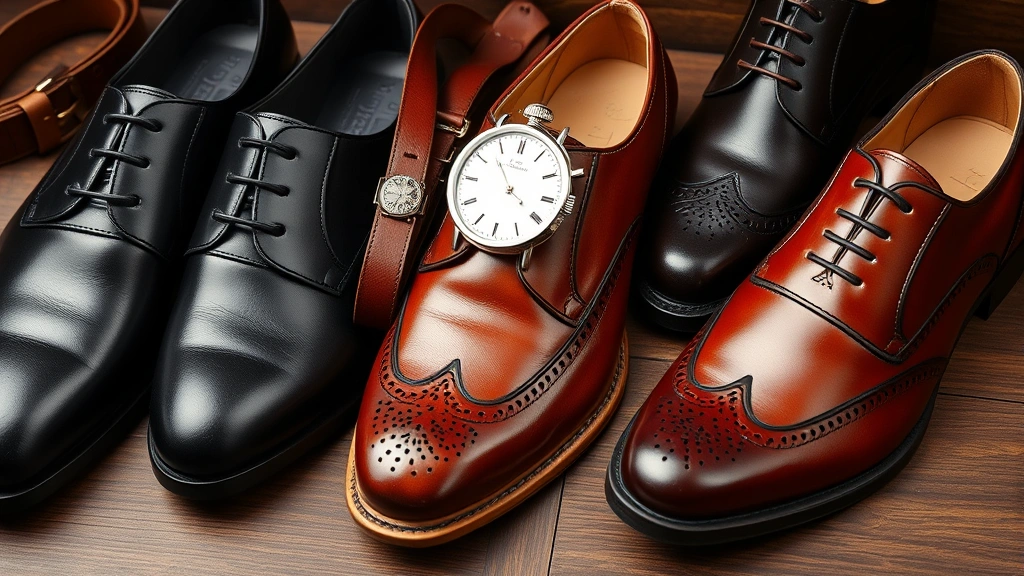
Shoes in the 1950s were serious business, and the selection of footwear communicated volumes about a man’s status and attention to detail. The most iconic 1950s men’s fashion shoe styles included the oxford, the loafer, and the wingtip—each serving specific purposes in a well-rounded wardrobe. Oxfords were the standard for business and formal occasions, featuring a closed lacing system that created a sleek, refined appearance. These shoes were typically constructed from leather—oxblood, black, brown, or cordovan—and polished to a high shine.
Loafers represented a more relaxed alternative while maintaining sophistication. The penny loafer became particularly popular during the 1950s, often worn without socks as a casual statement. The slip-on design made them convenient for everyday wear, while the leather construction ensured they remained appropriate for semi-formal settings. Loafers could be paired with suits for a more modern look, or worn with chinos and button-up shirts for weekend casual style.
Wingtips and brogues offered decorative detail through perforations and stitching patterns. These shoes worked beautifully with business suits and were particularly popular for professional men who wanted their footwear to make a subtle style statement. The intricate detailing on wingtips provided visual interest without appearing flashy or inappropriate for the office.
Shoe care was an essential part of 1950s masculine grooming. Men invested in quality shoe trees to maintain shape, used cedar shoe horns to preserve heel structure, and regularly polished their shoes with premium shoe cream. Leather soles were standard, and many men employed professional cobblers to maintain their footwear investment. This attention to detail in shoe maintenance reflected the broader 1950s philosophy that quality items deserved proper care.
For casual and athletic contexts, white canvas sneakers (particularly Converse All-Stars) and suede desert boots appeared in 1950s men’s fashion. These casual shoes offered comfort while maintaining a clean, intentional aesthetic that complemented casual trousers and sport shirts.
Casual Wear and Weekend Style
While the 1950s are often remembered for formal tailoring, casual wear was equally important to the decade’s style vocabulary. Weekend and leisure wear represented a distinct departure from business formality, yet maintained the same attention to fit and quality that defined the era. The Hawaiian shirt emerged as a signature casual piece, featuring bold prints, comfortable fits, and a distinctly American vacation aesthetic. These shirts were worn untucked, sometimes with the sleeves rolled, and paired with casual trousers or shorts.
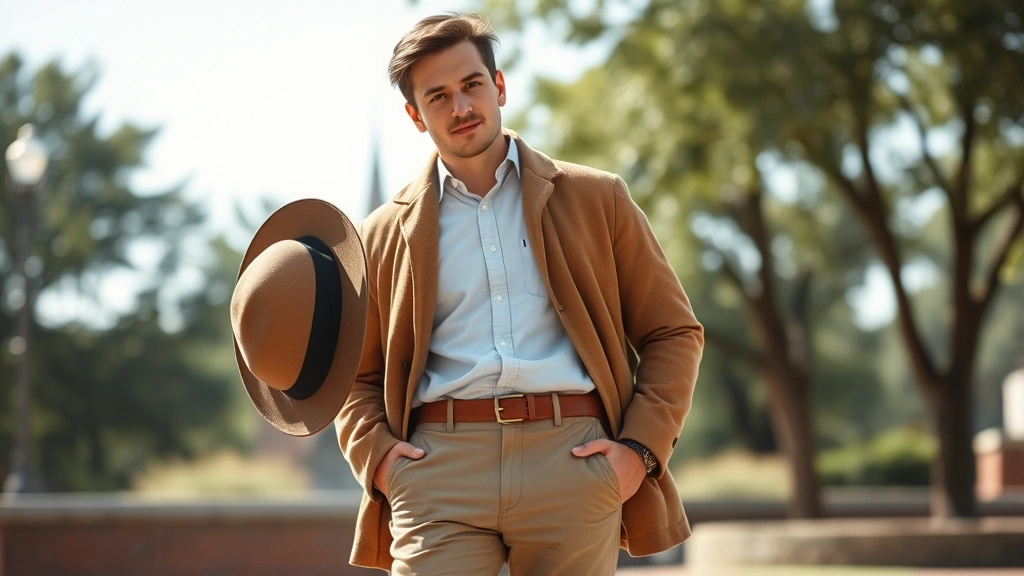
Sport coats and blazers offered a middle ground between full suits and casual wear. These jackets featured less structured shoulders than dress suit jackets and were often made from textured fabrics like tweed or corduroy. Paired with contrasting trousers, a sport coat created an approachable yet polished casual look perfect for weekend outings or social events. Sport coat styling emphasized comfort without sacrificing elegance.
Chinos and casual trousers in khaki, tan, olive, and gray became staples of weekend wardrobes. These were typically made from cotton twill or similar durable fabrics and featured a more relaxed cut than dress trousers while maintaining a crisp crease. Chinos could be paired with polo shirts, oxford cloth button-downs, or lightweight sweaters for versatile casual looks.
Sweaters played an important role in 1950s casual style, particularly crew neck and V-neck pullover sweaters made from wool or cotton. These could be worn over collared shirts, creating layered looks that were both practical and stylish. Cardigans offered another sweater option, particularly useful for layering and easy temperature adjustment throughout the day.
Denim represented the rebellious casual wear of the 1950s, popularized by cultural icons and worn by younger men as a statement of independence. Well-fitting jeans in dark indigo denim were paired with white t-shirts or casual button-ups, creating looks that captured the youthful energy of the decade while maintaining a certain toughness and authenticity.
Accessories and Details That Matter
The 1950s philosophy of style extended far beyond the major pieces—accessories and small details elevated an outfit from acceptable to exceptional. Pocket squares, for instance, were essential elements of formal dressing. These small silk or linen squares were folded precisely and inserted into the jacket breast pocket, adding a subtle pop of color or pattern that coordinated with or contrasted the tie. The pocket square wasn’t merely decorative; it demonstrated attention to detail and awareness of style conventions.
Cufflinks served both functional and aesthetic purposes, securing French cuffs on dress shirts while adding jewelry-like detail to the wrists. Quality cufflinks were made from sterling silver, gold, or other precious metals, often featuring monograms, enamel designs, or simple geometric patterns. The visible cufflinks created visual interest when hands gestured during conversation, making them an important element of formal presentation.
Belts were constructed from quality leather and featured substantial buckles. Leather quality mattered tremendously—supple, well-tanned leather developed a beautiful patina over time and lasted for decades. Buckles ranged from simple metal rectangles to more ornate designs, and belt color typically matched or complemented shoe color. A brown leather belt paired with brown shoes, while a black belt coordinated with black shoes.
Hats represented perhaps the most distinctive accessory of 1950s men’s fashion. The fedora remained the standard formal hat, typically made from felt and featuring a grosgrain ribbon band. For less formal occasions, men wore homburg hats, Panama hats in summer, or casual caps. The habit of wearing hats was so ingrained in 1950s culture that appearing in public without one suggested either extreme youth or a deliberate casual statement. Hat styling and selection was an integral part of completing an outfit.
Watches were important accessories that combined function with fashion. Quality watches from brands like Omega, Hamilton, and Bulova were prized possessions, often given as milestone gifts and worn throughout a man’s life. A quality watch on a leather strap added sophistication to both business and casual attire.
Sunglasses evolved during the 1950s into a style staple. Ray-Ban Wayfarers and similar browline frames became iconic, offering both sun protection and a cool, sophisticated appearance. These weren’t casual beach accessories but rather stylish elements that could be worn during daytime outings and social events.
Building Your 1950s-Inspired Wardrobe Today
Incorporating 1950s men’s fashion elements into a modern wardrobe doesn’t require a complete transformation. Start by understanding the core principles: quality construction, proper fit, and intentional styling. These principles remain timeless, regardless of the specific era you’re drawing inspiration from. The relationship between personal choices and lasting impact extends to fashion, where investing in quality pieces creates wardrobes that endure.
Begin with a foundation of well-tailored neutral suits in classic colors. One charcoal gray suit and one navy suit provide versatile bases for countless outfit combinations. Invest in proper tailoring to achieve that 1950s silhouette—broad shoulders, fitted waist, and clean lines. Quality matters more than quantity; one excellent suit will serve you better than several mediocre ones.
Build your shirt collection with quality cotton dress shirts in classic colors and patterns. White, light blue, and pale pink provide professional versatility, while you can add subtle patterns like stripes or checks. Include casual options like oxford cloth button-downs in various colors for weekend wear.
Select footwear thoughtfully. A black or brown leather oxford serves formal and business occasions. A pair of quality loafers provides casual versatility. Add a wingtip or brogue if you want additional style variation. Ensure all shoes are well-maintained with proper shoe care.
Incorporate key casual pieces like a sport coat or blazer in tweed or corduroy, quality chinos in neutral colors, and comfortable sweaters in wool or cotton. These pieces mix and match easily while maintaining the refined aesthetic of 1950s style.
Don’t overlook accessories. A quality leather belt, a few silk ties in classic patterns, pocket squares for formal occasions, and a quality watch all contribute to a cohesive 1950s-inspired look. If you enjoy hats, a quality fedora or similar style can complete your aesthetic, though this is optional in modern contexts.
The key to successfully adopting 1950s men’s fashion is understanding that the era emphasized quality, fit, and intention. Every piece in your wardrobe should be chosen deliberately, tailored properly, and maintained with care. This approach creates a sustainable personal style that transcends trends and seasons, much like how positive human choices create lasting improvements in various aspects of life.
FAQ
What are the key characteristics of 1950s men’s suits?
1950s men’s suits featured broad shoulders, a fitted waist, and a streamlined silhouette. Jackets had moderate lapels and single or double vents, while high-waisted trousers with a slight taper completed the look. Quality wool was the standard fabric, and colors typically included charcoal gray, navy, brown, and black.
How do I achieve the 1950s suit silhouette in modern tailoring?
Work with a skilled tailor who understands vintage tailoring. Ensure the shoulders align with your natural shoulder line, the jacket buttons at your natural waist, and the jacket length reaches your thumb base. Trousers should be high-waisted with a slight taper and break just slightly at the shoe.
What shoes were most popular in 1950s men’s fashion?
Leather oxfords in black, brown, and cordovan were the standard for business and formal wear. Penny loafers provided a more casual option, while wingtips and brogues offered decorative detail. Suede desert boots and white canvas sneakers appeared in casual contexts.
Can I wear 1950s style casually in modern times?
Absolutely. Many 1950s pieces like chinos, polo shirts, sport coats, and quality sweaters remain contemporary. The key is selecting modern versions of these classic pieces and ensuring proper fit. You don’t need to dress head-to-toe in 1950s style to incorporate elements into your wardrobe.
What accessories are essential for 1950s men’s fashion?
Pocket squares, cufflinks, quality leather belts, ties, and watches are essential accessories. Hats like fedoras or homburgs complete formal looks, while sunglasses add style to daytime outings. Each accessory should be chosen deliberately to enhance your overall presentation.
How important is proper fit in 1950s style?
Proper fit is absolutely paramount. The entire 1950s aesthetic depends on clean lines and precise tailoring. Ill-fitting clothes, no matter how high quality, will not achieve the desired look. Investment in professional tailoring is essential when building a 1950s-inspired wardrobe.
Are there modern brands that capture 1950s men’s fashion?
Many contemporary menswear brands embrace vintage tailoring principles. Brooks Brothers maintains traditional silhouettes, while vintage and reproduction specialists offer authentic pieces. Look for brands emphasizing quality construction and classic tailoring rather than trendy aesthetics.

Related Posts

Perfect Old Fashioned Donut: Baker’s Secrets
Old Fashioned Chocolate Pie Recipe? Chef’s Favorite