1920s Makeup Trends: What’s Still Relevant Today?
The roaring twenties brought us more than jazz, flapper dresses, and rebellious attitudes—it revolutionized beauty standards and makeup application in ways that still influence our makeup routines today. The 1920s represented a dramatic shift from the heavily powdered, pale aesthetic of the Victorian era to a bolder, more dramatic look that emphasized eyes and lips. Women began experimenting with darker eyeshadow, defined brows, and bold lip colors that made a statement. This era wasn’t just about following trends; it was about self-expression and challenging societal norms through beauty choices.
What makes 1920s makeup particularly fascinating is how relevant its core principles remain in contemporary beauty culture. Modern makeup artists constantly reference the dramatic eye techniques, the importance of brow definition, and the power of a bold lip color that originated during this glamorous decade. Whether you’re interested in vintage-inspired makeup or simply want to understand the roots of modern beauty trends, exploring 1920s makeup techniques offers valuable insights into timeless aesthetics. Let’s dive into the specific makeup trends from this iconic era and discover which elements have earned their place in today’s beauty routines.
The Bold Eye: Defining 1920s Eye Makeup
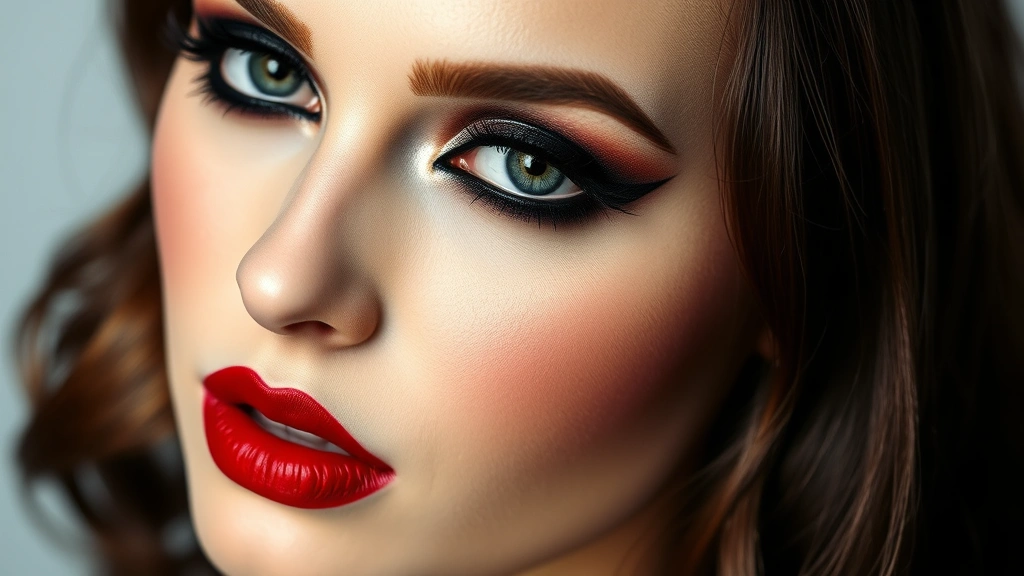
The eyes were undoubtedly the star of 1920s makeup, and this focus on dramatic eye makeup has never gone out of style. During the roaring twenties, women used heavy kohl pencils and dark eyeshadow to create what was known as the “Egyptianesque” look—a reference to the popular fascination with Egyptian culture following the discovery of King Tutankhamun’s tomb in 1922. This trend meant applying dark eyeshadow across the eyelid, often extending beyond the natural eye shape to create an elongated, mysterious appearance.
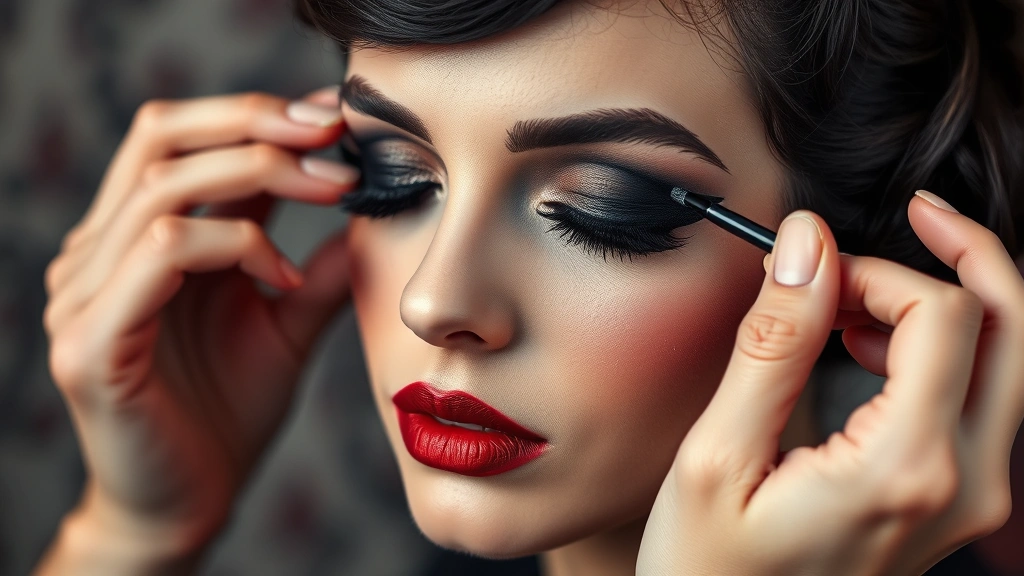
The technique involved using black or dark brown kohl to line both the upper and lower lash lines, sometimes even extending the line outward in a subtle wing. Eyeshadow colors ranged from deep blacks and browns to blues, greens, and purples, often applied heavily and blended minimally by today’s standards. The goal was drama and definition, not the seamlessly blended eyeshadow looks we often see now. This bold approach to eye definition reflected the era’s overall philosophy of breaking from tradition.
What’s particularly relevant about 1920s eye makeup is the emphasis on shape and definition. Modern makeup artists still use the same principles—defining the eye socket, creating contrast, and using darker shades to add depth. The winged eyeliner trend that’s dominated social media for the past decade owes much to the 1920s aesthetic. Even the current obsession with bold eyeshadow and graphic eyeliner can trace its roots back to this era. The main difference today is our blending techniques and the variety of formulations available, but the fundamental approach to making eyes pop remains unchanged.
Brows and Their Transformation
Perhaps one of the most dramatic shifts in the 1920s makeup world involved eyebrows. While Victorian women favored full, natural brows, the 1920s brought the trend of extremely thin, highly arched eyebrows. This wasn’t accidental—women actively plucked their brows to create a thin, almost surprised expression that became synonymous with the flapper aesthetic. The thin brow became so iconic that many people today still associate the 1920s look specifically with those dramatically arched, minimalist eyebrows.
The process of achieving 1920s brows involved careful plucking and often shaving to create that distinctive thin line. Brow pencils were used to define and darken the remaining sparse hairs, creating definition where nature had been removed. This trend lasted for several decades, influencing beauty standards well into the mid-20th century. However, the pendulum has swung dramatically in recent years, with full, natural brows making a major comeback.
Interestingly, while we’ve largely moved away from the extremely thin brow trend, the principle of brow shaping and definition remains central to modern makeup application. Contemporary makeup artists emphasize the importance of well-groomed, shaped brows—just fuller and more natural-looking than their 1920s counterparts. The 1920s taught us that eyebrows frame the face and dramatically impact the overall makeup look, a lesson that remains true whether you’re sporting thin, arched brows or full, feathered ones. Many makeup enthusiasts today appreciate the versatility of brows and use them to switch between vintage and modern aesthetics.
Lips That Made History
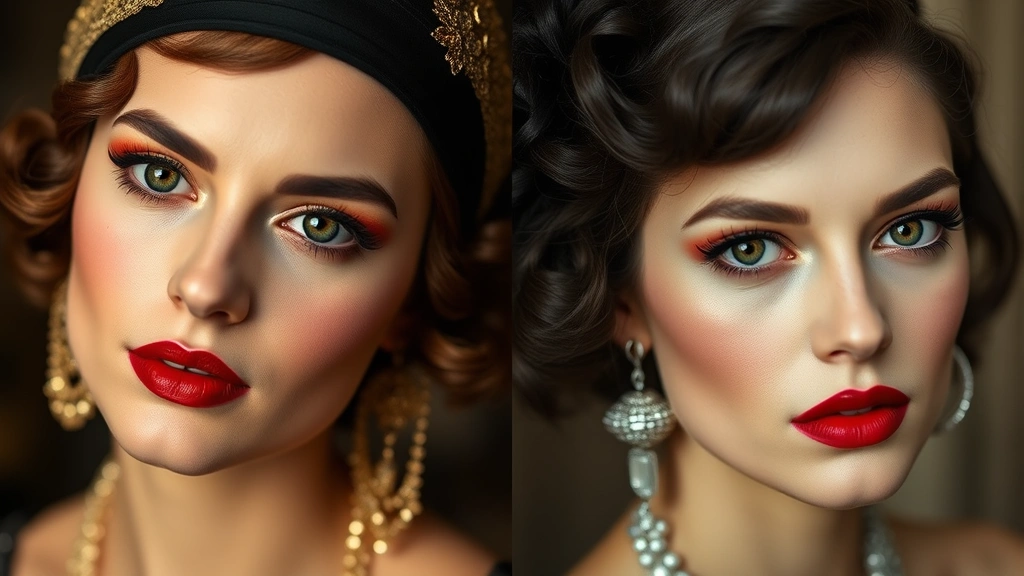
The 1920s lip was bold, dark, and impossible to ignore. Deep reds, burgundies, and even dark plum tones dominated the decade, applied in a specific cupid’s bow shape that became instantly recognizable. Women used lip pencils to carefully outline their lips, often drawing them slightly differently than their natural lip shape to achieve the desired aesthetic. The lip was a statement of rebellion—darker, bolder lips represented independence and a break from the demure, pale-lipped ideal of previous generations.
One of the most iconic aspects of 1920s lip makeup was the practice of over-drawing the lips, particularly the cupid’s bow in the center of the upper lip. This technique created a heart-shaped mouth that was both glamorous and slightly exaggerated. The matte finish was essential—glossy lips weren’t part of the 1920s beauty vocabulary. These bold lip colors were achieved with cream or paste lipsticks, which offered rich pigmentation and a velvety finish that photographs beautifully in the black and white photography of the era.
Today’s bold lip trend owes an enormous debt to 1920s makeup culture. The resurgence of dark, statement-making lip colors is a direct homage to this era. Modern lipstick formulations offer better staying power, more color options, and improved comfort compared to their vintage predecessors, but the principle remains the same: a bold lip can transform your entire look and communicate confidence and style. Whether you’re wearing a classic red, a trendy burgundy, or a modern wine shade, you’re participating in a beauty tradition that began in the roaring twenties.
Skin Preparation and Base Makeup
While we often focus on the dramatic eyes and lips of the 1920s, the base makeup was equally important to achieving the complete look. The ideal 1920s complexion was pale and matte, achieved through heavy powder application. Women used face powder in shades that were often significantly lighter than their actual skin tone, creating a mask-like appearance that was considered desirable at the time. This pale aesthetic was associated with elegance and sophistication, and the powdered finish helped makeup last longer and photograph well.
Foundation, as we know it today, didn’t exist in the 1920s. Instead, women used a combination of face powder, rouge, and sometimes a light foundation cream or grease paint to even out their skin tone. The application was quite heavy by modern standards, with multiple layers of powder creating that distinctive matte finish. Blush was applied in a specific way—high on the apples of the cheeks, often in a circular or round shape that contributed to the youthful, doll-like appearance that was fashionable.
Modern makeup has moved away from the extremely pale, heavily powdered look of the 1920s, but the principle of proper skin preparation remains crucial. Today’s makeup artists emphasize the importance of foundation that matches your skin tone, primer for longevity, and strategic powder application rather than full-face coverage. However, the 1920s taught us valuable lessons about the importance of a smooth base and the dramatic impact that skin preparation has on the overall makeup look. Vintage-inspired makeup enthusiasts often recreate the pale, matte aesthetic using modern products that provide better comfort and more natural-looking results.
How to Recreate 1920s Makeup Today
If you’re interested in recreating an authentic 1920s makeup look using modern products, the process is more achievable than you might think. Start with your base by applying a primer to create a smooth canvas. Choose a foundation that matches your actual skin tone—one of the advantages of modern makeup is that you don’t need to artificially lighten your complexion. Set your foundation with a translucent or slightly lighter powder, focusing on creating that matte finish that was so important to the era.
For the eyes, begin with an eyeshadow primer to ensure longevity. Using a dark brown or black eyeshadow, apply color across your entire eyelid, extending slightly beyond your natural eye shape. Don’t worry about blending to perfection; the 1920s look actually benefits from more defined color placement. Line your upper and lower lash lines with a black kohl pencil or eyeliner, and consider extending the line slightly outward for that characteristic winged effect. Apply black or dark brown mascara generously—volumizing formulas work well for this look.
Create thin, highly arched eyebrows using a brow pencil in a dark shade. If you want an authentically thin 1920s brow, you’ll need to pluck or shave your natural brows into that shape, but you can also achieve the look with just pencil application if you prefer to keep your natural brow shape intact. For lips, choose a deep red, burgundy, or plum lipstick with a matte or satin finish. Use a lip liner to carefully outline your lips, slightly over-drawing the cupid’s bow for that characteristic 1920s shape. Fill in your lips completely with the lipstick, ensuring even color and a bold finish.
Apply blush high on your cheekbones in a slightly circular shape, using a shade that complements your skin tone. The goal is to create definition and a youthful flush without looking overly warm or orange. Complete the look with minimal other products—the 1920s aesthetic is about dramatic eyes and lips rather than complex, multi-step makeup application. The beauty of recreating vintage makeup is that you can adapt it to your personal style while honoring the core elements that made the era so iconic.
Modern Interpretations of Vintage Glamour
One of the most exciting aspects of 1920s makeup trends is how contemporary beauty culture has reinterpreted and modernized them. Rather than recreating the look exactly as it appeared a century ago, many makeup artists and beauty enthusiasts blend 1920s elements with current techniques and aesthetics. This hybrid approach allows people to honor the glamorous spirit of the era while maintaining a modern sensibility.
For example, a modern interpretation might involve keeping the bold, dark eye makeup and statement lip of the 1920s while using fuller, more natural-looking eyebrows that reflect current beauty standards. You might apply eyeshadow with today’s blending techniques for a more seamless finish, or use a dramatic cut crease that combines vintage drama with contemporary artistry. The matte finish remains important, but modern mascaras and eyeshadow formulations create more depth and dimension than their vintage counterparts.
The resurgence of interest in vintage-inspired beauty has also led to innovations in product formulation. Brands now create lipsticks specifically designed to replicate the vintage matte finish while offering superior comfort and longevity. Eyeshadow palettes often include both historically accurate colors and modern interpretations of vintage shades. This democratization of vintage beauty means that anyone can experiment with 1920s makeup trends without needing to hunt through specialty shops or settle for uncomfortable formulations.
Professional makeup artists frequently reference the 1920s when creating looks for editorial shoots, theatrical productions, and special events. The era’s emphasis on dramatic features, bold color choices, and intentional styling provides endless inspiration for creative makeup application. Whether you’re getting ready for a themed party, a photoshoot, or simply want to experiment with a different aesthetic, understanding 1920s makeup principles gives you a toolkit for creating stunning, memorable looks.
FAQ
What was the most important makeup product in the 1920s?
While all elements were important, eyeshadow and kohl were arguably the most essential products for achieving the 1920s look. The dramatic eye makeup was the defining feature of the era’s beauty aesthetic, and creating that bold, defined eye was central to the overall appearance. Lipstick was equally important for the bold lip statement, but the eyes truly dominated 1920s makeup artistry.
Can I achieve a 1920s makeup look without plucking my eyebrows thin?
Absolutely! While authentic 1920s brows were extremely thin and highly arched, you can create a modern interpretation by keeping your natural brow shape fuller while using brow pencil to add definition and arch. This approach honors the 1920s emphasis on brow shape while maintaining contemporary beauty standards. You can also experiment with brow gels and powders to add drama without permanent changes to your natural brows.
What are the best colors for 1920s-inspired makeup?
For eyes, stick with dark browns, blacks, blues, greens, and purples. For lips, deep reds, burgundies, plums, and wine shades are ideal. For blush, warm peachs and roses work well. These colors complement the matte finish and bold aesthetic that defined the era. However, don’t be afraid to experiment—the 1920s were about breaking rules and expressing individuality through makeup choices.
Is the 1920s makeup look still considered fashionable?
The 1920s makeup look has experienced a significant resurgence in popularity, particularly among makeup enthusiasts and in fashion and entertainment industries. While not everyone wears a full 1920s-inspired look daily, individual elements—like bold eyes, statement lips, and dramatic brows—remain extremely relevant and fashionable. Many contemporary makeup trends draw inspiration from this era, making 1920s aesthetics perpetually relevant.
How can I make 1920s makeup last longer?
Start with a good primer for both face and eyes to create a lasting base. Use long-wearing eyeshadow formulas and set them with a setting spray. Choose long-wearing lipstick formulas with good pigmentation—many modern brands specifically design products that offer vintage aesthetics with contemporary longevity. Avoid touching your face throughout the day, and carry blotting papers and lipstick for touch-ups. Setting spray applied at the end of your makeup routine significantly extends wear time.
What’s the difference between 1920s makeup and modern makeup?
The main differences lie in formulation, blending techniques, and overall aesthetic philosophy. Modern makeup emphasizes seamless blending, skin-like finishes, and products that feel comfortable on skin. 1920s makeup featured heavier powder application, more defined color placement, and a mask-like appearance. Contemporary makeup also offers more shade options and skin-tone-appropriate products. However, the core principles of using makeup to enhance features and express individuality remain constant.

Related Posts
Perfect Old Fashioned Donut: Baker’s Secrets
Old Fashioned Chocolate Pie Recipe? Chef’s Favorite