1830s Makeup Trends: Historical Insights
Step back in time with us as we explore the captivating world of 1830s makeup trends, a period that fundamentally shaped modern beauty standards. The 1830s represented a fascinating transition in cosmetic history, where Victorian sensibilities began to influence how women approached their appearance. This era celebrated a distinctly different aesthetic than the bold, dramatic looks of previous decades—one that emphasized natural beauty enhanced through subtle artistry and strategic product application.
During this transformative decade, makeup was not merely about vanity; it was a complex social statement reflecting class, morality, and cultural values. Women navigated strict societal expectations while secretly embracing beauty innovations that would eventually revolutionize the cosmetic industry. Understanding 1830s fashion and its beauty components offers modern makeup enthusiasts valuable insights into the evolution of skincare, color theory, and application techniques that remain relevant today.
Whether you’re a makeup artist researching historical accuracy, a beauty historian, or simply curious about how our ancestors achieved their signature looks, this comprehensive guide will transport you through the elegant corridors of 1830s beauty culture. We’ll examine the products, techniques, and philosophical approaches that defined this era’s most coveted appearance.
The Philosophy Behind 1830s Beauty Standards
The 1830s emerged during the early Victorian period, a time when beauty ideals shifted dramatically from the theatrical, heavily painted looks of the Regency era. The prevailing philosophy centered on the concept of “natural beauty”—though this was, in reality, an elaborate illusion created through meticulous technique and carefully selected products. Women were expected to appear as though they wore minimal makeup, even as they invested considerable time and resources into their appearance.
This paradox reflected deeper cultural anxieties about femininity, morality, and propriety. Excessive makeup was associated with actresses, courtesans, and women of questionable virtue, making respectable women cautious about their beauty routines. The ideal 1830s complexion featured a pale, porcelain-like quality that signified wealth, leisure, and refined sensibilities. A sun-kissed glow indicated outdoor labor and lower social status—something to be avoided at all costs.
The era’s emphasis on subtle enhancement meant that makeup artists of the period developed sophisticated blending techniques and formulations designed to appear invisible while providing significant cosmetic benefits. This approach to beauty actually laid groundwork for modern makeup philosophy, where the best makeup looks appear effortless and natural. When studying 1830s fashion trends, beauty historians note that clothing silhouettes, hairstyles, and makeup worked together as a cohesive aesthetic system.
Color symbolism played a crucial role in 1830s makeup selection. Pale skin represented virtue and delicacy, while subtle rosy cheeks suggested youth and health without appearing artificial. The careful balance between enhancement and restraint required knowledge of color theory, product formulation, and application expertise that many women spent years mastering.
Signature Skin Preparation Techniques
Before any color products touched the face, 1830s women invested heavily in skincare routines that would create the perfect canvas for makeup application. Skin preparation was considered the foundation of successful beauty, with many beauty guides of the period dedicating entire chapters to cleansing, toning, and moisturizing protocols.
The typical morning routine began with thorough cleansing using cold cream, rose water, or milk-based cleansers that gently removed overnight impurities without stripping the skin. Cold water splashing was believed to invigorate the complexion and improve circulation, creating a natural flush that reduced the need for artificial color. Many women also used complexion powders designed to blur imperfections and create an even skin tone.
Moisturization was absolutely essential, as dry skin would cause makeup to appear patchy and uneven. Women employed various oils, creams, and balms derived from natural ingredients like lanolin, rose oil, glycerin, and almond oil. These products served dual purposes: nourishing the skin while creating a smooth surface for makeup application. The preparation phase could take thirty minutes or longer, reflecting the time investment required to achieve the coveted 1830s appearance.
Primers, though not called by that name, were frequently used in the form of light creams or tinted bases that evened skin tone and helped makeup adhere better throughout the day. Wealthy women might employ servants to help with their beauty routines, while middle-class women managed independently. The sophistication of these preparation techniques reveals that 1830s beauty culture was far more advanced than many modern people assume.
Eye Makeup and Color Preferences
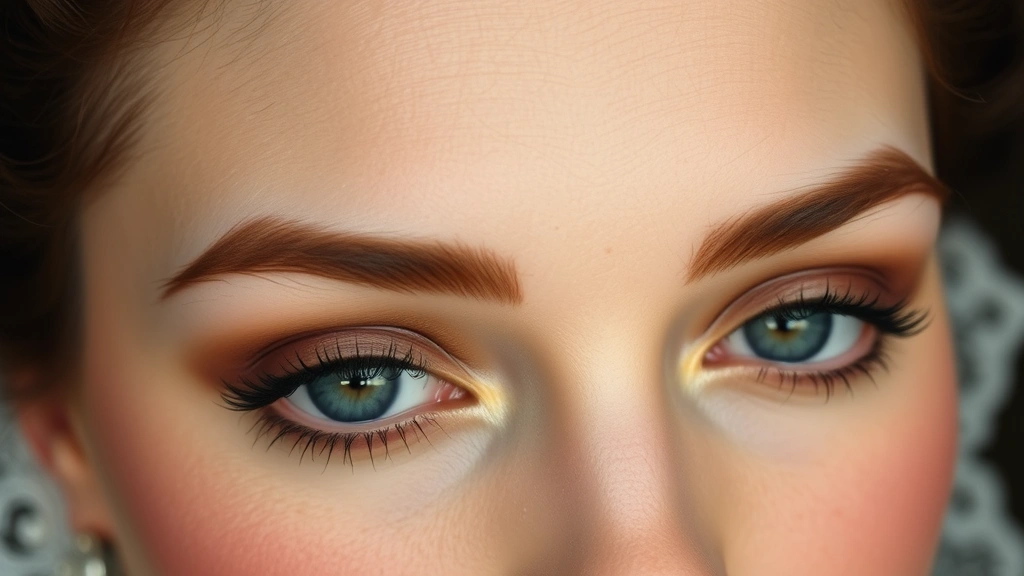
Eyes received considerable attention during the 1830s, though the techniques differed significantly from modern makeup application. The goal was to create a wide-eyed, youthful appearance while maintaining the appearance of minimal makeup. Beauty historians and makeup professionals note that eye makeup of this period emphasized shape and definition rather than dramatic color.
Eyebrows were naturally shaped and only minimally darkened, following the natural arch of the brow bone. Over-plucking was generally avoided, as full, natural brows were considered more youthful and attractive. Women might use soft brown or black pencils to define brows subtly, ensuring they appeared groomed without looking drawn-on. The ideal brow shape followed the natural contour of the face, with minimal intervention required.
Eye shadow was applied sparingly, typically in neutral, earthy tones or very subtle purples and grays. The colors were meant to enhance the natural eye color rather than dramatically transform it. Application involved using fingertips or soft brushes to blend color along the eyelid, creating a soft, graduated effect. Darker shades were sometimes applied along the upper lash line to create definition without appearing harsh.
The upper lash line received definition through careful application of dark brown or black products, often using techniques similar to modern eyeliner application. However, the effect was meant to appear more subtle and natural. Some women used burnt cork or finely ground charcoal mixed with oils to create a natural-looking lash definition. Lower lash lines were typically left untouched, as the preference was for a soft, open-eyed appearance.
Mascara as we know it didn’t exist during the 1830s, but women employed various methods to darken and define lashes. Coconut oil mixed with soot or finely ground charcoal was applied carefully to lashes, creating definition while maintaining a natural appearance. The application required steady hands and considerable skill to avoid clumping or appearing overdone.
Lips, Cheeks, and Complexion Enhancement
The mouth received careful attention in 1830s makeup routines, though the approach differed from Victorian periods that followed. Lip color was applied subtly, with the goal of enhancing the natural lip tone rather than creating a dramatic statement. Dermatologists studying historical cosmetics note that lip products of this era were formulated to nourish while providing light color.
Rose-tinted lip balms and stains were popular choices, creating a soft, natural flush that appeared as though the lips had been gently stained rather than heavily painted. Some women used natural berry juices or cochineal-based products that provided subtle color while maintaining a glossy, healthy appearance. The lips were meant to look soft, plump, and naturally flushed—never harsh or defined with obvious lip lines.
Cheek color was perhaps the most visible makeup element, yet it required masterful application to appear natural. The goal was to create the appearance of a healthy, youthful flush as though the wearer had just come in from a brisk walk. Cream or powder rouge was applied to the apples of the cheeks, blended upward toward the temples, creating a natural gradient that enhanced facial structure.
The most desirable cheek color was a soft rose or coral tone that complemented fair skin. Application involved using the fingertips or soft brushes to place color at the highest point of the cheekbones, then blending it carefully to avoid any harsh lines or obvious makeup application. The effect was meant to suggest natural vitality rather than artificial enhancement. Multiple shades of rouge were sometimes layered to create depth and dimension.
Overall complexion enhancement involved the strategic use of powders and tinted bases to even skin tone and create luminosity. Complexion products were formulated to reflect light subtly, creating a soft, glowing appearance rather than a matte finish. The goal was to appear as though the skin naturally possessed a translucent, porcelain-like quality that suggested both health and refinement.
Popular Products and Ingredients of the Era
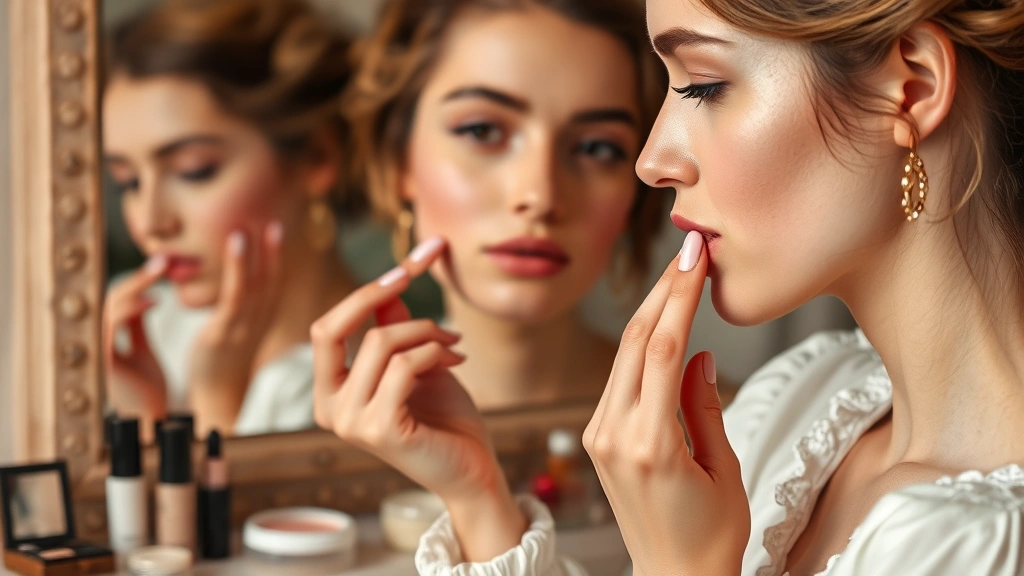
Understanding the specific products available during the 1830s provides fascinating insight into how women achieved their signature looks. Beauty industry publications documenting historical cosmetics reveal that formulations were surprisingly sophisticated, utilizing botanical ingredients and mineral compounds that remain popular today.
Cold cream emerged as the cornerstone of 1830s beauty routines, formulated primarily from rose water, beeswax, and various oils. This versatile product served as cleanser, moisturizer, and makeup base, making it indispensable to women’s beauty regimens. The most famous formulations, including Pond’s Cold Cream, became iconic products that remained largely unchanged for over a century.
Complexion powders were typically composed of finely ground talc, rice powder, or bismuth oxychloride, often tinted with iron oxides or natural pigments. These powders served multiple purposes: absorbing excess moisture, creating a matte finish, and providing subtle color correction. Application involved using soft brushes or powder puffs to dust powder across the face, with careful blending to avoid visible lines or caking.
Lip and cheek products frequently utilized cochineal, a natural red dye derived from insects, combined with beeswax and oils to create balms and stains. Carmine pigments produced rich, natural-looking reds and roses that appealed to 1830s beauty preferences. These products were often scented with rose or lavender, adding a sensory dimension to beauty routines.
Eye products included natural pigments like iron oxides, ultramarine, and earth tones that created the subtle eye makeup characteristic of the era. Burnt cork and charcoal provided dark definition for lashes and brows. These ingredients were often ground extremely fine and mixed with oils or waxes to create formulations that adhered well and blended smoothly.
Specialized products like beauty waters and toning lotions became increasingly popular during the 1830s. These formulations, often containing rose water, witch hazel, or glycerin, were believed to refresh the complexion, tighten pores, and prepare skin for makeup application. Women applied these products with cotton pads or soft cloths, making them integral to morning beauty routines.
Pearl powders and mica-based products created luminosity and a subtle shimmer that suggested healthy, youthful skin. These mineral-based formulations reflected light beautifully, creating the soft-focus effect that defined 1830s beauty aesthetics. The strategic use of light-reflecting ingredients created the illusion of perfect skin while maintaining a natural appearance.
Creating Authentic 1830s Makeup Today
For modern makeup enthusiasts interested in recreating historical beauty looks, achieving an authentic 1830s aesthetic requires understanding both the philosophy and practical techniques of the era. The process begins with embracing the concept of “natural beauty”—creating an appearance that looks effortless while requiring considerable skill and preparation.
Start with meticulous skin preparation using modern equivalents of period products. A gentle cleanser removes impurities, followed by a hydrating toner or rose water spray. Apply a rich moisturizer and allow it to set for a few minutes before beginning makeup. This preparation phase is essential for achieving the smooth, luminous base that characterized 1830s complexions.
Select a tinted primer or light foundation that matches your skin tone perfectly. The goal is to even skin tone without creating obvious coverage or a mask-like appearance. Blend thoroughly using a damp beauty sponge, ensuring seamless integration with natural skin. Set lightly with a translucent powder, focusing on the T-zone while leaving cheeks and temples relatively untouched for a natural finish.
For eyes, apply a neutral shadow in soft brown or gray across the lid, blending carefully to avoid harsh lines. Define the upper lash line with a soft brown or black pencil, creating a subtle definition rather than a dramatic line. Consider using brown mascara instead of black for a softer, more period-appropriate appearance. Leave lower lashes untouched and avoid dramatic eye makeup that contradicts the era’s aesthetic.
Shape and groom eyebrows using a light brow product that enhances natural shape without creating obvious definition. The goal is groomed but natural-looking brows that frame the face beautifully. Avoid over-plucking or creating dramatic arches, as 1830s beauty preferred full, softly shaped brows.
Apply cheek color using cream or powder formulations in soft rose or coral tones. Place color at the apples of the cheeks and blend upward toward temples, creating a natural gradient. Use your fingertips for the most seamless blending, ensuring no harsh lines or obvious makeup application. The effect should suggest natural vitality rather than artificial enhancement.
Finish lips with a soft rose-tinted balm or stain that enhances natural lip color. Avoid bold reds or heavy pigmentation; instead, opt for subtle tints that suggest a healthy flush. Apply with fingertips or a soft brush for the most natural-looking result. The lips should appear soft, plump, and naturally colored.
Throughout the entire process, emphasize blending and seamless transitions. The 1830s makeup aesthetic depends on the appearance of minimal makeup, even as considerable effort goes into achieving the look. Every product should integrate with skin and neighboring colors, creating a unified, harmonious appearance that looks effortlessly beautiful.
FAQ
What were the most important makeup products of the 1830s?
Cold cream, complexion powders, rouge, and lip balms were essential products. Cold cream served as a cleanser, moisturizer, and makeup base, while powders created an even complexion. Rouge provided crucial color, and lip balms offered subtle tinting and nourishment. These foundational products remain popular in modern beauty routines.
How did 1830s women achieve pale skin?
Pale skin was achieved through sun avoidance, use of lightening creams containing bismuth or lead compounds, and strategic use of powders that created a whitened appearance. Women wore bonnets and gloves outdoors, and some used parasols for additional sun protection. The pale complexion signified wealth and leisure, as it indicated time spent indoors away from labor.
Were eyebrows shaped differently in the 1830s?
Yes, 1830s eyebrows were naturally shaped and full, with minimal plucking. The preference was for brows that followed the natural arch of the brow bone, creating a soft, youthful appearance. Over-plucking was avoided, as full brows were considered more attractive and youthful than the thin, highly arched brows that became popular in later decades.
What colors were most popular for 1830s makeup?
Soft, neutral tones dominated 1830s color palettes. Browns, grays, and soft purples were used for eyes, while rose, coral, and soft pink tones were preferred for cheeks and lips. These colors complemented fair skin and created the natural-looking flush that defined the era’s beauty aesthetic.
How can I recreate 1830s makeup with modern products?
Focus on skin preparation, even coverage without obvious makeup, and soft, blended color application. Use cream or powder products in period-appropriate colors, emphasizing blending and seamless transitions. The key is creating an appearance of minimal makeup while investing considerable effort in achieving the effortlessly beautiful look that characterized 1830s beauty standards.
Were there any controversial ingredients in 1830s cosmetics?
Yes, many 1830s products contained lead, mercury, arsenic, and other toxic compounds that caused significant health problems. Women often experienced skin damage, poisoning, and systemic health issues from regular cosmetic use. Modern recreations of 1830s looks wisely utilize safe, contemporary formulations that capture the aesthetic without the dangers.

Related Posts

Perfect Old Fashioned Donut: Baker’s Secrets
Old Fashioned Chocolate Pie Recipe? Chef’s Favorite