16th Century Makeup Tips? Historical Insights
16th Century Makeup Tips: Historical Insights into Renaissance Beauty Standards
The 16th century was a transformative era for beauty and cosmetics, where makeup became an art form intertwined with social status, health beliefs, and cultural identity. During the Renaissance, women—particularly those in European courts—embraced elaborate makeup techniques that would seem shocking by modern standards. From lead-based foundations to plant-derived pigments, the cosmetic practices of this period reveal fascinating insights into how beauty ideals have evolved over centuries. Understanding these historical techniques not only provides context for modern makeup trends but also highlights how far cosmetic science has advanced in prioritizing safety and efficacy.
What’s particularly intriguing is how 16th century makeup reflected the era’s understanding of health, wealth, and femininity. The pale complexion, rosy cheeks, and defined brows weren’t merely aesthetic choices—they communicated status, fertility, and even spiritual purity. By exploring these historical beauty practices, we gain appreciation for both the creativity of Renaissance women and the importance of modern cosmetic innovation.
The Foundation of 16th Century Beauty
During the Renaissance, achieving the perfect base required dedication and, unfortunately, exposure to toxic substances. Women of the nobility and merchant classes used preparations called ceruse or Venetian ceruse, which were essentially lead oxide mixed with vinegar and other ingredients to create a thick, white paste. This foundation was applied generously to achieve the coveted porcelain-like complexion that dominated 16th century beauty standards.
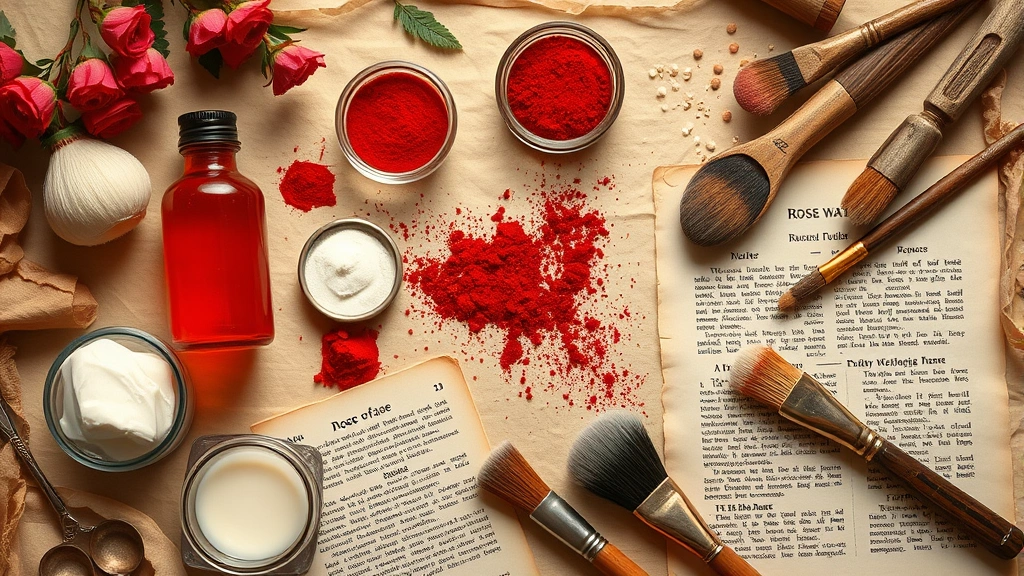
The application process was meticulous. Women would first cleanse their skin with rose water or milk, then apply the ceruse in multiple layers, allowing each coat to dry before adding the next. Some recipes included egg white, powdered eggshell, or borax to improve texture and adherence. The goal was to create an absolutely smooth, uniform surface that reflected light—a stark contrast to the natural skin tones we celebrate today. This white base served as a canvas for the colorful pigments that would follow, making it essential to the overall makeup look.
Beyond ceruse, women also experimented with bismuth and chalk-based powders as lighter alternatives. However, these were less effective at creating the dramatic whitening effect that truly demonstrated wealth and status. The more white paste a woman could afford to wear, the more it signaled that she didn’t work outdoors in the sun—a crucial marker of aristocratic identity in an agricultural society.
Pale Skin as the Ultimate Status Symbol
Understanding the obsession with pale skin in the 16th century requires examining the social context of the era. Tanned skin indicated outdoor labor—farming, gardening, or other manual work unsuitable for nobility. A pale, almost ghostly complexion announced to the world that a woman was wealthy enough to remain indoors, likely engaged in needlework, reading, or other refined pursuits. This cultural association made achieving and maintaining extreme paleness a form of beauty performance that communicated social hierarchy.
The pursuit of whiteness extended beyond cosmetics. Women wore wide-brimmed hats, gloves, and protective clothing when venturing outside. They applied beauty masks overnight—preparations made from ingredients like crushed pearls, powdered bone, honey, and various plant extracts—to lighten and refine their complexion. Some recipes called for ingredients sourced from nature, while others relied on alchemical experimentation.
It’s worth noting that this extreme whitening had serious health consequences. The lead in ceruse accumulated in the body over time, causing neurological damage, tooth decay, and hair loss. Many women of the period experienced visible damage to their skin from the harsh chemicals, which they then covered with even more makeup—a vicious cycle that prioritized appearance over health. This historical precedent serves as a powerful reminder of why modern safety standards exist in cosmetics today.
The Art of Cheek and Lip Color
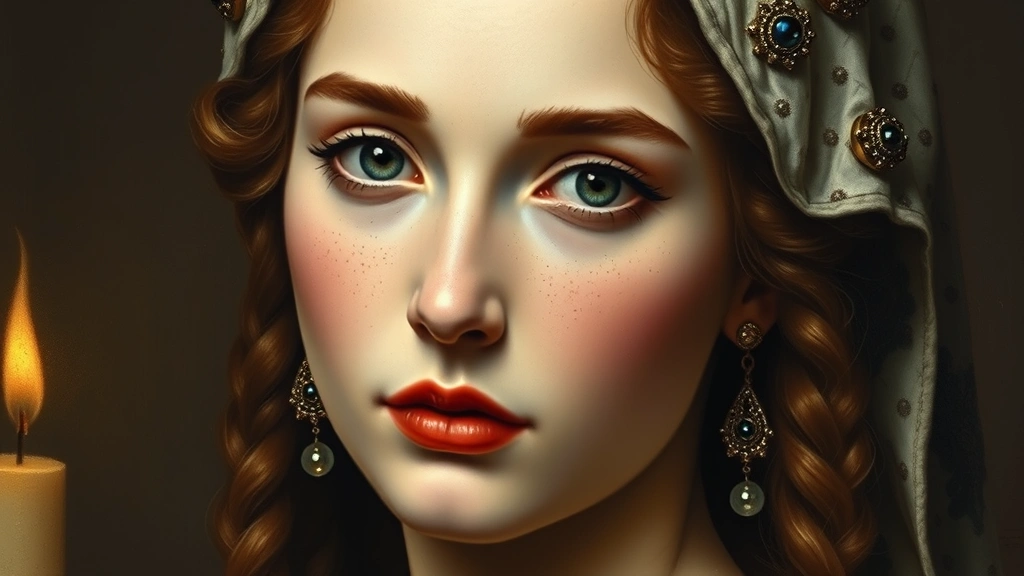
While the base aimed for extreme paleness, the cheeks and lips demanded vibrant color—typically a deep red that created striking contrast. This dramatic interplay between white and red became the signature of 16th century beauty, instantly recognizable in portraits and period paintings.
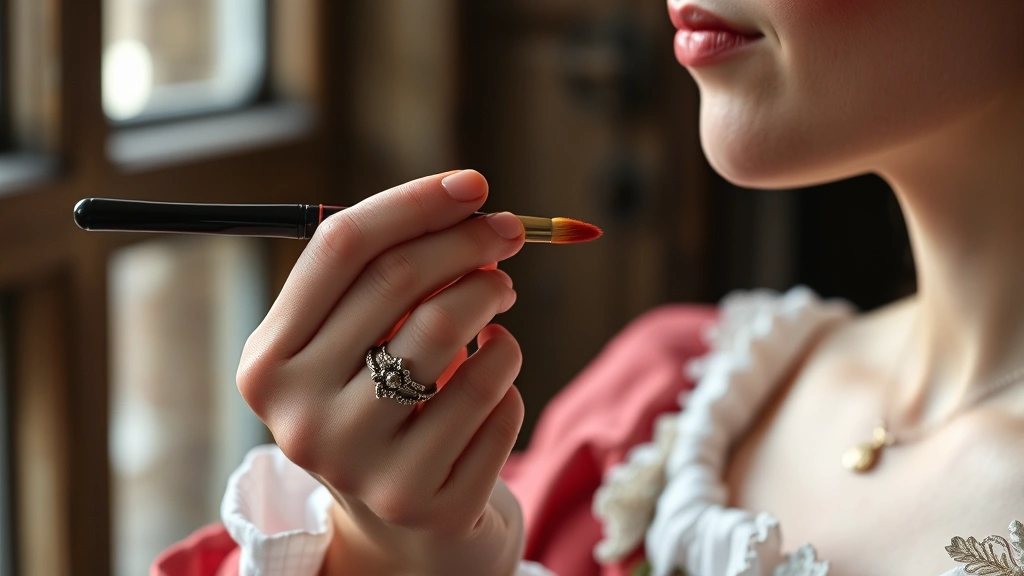
For cheek color, women used preparations called fucus, made from cochineal insects (which produce a brilliant red dye), madder root, or vermillion. These pigments were mixed with oils, waxes, and sometimes egg white to create a paste that could be applied and blended. The application technique involved using the fingers or small brushes to place color on the apples of the cheeks, then blending upward toward the temples. The effect was bold and theatrical, creating an almost doll-like appearance.
Lip color followed similar principles. Women applied the same red pigments to create a defined, saturated lip look. However, achieving perfect lip color required skill—the pigments could stain teeth and would transfer onto clothing, so many women used a lip stain technique, applying pigment and allowing it to set before blotting excess. Some recipes included rose petals, which provided both color and fragrance.
The intensity of cheek and lip color varied by occasion. For court events and formal gatherings, women applied maximum color for dramatic effect. For everyday wear or less formal settings, a lighter hand created a more subtle look. This flexibility demonstrates that 16th century women, like modern makeup enthusiasts, adapted their beauty routines to context and personal preference.
Eye Definition Techniques
The eyes were considered windows to the soul in Renaissance philosophy, making eye makeup an art form worthy of serious attention. Women employed several techniques to enhance and define their eyes, creating a look that emphasized openness and clarity.
Kohl or antimony sulfide served as the primary eye makeup ingredient, applied in dark lines along the upper and lower lash lines. This wasn’t the subtle eyeliner of today—16th century eye makeup was bold and intentional. Women extended the line slightly beyond the outer corner of the eye, creating a subtle upward lift that made eyes appear larger and more alert.
To further enhance the eyes, women used white pigment on the inner corner and lower waterline. This brightening technique created the illusion of larger, more luminous eyes—a principle that makeup artists still use today. The contrast between dark definition and bright highlights created dimension and drew attention to the gaze.
Eyebrows received special attention as well. Rather than following natural brow shape, women often plucked their brows into thin, high arches that emphasized the forehead—which was itself a focal point of beauty. Some women even shaved their brows entirely and painted new ones using the same red pigments used on cheeks and lips, creating a coordinated, theatrical look.
Dangerous Ingredients and Beauty Myths
The cosmetic practices of the 16th century reveal a troubling gap between beauty ideals and health reality. Many ingredients considered essential to beauty were actively poisonous. Beyond the lead in ceruse, women used mercury in some preparations, particularly for treating skin conditions. Arsenic appeared in some whitening powders, and belladonna (deadly nightshade) was used to dilate pupils, creating an appearance of youth and vitality.
The belief system surrounding these dangerous ingredients was rooted in medical theory of the time. The humoral theory—which held that health depended on balancing four bodily humors—influenced cosmetic practices. Certain ingredients were believed to balance these humors, improve complexion, or cure skin ailments. However, the actual effect was often severe poisoning.
Women also believed in various beauty myths passed down through generations. One popular notion held that wearing heavy makeup would permanently darken and damage skin, making regular application risky. Another myth suggested that certain plants possessed magical properties for skin transformation. While some plant-based ingredients did offer minor benefits—rose water could soothe skin, honey provided mild antimicrobial properties—most of the perceived benefits were more psychological than physiological.
The most tragic aspect of 16th century beauty culture was that women consciously accepted these health risks as the price of beauty and social acceptance. Letters and diaries from the period reveal women aware of the damage cosmetics caused but continuing to use them anyway. This historical precedent underscores the importance of modern cosmetic safety regulations and the responsibility of the beauty industry to prioritize health alongside aesthetics.
Hair and Brow Styling in the Renaissance
Hair was as important as facial makeup in 16th century beauty culture. Women invested enormous time in elaborate hairstyles that showcased wealth, status, and artistic sensibility. The iconic high forehead—achieved through plucking the hairline back and using decorative hair pieces—became a symbol of refined beauty.
To achieve these styles, women used various hair setting techniques and products. Pomades made from animal fat, plant oils, and sometimes toxic lead compounds were applied to hair to create shine and hold. Women would set their hair in intricate arrangements, sometimes sleeping on wooden blocks or frames to maintain the shape. The process was time-consuming and often uncomfortable, requiring assistance from ladies’ maids or professional hair dressers.
False hair and hairpieces were common among wealthy women, constructed from human hair (sometimes harvested from servants or purchased from the poor). These additions allowed for more elaborate and voluminous styles than natural hair alone could achieve. The skill required to integrate false hair seamlessly was considerable, and accomplished hairdressers were valued members of a noble household.
Eyebrows, as mentioned earlier, received dramatic treatment. The thin, high arch became so fashionable that women plucked their natural brows completely and painted new ones. Some women used burnt cork or soot to darken brows when pigmented paints weren’t available. This practice sometimes caused permanent damage to hair follicles, leaving women unable to grow natural brows later in life.
Perfumes and Scented Beauty Rituals
Fragrance was integral to 16th century beauty and personal grooming. Perfumes, colognes, and scented waters weren’t merely luxuries—they were essential components of the beauty routine and markers of status and refinement. The art of perfumery flourished during the Renaissance, with complex formulations drawing on botanical knowledge and trade connections.
Women used rose water as a base for many beauty preparations, and it served multiple purposes: cleansing, toning, and fragrance. Floral waters made from lavender, orange blossom, and jasmine were applied directly to skin or mixed into other preparations. These ingredients offered mild skincare benefits alongside their pleasant scents—rose water, for example, has mild astringent properties that could help balance oily skin.
More complex perfumes combined floral notes with spices, resins, and animal-derived ingredients. Musk, derived from musk deer, was highly prized and extremely expensive, making it accessible only to the wealthiest women. Ambergris, produced in whale digestive systems, was equally luxurious. These animal ingredients would be mixed with essential oils and alcohol to create signature scents that became associated with specific women of the court.
Perfumed gloves were fashionable accessories that combined fragrance with fashion. Women would have their gloves scented professionally, creating a signature scent that announced their presence when they entered a room. This practice reflects how thoroughly fragrance was integrated into 16th century beauty culture—it wasn’t separate from makeup and styling but rather a complementary element of overall presentation.
How Historical Makeup Influences Modern Beauty
The beauty practices of the 16th century may seem archaic and dangerous by today’s standards, yet they profoundly influence modern makeup culture. Understanding historical trends helps us recognize patterns in how beauty standards evolve and how they’re shaped by social, economic, and cultural factors.
The 16th century obsession with pale skin directly influenced beauty ideals for centuries afterward, contributing to harmful colorism that persists today. The association between pale skin and wealth created hierarchies based on skin tone that had devastating consequences, particularly in colonized regions where European beauty standards were imposed. Recognizing this history helps us critically examine modern beauty marketing and work toward more inclusive, diverse standards.
Contemporary makeup techniques also echo Renaissance practices. The cut crease eyeshadow technique mirrors the dramatic eye definition of the 16th century. Contouring—using darker and lighter products to reshape facial features—follows the same principles Renaissance women used when applying white to the inner eye corner and dark color along the lash line. Even modern beauty influencers and makeup artists studying historical techniques often find inspiration in Renaissance aesthetics.
The shift from lead-based foundations to modern formulations represents genuine progress in cosmetic science. Today’s foundations use safe, regulated ingredients that provide coverage without poisoning users. Modern pigments are synthesized or derived from safe sources, and all ingredients are tested for safety before market release. This evolution reflects how society’s relationship with beauty has matured to prioritize health alongside aesthetics.
Interestingly, the dramatic, theatrical aesthetic of 16th century makeup has experienced a resurgence in contemporary beauty culture. High-fashion makeup, editorial looks, and costume makeup often draw directly on Renaissance inspiration, creating bold, statement-making looks that celebrate artistry. However, modern practitioners can achieve these effects safely using non-toxic ingredients and techniques.
FAQ
What was the most dangerous ingredient in 16th century makeup?
Lead oxide (ceruse) was the most dangerous ingredient, used in foundations to achieve the pale complexion. It accumulated in the body over time, causing neurological damage, tooth decay, hair loss, and severe health complications. Many women suffered visible damage from chronic lead exposure, which they then covered with more makeup.
Why did 16th century women prefer pale skin?
Pale skin signaled wealth and status because it indicated a woman didn’t work outdoors. In an agricultural society, tanned skin meant manual labor—unsuitable for nobility. A pale complexion announced that a woman was wealthy enough to remain indoors, making extreme whitening a form of status display.
How did 16th century women create cheek color?
Women used pigments made from cochineal insects (producing brilliant red), madder root, or vermillion, mixed with oils, waxes, and egg white. These pastes were applied to the cheeks and blended upward, creating dramatic color that contrasted sharply with the white base.
Did 16th century makeup damage skin permanently?
Yes, frequently. The harsh chemicals, particularly lead, caused permanent damage including scarring, pitting, and loss of skin elasticity. Additionally, the practice of plucking eyebrows often damaged hair follicles permanently, preventing regrowth. Women were aware of these consequences but accepted them as the price of beauty.
What can modern makeup artists learn from 16th century techniques?
The dramatic contrast between pale base and colorful features, the emphasis on eye definition, and the theatrical approach to makeup application all offer valuable lessons. Modern artists can achieve similar effects using safe, modern ingredients and techniques.
Were there any safe ingredients in 16th century makeup?
Yes, plant-based ingredients like rose water, honey, and certain botanical extracts offered mild skincare benefits. However, even these were often mixed with dangerous substances, limiting their safety. The truly safe ingredients were few and far between in this era of cosmetics.

Related Posts

Perfect Old Fashioned Donut: Baker’s Secrets
Old Fashioned Chocolate Pie Recipe? Chef’s Favorite