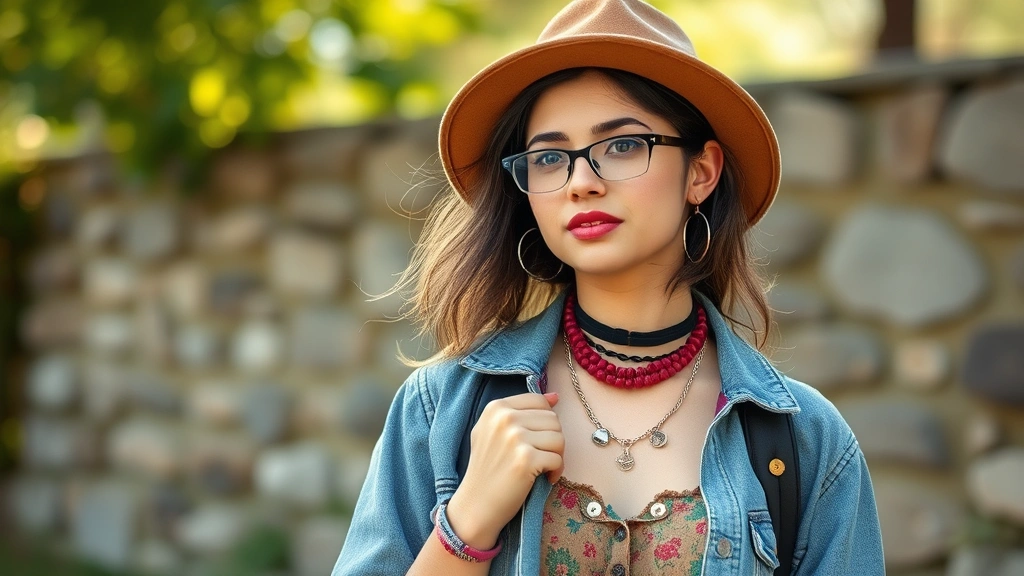
Young Fashion Trends? Expert Insights & Tips
Young Fashion Trends: Expert Insights & Tips for 2024
Young fashion has transformed dramatically over the past few years, shifting from fast-fashion obsession to a more conscious, individualistic approach. Today’s Gen Z and millennial fashion enthusiasts are redefining what it means to dress well—blending sustainability with bold self-expression, nostalgia with innovation, and affordability with quality. Whether you’re scrolling through TikTok, Instagram, or observing street style in major cities, it’s clear that young fashion trends are no longer dictated solely by luxury brands or traditional fashion weeks.
This comprehensive guide explores the most influential young fashion trends shaping wardrobes right now, offering expert insights from industry leaders and practical tips you can implement immediately. From thrifted vintage pieces to sustainable athleisure, from Y2K revivals to quiet luxury aesthetics, we’ll break down what’s trending and why it matters. We’ll also examine how conscious fashion choices connect to broader conversations about environmental impact, ensuring you can look fabulous while making responsible decisions.
The Rise of Sustainable Young Fashion
One of the most significant shifts in young fashion trends is the emphasis on sustainability. Today’s younger generations are increasingly aware of fashion’s environmental footprint, and they’re voting with their wallets. According to recent studies, 73% of Gen Z consumers consider sustainability when making fashion purchases, a statistic that’s reshaping how brands operate.
Sustainable fashion means different things to different people. For some, it’s about buying from eco-conscious brands that use organic materials and ethical manufacturing practices. For others, it’s about extending the life of clothing through careful maintenance and styling. Many young fashionistas are embracing capsule wardrobes—curated collections of versatile pieces that work together seamlessly, reducing the need for constant consumption.
The connection between fashion choices and broader environmental concerns is undeniable. When you understand how human choices affect the environment, fashion becomes more than just aesthetics—it becomes activism. Choosing sustainable fabrics like organic cotton, linen, and recycled polyester means supporting production methods that minimize water usage, reduce chemical pollution, and lower carbon emissions.
Brands like Reformation, Patagonia, and Veja have become synonymous with sustainable young fashion, but many emerging indie brands are also making waves. Look for certifications like GOTS (Global Organic Textile Standard) and Fair Trade when shopping, ensuring your purchases align with your values.
Y2K and Nostalgic Revivals
If you’ve noticed low-rise jeans, baby tees, and butterfly motifs making a comeback, you’re witnessing the Y2K revival—one of the most dominant young fashion trends of recent years. This nostalgic movement draws inspiration from late 1990s and early 2000s aesthetics, filtered through a modern, often more inclusive lens.
What makes Y2K different this time around? Today’s interpretation is more intentional and ironic. Young fashion enthusiasts aren’t simply copying what their parents wore; they’re deconstructing those trends, mixing them with contemporary pieces, and adding personal flair. A low-rise cargo pant might be paired with an oversized blazer and vintage boots, creating something entirely fresh.
The Y2K trend also represents a form of cultural reclamation and self-expression. For Gen Z, these styles feel retro-futuristic rather than dated, offering an escape from the minimalism that dominated the 2010s. Brands like Urban Outfitters, Free People, and independent sellers on Depop have capitalized on this trend, making Y2K pieces accessible and affordable.
Expert tip: The key to nailing Y2K fashion without looking costume-y is balance. Pair one statement Y2K piece with modern, neutral items. A baby tee can be styled with straight-leg jeans and contemporary sneakers. A mini skirt works beautifully with an oversized button-down and minimalist accessories.
Quiet Luxury vs. Loud Trends
There’s an interesting tension in young fashion trends right now: the simultaneous rise of quiet luxury and bold maximalism. Quiet luxury, popularized by shows like “Succession” and championed by fashion influencers, emphasizes understated elegance. Think neutral color palettes, impeccable tailoring, quality fabrics, and minimal branding.
This aesthetic appeals to young professionals and those seeking timeless pieces that transcend seasonal trends. Quiet luxury is inherently sustainable—these investment pieces last years, even decades, reducing the need for constant wardrobe refreshes. Brands like The Row, Khaite, and COS exemplify this approach, though luxury price tags make them inaccessible for many.
The beauty of understanding both quiet luxury and maximalist trends is that you can borrow elements from each. You don’t need to spend thousands on a designer piece to achieve the quiet luxury aesthetic. Quality basics from brands like Uniqlo, Everlane, and H&M’s conscious collection offer similar vibes at fraction of the cost.
According to Vogue’s trend reports, the future of young fashion lies in this balance: investing in quality essentials while allowing for creative expression through accessories, colors, and layering. It’s about being intentional rather than impulsive.
Gender-Neutral Fashion Revolution
One of the most transformative young fashion trends is the rejection of rigid gender categories in clothing. Young people today are increasingly shopping across traditional gender lines, creating hybrid aesthetics that feel authentic to their identity rather than conforming to societal expectations.
This shift has forced major fashion houses to reconsider their approach. Brands like ASOS, H&M, and emerging designers are creating gender-neutral collections, using inclusive sizing, and featuring diverse models in their campaigns. For young fashion enthusiasts, this means unprecedented freedom to experiment with silhouettes, colors, and styles without judgment.
Gender-neutral fashion doesn’t mean everything is unisex or androgynous. Rather, it’s about recognizing that a tailored blazer, flowing skirt, or oversized hoodie can look amazing on anyone, regardless of gender identity. It’s about personal preference and comfort superseding outdated rules.
This movement also intersects with sustainability. By removing gender categories, brands encourage longer product lifecycles—pieces can be passed between family members, friends, and through secondhand markets without concern for traditional gender associations. This supports the broader goal of extending clothing’s lifespan and reducing waste.
Thrifting and Vintage Shopping
Thrifting has evolved from a budget-conscious necessity to a fashionable treasure hunt embraced by influencers and style icons alike. Young fashion trends now heavily feature vintage and secondhand pieces, with platforms like Depop, Vinted, and Vestiaire Collective becoming essential shopping destinations.
The appeal is multifaceted. Thrifting offers affordability, sustainability, and uniqueness—three values that resonate deeply with young consumers. When you buy vintage, you’re reducing demand for new production, which means less environmental impact from manufacturing. You’re also getting one-of-a-kind pieces that help you stand out in a sea of mass-produced fashion.
Expert thrifting tips for young fashion enthusiasts:
- Know your measurements: Vintage sizing differs significantly from modern standards. Bring a measuring tape or know your exact dimensions.
- Inspect quality: Check seams, zippers, and fabric condition carefully. A vintage piece should be an investment, not a throwaway.
- Think beyond trends: Look for quality basics and timeless pieces that transcend seasonal trends. A vintage leather jacket or well-made denim will serve you for years.
- Mix eras: Combine vintage pieces from different decades for a curated, intentional look.
- Support local: Visit independent thrift stores in your community to discover unique pieces while supporting local businesses.
Maximalism and Personal Expression
While quiet luxury emphasizes restraint, maximalism celebrates boldness, color, and unapologetic self-expression. This young fashion trend rejects the idea that more is less, instead arguing that more can be more when done intentionally.
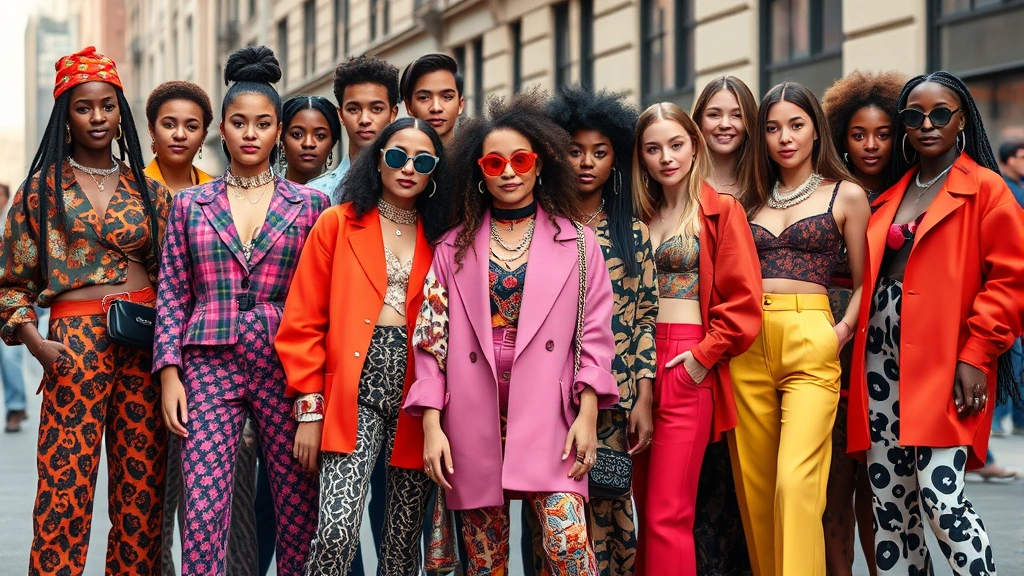
Maximalist fashion might feature clashing patterns, bold colors, layered textures, and statement accessories. It’s about creating visual interest and reflecting your personality through your clothes. For young fashionistas, maximalism is liberating—it’s permission to be loud, colorful, and authentically yourself.
The key to successful maximalism is balance and intentionality. You don’t want to look chaotic or costume-y. Instead, choose a color palette (even if it includes multiple hues), ensure pieces complement each other in some way, and let one element be the true star while others play supporting roles.
Maximalism also connects beautifully to the sustainable fashion conversation. By embracing bold, expressive pieces, you’re more likely to wear them repeatedly and maintain emotional attachment, extending their lifespan. You’re also celebrating individuality over conformity, which challenges the fast-fashion industry’s push for homogenized trends.
Digital Fashion and Virtual Clothing
An emerging young fashion trend that’s gaining momentum is digital and virtual clothing. With the rise of the metaverse and digital platforms, fashion brands are creating clothes that exist only in digital space—perfect for online avatars, social media content, and gaming environments.
Virtual clothing offers interesting sustainability benefits. There’s zero physical production, no material waste, and no environmental footprint. For young fashion enthusiasts exploring digital spaces, virtual garments provide unlimited creative expression without consumption concerns. Brands like The Fabricant and Carlings are pioneering this space.
While virtual fashion might seem niche, it represents an important evolution in how young people engage with style. It separates fashion as self-expression from fashion as consumption, allowing creativity to flourish without material consequences.
Affordable Luxury Brands Reshaping Young Fashion
The gap between high fashion and fast fashion is being filled by affordable luxury brands that offer quality, style, and ethics without breaking the bank. These brands have become essential to young fashion trends because they make aspirational pieces accessible.
Brands like COS, & Other Stories, Mango, and Uniqlo U offer sophisticated design at reasonable price points. They prioritize quality construction and timeless aesthetics, encouraging customers to invest in pieces they’ll wear repeatedly rather than disposable trends.
According to Forbes Style, the future of young fashion retail belongs to brands that balance affordability with sustainability and design integrity. Young consumers are increasingly willing to pay a bit more for pieces that align with their values and will last longer.
When shopping affordable luxury brands, look for:
- Natural, quality fabrics (cotton, linen, wool blends)
- Thoughtful design details that elevate basic pieces
- Neutral color palettes that mix and match easily
- Transparency about manufacturing and sourcing
- Sizing that accommodates diverse body types
FAQ
What are the biggest young fashion trends right now?
The most dominant young fashion trends include sustainable fashion, Y2K revivals, quiet luxury aesthetics, gender-neutral clothing, thrifting, maximalism, and digital fashion. These trends reflect young consumers’ values around sustainability, authenticity, and self-expression.
How can I stay fashionable on a budget?
Thrifting is your best friend. Explore secondhand platforms like Depop and Vinted, shop sales at affordable luxury brands, invest in quality basics that work with multiple outfits, and focus on accessories to refresh existing pieces. Building a capsule wardrobe with versatile items means you need fewer total pieces.
Is sustainable fashion more expensive?
Sustainable fashion can be pricey when buying from luxury brands, but many affordable options exist. Thrifting is inherently sustainable and budget-friendly. Affordable luxury brands offer sustainable options at mid-range prices. The key is investing in quality pieces you’ll wear repeatedly rather than buying cheap items you’ll discard.
How do I incorporate Y2K trends without looking dated?
Balance is essential. Pair one Y2K statement piece with modern, neutral items. Style a baby tee with straight-leg jeans and contemporary sneakers. Wear a mini skirt with an oversized button-down and minimalist accessories. The goal is creating a cohesive look where the Y2K element feels intentional rather than costume-y.
What’s the difference between quiet luxury and maximalism?
Quiet luxury emphasizes understated elegance through neutral colors, quality fabrics, and minimal branding. Maximalism celebrates boldness, color, and pattern-mixing. The best approach is borrowing from both: invest in quality essentials for quiet luxury foundations, then add maximalist accessories and pieces for personal expression.
How does fashion connect to environmental concerns?
Fashion production has significant environmental impacts, including water usage, chemical pollution, and carbon emissions. When you choose sustainable options, thrift, or invest in quality pieces, you’re reducing demand for new production and extending clothing lifespans. Understanding positive effects humans can have on the environment includes making conscious fashion choices.
Are gender-neutral fashion pieces actually flattering on everyone?
Yes, when styled correctly. Gender-neutral pieces work on diverse body types because they prioritize comfort and personal preference over rigid silhouettes. The key is finding pieces that fit your frame well and styling them with confidence. Tailoring can also help customize neutral pieces to your body.
Where should I start if I want to embrace sustainable fashion?
Start by exploring thrift stores and secondhand platforms—this is the most accessible entry point. Then, assess your current wardrobe and identify gaps. Finally, invest in quality basics from affordable luxury or sustainable brands. You don’t need to overhaul everything at once; gradual, intentional choices create lasting change aligned with positive environment and society interactions.
How can I find my personal style within young fashion trends?
Explore different trends and notice what genuinely excites you versus what you think you should like. Create a mood board on Pinterest or Instagram. Pay attention to pieces you reach for repeatedly. Combine elements from different trends—maybe quiet luxury basics with maximalist accessories. Your personal style emerges when you make intentional choices that reflect your values and make you feel confident.

Related Posts
Perfect Old Fashioned Donut: Baker’s Secrets
Old Fashioned Chocolate Pie Recipe? Chef’s Favorite