Top Makeup Tips for Women Over 50: Expert Advice
Top Makeup Tips for Women Over 50: Expert Advice
Makeup application evolves beautifully with age, and your 50s are the perfect time to refine your techniques and celebrate your mature beauty. Whether you’re exploring beauty trends that enhance natural features or discovering products designed specifically for mature skin, this guide offers professional insights to help you look radiant and confident. The key to stunning makeup after 50 isn’t about fighting aging—it’s about working with your skin’s unique characteristics and choosing techniques that flatter your natural beauty.
Over the past decade, makeup trends for women over 50 have shifted dramatically toward inclusivity, authenticity, and age-positive beauty. Rather than heavy coverage and dramatic contouring, the modern approach celebrates texture, dimension, and a luminous finish that works harmoniously with mature skin. In this comprehensive guide, we’ll explore expert-recommended techniques, product selections, and styling tips that will transform your makeup routine and boost your confidence.
Understanding Your Mature Skin
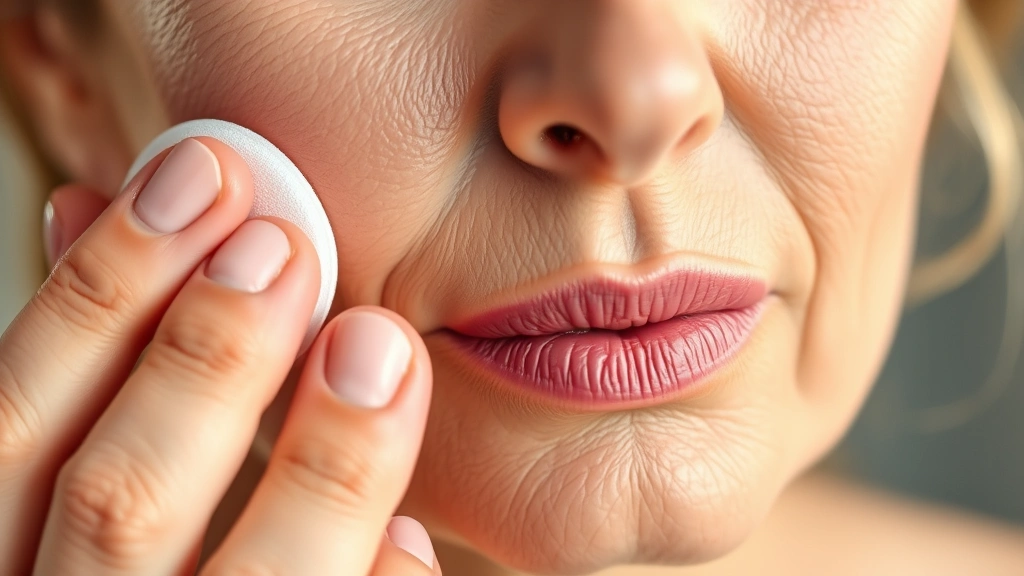
Mature skin requires a fundamentally different approach to makeup application compared to younger skin. The texture, elasticity, and moisture levels change significantly after 50, which means your makeup strategy must adapt accordingly. Understanding these changes is the first step toward achieving a flawless, age-appropriate look that feels comfortable and authentic.
One of the most critical factors is recognizing that fine lines, texture variations, and dryness become more pronounced. Rather than fighting these natural characteristics with heavy, matte products, successful makeup for women over 50 embraces luminosity and hydration. Dermatologists recommend that mature skin benefits from products with hydrating ingredients like hyaluronic acid, glycerin, and peptides before makeup application begins.
The skin’s natural oil production decreases with age, making hydration your greatest ally. Preparing your skin with a quality moisturizer and primer creates a smooth canvas that allows makeup to glide on effortlessly and wear beautifully throughout the day. Skipping this step often results in makeup clinging to dry patches and emphasizing fine lines rather than concealing them.
Additionally, mature skin often experiences sensitivity, redness, and uneven pigmentation. These concerns require gentle, targeted products that won’t irritate or clog pores. Color-correcting techniques become invaluable here—using green-tinted products to neutralize redness and peach or golden tones to balance under-eye darkness creates a more even base before foundation application.
Foundation and Base Selection
Choosing the right foundation is perhaps the most important decision in your makeup routine. For women over 50, the ideal foundation should be lightweight, hydrating, and provide buildable coverage without emphasizing texture or fine lines. Avoid heavy, full-coverage formulas that can settle into creases and look cakey by midday.
Liquid foundations with luminous or dewy finishes are typically the best choice for mature skin. Look for formulas specifically labeled as hydrating or skin-loving, as these contain ingredients designed to plump the skin and create a youthful radiance. Beauty industry experts consistently recommend foundations with light-reflecting particles that create a subtle glow rather than a matte finish.
Application technique matters enormously. Rather than using a dense brush or beauty sponge with heavy pressure, try applying foundation with a damp beauty sponge using gentle stippling motions. This technique builds coverage gradually while maintaining skin texture visibility. Apply foundation in thin layers, concentrating on areas that need coverage while allowing your natural skin to show through on cheeks and temples.
Concealer selection requires equal attention. Avoid heavy, full-coverage concealers under the eyes, as these tend to settle into fine lines and emphasize texture. Instead, opt for lightweight, hydrating concealers that match your skin tone exactly. The under-eye area is delicate and prone to dryness, so creamy, moisturizing formulas work best. Apply concealer only where needed—typically the inner corner and directly under the eye—and blend gently with your ring finger, which applies the least pressure.
Setting powder should be used sparingly, if at all. Many makeup artists recommend skipping powder entirely for mature skin, instead using a hydrating setting spray to lock in makeup while maintaining luminosity. If you do use powder, choose a finely-milled, translucent formula and apply only to the T-zone where oil tends to accumulate.
Eye Makeup Techniques for Hooded Eyes
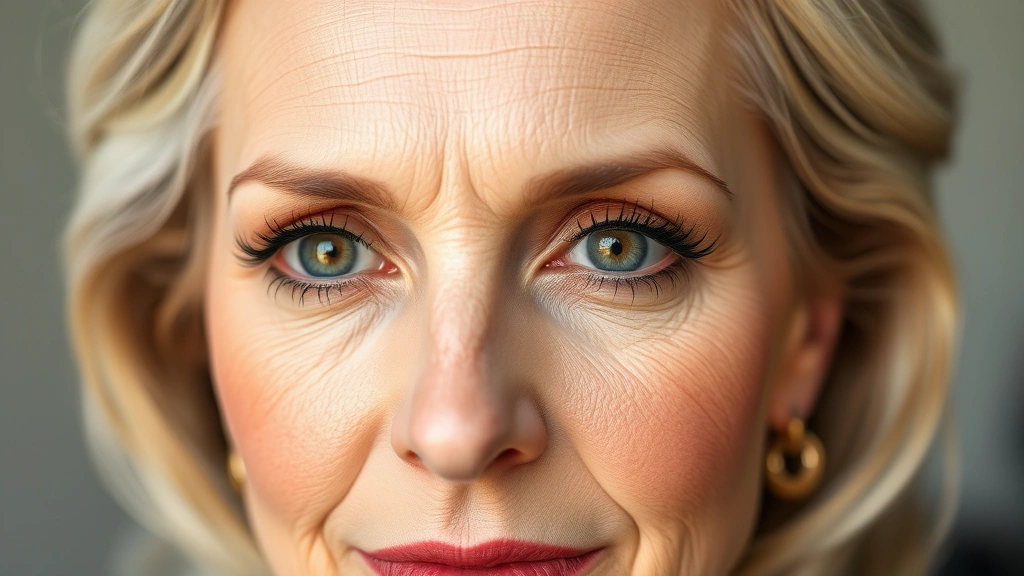
Eye shape changes significantly with age, and many women over 50 experience hooding of the eyelid—a common and completely normal occurrence. Rather than fighting this natural change, the key is adapting your eyeshadow and eyeliner techniques to work beautifully with your unique eye shape.
Hooded eyes require a different approach to eyeshadow placement. Instead of applying color to the entire lid, focus on the visible lid space and the area just above the natural crease. Lighter, shimmery shades work wonderfully on the inner corner and lid, while deeper, matte colors should be placed on the upper lid and slightly above the crease where they’ll be visible when your eyes are open.
Eyeliner application for hooded eyes benefits from a tightline approach—applying liner only to the upper lash line rather than the entire lid. This technique defines the eye without creating visual heaviness. If you prefer a winged liner, make the wing subtle and angle it slightly upward to create a gentle lift. Avoid thick, dramatic lines that can make hooded eyes appear smaller.
Eyeshadow colors for women over 50 should consider both skin tone and natural eye color. Warm, earthy tones like bronze, copper, and warm browns are universally flattering and create dimension without appearing harsh. Cool-toned shadows in soft grays, silvers, and cool browns also work beautifully, especially for those with cooler undertones. Professional makeup artists recommend avoiding overly bright or neon eyeshadows, which can appear aging on mature skin.
Mascara application deserves special attention. Mature eyes often have thinner lashes, making volumizing mascara essential. Focus application on the roots of the lashes, wiggling the wand slightly to coat each lash thoroughly. A coat of mascara on lower lashes provides balance, but keep it subtle to avoid a heavy appearance. Consider investing in a quality waterproof mascara that won’t smudge or flake throughout the day.
Eyebrow grooming becomes increasingly important with age. Brows naturally thin and fade, so maintaining shape through regular grooming and using brow products is crucial. A soft, powder brow product works better than hard pencils, which can appear harsh on mature skin. Fill in sparse areas gently, keeping brow color slightly softer than your natural shade for a more natural appearance.
Lip Color and Texture Strategies
Lip color is one of the most transformative elements of makeup, and selecting the right shades and textures can dramatically enhance your overall appearance. For women over 50, the approach to lip color should balance richness with wearability, avoiding formulas that emphasize fine lines or texture.
Matte lipsticks, while popular in recent years, can be particularly unflattering on mature lips that naturally have less moisture. Instead, opt for satin or cream finishes that provide color while maintaining a moisturized appearance. These formulas glide on smoothly and wear comfortably without accentuating lip texture or fine lines around the mouth.
Lip liners become increasingly valuable for mature skin. As lips naturally thin with age, a subtle lip liner in a shade matching your natural lip color or your chosen lipstick creates definition and prevents feathering. Apply liner just slightly outside your natural lip line to create a fuller appearance without looking overdone. Blend the liner slightly inward to avoid a harsh outline.
Color selection for lips should complement both your skin tone and overall makeup look. Warm undertones typically flatter peachy, coral, warm red, and brick tones, while cool undertones look stunning in berry, plum, cool red, and mauve shades. Nude and brown tones work universally, though the specific shade should match your undertone for the most flattering effect.
Lip gloss can work beautifully for mature skin when chosen carefully. Opt for subtle, hydrating glosses rather than thick, sticky formulas that feel heavy. A light gloss over lipstick adds dimension and moisture, creating a youthful, polished appearance. Avoid extremely shiny or sticky products that can feel uncomfortable and appear less sophisticated.
Lip care is essential for makeup application success. Exfoliate lips gently with a soft toothbrush or lip scrub a few times weekly to remove dry, flaky skin. Apply a hydrating lip balm regularly, especially before bed, to maintain moisture. Well-hydrated lips accept color beautifully and look naturally fuller.
Contouring Without Harsh Lines
Contouring has become a mainstream makeup technique, but traditional heavy contouring can appear harsh and aging on mature skin. The key is embracing a softer, more natural approach to dimension that enhances without appearing obvious.
Rather than using dark bronzer to create stark shadows, consider using a slightly deeper shade of your natural skin tone or a warm, muted brown. Apply this shade with a large, fluffy brush using circular motions rather than precise lines. This technique creates soft shading that suggests dimension without the harsh, sculpted appearance of traditional contouring.
Blush placement becomes more important with age, as the natural fat pads in cheeks shift downward. Rather than applying blush to the apples of cheeks, try placing it slightly higher and blending upward toward temples. This creates a subtle lift and appears more youthful. Choose warm, flattering shades in peachy, coral, rose, or berry tones depending on your undertone.
Highlighting can be beautifully incorporated into makeup for women over 50, but subtlety is key. Rather than using obvious glitter or overly shimmery products, choose illuminators with a soft, luminous finish. Apply highlighter to the inner corners of eyes, the center of cheekbones, and the bridge of the nose—areas that naturally catch light. Blend thoroughly so the glow appears natural and emanates from within rather than sitting on top of skin.
The concept of strategic highlighting aligns with creating a youthful appearance—emphasizing areas that naturally reflect light draws attention to features you want to showcase. This approach is far more sophisticated and age-appropriate than heavy, obvious contouring that emphasizes aging signs.
Skincare as Makeup Foundation
No makeup technique can compensate for neglected skincare. In fact, the most important step in any makeup routine for women over 50 is establishing a consistent, effective skincare regimen. Beautiful makeup begins with beautiful skin, and investing time in proper skincare yields dramatic improvements in makeup application and wear.
A comprehensive skincare routine for mature skin should include cleansing, toning, hydrating, and protecting. Use a gentle, hydrating cleanser morning and night to remove makeup and impurities without stripping natural oils. Follow with a hydrating toner that prepares skin for subsequent products. A quality moisturizer with ingredients like retinol, vitamin C, or peptides addresses aging concerns while maintaining hydration.
Sunscreen is non-negotiable, even for makeup wearers. UV protection prevents further sun damage and helps maintain skin elasticity. Choose a lightweight sunscreen that won’t interfere with makeup application—mineral sunscreens often work beautifully under makeup as they provide a smooth base.
Consider incorporating targeted treatments into your routine. Eye creams address fine lines and darkness around delicate eye areas, while serums with hyaluronic acid or vitamin C provide intensive hydration and brightening. These products create a plump, luminous base that allows makeup to apply smoothly and wear beautifully.
Weekly treatments like hydrating masks or gentle exfoliating treatments enhance skin texture and radiance. However, avoid overly harsh exfoliants that can irritate mature skin. Instead, opt for gentle chemical exfoliants with ingredients like lactic acid or enzymatic exfoliants that remove dead skin without causing sensitivity.
Color Theory for Your Skin Tone
Understanding your undertone—the subtle color beneath your skin—is fundamental to selecting makeup colors that look stunning and feel authentic. Undertones typically fall into warm, cool, or neutral categories, and each undertone looks best with specific color families.
Warm undertones have golden, peachy, or olive-based hues and look luminous in warm colors like warm browns, golden tones, warm reds, peachy shades, and warm corals. These colors harmonize with warm undertones, creating a cohesive, flattering appearance. For eyeshadow, warm bronzes, warm golds, and warm browns are universally flattering.
Cool undertones have pink, red, or blue-based hues and are flattered by cool colors like cool reds, berries, plums, cool pinks, and cool blues. Cool-toned makeup creates harmony with cool undertones, appearing more natural and flattering. Cool grays, silvers, and cool browns work beautifully for eyeshadow.
Neutral undertones have a balance of warm and cool hues, offering flexibility with both warm and cool colors. Those with neutral undertones can experiment with a wider range of shades, though they typically look best when choosing colors that complement their natural coloring rather than clashing with it.
Beyond undertone, consider the depth of your skin tone. Fair skin tones benefit from softer, more subtle shades, while deeper skin tones can wear richer, more saturated colors beautifully. Medium skin tones have flexibility across the spectrum. The key is selecting colors that create contrast and complement your natural coloring rather than washing you out or clashing with your complexion.
Experimenting with colors is encouraged—makeup is temporary and offers an excellent opportunity for creative expression. However, understanding your undertone and depth provides a foundation for making color choices that inherently flatter your natural beauty.
FAQ
What’s the best foundation for mature skin?
Lightweight, hydrating liquid foundations with luminous or dewy finishes are ideal for mature skin. Look for formulas that contain hydrating ingredients and avoid heavy, full-coverage products that emphasize texture and fine lines. Apply in thin layers using a damp beauty sponge for the most natural appearance.
How do I prevent makeup from settling into fine lines?
Proper skincare is essential—hydrate skin thoroughly before makeup application. Use a hydrating primer to create a smooth base, apply foundation in thin layers, and use a hydrating setting spray instead of powder. These steps maintain skin texture visibility while ensuring makeup wears beautifully.
Are there specific makeup colors I should avoid over 50?
Avoid overly bright, neon, or harsh colors that can appear aging. Instead, choose warm, earthy tones or cool, muted shades depending on your undertone. Rich, sophisticated colors are more flattering than pale or washed-out shades. Ultimately, colors that complement your natural coloring are always the best choice.
How can I make my eyes look bigger and brighter?
Apply lighter, shimmery eyeshadow to the inner corner and center of the lid. Use a subtle eyeliner on the upper lash line only. Apply mascara focusing on upper lashes. A light eyeshadow just below the inner corner of the lower lash line creates brightness. These techniques create the illusion of larger, more awake eyes.
What’s the best way to apply blush for mature skin?
Apply blush slightly higher than the apples of cheeks, blending upward toward temples. This placement creates a subtle lift. Use a light hand and blend thoroughly for a natural appearance. Choose flattering shades in warm or cool tones depending on your undertone—avoid colors that clash with your complexion.
Should I use bronzer if I’m over 50?
Yes, but use a softer approach. Instead of dark, harsh lines, use a shade only slightly deeper than your natural skin tone. Apply with a large, fluffy brush using circular motions to create soft shading rather than obvious contouring. This technique creates dimension without appearing aged or sculpted.
How often should I update my makeup routine?
Review your makeup routine seasonally and whenever your skin changes. As you age, your skin’s needs evolve, and your makeup approach should adapt accordingly. Staying informed about new products and techniques helps ensure your routine remains current and effective.

Related Posts

Perfect Old Fashioned Donut: Baker’s Secrets

Old Fashioned Chocolate Pie Recipe? Chef’s Favorite