Roaring 20s Makeup: How Men Styled Their Look?
Roaring 20s Makeup: How Men Styled Their Look During the Jazz Age
The 1920s represented a radical departure from Victorian masculinity, and nowhere was this more evident than in men’s grooming and makeup practices. Often overshadowed by the glamorous flapper aesthetic of women, the male beauty standards of the Roaring Twenties were equally transformative and surprisingly progressive. Men during this era embraced products, styling techniques, and grooming rituals that would have been considered scandalous just a decade earlier, marking a pivotal moment in the history of male cosmetics and personal presentation.
This fascinating period saw gentlemen experimenting with pomades, powders, and elaborate hairstyling that challenged traditional notions of masculinity. From the slicked-back waves of matinee idols to the carefully groomed appearance of jazz musicians and socialites, the 1920s male beauty routine was as meticulous and intentional as any modern grooming regimen. Understanding how men of the Roaring Twenties approached their appearance reveals much about the cultural shifts of the era and the evolving relationship between masculinity and self-presentation.
The Cultural Shift in 1920s Masculinity
The 1920s marked a revolutionary departure from the rigid, austere masculinity of previous generations. Post-World War I society experienced unprecedented social liberation, and men’s grooming practices reflected this cultural upheaval. The concept that a man could care about his appearance without compromising his masculinity was genuinely radical for the time. Young men, particularly those in urban centers and entertainment industries, began to view personal grooming not as vanity but as essential self-presentation and social currency.
This shift was deeply influenced by the entertainment industry, particularly Hollywood’s burgeoning film studios. Silent film actors required makeup to appear on camera, and as these films reached mass audiences, the makeup used by male stars became aspirational. The idea that successful, powerful, and attractive men used cosmetic products fundamentally changed public perception. Men who had previously hidden their grooming routines now openly discussed the products and techniques they employed to achieve their polished appearance.
Jazz culture also played a crucial role in this transformation. Musicians, dancers, and performers who frequented speakeasies during Prohibition were trendsetters who didn’t shy away from makeup and elaborate styling. These cultural icons demonstrated that masculinity could be expressed through aesthetic sophistication and personal adornment. The democratization of beauty products through increased manufacturing and advertising meant that grooming supplies became accessible to middle-class men, not just wealthy elites.
Hair Products and Styling Techniques
Hair was the canvas upon which 1920s male beauty was painted. The most iconic hairstyle of the era was the slicked-back look, characterized by hair combed straight back from the forehead and plastered down with product. This style required specific products and meticulous daily maintenance. Men would apply generous amounts of hair product every morning, often spending considerable time perfecting their waves and ensuring every strand was in place. The look was associated with sophistication, modernity, and masculine appeal.
The side part was another popular variation, where hair was deeply parted on one side and swept across the top of the head. This style required less product than the full slicked-back look but still demanded precision and daily styling. Men often used combs with fine teeth to create clean lines and define their parts, treating hair grooming as an art form requiring both skill and dedication.
Beyond styling, men experimented with permanent waves, or permanent waves, which created lasting curls or waves in the hair. While more commonly associated with women’s beauty routines, some men, particularly those in entertainment and fashion-forward circles, underwent these treatments to achieve a more voluminous, styled appearance. The process involved chemical treatments that could take hours and required repeat visits to maintain, demonstrating the serious commitment 1920s men made to their appearance.
Hair color was also an area of innovation. While dyeing hair was still somewhat taboo, men increasingly used rinses and tonics to enhance their natural color or add subtle tones. These products were marketed as tonics or treatments rather than dyes, allowing men to maintain plausible deniability about their use while still benefiting from the color enhancement.
Foundation and Powder: Breaking the Taboo
Perhaps the most revolutionary aspect of 1920s male grooming was the acceptance of facial powder and light foundation. Men, particularly those in entertainment, film, and public-facing professions, openly used powder to even out skin tone, reduce shine, and create a more refined appearance. This represented a dramatic shift from the Victorian ideal of masculine authenticity, which held that a man should appear natural and unadorned.
The powder used by men in the 1920s was typically lighter and more translucent than that used by women, marketed under euphemistic names like complexion powder or finish powder to make the products more socially acceptable. These powders served practical purposes: they controlled oil production, reduced the glare of stage lights for performers, and created a smoother canvas for photography. Men applied powder using soft brushes or puffs, techniques that required practice and finesse.
Foundation, while not as universally used as powder, was employed by men who needed to cover blemishes, scars, or uneven skin tone. These early foundations were often cream-based and had to be carefully blended to avoid visible lines or patches. The application technique was crucial—too much product looked artificial, while too little failed to provide adequate coverage. Men in the entertainment industry often visited theatrical makeup artists to learn proper application techniques.
The acceptance of these products among men was facilitated by their association with professionalism and performance. A man using powder wasn’t considered vain or feminine; rather, he was viewed as taking his professional appearance seriously. This reframing allowed cosmetic products to become normalized in men’s grooming without challenging fundamental notions of masculinity.
The Role of Pomade and Brillantine
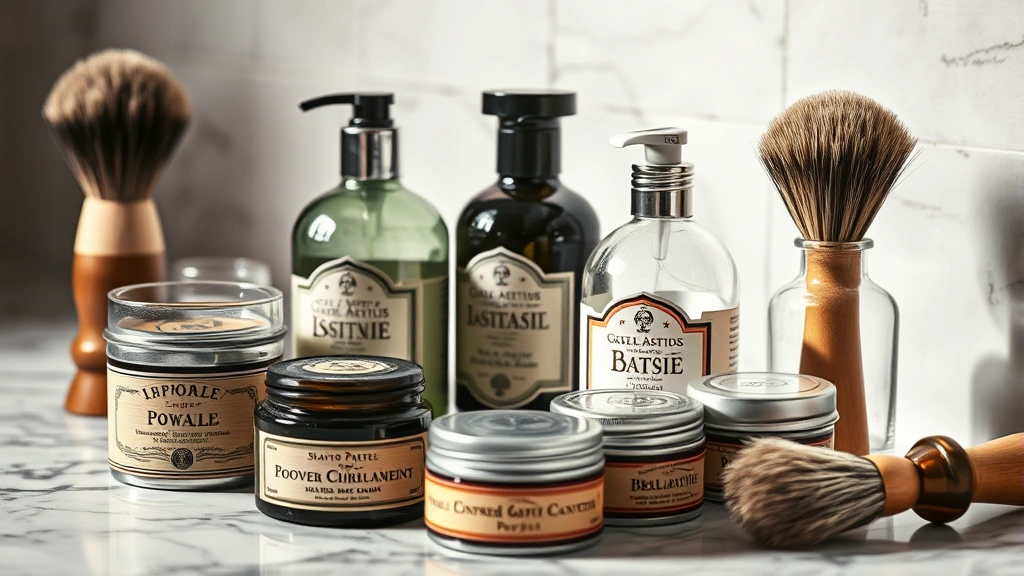
No product defined 1920s male grooming more than pomade and brillantine. These hair products were essential to achieving the signature slicked-back style that dominated the era. Pomade, typically made from petroleum jelly, wax, and fragrant oils, provided strong hold and a glossy shine that made hair appear sleek and sophisticated. Brillantine, a lighter oil-based product, offered similar benefits with less weight and a more natural-looking finish.
Men would apply these products to damp hair immediately after washing, using their fingers or combs to distribute the product evenly and style their hair into the desired shape. The products would set as the hair dried, creating a structured look that could last throughout the day. The scent of these products was an important part of their appeal—fragrances like bay rum, lavender, and citrus became synonymous with masculine grooming.
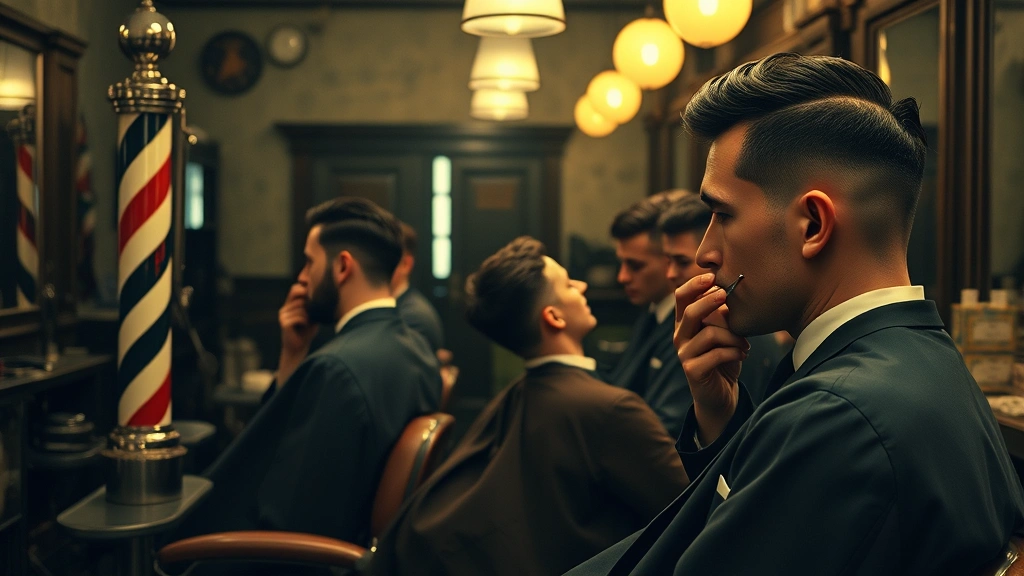
The quality and type of pomade a man used became a status symbol. Premium brands imported from Europe or produced by high-end barbershops commanded higher prices and were associated with sophistication and refinement. Working-class men might use basic pomade, while wealthy men invested in specialty products that promised superior hold, shine, and fragrance. Barbershops became important retail spaces where men could purchase these products and receive expert advice on application and styling.
The daily routine of applying and reapplying these products was time-consuming. Men often carried small containers of pomade with them, touching up their hair throughout the day to maintain their style. This constant attention to appearance reflected the cultural values of the era, where personal presentation was increasingly viewed as an important aspect of success and social standing.
Eyebrow and Lip Grooming Standards
While not as dramatic as women’s eyebrow trends of the 1920s, men’s eyebrow grooming underwent subtle but significant changes during this period. The ideal male eyebrow was thick, well-defined, and natural-looking, with a slight arch that conveyed intelligence and sophistication. Men began to groom their eyebrows more deliberately, using small scissors to trim excess hair and maintain a neat appearance.
Some men, particularly actors and performers, would use eyebrow pencils to darken or define their brows for photographs and stage performances. This practice was typically kept private, as openly using eyebrow makeup was still considered somewhat feminine. However, the widespread use of such products in entertainment circles helped normalize the practice among men who aspired to the polished appearance of their favorite actors.
Lips received more subtle attention in men’s grooming routines. While women of the era wore bold, dark lipstick, men maintained a more natural lip appearance. However, men did use lip balms and salves to keep their lips soft and prevent chapping. Some of these products contained subtle color or shine, giving lips a healthy, groomed appearance without the obvious makeup look. The line between lip care and lip color was intentionally blurred in marketing, allowing men to use these products without feeling they were applying makeup.
Facial hair grooming was another important aspect of 1920s male appearance. While full beards had fallen out of fashion, many men maintained mustaches or goatees, which required careful trimming, conditioning, and styling. Men used specialized mustache waxes to shape their facial hair into precise forms, and these products were considered essential grooming supplies rather than cosmetics.
Iconic Male Beauty Icons of the Era
Several male celebrities of the 1920s became beauty icons whose grooming practices were widely emulated. Rudolph Valentino, the most famous male film star of the era, epitomized 1920s male glamour with his slicked-back hair, defined eyebrows, and carefully groomed appearance. Valentino’s grooming routine was extensively documented and discussed in fan magazines, making him a style icon for men across the country. His influence on male beauty standards was so profound that men visited barbershops asking for the “Valentino cut” or requesting products that would help them achieve his distinctive look.
Other Hollywood leading men like John Gilbert, Ramon Novarro, and Buster Keaton also influenced male grooming standards through their on-screen appearances. Each of these actors had a slightly different style, offering men various aesthetic options while maintaining the core principles of the era’s masculine beauty ideal: polished, refined, and carefully groomed.
Jazz musicians also served as important beauty influencers. Icons like Duke Ellington and Louis Armstrong were known for their immaculate appearance, including precisely styled hair, well-tailored clothing, and meticulous grooming. These musicians demonstrated that a commitment to personal appearance was compatible with artistic credibility and masculine strength.
The influence of these icons extended beyond Hollywood and jazz clubs. Magazine advertisements featured photographs of these celebrities, and companies capitalized on their popularity by claiming their products could help men achieve the same polished appearance. The democratization of celebrity beauty standards through mass media meant that grooming practices once exclusive to the wealthy and famous became aspirational for ordinary men.
Skincare Routines for the Modern 1920s Man
While 1920s skincare was considerably simpler than modern routines, men of the era did follow specific practices to maintain healthy, attractive skin. The basic routine included cleansing, toning, and moisturizing, though the products used were quite different from contemporary equivalents. Men typically used soap and water for cleansing, often with specialized facial soaps marketed to men that promised to clean without over-drying the skin.
After cleansing, men would apply toning solutions or astringents designed to remove remaining impurities and tighten pores. These products often contained alcohol or witch hazel and left the skin feeling fresh and invigorated. The toning step was considered essential for maintaining healthy skin and preparing the face for moisturizer application.
Moisturizing products ranged from simple cold creams to specialized facial oils. Men would apply these products to slightly damp skin, allowing the moisture to be locked in more effectively. Many moisturizers of the era contained fragrant oils, making skincare routines an olfactory experience as much as a practical one. The scent of a man’s moisturizer or aftershave became part of his personal signature and grooming identity.
Shaving was another crucial skincare consideration. Men used straight razors or early safety razors, along with specialized shaving soaps and creams that softened facial hair and protected the skin. After shaving, aftershave balm or aftershave lotion was applied to soothe the skin, prevent irritation, and provide fragrance. These products were masculine grooming essentials, and men took pride in selecting high-quality aftershaves that suited their personal style.
Men also used various treatments to address specific skin concerns. Acne treatments, anti-aging creams, and specialized serums were available, though less sophisticated than modern formulations. Men who experienced persistent skin problems would consult dermatologists or visit specialized beauty clinics, demonstrating that professional skincare advice was considered valuable even in the 1920s.
Achieving the Look Today
Modern men interested in recreating the Roaring 20s aesthetic can draw inspiration from the grooming practices of that era while utilizing contemporary products. The foundation of the look remains the same: a sleek, polished appearance achieved through meticulous attention to hair, skin, and overall grooming. Beauty professionals today can guide men in adapting 1920s grooming techniques to modern contexts.
For hair, men should look for pomades or styling creams that provide strong hold and a glossy finish. Modern formulations are often lighter and easier to wash out than vintage products, making daily application and maintenance more convenient. A visit to a skilled barber who understands 1920s hairstyling is essential—the cut must be precise, with clean lines and appropriate length to achieve the authentic look.
Skincare should follow a basic but consistent routine: cleanse with a quality facial cleanser, apply a hydrating moisturizer, and use a men’s sunscreen daily. While 1920s men didn’t have access to modern sunscreen, protecting the skin from UV damage is important for maintaining the youthful, polished appearance that defines the era’s aesthetic. A good eye cream can help maintain the alert, well-rested appearance that was valued in the 1920s.
For those interested in the full makeup experience, light powder application can reduce shine and create a refined appearance suitable for photography or special events. Modern powder formulations designed for men are available and can be applied subtly using a brush for a natural finish. Eyebrow grooming should be minimal but intentional, maintaining the thick, natural brows that characterized the era while ensuring they’re neatly trimmed.
Fragrance is another important element of the 1920s male aesthetic. Selecting a vintage-inspired fragrance with notes of bay rum, lavender, citrus, or other period-appropriate scents can complete the overall grooming picture. Many contemporary fragrance houses offer scents inspired by the 1920s, making it easy to find an authentic-smelling option.
The key to successfully achieving the 1920s male look is understanding that it’s fundamentally about polish and intention. Every element of appearance—from hair to skin to fragrance—should appear carefully considered and well-maintained. This attention to detail is what distinguished the grooming practices of the Roaring Twenties from both the neglect of previous eras and the often casual approach to grooming in subsequent decades.
FAQ
Did men in the 1920s really wear makeup?
Yes, men in the 1920s, particularly those in entertainment and public-facing professions, openly wore makeup including powder, foundation, and eyebrow pencil. While not universal, the practice was increasingly normalized and accepted as a professional grooming standard rather than a sign of vanity or femininity.
What was the most popular men’s hairstyle in the 1920s?
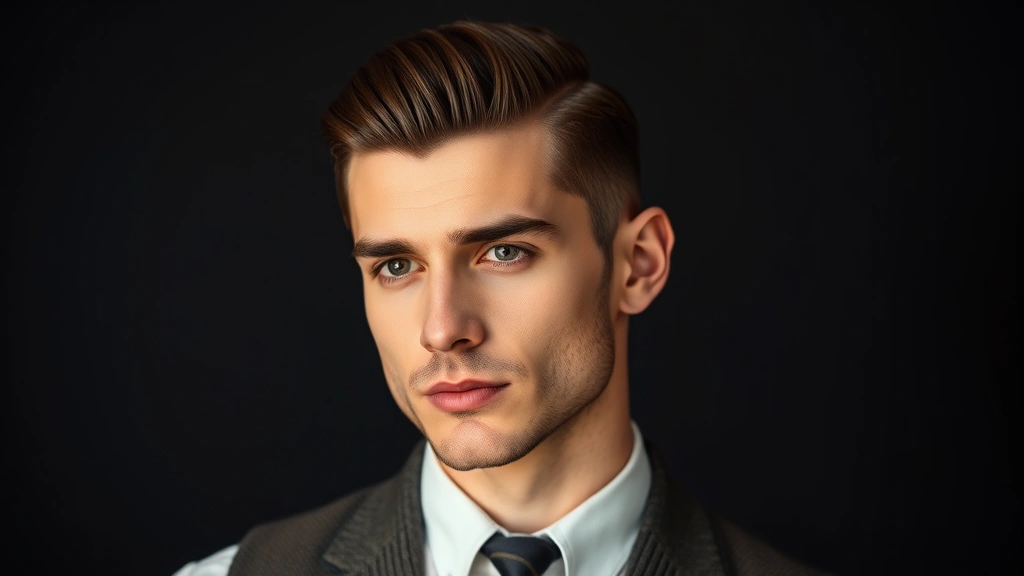
The slicked-back style was the most iconic men’s hairstyle of the 1920s. This look involved combing hair straight back from the forehead and securing it with pomade or brillantine, creating a sleek, polished appearance. The side part was another popular variation of this general style.
What products did 1920s men use for hair styling?
The primary products were pomade and brillantine, both petroleum or oil-based products that provided hold and shine. Men also used specialized shampoos and conditioning treatments, along with fine-toothed combs for styling. These products were essential to achieving the era’s signature looks.
How did men in the 1920s maintain their grooming routines?
Men visited barbershops regularly for haircuts, shaves, and grooming advice. They purchased grooming products from barbershops and general stores, and many carried small amounts of pomade or other products with them for touch-ups throughout the day. The barbershop served as both a functional service provider and a social hub for discussing grooming trends.
Was using makeup considered feminine in the 1920s?
While makeup use was still somewhat controversial, it became increasingly normalized for men, particularly in entertainment and urban settings. The practice was reframed as professional grooming rather than vanity, allowing men to use cosmetics without compromising their masculinity. This shift in perception was revolutionary for the time.
How can I recreate the 1920s male look today?
Start with a precise haircut styled with modern pomade or styling cream, follow a consistent skincare routine, and consider light powder application if desired. Visit a skilled barber familiar with vintage styles, maintain well-groomed eyebrows, and select a period-appropriate fragrance. The key is intentional, meticulous attention to every grooming detail.

Related Posts
Perfect Old Fashioned Donut: Baker’s Secrets
Old Fashioned Chocolate Pie Recipe? Chef’s Favorite