Dress Tips for Pear Shapes: Expert Advice
Dress Tips for Pear Shapes: Expert Fashion Advice for Your Body Type
Dressing for your body shape isn’t about conforming to restrictive fashion rules—it’s about understanding your proportions and choosing styles that make you feel confident and beautiful. If you have a pear-shaped body, you already know that your hips and thighs are fuller than your shoulders and bust. The good news? This body type is incredibly versatile when it comes to fashion, and with the right styling strategies, you can create balanced, flattering silhouettes that celebrate your natural curves.
Pear body shapes have been celebrated throughout fashion history, from 1950s pin-up culture to modern-day runway shows. Rather than fighting your natural proportions, strategic dressing allows you to highlight your assets while creating visual balance. Whether you’re shopping for everyday wear, professional outfits, or special occasions, understanding how to work with your body shape transforms your entire wardrobe approach. This guide brings together expert fashion advice specifically tailored to pear-shaped bodies, helping you make confident clothing choices that enhance your best features.
Understanding Your Pear Body Shape
Before diving into specific styling tips, it’s essential to understand what makes a body shape “pear.” A pear-shaped body is characterized by shoulders that are narrower than the hips, with weight distribution concentrated in the lower half—particularly the thighs, buttocks, and hip area. Your bust and waist are typically proportionally smaller, creating an inverted triangle silhouette when viewed from above.
Fashion experts recognize that pear shapes come in different variations. Some people have a more pronounced hip curve, while others carry more weight in the thighs. Understanding your specific proportions helps you refine your styling approach. The key principle behind dressing a pear shape is creating visual balance by drawing attention upward and adding volume to your upper body while streamlining your lower half.
According to Vogue’s body type styling guides, the most flattering approach for pear shapes involves emphasizing the shoulders, bust, and neckline area while choosing bottoms that skim rather than cling. This isn’t about hiding your curves—it’s about strategic proportion balancing that creates a more harmonious overall silhouette. When you understand how different cuts, fabrics, and styles interact with your body, you gain the confidence to experiment with fashion in ways that feel authentically you.
Top Styles That Flatter Pear Shapes
The most flattering tops for pear-shaped bodies share common characteristics: they add volume, texture, or interest to your upper body, helping to balance wider hips. Boat necks and off-shoulder tops are particularly effective because they broaden the shoulder line, creating the illusion of wider shoulders relative to your hips. This visual widening helps proportion your frame more evenly.
Peplum tops represent another excellent choice for pear shapes. The ruffle or flare at the waistline adds volume exactly where you need it—around your upper hip and torso area—creating a balanced silhouette. Similarly, wrap tops and crossover styles draw attention to your bust and waist while the wrapping action creates definition in your midsection.
- Structured blazers and jackets: These create strong shoulder lines and add authority to your frame. Blazers with shoulder padding or interesting details immediately balance pear proportions
- Horizontal stripes and patterns: Applied to your upper body, these expand the visual width of your shoulders and bust
- Ruffled or layered necklines: Added texture at the collarbone draws the eye upward and adds dimension to your chest area
- Bright or bold colored tops: Wearing statement colors on top naturally directs attention where you want it
- Fitted or cropped sweaters: When paired with appropriate bottoms, these define your waist without clinging to your hips
Avoid overly loose or oversized tops that extend past your hip bones, as these can overwhelm your frame and make your lower half appear larger by comparison. The goal is creating intentional balance, not hiding your body.
Bottoms: Finding Your Perfect Fit
Bottom selection is crucial for pear-shaped dressing. The fundamental principle is choosing styles that skim your curves rather than cling to or emphasize them. Straight-leg and bootcut jeans offer clean lines that elongate your legs while skimming your thighs without clinging. The structured fabric provides support without highlighting every curve.
Flared and wide-leg pants are particularly flattering because they balance your hip width. The additional fabric from the knee down creates visual proportion with your wider hip area. Palazzo pants, culottes, and split-leg styles all work beautifully for pear shapes because they distribute visual weight more evenly down your legs.
When shopping for fashion advice and styling guidance, remember these bottom guidelines:
- Avoid skinny jeans and tight leggings: These emphasize hip and thigh curves without balancing them
- Choose mid to high-rise waistbands: These smooth your silhouette and prevent muffin-top situations
- Look for structured fabrics: Denim, cotton blends, and structured knits provide better support than stretchy materials
- Opt for monochromatic or darker bottoms: These create a streamlined appearance in your lower half
- Consider strategic details: Side seams, vertical stripes, or ruching can create flattering lines on thighs
Skirts deserve special attention for pear shapes. A-line skirts are universally flattering because they skim your hip and thigh area while flaring out, creating beautiful proportion. Midi skirts with A-line cuts offer elegance and balance. Avoid pencil skirts and bodycon styles that emphasize hip and thigh curves without providing visual relief.
The fabric weight matters significantly. Heavier, structured fabrics hold their shape better and create clean lines, while lightweight, clingy materials tend to highlight every curve. When trying on bottoms, the “pinch test” helps: if you can pinch more than an inch of fabric at your hip or thigh, the fit is appropriately loose. If there’s no give at all, it’s too tight for flattering pear-shape styling.
Color and Pattern Strategies
Color psychology plays an important role in visual balance for pear-shaped bodies. Bright, bold, and warm colors naturally draw the eye and add visual interest. When you wear these colors on your upper body, you create a focal point that balances your lower half. Jewel tones like sapphire, emerald, and ruby are particularly effective because they’re both attention-grabbing and sophisticated.
Conversely, darker, cooler, and more muted colors recede visually. Wearing these shades on your lower half creates the illusion of a smaller, more streamlined hip and thigh area. Navy, charcoal, black, deep burgundy, and forest green all work beautifully for bottoms when you’re dressing a pear shape.
Pattern placement is equally important. Horizontal stripes belong on your top half—they expand the visual width of your shoulders and bust. Vertical stripes on bottoms can create elongating lines on your legs. Avoid large, bold patterns on your hips and thighs, as these draw attention to areas you’re trying to balance. Instead, use patterns strategically on your upper body or as small accent details.
Ombre effects and color blocking offer creative options too. An ombre that transitions from bright on top to darker on bottom guides the eye upward. Color blocking with a bright or textured top and dark, simple bottom creates natural visual balance. These techniques work with your body shape rather than against it.
Accessories and Layering Techniques
Accessories aren’t afterthoughts—they’re powerful styling tools for pear-shaped bodies. Statement necklaces, scarves, and jewelry worn at your neckline and chest naturally draw attention upward. Long pendant necklaces elongate your torso, while chunky, colorful necklaces add visual interest to your upper body.
Layering offers multiple benefits for pear shapes. An open cardigan, denim jacket, or structured blazer worn over a fitted top creates visual width at your shoulders while defining your waist. The layering technique breaks up your silhouette and adds dimension. When layering, ensure your outer layer hits at your hip bone or slightly above—anything longer tends to hide your waist definition and emphasize your hips.
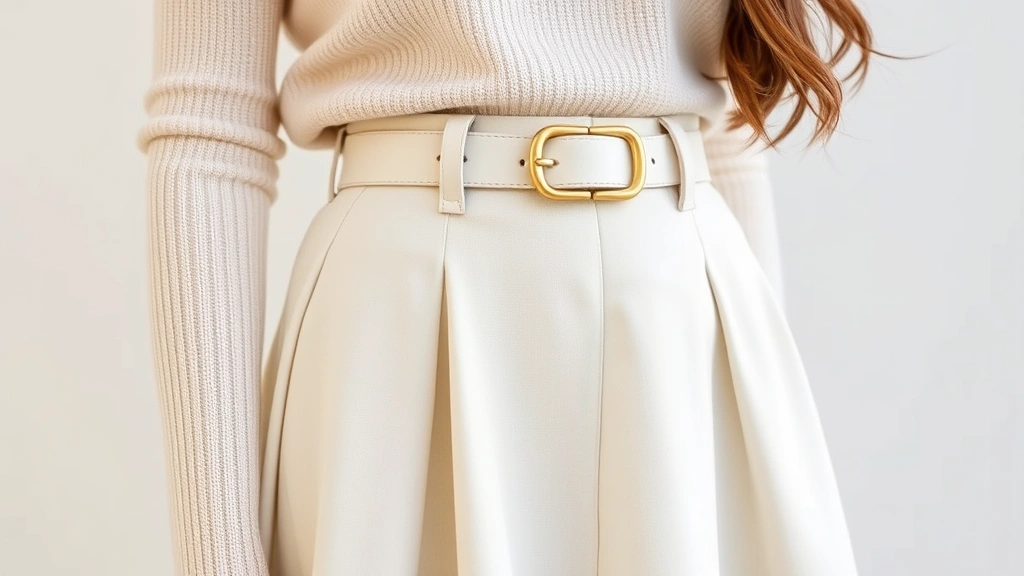
- Belts: Wearing belts at your natural waist emphasizes your narrower midsection and creates definition between your upper and lower body
- Scarves: Draped around your neck or shoulders, scarves add texture and draw attention upward
- Statement earrings: These frame your face and upper body, naturally directing focus away from your hips
- Structured handbags: Carried at your shoulder or across your body, these add visual interest to your upper half
- Shoes and leg accessories: Interesting shoes, ankle boots, or leg jewelry can ground your look and add visual balance
When considering how different elements interact with your overall appearance, remember that every piece contributes to your total silhouette. A well-chosen accessory can completely transform how an outfit balances your proportions.
Occasion-Specific Outfit Ideas
Casual Everyday Wear: Pair a bright patterned or textured top with dark straight-leg jeans and white sneakers. Add a structured denim or leather jacket and a statement necklace. This creates balanced proportions while feeling effortlessly put-together. The bright top draws attention upward, while the dark jeans streamline your lower half.
Professional and Office Settings: Choose a fitted blazer with shoulder detail over a solid-colored blouse, paired with tailored wide-leg trousers or an A-line skirt in a neutral shade. Add a belt at your waist and professional jewelry. This combination creates authority while respecting your body’s proportions. The blazer broadens your shoulders, the belt defines your waist, and the structured bottoms provide clean lines.
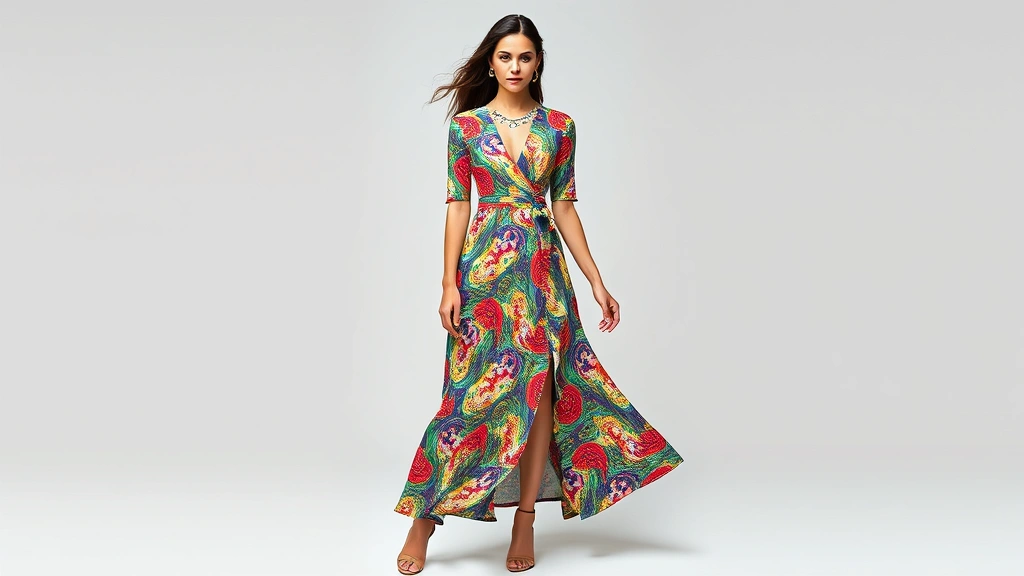
Date Night or Evening Events: Consider a wrap dress that emphasizes your bust and waist, or a dress with a fitted bodice and flowing skirt. If choosing separates, pair a embellished or textured top with a sleek, dark skirt or pants. Add heeled shoes to elongate your legs and create visual lift. Jewelry should be statement-making at the neckline or shoulders.
Weekend Social Gatherings: Layer a colorful sweater or blouse under a structured cardigan with interesting details, paired with dark jeans or a midi skirt. This casual-chic combination balances proportions while remaining comfortable and approachable. The layering adds dimension, while the color placement guides the eye upward.
Athletic and Activewear: Choose sports bras and tops in bold colors or patterns, paired with dark, high-waisted leggings or shorts. The high waistband provides support while the color placement maintains visual balance. Avoid overly loose athletic wear that hides your natural shape.
Common Pear Shape Styling Mistakes
Understanding what to avoid is as important as knowing what works. Many people with pear shapes make styling choices that inadvertently emphasize their hips rather than balance them. Wearing loose, oversized tops that extend past your hip bones creates a tent-like silhouette that makes your lower half appear larger by comparison. Similarly, pairing a loose top with fitted bottoms creates unflattering contrast rather than balance.
Skinny jeans and leggings worn without appropriate top coverage highlight hip and thigh curves without providing visual relief. If you love the sleek look of fitted bottoms, ensure your top adds volume, texture, or visual interest to your upper body.
Avoiding all patterns and color on your bottom half is another common mistake. While you don’t want bold patterns directly on your hips and thighs, strategic small-scale patterns, interesting textures, or even lighter shades can work beautifully—especially when balanced with equally interesting tops. The key is proportion, not elimination.
Many people also fail to utilize the different styling environments and contexts available to them. A style that works for casual wear might need adjustment for professional settings. Being flexible with your approach, rather than adhering to rigid rules, creates the most flattering results.
Ignoring fit is perhaps the biggest mistake. An expensive, beautifully designed piece that doesn’t fit your body properly will never look as good as a simpler piece tailored to your frame. Investing in alterations—hemming, taking in seams, or adjusting waistbands—ensures your clothes work with your body rather than against it.
Another common error is underestimating the power of proper undergarments. A well-fitting bra that provides appropriate support and shaping makes every top look better. Shapewear, when used thoughtfully, can smooth your silhouette under fitted bottoms, creating the clean lines pear shapes benefit from.
FAQ
What is the best jean style for a pear-shaped body?
Straight-leg, bootcut, and flared jeans are most flattering for pear shapes. Choose mid to high-rise waistbands and structured denim that skims rather than clings to your thighs. Avoid skinny jeans, which emphasize hip and thigh curves without providing visual balance.
Can I wear patterns on my bottom half if I have a pear shape?
Yes, but strategically. Small-scale patterns, subtle textures, and darker shades work better than bold, large-scale patterns directly on your hips and thighs. Consider using patterns on your upper body where they can expand your shoulders and bust visually.
Are there dress styles that work well for pear shapes?
A-line dresses, wrap dresses, and dresses with fitted bodices and flowing skirts are excellent choices. Avoid bodycon and pencil dress styles that emphasize hip curves. Look for dresses with interesting necklines, patterns, or details on the bodice to balance your proportions.
How should I accessorize if I have a pear-shaped body?
Focus accessories on your upper body and neckline. Statement necklaces, scarves, interesting jewelry, and bold earrings naturally draw attention upward. Use belts to define your waist and create visual separation between your upper and lower body.
What colors should pear shapes wear?
Wear bright, bold, and warm colors on your upper body to draw attention upward. Reserve darker, cooler, and more muted colors for your lower half to create visual streamlining. This color strategy creates natural balance for pear-shaped proportions.
Is layering helpful for pear-shaped styling?
Absolutely. Layering with structured pieces like blazers and cardigans adds dimension to your upper body and creates visual width at your shoulders. Ensure outer layers hit at or above your hip bone to maintain waist definition.
Should I avoid fitted clothes if I have a pear shape?
Not at all. Fitted tops that emphasize your bust and waist are flattering. The key is pairing fitted tops with bottoms that skim rather than cling, and ensuring your top adds visual interest or volume to balance your lower half.
How can I make my legs look longer if I have a pear shape?
Wear vertical stripes on your bottoms, choose heeled shoes, and opt for high-waisted pants or skirts that elongate your leg line. Monochromatic color blocking from waist to toe also creates an unbroken line that visually lengthens legs.
What fabric weights work best for pear shapes?
Structured, heavier fabrics like denim, cotton blends, and quality knits provide better support and create cleaner lines than stretchy, lightweight materials. These fabrics hold their shape and don’t cling to curves as much as flimsy materials.
Can I wear white or light colors on my bottom half?
Light colors naturally expand visually, so wearing them on your hips and thighs can make these areas appear larger. Reserve lighter shades for your upper body where you want to add visual interest and dimension. If you love light-colored bottoms, ensure your top is equally striking in color or pattern.
Expert styling from Elle’s fashion guides and Harper’s Bazaar’s body type resources inform these recommendations. For professional styling consultation, consider working with fashion stylists who specialize in understanding how your personal style environment influences your choices.
Remember, fashion rules exist as guidelines, not restrictions. The most important aspect of dressing your pear-shaped body is feeling confident and comfortable in what you wear. These strategies provide a foundation for understanding your proportions and making intentional choices, but ultimately, you know your body best. Experiment with different styles, pay attention to what makes you feel beautiful, and don’t be afraid to break “rules” when something feels right. Your unique body shape is an asset—styling it well simply means understanding how to work with your natural proportions to create balanced, flattering silhouettes that celebrate who you are.

Related Posts

Perfect Old Fashioned Donut: Baker’s Secrets

Old Fashioned Chocolate Pie Recipe? Chef’s Favorite