Old Fashioned Bitters? Bartender Secrets
Old Fashioned Bitters: Bartender Secrets Revealed
The Old Fashioned cocktail stands as one of the most iconic drinks in mixology history, and at its heart lies a crucial ingredient that often gets overlooked: bitters. Professional bartenders understand that the quality and type of bitters you choose can completely transform this classic drink from ordinary to extraordinary. Whether you’re crafting cocktails behind a bar or mixing drinks at home, mastering the art of selecting and using old fashioned bitters is essential to creating a memorable drinking experience.
Bitters are concentrated aromatic flavoring agents that have been used in cocktails for nearly two centuries. They add depth, complexity, and balance to spirits, making them indispensable in any serious bartender’s toolkit. The Old Fashioned, in particular, relies on bitters to bridge the flavors of whiskey, sugar, and water, creating a harmonious blend that’s greater than the sum of its parts. Understanding how bartenders select and apply these ingredients reveals professional techniques that can elevate your home bartending game.
What Are Old Fashioned Bitters?
Old fashioned bitters are concentrated herbal and spice infusions created by combining alcohol with various botanicals, roots, barks, and spices. These ingredients are macerated together for extended periods, allowing the flavors to develop and intensify. The resulting liquid is a potent flavoring agent that requires only a few dashes to significantly impact a cocktail’s taste profile.
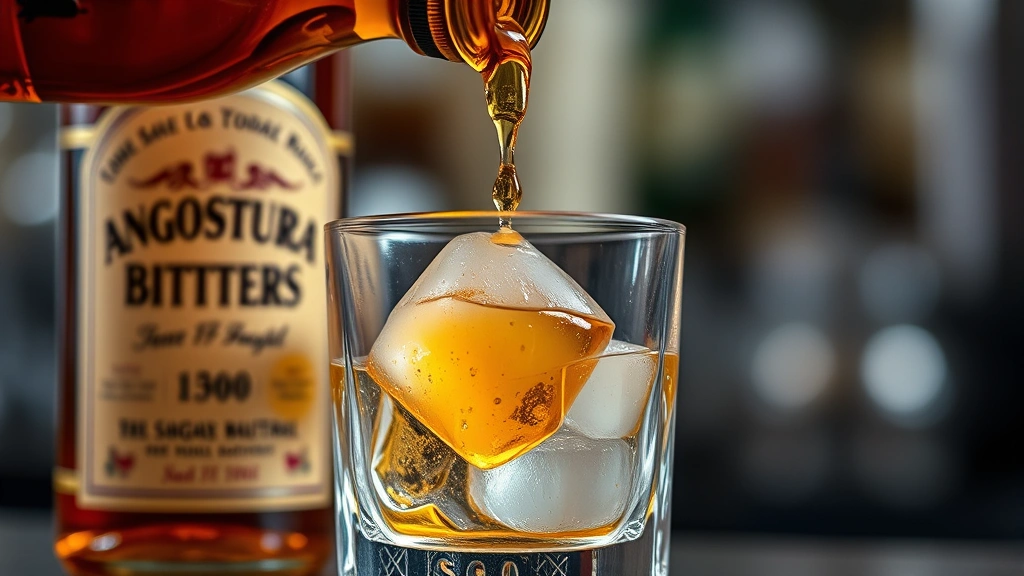
The most traditional and widely used bitters in an Old Fashioned are Angostura bitters, which contain a proprietary blend of spices and herbs. However, professional bartenders often experiment with alternative varieties to create signature variations of the classic drink. The key characteristic of quality bitters is their ability to enhance rather than overpower, adding subtle layers of flavor that make drinkers wonder what gives the cocktail its special character.
Bitters typically contain 35-45% alcohol by volume, making them potent flavor concentrators. A standard Old Fashioned uses only 2-4 dashes of bitters—roughly 1 milliliter—yet this small amount provides the drink with its distinctive aromatic signature. This concentration of flavor is what makes bitters so valuable in the bartender’s arsenal.
The History Behind Bitters in Classic Cocktails
The origins of bitters trace back to the 19th century when bartenders began creating medicinal tonics and digestive aids. These early bitters were marketed as cure-alls for various ailments, from indigestion to fever. Angostura bitters, for example, were created in 1824 by Johann Gottlieb Benjamin Siegert in Angostura, Venezuela, initially as a remedy for stomach complaints.
By the mid-1800s, bitters had become essential components in cocktail culture. The Old Fashioned itself emerged during this golden age of cocktails, with early recipes appearing in bartending guides from the 1880s. Bartenders recognized that bitters could balance the raw intensity of spirits with sweetness and water, creating more refined and palatable drinks.
The cultural significance of bitters in cocktails cannot be overstated. They represent the transition from crude spirits to sophisticated beverages, embodying the bartender’s craft and attention to detail. Understanding this historical evolution of bartending traditions provides context for why modern mixologists still prioritize quality bitters in their creations.
During Prohibition in the United States (1920-1933), bitters production continued legally because they were classified as medicinal products. This distinction allowed bartenders to maintain their craft during an era when spirits were banned, and it’s one reason Angostura remains so dominant in the market today.
Types of Bitters Used by Professional Bartenders
Angostura Aromatic Bitters remain the gold standard for Old Fashioned cocktails. Their complex blend of spices creates a warm, slightly sweet profile that complements whiskey beautifully. Professional bartenders often reach for Angostura first when crafting classic cocktails, as it provides consistency and reliability.
Peychaud’s Bitters offer a different flavor profile, with more pronounced anise notes and a slightly lighter color. Created in New Orleans in the 1830s, Peychaud’s brings a unique character to Old Fashioned variations, particularly when using rye whiskey. Many bartenders use Peychaud’s as their secondary choice for experimentation.
Orange Bitters have gained popularity in recent years as bartenders seek to add citrus complexity to classic drinks. Brands like Regan’s Orange Bitters or The Bitter Truth Orange Bitters provide a bright, zesty component that works particularly well in Old Fashioned recipes featuring bourbon. A combination of aromatic and orange bitters creates a more nuanced flavor profile.
Chocolate Bitters represent the modern craft bitters movement, allowing bartenders to create signature variations of the Old Fashioned. These specialty bitters add subtle cocoa notes without overwhelming the drink’s traditional character. They work best when used sparingly alongside traditional aromatic bitters.
Walnut and Spiced Bitters offer earthy, complex flavors that appeal to bartenders looking to add depth to their cocktails. Fee Brothers Walnut Bitters and similar craft options allow professionals to create personalized versions of the Old Fashioned that reflect their establishment’s unique identity.
Understanding the differences between flavor interactions and how components work together helps bartenders make informed decisions about bitters selection. Each variety brings distinct characteristics that can either enhance or compete with the drink’s other elements.
How to Choose Quality Bitters
When selecting bitters for your Old Fashioned, several factors determine quality and suitability for your needs. First, examine the ingredient list carefully. Quality bitters should list specific botanicals and spices rather than vague descriptions like “natural flavors.” Transparency in ingredients indicates a producer’s confidence in their product.
The color of bitters provides visual clues about their composition. Angostura’s characteristic dark brown hue comes from its specific blend of spices and the aging process. Lighter-colored bitters like Peychaud’s reflect their different botanical profiles. Avoid bitters with artificial coloring or those that appear murky or separated, as these may indicate quality issues.
Price point matters, but not always in the way you might expect. While premium craft bitters cost more than Angostura, the difference doesn’t always translate to better Old Fashioned cocktails. Professional bartenders often maintain a collection of bitters at various price points, using each strategically depending on the desired outcome.
Freshness significantly impacts bitters’ flavor profile. Unlike spirits, bitters can lose their potency over time, particularly after opening. Purchase from retailers with good turnover, and store bitters in cool, dark places away from direct sunlight. A bottle that’s been sitting on a shelf for years will perform noticeably worse than fresh stock.
Experiment with small bottles before committing to larger purchases. Many specialty liquor stores sell sample sizes, allowing you to taste different bitters and understand how they interact with your preferred whiskey. This experimentation process mirrors how professional bartenders develop their craft.
The Perfect Old Fashioned Recipe
The foundation of a proper Old Fashioned begins with quality bitters. Here’s the classic recipe that professional bartenders use as their baseline:
- 2 ounces bourbon or rye whiskey
- 1 sugar cube (or 1 teaspoon simple syrup)
- 2-3 dashes Angostura aromatic bitters
- 1 dash orange bitters (optional but recommended)
- Splash of water
- Orange peel and cherry for garnish
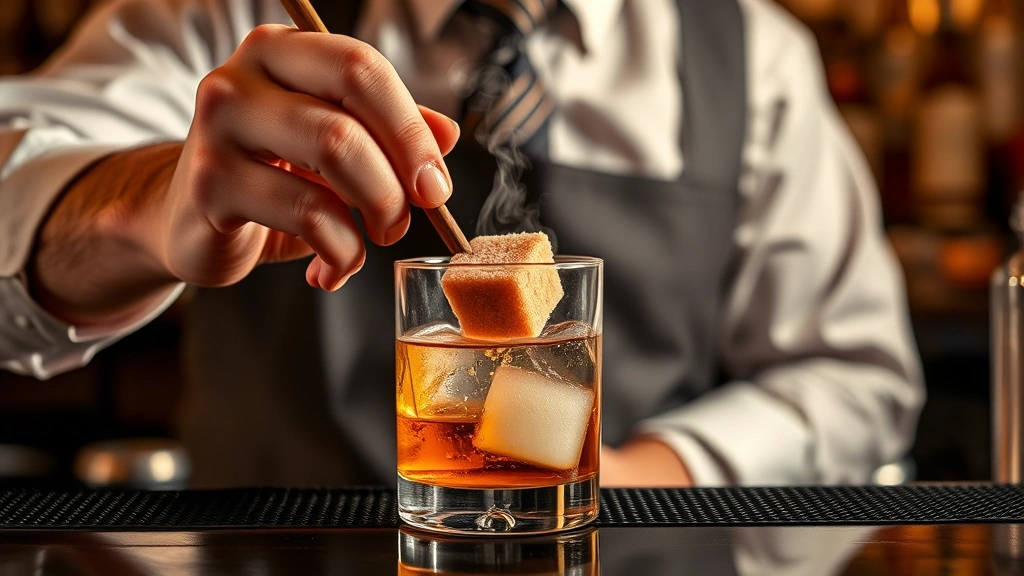
The technique matters as much as the ingredients. Proper execution begins with placing the sugar cube in a mixing glass and adding the bitters. Gently muddle this combination—the goal is to dissolve the sugar and release the bitters’ aromatics, not to aggressively crush everything. This delicate interaction between components requires patience and precision.
Add a splash of water to continue dissolving the sugar, then fill the glass with large ice cubes. Pour the whiskey over the ice and stir for approximately 30 seconds. The stirring motion chills the drink while slightly diluting it with water from the melting ice, creating the perfect balance of flavors.
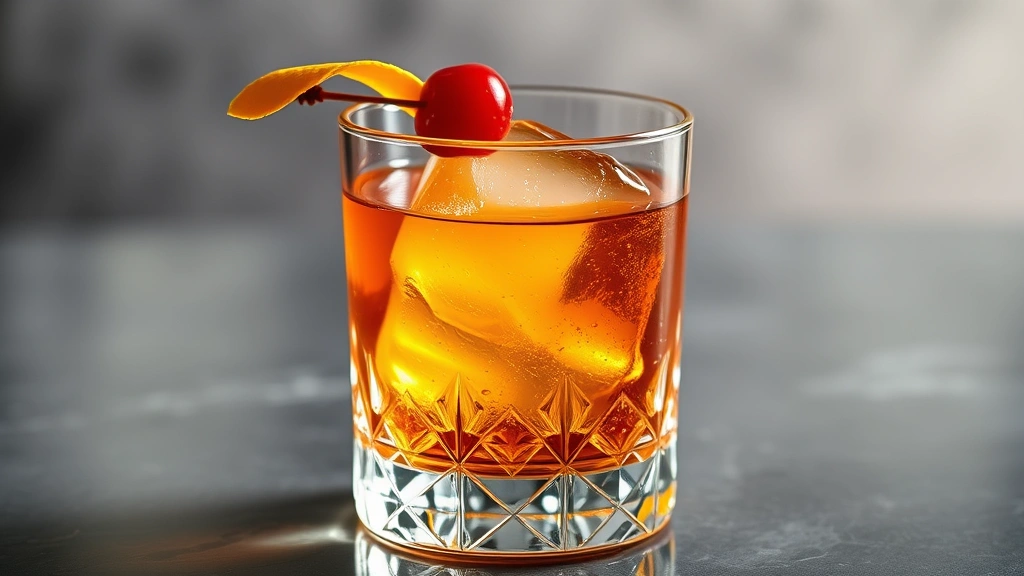
Strain the cocktail into a fresh rocks glass filled with a large ice cube. Express the orange peel oils over the drink by twisting it over the surface, then drop it in as garnish. The fresh orange oils brighten the bitters’ aromatic qualities and add visual appeal.
For variations, substitute the sugar with honey syrup for a smoother, slightly sweeter drink, or try using maple syrup for a more complex flavor profile. Experiment with different whiskey types—bourbon provides sweetness and vanilla notes, while rye offers spiciness and dryness that can highlight different aspects of your bitters selection.
Bartender Techniques and Pro Tips
The Dash Technique separates amateur from professional bartenders. A proper dash of bitters requires holding the bottle at a specific angle and using a quick flicking motion with your wrist. This produces approximately 5-6 drops per dash, providing consistency across multiple drinks. Practice this movement until it becomes second nature.
Temperature Control significantly impacts how bitters integrate into your cocktail. Some bartenders chill their mixing glasses before beginning, ensuring the bitters remain potent rather than being diluted by warm glass. This attention to detail may seem minor but produces noticeably better results.
Layering Bitters involves using multiple types in a single cocktail to create complexity. For example, combining 2 dashes Angostura with 1 dash orange bitters creates a more interesting flavor profile than either alone. Professional bartenders often develop signature combinations that become signatures of their establishments.
Timing Matters when adding bitters to your Old Fashioned. Adding them early in the preparation allows the flavors to meld with the sugar and water, creating a more cohesive drink. Some bartenders add a final dash after pouring the whiskey for an additional aromatic layer.
Water Quality affects how bitters perform. Using filtered water rather than tap water prevents chlorine or mineral flavors from interfering with the bitters’ delicate botanical notes. This seems like a small detail, but professional bars often use premium water systems for this exact reason.
Glassware Selection influences the drinking experience. A proper rocks glass with thick walls provides insulation, keeping the drink at optimal temperature longer. The glass’s shape also affects how you experience the bitters’ aromatics as you drink.
Understanding how different elements interact in complex systems helps bartenders make decisions that seem intuitive but are actually grounded in scientific principles. Each choice from bitters selection to glassware contributes to the final product.
Common Mistakes When Using Bitters
Overusing Bitters represents the most frequent mistake amateur bartenders make. The assumption that more bitters create better flavor leads to drinks that taste medicinal and unbalanced. Professional bartenders understand that bitters are meant to enhance, not dominate. Stick to 2-4 dashes maximum for a standard Old Fashioned.
Using Old or Stale Bitters produces disappointing results. If you’ve had the same bottle of bitters for several years, it’s time for replacement. Oxidation and evaporation gradually diminish their potency, requiring you to use more to achieve the same effect—which then creates the overuse problem mentioned above.
Neglecting to Muddle Properly means the sugar doesn’t fully dissolve and incorporate with the bitters. This results in a grainy texture and uneven flavor distribution. Gentle, controlled muddling creates the proper foundation for the entire drink.
Ignoring Whiskey Selection overlooks how bitters interact with different spirit types. Bourbon-based Old Fashioneds benefit from aromatic bitters’ warmth, while rye whiskey pairs better with slightly spicier bitters profiles. Consider the whiskey’s characteristics when selecting bitters.
Failing to Experiment keeps home bartenders from discovering their preferences. Professional bartenders taste multiple bitters combinations to understand what works best with their chosen spirits and glassware. Treat bitters selection as an ongoing learning process.
Storing Bitters Improperly accelerates their decline. Keep bottles away from heat, light, and humidity. Store them in a cool cabinet rather than on a sunny shelf or near your stove. Proper storage extends shelf life and maintains flavor quality.
Learning from these common mistakes helps you develop the skills that professional bartenders cultivate through years of practice. Each drink you prepare teaches lessons about balance, technique, and ingredient interaction.
FAQ
Can I make my own old fashioned bitters at home?
Yes, making homemade bitters is entirely possible and increasingly popular among enthusiasts. The process involves steeping dried botanicals, spices, and herbs in high-proof alcohol for 2-4 weeks, then straining and bottling. However, achieving the complexity and consistency of commercial bitters requires experimentation and patience. Start with small batches using recipes from reputable sources before attempting large-scale production.
What’s the difference between aromatic bitters and other types?
Aromatic bitters contain a broader blend of spices and herbs, making them versatile for many cocktails. Other types like orange or chocolate bitters focus on specific flavor profiles, working better in particular applications. For classic Old Fashioned cocktails, aromatic bitters remain the traditional choice, though many bartenders use combinations of types.
How many dashes of bitters should I use in an Old Fashioned?
The standard recommendation is 2-4 dashes, depending on personal preference and bitters potency. Start with 2 dashes, taste, and adjust upward if desired. Remember that bitters are potent—you can always add more, but you can’t remove them once they’re incorporated.
Are Angostura bitters the only option for Old Fashioned cocktails?
While Angostura remains the classic choice and what most bartenders reach for first, numerous excellent alternatives exist. Peychaud’s, Regan’s Orange Bitters, and various craft bitters can create interesting variations. Professional bartenders often maintain multiple types to accommodate different preferences and create signature drinks.
Do bitters expire or go bad?
Bitters don’t truly expire like perishable food, but they do lose potency over time. An unopened bottle maintains quality for years, but opened bottles gradually oxidize. Most bartenders replace bottles after 3-5 years of regular use to maintain flavor consistency. If bitters taste flat or muted, they’ve likely lost potency and should be replaced.
Can I substitute bitters with other ingredients?
While you technically can make an Old Fashioned without bitters, the drink loses its characteristic complexity and balance. Some bartenders use angostura-style syrups or liquid bitters alternatives, but these typically don’t provide the same depth. For the authentic experience, quality bitters are worth the investment.
Why do bartenders stir Old Fashioneds rather than shake them?
Stirring gently chills and dilutes the drink while maintaining its silky texture and preventing excessive aeration. Shaking aerates the cocktail and incorporates more ice shards, changing the mouthfeel and flavor profile. For spirit-forward drinks like Old Fashioneds, stirring is the correct technique that professional bartenders employ.

Related Posts
Perfect Old Fashioned Donut: Baker’s Secrets
Old Fashioned Chocolate Pie Recipe? Chef’s Favorite