Winter Makeup Tips for Men: Expert Advice
Winter Makeup Tips for Men: Expert Advice for Cold Weather Grooming
Winter brings unique challenges to any grooming routine, and men’s makeup is no exception. Cold temperatures, dry air, and harsh winds can wreak havoc on your complexion, making it essential to adapt your beauty regimen for the season. Whether you’re new to men’s makeup or a seasoned pro, understanding how winter affects your skin and makeup application is crucial for maintaining a polished, healthy appearance throughout the coldest months.
The winter season demands more than just bundling up—it requires a strategic approach to skincare and makeup application. From moisturizing foundations to protective primers, the products and techniques you use now can make the difference between looking fresh and looking flaky. This comprehensive guide will walk you through everything you need to know about maintaining your makeup routine when temperatures drop.
Understanding Winter’s Impact on Male Skin
Winter weather creates a perfect storm for skin problems. The combination of cold outdoor air, heated indoor environments, and reduced humidity levels strips moisture from your skin’s protective barrier. For men who wear makeup, this means your base products may not adhere properly, and any existing skin issues can become more pronounced.
Male skin tends to be naturally oilier than female skin due to higher testosterone levels, but winter can paradoxically create combination skin conditions. Your T-zone might remain oily while your cheeks become dry and flaky. Understanding this seasonal shift is the first step toward adjusting your grooming approach for optimal results. The cold also causes blood vessels to constrict, potentially giving your complexion a dull, tired appearance that makeup must work harder to correct.
Additionally, winter wind can cause irritation and inflammation, making your skin more sensitive to makeup ingredients. This is why many men notice they become more reactive to products during winter months that worked fine in summer. The dry air also accelerates skin cell turnover, leading to potential flaking beneath your makeup application.

Essential Winter Skincare Foundation
Before applying any makeup, you must establish a solid skincare routine. Winter skincare is the invisible foundation that allows your makeup to look flawless. Begin with a gentle cleanser that won’t strip your skin—avoid products with harsh sulfates that exacerbate dryness. Cleanse twice daily, but keep it simple and non-abrasive.
Exfoliation becomes even more important in winter, but approach it carefully. Use a gentle chemical exfoliant (like one containing AHAs or BHAs) 2-3 times per week to remove dead skin cells that would otherwise create a bumpy texture under makeup. Physical exfoliants can be too harsh during winter months, so chemical options are preferable.
The most critical step is moisturization. Invest in a rich, hydrating moisturizer specifically formulated for your skin type. Men with naturally oily skin should look for lightweight, oil-free hydrating formulas, while those with combination skin benefit from layering a hydrating toner under a mattifying moisturizer. Apply moisturizer to damp skin immediately after cleansing to lock in water content. Many makeup enthusiasts find that dermatologist-recommended products perform better during winter extremes.
Consider adding a hydrating serum or essence to your routine. These products work beneath moisturizer to plump skin and create a smoother canvas for makeup application. Look for ingredients like hyaluronic acid, glycerin, or peptides that boost skin hydration. Allow these products to fully absorb (about 60 seconds) before applying moisturizer on top.
Choosing the Right Winter Makeup Products
Winter requires a complete reassessment of your makeup product selection. The foundation that worked perfectly in summer may feel heavy, patchy, or emphasize dry patches in winter. Look for formulas specifically designed for hydration rather than matte finishes.
For foundation, consider switching to a dewy or satin finish formula rather than matte. Hydrating foundations contain moisturizing ingredients and typically have a more fluid consistency that blends seamlessly over dry skin. BB creams and tinted moisturizers are excellent winter alternatives because they provide coverage while delivering hydration. Brands focused on men’s grooming innovation increasingly offer winter-specific formulations.
Primer selection is equally crucial. Winter requires hydrating primers that create a moisture-rich base rather than pore-minimizing primers that can feel drying. Silicone-based hydrating primers work beautifully in cold weather, creating a slip-resistant base that helps makeup last longer despite temperature fluctuations and wind exposure.
Concealer should also shift toward hydrating formulas. Cream concealers outperform powder versions in winter because they won’t settle into fine lines or emphasize dry patches. Choose shades slightly lighter than your skin tone for undereye application, and blend carefully to avoid obvious demarcation lines.
For powder products, use them sparingly if at all during winter. If you must use powder to set makeup, choose finely-milled translucent options and apply with a light hand. Many men find that skipping powder entirely and relying on setting spray instead produces better winter results. When you do need coverage for blemishes or redness, use cream-based products rather than powder formulas.
Application Techniques for Cold Weather
Winter makeup application requires modified techniques to accommodate seasonal skin changes. Begin with your skincare routine at least 15 minutes before applying makeup, allowing all products to fully absorb and set. This prevents makeup from sliding off or becoming patchy.
Apply primer to clean, moisturized skin, focusing on areas prone to dryness. Gently press primer into skin rather than rubbing, which can disturb your skincare layer. Allow primer to set for 1-2 minutes before moving to foundation.
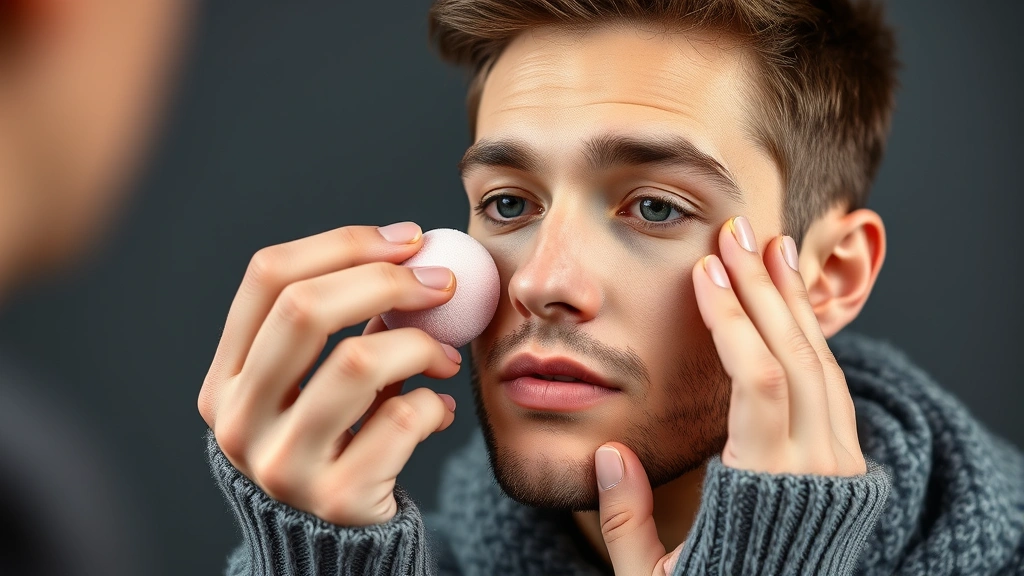
For foundation application, use a damp beauty sponge rather than brushes or fingers. Damp sponges help foundation meld with skin and prevent streaking or patchy coverage. Work in small sections, pressing rather than dragging product across your face. This technique is particularly important over dry areas—gentle pressing helps foundation adhere without emphasizing texture.
Apply foundation in thin layers rather than one thick coat. Build coverage gradually, focusing on areas that need it most (typically around the nose and any blemish areas). This approach looks more natural and prevents the heavy, mask-like appearance that can result from applying too much product at once.
When applying concealer, use a gentle stippling motion with your ring finger (which applies the least pressure) to blend it seamlessly. Avoid dragging or rubbing concealer, which can disturb foundation and create obvious lines. Set concealer with a light mist of setting spray rather than powder for a more natural finish.
Protecting Your Makeup Throughout the Day
Winter weather presents ongoing challenges to makeup longevity. Wind, temperature fluctuations, and indoor heating all work against your makeup staying put. Invest in a quality setting spray that hydrates rather than dries skin. Hydrating setting sprays are specifically formulated for winter use and help lock makeup in place while maintaining a natural appearance.
Throughout the day, resist the urge to touch your face. Winter can make skin feel tight or uncomfortable, tempting you to adjust your makeup or apply more moisturizer. Each time you touch your face, you risk smudging makeup and disturbing your carefully applied base. Instead, keep blotting papers and a facial mist in your bag for quick refreshes.
When transitioning between outdoor cold and heated indoor environments, give your skin time to adjust. The rapid temperature changes can cause makeup to shift or become patchy. In bathrooms or warm indoor spaces, use blotting papers to absorb excess oil without disrupting makeup. A light dusting of translucent powder in oily areas (typically the T-zone) can help maintain a fresh appearance without looking overdone.
Protect your makeup from wind and cold by using a scarf or high-collar jacket when possible. This not only shields your face from harsh weather but also reduces the friction between your makeup and environmental elements. If you’re active outdoors, consider bringing a compact mirror and touch-up products for mid-day refreshes.
Winter Makeup Removal and Recovery
Proper removal is essential for maintaining healthy skin throughout winter. Never sleep with makeup on, as this prevents your skin’s natural overnight recovery process and can exacerbate winter dryness and sensitivity. Use a gentle makeup remover formulated for your skin type.
Oil-based makeup removers work exceptionally well in winter because they dissolve makeup without stripping skin of natural oils. Micellar water is another excellent option for those preferring lighter formulas. Apply your chosen remover to a soft cloth and gently wipe away makeup with minimal rubbing.
Follow makeup removal with your regular cleanse using a gentle facial cleanser. This two-step process ensures all makeup residue is removed without over-cleansing. After cleansing, immediately apply your hydrating toner, serum, and moisturizer while skin is still slightly damp.
Consider incorporating a weekly hydrating face mask into your routine during winter months. These intensive treatments provide extra moisture and help repair any damage from makeup wear and environmental stress. Apply masks to clean skin and leave on for the recommended time (typically 10-20 minutes) before following with your regular moisturizer.
Your lips also need winter protection. The skin on lips is thinner and lacks oil glands, making them particularly vulnerable to dryness and cracking. Use a hydrating lip balm throughout the day and apply a richer lip treatment before bed. If you wear tinted lip products, ensure they have hydrating properties and won’t emphasize dry patches. Many men overlook scientific skincare approaches to lip care, but winter makes this essential.
Recovery also means listening to your skin. If you notice increased sensitivity, redness, or irritation, scale back your makeup use temporarily and focus on healing your skin barrier. Sometimes the best winter makeup routine includes makeup-free days that allow your skin to fully breathe and recover. This balanced approach prevents cumulative damage and keeps your complexion healthy year-round.
FAQ
Should men wear different makeup in winter versus summer?
Yes, absolutely. Winter requires hydrating, dewy-finish products while summer benefits from matte, oil-control formulas. Your entire routine should shift seasonally to address changing skin conditions and environmental factors.
What’s the best foundation for men’s winter makeup?
Hydrating foundations with satin or dewy finishes work best in winter. Look for formulas containing hyaluronic acid, glycerin, or other moisturizing ingredients. BB creams and tinted moisturizers are excellent alternatives that provide coverage with added hydration.
How often should I exfoliate during winter?
Use chemical exfoliants 2-3 times weekly during winter. Avoid harsh physical exfoliants, which can damage your skin barrier. If your skin becomes irritated, reduce exfoliation frequency or switch to gentler products.
Can I use my summer primer in winter?
Most summer primers are formulated to minimize pores and control oil, making them too drying for winter use. Switch to a hydrating primer specifically designed for cold months to create a proper base for winter makeup.
What should I do if my makeup looks patchy in winter?
Patchiness usually indicates insufficient hydration or improper application technique. Ensure you’re using hydrating skincare products and allowing them to fully absorb before makeup application. Apply foundation in thin layers using a damp sponge, building coverage gradually rather than applying one thick coat.
Is it okay to skip moisturizer if I have oily skin in winter?
No, even oily skin needs moisturizing in winter. The key is choosing the right formula—look for lightweight, oil-free hydrating moisturizers that won’t feel heavy. Your skin may actually overproduce oil in winter if it’s dehydrated, so proper hydration can actually help control excess oil.
How can I prevent my makeup from sliding off in winter wind?
Use a hydrating primer to create a slip-resistant base, apply makeup in thin layers, and set with hydrating setting spray. Additionally, protect your face from wind using scarves or high-collar clothing when possible. Throughout the day, use blotting papers rather than reapplying makeup, which can cause shifting.
What products should I keep in my bag for winter touch-ups?
Keep blotting papers, a facial mist, hydrating setting spray, and your concealer handy. A portable mirror and lip balm are also essential. These items allow you to refresh your makeup throughout the day without disrupting your carefully applied base.

Related Posts

Perfect Old Fashioned Donut: Baker’s Secrets

Old Fashioned Chocolate Pie Recipe? Chef’s Favorite