1970s Men’s Fashion: Style Tips from History
The 1970s represented one of the most transformative decades in men’s fashion history, a period when style became increasingly experimental, individualistic, and diverse. From disco fever to bohemian influences, from power suits to casual streetwear, this era shattered traditional fashion conventions and encouraged men to express themselves through bold colors, distinctive silhouettes, and statement-making accessories. Whether you’re interested in vintage styling or simply curious about how 1970s men’s fashion continues to influence modern wardrobes, understanding this pivotal decade offers valuable insights into contemporary menswear trends.
The beauty of 1970s men’s fashion lies in its democratic approach—styles weren’t dictated solely by high fashion houses but emerged from diverse subcultures, music scenes, and social movements. This article explores the essential elements that defined men’s fashion in the seventies and provides practical tips for incorporating these timeless aesthetics into your modern wardrobe.
Disco Era Glamour and Statement Pieces
The disco movement of the mid-to-late 1970s transformed men’s fashion into something utterly glamorous and unapologetic. Disco wasn’t just about the music—it was a complete lifestyle that demanded fashion to match its energy. Men embraced shiny fabrics, metallic accents, and form-fitting silhouettes that would have been unthinkable in previous decades. Polyester became the fabric of choice, offering that lustrous sheen that caught the light on crowded dance floors.
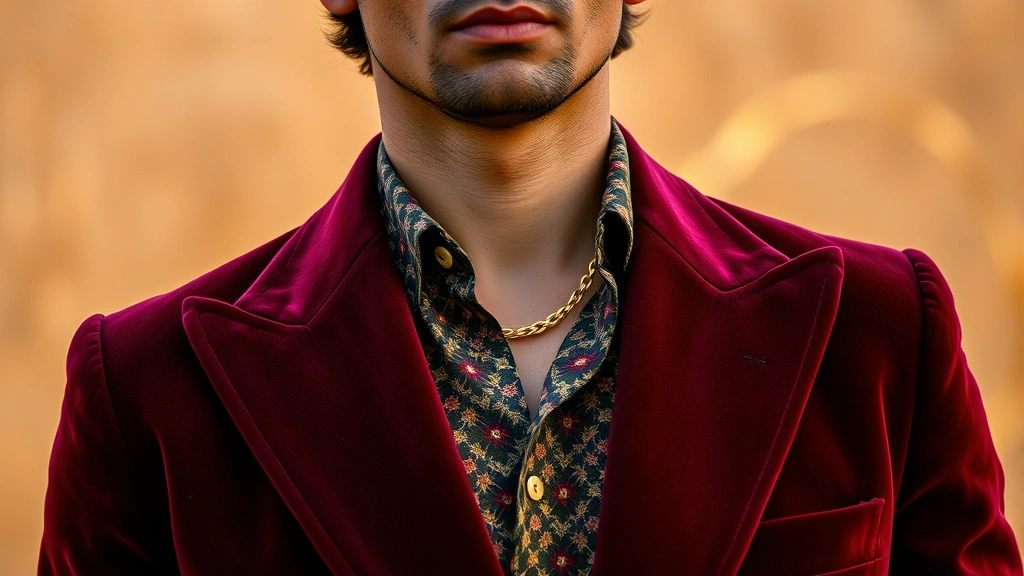
The iconic disco suit featured a wide lapel, often in contrasting colors or patterns, paired with a wide-collared shirt unbuttoned to reveal chest hair and gold chains. These suits came in every imaginable color: electric blue, burnt orange, hot pink, and gold. The key to pulling off disco style today isn’t about recreating the exact look but understanding the confidence and boldness it represented. Modern interpretations might include a well-tailored blazer in a jewel tone paired with a silk or satin shirt in a complementary shade.
Sequined and lamé fabrics appeared on dress shirts and even casual wear, creating an atmosphere of perpetual celebration. Platform shoes completed the disco ensemble, adding height and drama to the overall silhouette. If you’re interested in learning more about how cultural movements shape fashion, exploring contemporary fashion blogs can provide additional perspective on style evolution.
Bohemian and Casual Influences
While disco dominated nightlife, a parallel bohemian aesthetic thrived in casual daywear throughout the 1970s. This style drew inspiration from counterculture movements, world travel, and a rejection of rigid fashion rules. The bohemian look embraced natural fabrics, earthy tones, and relaxed silhouettes that prioritized comfort and individuality over conformity.
Denim became the foundation of bohemian style, whether worn as bell-bottom jeans, denim jackets, or full denim suits. These pieces were often embellished with embroidery, patches, or fringe, reflecting the handmade, artisanal ethos of the movement. Worn leather was equally important—leather jackets, suede vests, and weathered boots all contributed to the bohemian aesthetic. The philosophy was that clothes should tell a story and show their history through wear and patina.
Paisley prints, floral patterns, and ethnic-inspired textiles appeared on shirts, scarves, and accessories. Men wore headbands, bandanas, and long hair as part of this aesthetic. The casual bohemian look rejected the structured tailoring of traditional menswear in favor of flowing, relaxed fits that allowed for movement and natural body shape. Layering was essential—combining vests, shirts, and jackets in complementary textures and patterns created visual interest without requiring perfection.
Bold Colors and Distinctive Patterns
The 1970s abandoned the conservative color palettes that had dominated men’s fashion for decades. Suddenly, men could wear orange, lime green, rust, mustard, and burgundy without raising eyebrows. This chromatic revolution reflected broader social changes and a cultural willingness to embrace self-expression.
Patterns were equally bold. Geometric designs, abstract prints, and animal motifs appeared on shirts and ties. Plaid reached new levels of prominence, with oversized checks in unexpected color combinations becoming mainstream. Stripes—both thin and thick, vertical and horizontal—appeared on everything from dress shirts to casual wear. The key principle was that patterns didn’t need to coordinate in traditional ways; clashing prints actually became a mark of style confidence.
Color blocking, the practice of placing contrasting solid colors adjacent to each other, created striking visual effects. A shirt might feature a burgundy chest and sleeves with a mustard body, or color blocking could appear in stripes and panels throughout the garment. This approach to color and pattern reflected the decade’s optimism and rejection of understated elegance in favor of bold self-presentation. Understanding how colors interact and complement each other remains valuable knowledge for modern styling.
Key Silhouettes and Fits
The silhouettes of 1970s men’s fashion were dramatically different from what came before and after. Wide lapels on blazers and jackets became standard, often reaching 4-5 inches in width. These exaggerated proportions created a distinctive look that immediately signals the era to modern observers. Shoulder construction remained structured and padded, creating a strong, defined silhouette.
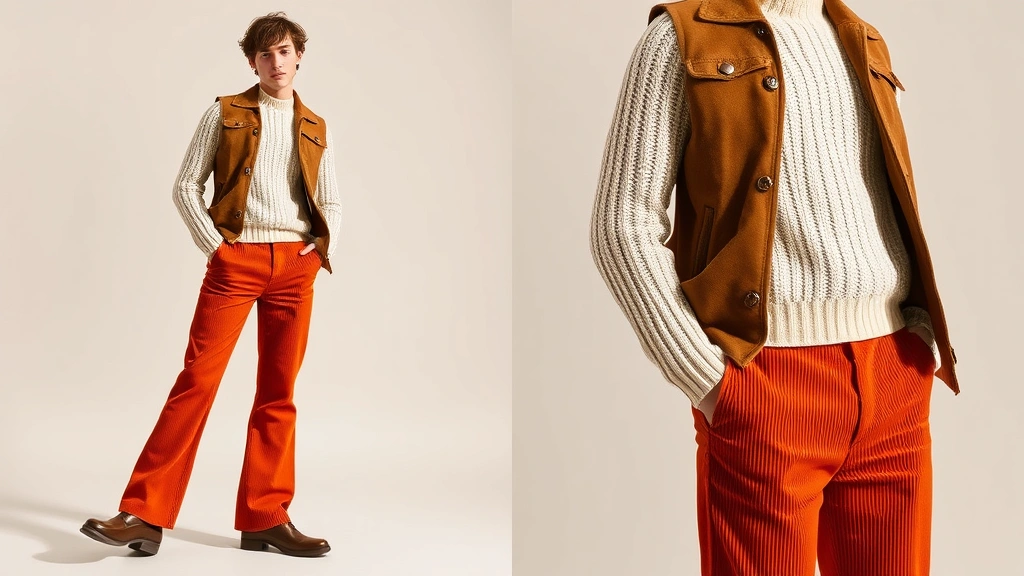
Bell-bottom and flare pants dominated the decade, with inseams widening significantly from knee to ankle. The dramatic flare created a balanced proportion with the wide-lapeled jackets and oversized shirts. Even dress pants adopted this shape, making the silhouette instantly recognizable. The width of these pants created a different way of moving and standing, contributing to the overall aesthetic.
Shirts featured oversized, pointed collars that extended several inches down the chest. These collars could be quite dramatic, sometimes appearing almost wing-like. Sleeves were often wider and longer, sometimes featuring cuffs that extended past the wrist. Vest styles included both structured tailored pieces and soft, unstructured options that draped over the body.
The overall silhouette was generous and voluminous compared to both preceding and following decades. This wasn’t about hiding the body but rather creating a distinctive shape that announced itself. Modern styling can incorporate these proportions selectively—pairing one oversized element with more fitted pieces creates visual interest without fully committing to 1970s proportions.
Essential Accessories
Accessories were absolutely crucial to completing 1970s men’s fashion looks. Ties featured wide knots and bold patterns, often in silk with sheen. Some ties incorporated metallic threads or three-dimensional textures. Scarves worn around the neck added color and sophistication, whether in silk or cotton.
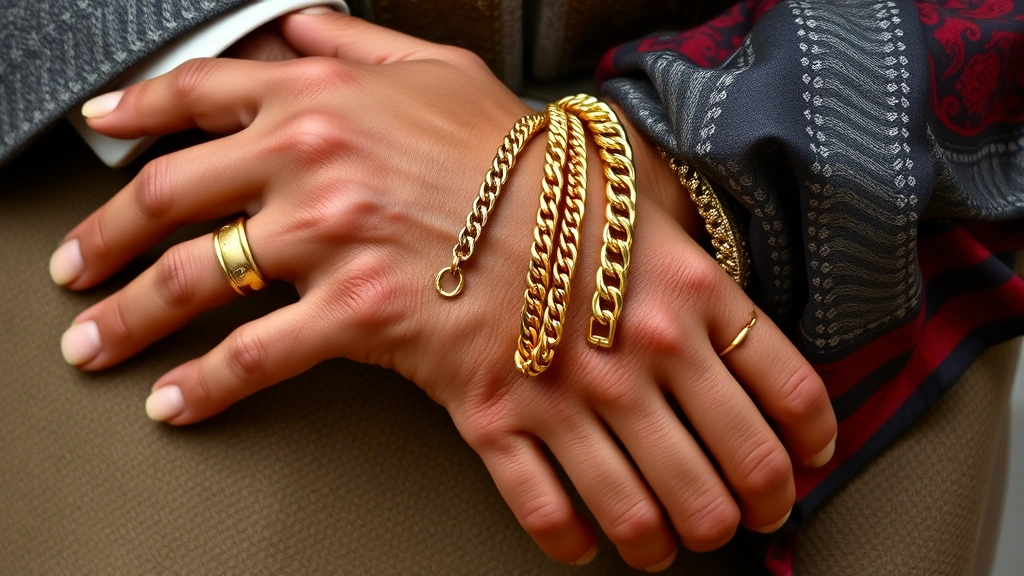
Jewelry became more prominent in men’s fashion during the 1970s. Gold chains worn visibly over the chest, often layered in varying lengths, signaled style confidence and sophistication. Rings, particularly chunky statement rings in gold, were worn on multiple fingers. Bracelets, both bangles and chain styles, added to the overall look. This wasn’t considered feminine but rather an expression of personal style and status.
Hats experienced a renaissance in the seventies. Wide-brimmed hats, bucket hats, and fedoras all appeared regularly in street style. Caps with bold patterns or embroidery provided casual alternatives. Headbands and bandanas served both functional and aesthetic purposes, keeping hair in place while adding visual interest.
Belts were statement pieces, often featuring large buckles in various metals and designs. Some buckles were ornate and sculptural, while others featured Western-inspired designs or bold graphics. The belt was an opportunity to add another layer of personality and pattern to an outfit.
Footwear Essentials
Footwear in the 1970s ranged from practical to purely theatrical. Platform shoes, the most iconic footwear of the era, appeared in various styles from dress shoes to casual sneakers. These platforms added 1-2 inches of height and created a distinctive silhouette when paired with flared pants. The platforms were often wrapped in different materials or featured contrasting colors.
Boots were another essential style, appearing in suede, leather, and fabric. Cowboy boots influenced by country music and Western aesthetics became mainstream fashion items. Knee-high boots, particularly in suede, offered a more bohemian option. Lace-up boots in various styles provided versatility for different occasions.
Casual sneakers evolved during the 1970s, with canvas and suede options in various colors and designs. Athletic-inspired shoes began transitioning from purely functional to fashion items. Loafers, particularly in suede and various colors, offered a more relaxed alternative to traditional formal footwear.
Sandals and open-toed options appeared in bohemian contexts, often paired with casual, relaxed outfits. Leather sandals with decorative straps or embellishments fit the aesthetic of handcrafted, individualistic style.
Modern Styling Tips
Incorporating 1970s men’s fashion elements into contemporary wardrobes requires thoughtful curation rather than literal recreation. The key is understanding the underlying principles: boldness, individuality, and confidence in self-expression.
Start with One Statement Piece: Rather than committing to a full 1970s look, begin with a single distinctive item. This might be a blazer with wide lapels in a jewel tone, flared trousers in a bold color, or a patterned shirt with an oversized collar. Build your outfit around this piece using more contemporary items.
Play with Proportions: Modern tailoring offers more fitted options than the 1970s, so mixing proportions creates visual interest. Pair slightly flared trousers with a more fitted shirt, or wear an oversized blazer with slim-fitting pants. This approach feels contemporary while nodding to the era.
Color Coordination: Don’t be afraid of bold colors and unexpected combinations. The 1970s proved that colors once considered clashing could work beautifully together. Experiment with earth tones, jewel tones, and warm hues in ways that feel authentic to your personal style.
Accessorize Intentionally: Gold jewelry, scarves, and distinctive belts can add 1970s flair without overwhelming a modern outfit. A gold chain worn visibly or layered gold bracelets can signal style sophistication and confidence.
Embrace Texture: The 1970s used varied textures—suede, silk, corduroy, denim, leather—to create visual and tactile interest. Mixing textures adds depth to outfits in ways that solid colors alone cannot achieve.
Understanding the broader context of how fashion evolves helps inform styling choices. For additional perspective on cultural influences on contemporary style, you might explore discussions about how human activities shape culture and fashion, which provides context for understanding social movements and their aesthetic expressions.
FAQ
What are the most iconic 1970s men’s fashion pieces I can wear today?
The most wearable 1970s pieces for modern contexts include flared or slightly wide-leg trousers, oversized blazers with notched lapels in jewel tones, patterned shirts with interesting collars, suede or leather jackets, and platform or chunky-soled shoes. Start with one piece and build your outfit around it for a contemporary interpretation.
How do I style 1970s fashion without looking like I’m wearing a costume?
The key is mixing eras. Pair a 1970s-inspired piece with contemporary items in neutral colors or modern silhouettes. For example, wear flared trousers with a fitted modern shirt, or a vintage-style blazer with slim contemporary pants. This approach feels intentional and stylish rather than costume-like.
Are bell-bottom pants still fashionable?
Yes, flared and bell-bottom silhouettes have returned to mainstream fashion periodically. Modern versions often feature more moderate flares than the extreme 1970s versions, making them more wearable for contemporary contexts. They work particularly well with platform or chunky-soled shoes and oversized tops.
What colors were most popular in 1970s men’s fashion?
Earth tones like rust, mustard, burnt orange, and olive green were extremely popular, alongside jewel tones like emerald, sapphire, and burgundy. Warm colors generally dominated the decade, though disco fashion embraced metallics and brighter neons. Neutral tones like brown, tan, and cream also appeared frequently.
How do I incorporate 1970s style without looking dated?
The secret is selectivity and mixing eras. Choose one or two 1970s-inspired elements per outfit and balance them with contemporary pieces. Focus on quality fabrics and tailoring rather than exact historical recreation. This approach allows you to draw inspiration from the era while maintaining a modern aesthetic that feels fresh and intentional.
What’s the best way to wear a wide-collar shirt today?
Modern styling of wide-collar shirts works best when paired with contemporary tailoring. Wear it buttoned partially or fully with a fitted blazer, or tuck it into slim trousers for a balanced silhouette. Oversized, unstructured wear of wide-collar shirts also works in casual contexts, provided other pieces feel intentional rather than accidentally oversized.

Related Posts

Perfect Old Fashioned Donut: Baker’s Secrets
Old Fashioned Chocolate Pie Recipe? Chef’s Favorite