Harlem Renaissance Fashion: A Makeup Artist’s Guide
Harlem Renaissance Fashion: A Makeup Artist’s Guide
The Harlem Renaissance of the 1920s and 1930s stands as one of the most transformative periods in African American cultural history, and its influence on beauty and makeup aesthetics remains profoundly relevant today. This era celebrated Black creativity, elegance, and self-expression through bold fashion statements and innovative makeup artistry that challenged conventional beauty standards. For modern makeup artists, understanding the makeup techniques, color palettes, and beauty philosophies of this golden age opens doors to creating authentic period looks while celebrating a pivotal moment in cultural history.
During the Harlem Renaissance, makeup wasn’t merely about enhancement—it was a powerful form of artistic expression and cultural resistance. Women and men alike embraced dramatic eye makeup, bold lip colors, and sculptural contouring techniques that emphasized their unique features. The makeup artists of this era understood that beauty could be a statement, a rebellion, and a celebration all at once. Today’s makeup professionals can draw tremendous inspiration from these groundbreaking techniques while incorporating them into contemporary looks for theatrical productions, themed events, editorial shoots, and personal artistry.
The Cultural Context of Harlem Renaissance Beauty
Understanding Harlem Renaissance fashion requires grasping the social and political landscape that shaped beauty ideals during this transformative period. The Great Migration brought African Americans to Northern cities seeking economic opportunity and freedom from Jim Crow laws. Harlem became a cultural epicenter where artists, musicians, writers, and performers created work that celebrated Black identity and challenged racist beauty standards that had long marginalized Black features.
Makeup during the Harlem Renaissance served as a form of resistance against Eurocentric beauty standards. Rather than attempting to conform to pale, delicate aesthetics, Black women and men embraced deeper skin tones, bolder features, and dramatic makeup applications. Makeup artists became cultural figures, developing techniques that emphasized the natural beauty of dark skin tones while creating striking, memorable looks. This philosophy—that Black beauty needed no apology and deserved celebration—fundamentally transformed how makeup was conceptualized and applied.
The era’s beauty culture also intersected with sustainable fashion brands and beauty practices, as artists worked with natural pigments and organic materials. Many makeup artists of the period created custom formulations using mineral-based products, plant extracts, and natural oils that worked harmoniously with skin rather than against it. This approach to beauty—working with rather than against one’s natural features—remains a cornerstone of ethical makeup artistry today.
Signature Eye Makeup Techniques
The eye makeup of the Harlem Renaissance was nothing short of revolutionary. Makeup artists developed distinctive techniques that created drama, depth, and sophistication while celebrating the natural shape and color of Black eyes. These techniques remain essential knowledge for any makeup artist seeking to honor this aesthetic tradition.
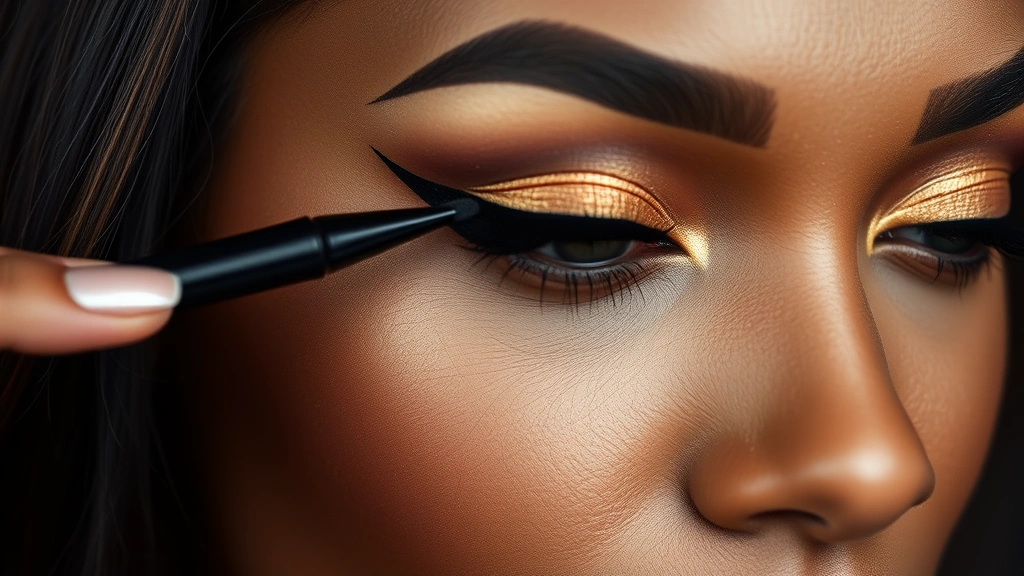
Kohl and Liner Application formed the foundation of Harlem Renaissance eye makeup. Artists used bold black or deep brown kohl pencils to define the upper lash line with precision, often extending the line slightly beyond the natural eye shape to create an elongated effect. The lower lash line received equally dramatic treatment, with kohl applied close to the lash line to create definition and depth. This technique made eyes appear larger, more expressive, and more commanding—qualities that aligned with the era’s celebration of bold self-presentation.
Eyeshadow application during this period emphasized monochromatic and complementary color schemes. Makeup artists frequently used deep golds, rich bronzes, warm browns, and jewel tones like emerald and sapphire to enhance the natural undertones of darker skin. Rather than blending multiple colors, artists often applied shadow in concentrated areas to create dramatic visual impact. The inner corner of the eye might receive a touch of shimmer, while the crease and lid received deeper, more saturated color.
Eyebrow artistry was equally important. The Harlem Renaissance favored defined, arched eyebrows that created a strong frame for the face. Makeup artists used pencils and powders to create brows with clean lines and deliberate shape, often extending the arch slightly higher than the natural brow bone. This technique lifted the entire face and created the sophisticated, polished appearance that characterized the era’s aesthetic.
The application of mascara was another signature element. Heavy, dramatic mascara—sometimes applied in multiple coats—created thick, voluminous lashes that opened up the eye area. Some makeup artists of the period even applied mascara to lower lashes with particular care, creating a balanced, striking look that commanded attention.
Lip Color Mastery and Bold Statements
Perhaps no element of Harlem Renaissance makeup is more iconic than the bold lip color. During this era, lip makeup transcended simple enhancement and became a statement of identity, confidence, and artistic vision. Makeup artists developed sophisticated techniques for selecting, applying, and wearing lip color that remain relevant for contemporary artistry.
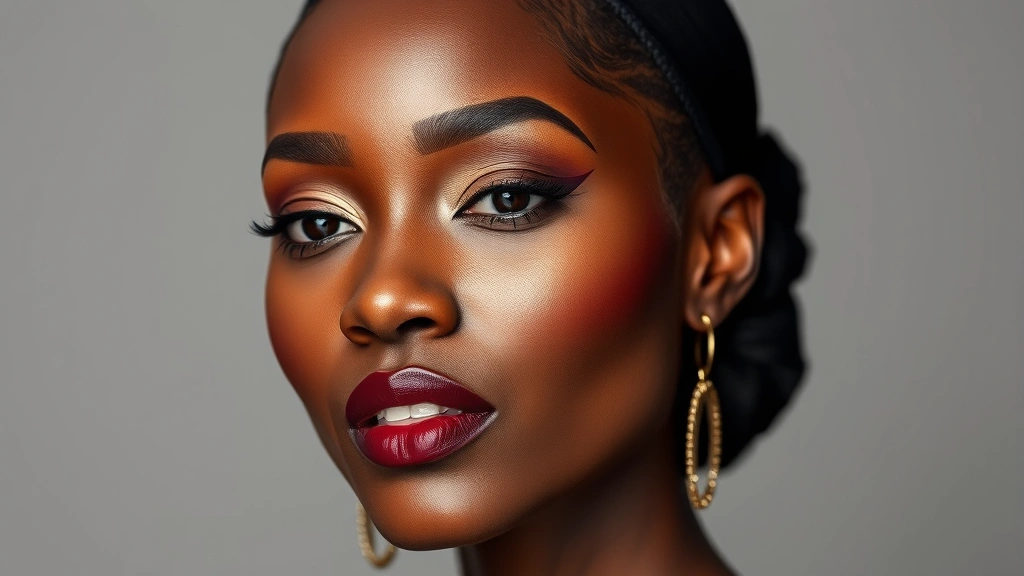
Deep reds and burgundies dominated the Harlem Renaissance lip palette. These rich, warm-toned colors complemented darker skin tones beautifully while conveying sophistication and power. Makeup artists understood that lip color wasn’t one-size-fits-all; they carefully selected shades that harmonized with individual skin undertones, whether warm, cool, or neutral. A woman with warm undertones might wear a true red with orange notes, while someone with cooler undertones received a blue-toned red or burgundy.
The application technique was meticulous. Makeup artists used lip liners—often in matching or slightly darker shades—to create precise lip outlines. This served both practical and aesthetic purposes: it prevented feathering and ensured color stayed exactly where applied, while also creating definition that made lips appear fuller and more sculpted. The lip liner was drawn along the natural lip line but sometimes slightly overdrew the corners to create an enhanced lip shape.
Lip color application itself required skill and precision. Artists used brushes to apply color evenly across the entire lip surface, ensuring no streaks or uneven patches. Some looks incorporated darker color at the lip line with slightly lighter color in the center, creating dimension and depth. This technique, when executed skillfully, made lips appear three-dimensional and voluminous.
Beyond red, makeup artists during the Harlem Renaissance also employed plum, wine, and mauve tones for evening looks and theatrical performances. These jewel-toned lip colors created a sophisticated, mysterious quality that complemented the era’s glamorous nightlife scene. The color selection always considered the overall look—eye makeup, clothing, and occasion—ensuring harmonious, intentional beauty.
Skin Preparation and Base Makeup
Successful makeup application always begins with proper skin preparation, and Harlem Renaissance makeup artists understood this principle intimately. Despite limited commercial products compared to today’s standards, artists developed effective techniques for creating smooth, luminous skin that served as the perfect canvas for dramatic eye and lip makeup.
Cleansing and moisturizing formed the foundation of preparation. Makeup artists used gentle cleansers and rich oils or creams to ensure skin was clean, hydrated, and supple. This created a smooth surface for makeup application while ensuring the skin remained healthy and nourished throughout the day or evening. Many artists preferred natural oils like coconut, jojoba, or argan oil for their skin-conditioning properties.
Foundation application focused on achieving even skin tone while maintaining a natural, luminous finish. Rather than heavy, matte foundations, artists preferred products that allowed skin to show through while evening out discoloration and creating a unified base. Many used tinted powders or cream foundations applied sparingly with sponges or fingertips, building coverage gradually rather than applying thick layers.
The goal was a skin appearance that looked like enhanced natural skin rather than heavily made-up skin. This approach allowed the dramatic eye and lip makeup to take center stage while the base remained subtle and sophisticated. Makeup artists understood that the most striking looks often featured restraint in some areas to allow drama in others.
Powder application was minimal and strategic. Rather than powdering the entire face, artists might powder only the T-zone or areas prone to shine, preserving natural luminosity elsewhere. This technique kept skin looking fresh and alive rather than matte and powdery.
Contouring and Highlighting Methods
While modern contouring terminology didn’t exist during the Harlem Renaissance, makeup artists of the era absolutely employed shading and highlighting techniques to sculpt and define facial features. These methods, adapted for the beauty standards and skin tones of the time, created striking dimension and emphasized natural bone structure.
Shading and definition used slightly darker powders or creams applied strategically to create shadows and depth. Artists applied darker shades along the hollows of cheeks to create definition, along the sides of the nose to refine its appearance, and along the jawline to create a more sculpted look. The key was blending these shades seamlessly so they appeared as natural shadows rather than obvious makeup.
Highlighting with lighter, luminous products emphasized the high points of the face. Artists applied subtle highlight to cheekbones, the bridge of the nose, the inner corners of eyes, and above the cupid’s bow of the lips. These light-reflecting products caught light and drew attention to the most flattering areas of the face, creating a dimensional, sculpted appearance.
Blush application was another form of subtle contouring. Rather than applying blush directly to the apples of cheeks, makeup artists often applied it slightly higher and back toward the temples, creating a lifted, sculpted effect. The color selection complemented both skin tone and lip color, creating a cohesive, intentional look. Warm peach, coral, and rose tones were popular choices that worked beautifully with the era’s signature lip colors.
Creating Period-Accurate Looks Today
Modern makeup artists can create authentic Harlem Renaissance-inspired looks by understanding both the technical techniques and the philosophical approach to beauty that defined the era. Whether you’re working on theatrical productions, editorial shoots, costume events, or personal artistry, these guidelines will help you capture the essence of this transformative period.
Product selection matters tremendously. While modern makeup offers unprecedented shade ranges and formulations, choosing products that align with the era’s aesthetic enhances authenticity. Look for matte eyeshadows in warm earth tones, deep jewel tones, and true blacks. Select lip colors in deep reds, burgundies, and plums rather than cool-toned pinks. Foundation should provide medium to full coverage while maintaining a natural finish rather than an overly matte appearance.
The application sequence follows a logical progression: prepare skin, apply base makeup, define eyes, and finish with lip color. This order allows each element to build on the previous one while giving you control over intensity and impact. Start with subtle base makeup, then layer eye definition gradually, building drama with each step. This approach prevents over-application and allows for adjustments as you work.
Blending and precision are essential skills. While the Harlem Renaissance look embraces drama, it also demands precision and skill. Eyeshadow should be blended into the crease for a polished appearance, and eyeliner should be applied with confidence and steadiness. Lip color should have clean edges, and blush should be blended so it appears as a natural flush rather than obvious makeup.
Consider consulting beauty professional organizations and historical resources when preparing for period-accurate work. Understanding the historical context enriches your artistry and ensures respectful, authentic representation of this important cultural moment.
Color Palettes and Pigment Selection
Choosing the right colors forms the foundation of successful Harlem Renaissance makeup artistry. Understanding color theory and how different pigments interact with various skin tones ensures your makeup looks intentional, flattering, and historically appropriate.
Warm undertone palettes work beautifully for many skin tones. These include warm golds, bronzes, terracotta, burnt orange, and warm browns for eyeshadow. Lip colors in this family include warm reds, burnt orange-reds, and warm burgundies. These colors create harmonious, glowing looks that complement warm skin undertones while creating richness and depth.
Cool undertone palettes suit other skin tones equally well. Deep plums, cool-toned grays, cool browns, and jewel tones like emerald and sapphire create striking eye makeup. Lip colors lean toward blue-toned reds, cool burgundies, and mauve-plums. These colors create sophisticated, mysterious looks with excellent contrast against darker skin.
Neutral undertone palettes offer flexibility, working well with multiple color families. Artists with neutral undertones can wear both warm and cool colors effectively, allowing for creative experimentation across the full spectrum of Harlem Renaissance-inspired shades.
Beyond undertones, consider the saturation and depth of pigments. The Harlem Renaissance aesthetic favors rich, saturated colors rather than muted or pastel shades. Deep, true colors create the bold, confident looks that define the era. When selecting products, look for high pigment concentration and rich color payoff.
The relationship between eye color and shadow selection deserves attention. Dark brown eyes—the most common eye color among people of African descent—pair beautifully with warm golds, deep purples, emeralds, and true blacks. These colors create contrast and make eyes appear larger and more luminous. Lighter brown eyes offer even more flexibility, working well with virtually any color in the Harlem Renaissance palette.
Create cohesion by selecting colors that harmonize across eyes, lips, and cheeks. If you choose a warm-toned eyeshadow, complement it with a warm-toned lip color. If you select cool-toned eye makeup, follow with a cool-toned lip. This intentional color coordination creates polished, professional looks that appear effortlessly elegant.
Consider exploring dermatological perspectives on pigments and skin to understand how different products interact with various skin types. This knowledge enhances your ability to select products that will perform beautifully and last throughout the day or evening.
FAQ
What are the most essential products for creating Harlem Renaissance makeup?
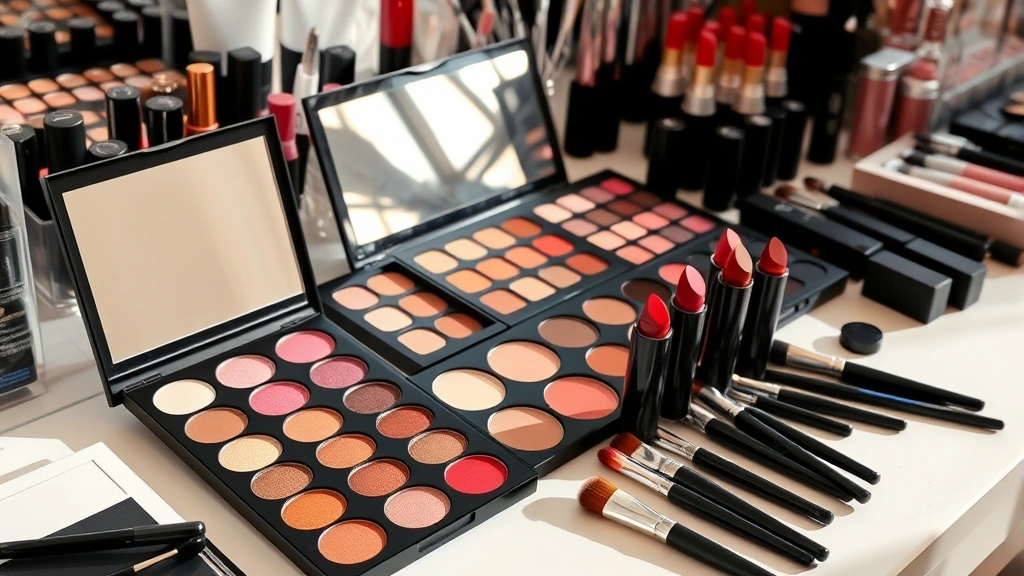
Essential products include: a quality foundation or tinted base that matches your skin tone, matte eyeshadows in warm and cool tones, black or deep brown eyeliner pencils, eyeshadow brushes for blending and application, deep red or burgundy lipstick, lip liner in a matching shade, and mascara. A good blush in warm or cool tones (depending on your palette) completes the basics. Invest in quality products with good pigmentation and lasting power.
How can I make my eyebrows look authentically Harlem Renaissance?
Define your eyebrows with precision using a brow pencil or powder. Create a strong arch that’s slightly higher than your natural brow bone. Maintain clean lines along the top and bottom of the brow. The overall shape should be bold and definitive rather than soft and natural. Practice with products until you develop confidence with the application technique.
What’s the best way to apply bold lip color without it looking messy?
Use a lip liner in a matching or slightly darker shade to outline your lips precisely before applying color. This prevents feathering and keeps color exactly where you want it. Apply lipstick with a brush rather than directly from the tube for better control and even coverage. Blot with a tissue, then apply a second coat for lasting color and depth. Set with a light powder if desired for additional longevity.
How do I choose between warm and cool-toned makeup for my skin?
Examine your skin’s undertones by looking at the veins on your wrist. Blue or purple veins suggest cool undertones; green or golden veins suggest warm undertones. If you see both equally, you likely have neutral undertones. Use this information to select eyeshadow and lip colors that harmonize with your natural coloring. When in doubt, test products on your skin in natural light before purchasing.
Can I create Harlem Renaissance looks on lighter skin tones?
Absolutely. While the era celebrated Black beauty specifically, the techniques and artistic principles translate beautifully across all skin tones. Adapt color selections based on your undertones and skin depth, but maintain the same emphasis on bold eyes, statement lips, and precise application. The philosophy of confident, intentional beauty transcends any single skin tone.
What resources can help me learn more about Harlem Renaissance history and aesthetics?
Explore books on Harlem Renaissance history and culture, museum exhibitions featuring photographs and artifacts from the era, and academic articles examining beauty standards and cultural expression. Consult Smithsonian resources on the Harlem Renaissance for authoritative historical information. Connect with makeup artists and historians specializing in period makeup for additional insights and techniques.
How do I make Harlem Renaissance makeup last throughout an event?
Begin with a well-prepared, moisturized skin base. Use a primer to help makeup adhere longer. Apply products in thin layers rather than thick applications, as layered makeup lasts longer than heavy single applications. Set eyes with a light powder and consider using an eyeshadow primer for additional longevity. Use a long-wear or waterproof mascara and lip stain followed by lipstick for lasting color. Finish with a setting spray designed for makeup to extend wear time.

Related Posts
Perfect Old Fashioned Donut: Baker’s Secrets
Old Fashioned Chocolate Pie Recipe? Chef’s Favorite