Best Lipstick Shades? Beauty Experts Weigh In
Best Lipstick Shades? Beauty Experts Weigh In
Finding the perfect lipstick shade can feel overwhelming with thousands of options available at every price point. Whether you’re searching for a bold statement color, a natural everyday shade, or something that works for every skin tone, beauty experts agree that the right lipstick can transform your entire look. The key is understanding which shades complement your undertones, skin depth, and personal style—and we’ve gathered insights from professional makeup artists and beauty dermatologists to help you navigate this colorful world.
Lipstick isn’t just about color; it’s about confidence. When you find a shade that makes you feel amazing, it shows. This comprehensive guide breaks down expert recommendations, application techniques, and trending shades that work across different seasons and occasions. We’ll explore everything from classic reds to modern mauves, ensuring you discover your signature lipstick shade.
Understanding Your Undertone
Before selecting any lipstick shade, beauty experts emphasize the importance of identifying your skin’s undertone. Your undertone—whether warm, cool, or neutral—dramatically affects which colors will look flattering. According to dermatology and beauty science resources, warm undertones typically feature golden, peachy, or olive hues beneath the surface, while cool undertones display pink, red, or bluish undertones. Neutral undertones contain a balanced mix of both.
To determine your undertone, examine the veins on your wrist. Blue or purple veins suggest cool undertones, while green veins indicate warm undertones. If you see both equally, you likely have neutral undertones. This simple test helps narrow down which lipstick families will enhance your natural coloring. Warm undertones glow beautifully in orangey-reds, warm nudes, and terracotta shades. Cool undertones pop with blue-based reds, berry tones, and cool pinks. Understanding this foundational aspect prevents purchasing lipsticks that might clash with your complexion.
Additionally, your skin depth—whether fair, medium, deep, or rich—plays an equally crucial role. A shade that’s stunning on a fair complexion might disappear on deeper skin tones, while highly pigmented colors may overwhelm lighter complexions. Beauty industry experts recommend swatching lipstick on your jawline in natural lighting to see how it interacts with your skin before purchasing.
Classic Red Shades for Every Skin Tone
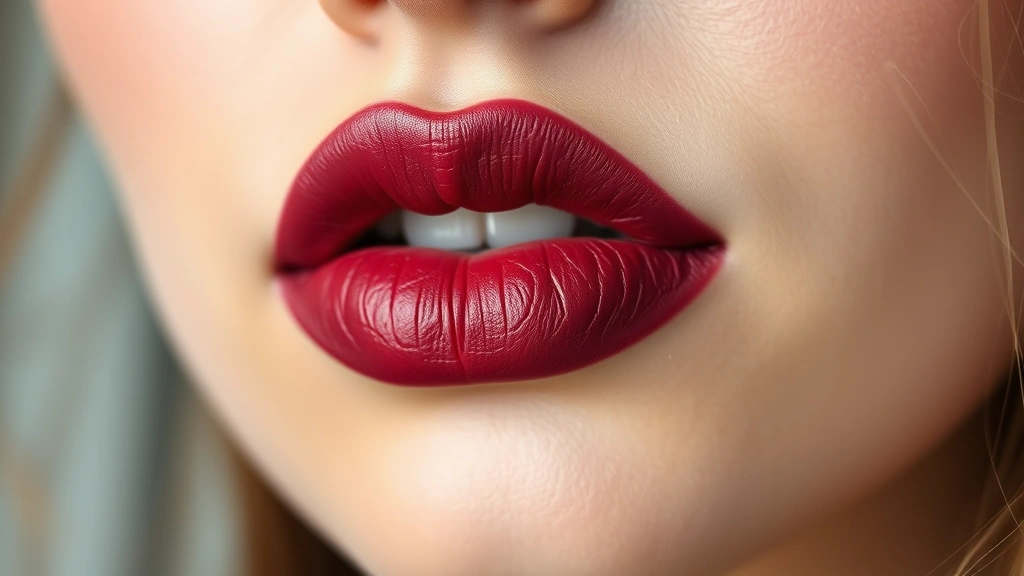
Red lipstick remains the ultimate classic, but not all reds are created equal. Professional makeup artists emphasize that finding your red is a personal journey. The most universally flattering red shades include blue-based reds (which work well on cool undertones and deeper skin tones), orange-based reds (perfect for warm undertones), and true reds (ideal for neutral undertones). Celebrity makeup artist Mario Dedivanovic notes that true red lipstick represents confidence and timelessness, making it an investment worth making.
For fair skin with cool undertones, blue-toned reds like cherry or burgundy-reds create striking contrast. Fair skin with warm undertones shines in orange-reds and tomato reds. Medium skin tones can experiment across the entire red spectrum, though warm reds often provide the most flattering results. Deep and rich skin tones are beautifully complemented by bright true reds, blue-based reds, and even burgundy shades that add dimension.
The finish matters tremendously when selecting red lipstick. A matte red conveys sophistication and drama, while a satin or cream finish offers elegance with a touch of luminosity. Glossy reds feel playful and modern. Consider the occasion when choosing your finish—professional settings might call for matte, while social events allow for more experimental textures. Many beauty enthusiasts recommend owning at least two red lipsticks: one matte for formal occasions and one glossy or satin for everyday wear.
When shopping, visit the Blog Home section for more beauty tutorials and product recommendations. You might also explore Environment and Society discussions that touch on sustainable beauty practices and ethical cosmetic production.
Nude and Natural Lipsticks
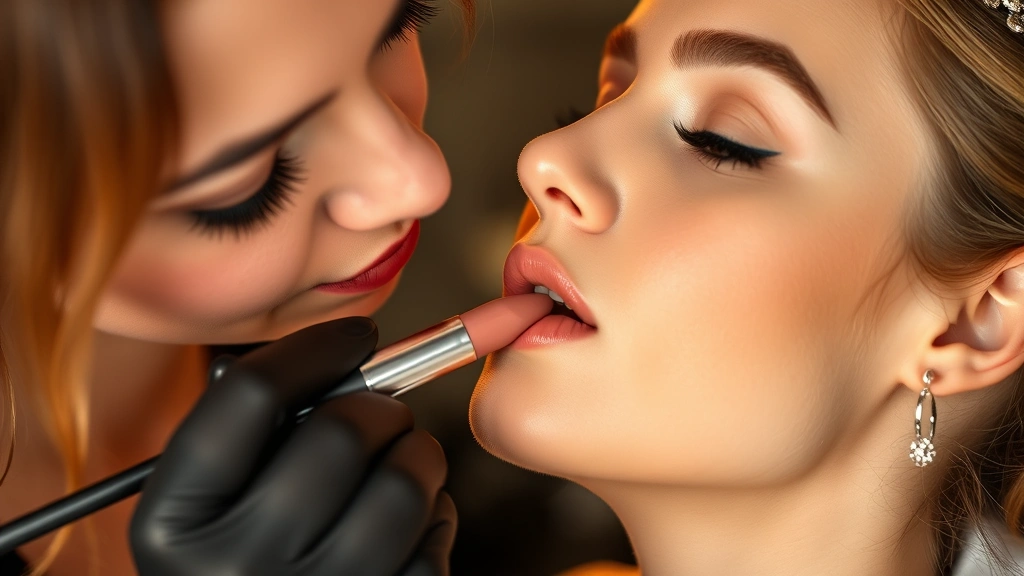
Nude lipstick deserves its reputation as a versatile staple that works across seasons and occasions. However, “nude” doesn’t mean one-size-fits-all. True nude shades should match or closely resemble your natural lip color, creating an effortless, polished appearance. The trick is finding a nude that complements rather than washes out your complexion.
Warm undertones look gorgeous in warm nudes featuring peachy, golden, or beige undertones. These shades create a seamless, natural extension of your lips while brightening your overall appearance. Cool undertones benefit from cool-toned nudes with pink or mauve undertones. Deep skin tones should explore rich nudes—warm terracotta nudes, warm browns, or even deeper mauve nudes create beautiful definition without appearing ashy.
Nude lipsticks work beautifully for minimalist makeup looks, professional settings, and everyday wear. They pair seamlessly with any eye makeup, making them ideal for those who prefer focusing on other facial features. Beauty professionals suggest investing in at least two nude shades—one for daytime and one for evening—to maximize versatility. A lighter, more sheer nude works beautifully for casual daytime looks, while a deeper, more pigmented nude adds sophistication for evening events.
The application technique for nude lipstick requires precision. Since these shades tend to emphasize lip texture, proper lip preparation becomes essential. Exfoliate gently, apply a nourishing lip balm, and consider using a lip primer to create a smooth canvas. This ensures your nude lipstick applies evenly and lasts longer throughout the day.
Bold and Trendy Colors
For those ready to make a statement, bold lipstick shades offer endless possibilities. Current trends showcase rich berries, deep plums, vibrant corals, and even unconventional shades like terracotta and rust. These colors work best when you feel confident wearing them, as bold lips naturally draw attention to your mouth.
Berry and plum shades represent some of the most universally flattering bold options. These jewel tones work across different skin tones and undertones, adding richness and dimension to your lip color. Warm undertones lean toward warm berries with red undertones, while cool undertones gravitate toward cooler plums with blue or violet undertones. Deep skin tones can wear virtually any berry shade with stunning results, while fair complexions might prefer softer berry tones to avoid overwhelming their delicate coloring.
Coral lipsticks bring playfulness and energy to your look. Warm undertones shine in warm corals with peachy or orange bases, while cool undertones benefit from coral-pink shades with less orange intensity. Coral works particularly well during spring and summer months, pairing beautifully with bronzed skin and warm-toned makeup looks. However, bold coral requires careful consideration of your undertone—the wrong coral can appear unflattering or clash with your natural coloring.
Explore Types of Environment discussions that sometimes include sustainable beauty packaging and eco-conscious cosmetic choices. For scientific perspectives on cosmetic formulations, check out Definition of Environment Science. Understanding the science behind your products helps you make informed purchasing decisions.
Cosmopolitan’s beauty section frequently features trending lipstick shades and expert recommendations for seasonal color palettes. Following beauty publications helps you stay current with emerging trends while understanding which colors work for your specific coloring.
Finish Types and Formulations
Lipstick finishes dramatically affect how a shade appears on your lips and how long it lasts throughout the day. Understanding different formulations helps you select products that align with your preferences and lifestyle. Matte lipsticks offer high pigmentation and longevity, creating a velvety, sophisticated appearance. However, matte formulas can feel drying, requiring regular hydration and careful application to avoid emphasizing lip texture.
Satin and cream finishes provide a middle ground, offering good color payoff with slightly more moisture than matte options. These versatile finishes work for virtually any occasion and lip shade, making them ideal for building a diverse lipstick collection. Glossy and shiny finishes deliver maximum moisture and a luminous appearance, perfect for those with naturally hydrated lips or those who prioritize comfort over longevity.
Long-wear and liquid lipsticks have revolutionized the beauty industry by offering extended wear time without constant reapplication. These formulas often feature matte or satin finishes and can last 8-12 hours with proper application. While incredibly convenient, some find them slightly uncomfortable compared to traditional formulas. Hybrid formulas combining long-wear technology with hydrating ingredients offer the best of both worlds.
Professional makeup artists emphasize that formula quality matters as much as color selection. Higher-quality lipsticks contain nourishing ingredients like vitamin E, jojoba oil, and natural waxes that keep lips healthy and comfortable. Budget-friendly options sometimes feel dry or patchy, while premium formulations glide smoothly and provide superior color payoff.
Application Tips from Professionals
Proper application technique elevates any lipstick shade, ensuring professional-looking results that last. Beauty professionals recommend starting with well-prepared lips—exfoliate gently with a soft toothbrush or lip scrub, then apply a hydrating lip balm. This creates a smooth canvas for lipstick application and prevents the product from clinging to dry patches.
Using a lip liner provides several benefits: it prevents feathering, extends wear time, and allows you to customize your lip shape. Choose a lip liner that matches your lipstick shade or your natural lip tone for the most natural appearance. Apply the liner slightly outside your natural lip line if you prefer fuller-looking lips, or directly on your lip line for definition without obvious overlining.
Apply lipstick using a brush for precision and even coverage. Brushes allow you to control product placement and create clean edges, resulting in a polished appearance. Start at the center of your lower lip, working outward, then apply to your upper lip. For bold or dark shades, a second coat ensures rich color payoff without appearing streaky.
Setting your lipstick extends wear time significantly. After applying your lipstick, gently press a tissue against your lips, then apply a second coat. This creates a longer-lasting base. For extra longevity, apply a clear lip gloss or setting spray over your lipstick. This technique particularly benefits those with active lifestyles or those attending events where reapplication isn’t convenient.
Consider exploring Human Environment Interaction discussions that address how cosmetic production impacts our environment, encouraging more conscious consumer choices. Making informed decisions about your beauty products reflects broader values about sustainability and ethical consumption.
Seasonal Shade Recommendations
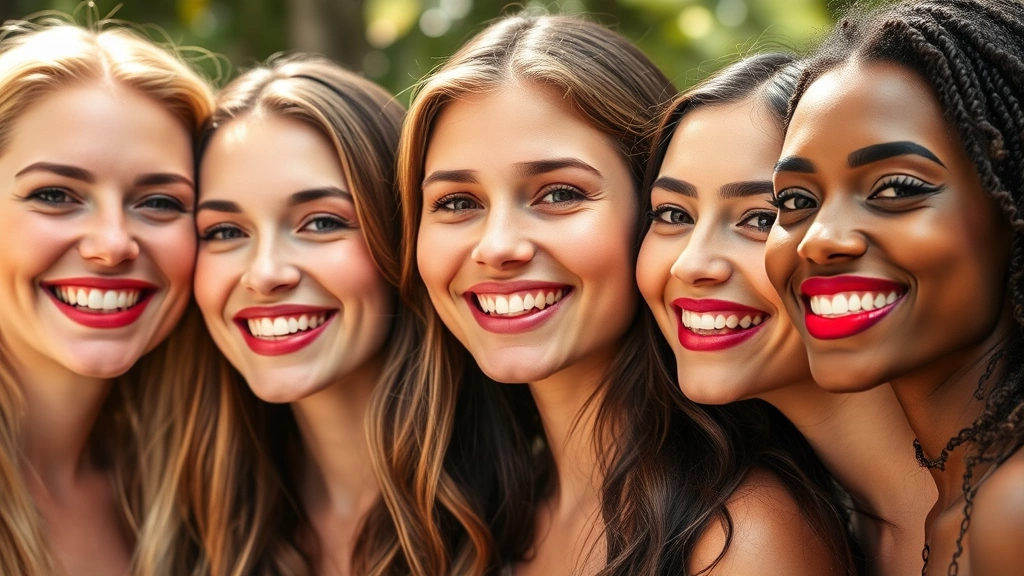
Different seasons inspire distinct lipstick palettes that complement natural lighting and seasonal fashion trends. Spring calls for fresh, bright shades—light corals, soft pinks, warm nudes, and delicate berries align perfectly with blooming flowers and lighter clothing. These shades feel optimistic and youthful, reflecting the season’s renewal energy.
Summer embraces bold, vibrant colors that pop against bronzed skin. Bright corals, hot pinks, true reds, and even unconventional shades like terracotta work beautifully during warmer months. These colors complement sun-kissed skin and pair wonderfully with minimal makeup looks. Summer allows for more experimental color choices since the season encourages playfulness and self-expression.
Fall transitions to warmer, deeper tones that harmonize with autumn’s color palette. Warm browns, rust, burnt orange, deep berries, and warm reds become seasonally appropriate. These earthy shades pair beautifully with warm eyeshadow tones and create a cohesive, polished appearance. Fall lipstick selections often feel more sophisticated and grounded compared to spring and summer options.
Winter invites jewel-toned lipsticks—deep plums, rich berries, burgundies, and classic reds dominate the season. Cool-toned shades with blue or violet undertones feel particularly appropriate during winter months. These richer colors provide striking contrast against pale winter skin and pair elegantly with darker fashion choices. Winter also welcomes metallic and shimmer finishes that catch light beautifully in indoor settings.
Rather than strictly adhering to seasonal guidelines, consider selecting shades that make you feel confident year-round. Your personal preferences should always take precedence over seasonal trends. However, building a seasonal rotation ensures you have appropriate options for different times of year while maximizing your lipstick collection’s versatility.
FAQ
How do I find my perfect lipstick shade?
Identify your undertone (warm, cool, or neutral) and skin depth first. Then swatch lipstick on your jawline in natural lighting to see how it interacts with your complexion. Don’t rely solely on swatches on your hand—your jawline better represents how the color will appear on your face. Try different finishes and don’t hesitate to test multiple shades before deciding.
Can I wear any lipstick shade if I have deeper skin tones?
While deeper skin tones can wear virtually any lipstick shade beautifully, certain colors will be particularly flattering. Rich, saturated shades like deep berries, bright reds, warm oranges, and jewel tones show up gorgeously on deeper complexions. Lighter, more sheer shades might disappear, so opt for highly pigmented formulas if you prefer lighter colors.
What’s the difference between blue-based and orange-based reds?
Blue-based reds contain violet or blue undertones, creating a cool-toned appearance that complements cool undertones beautifully. Orange-based reds feature warm, peachy undertones that flatter warm undertone complexions. True reds balance both, working well for neutral undertones.
How can I make my lipstick last longer?
Prepare your lips with exfoliation and balm, use a lip liner, apply lipstick with a brush, set with a tissue and second coat, and seal with clear gloss or setting spray. These steps significantly extend wear time, especially with long-wear formulas.
Should I match my lipstick to my undertone or my outfit?
Prioritize your undertone first—a shade that complements your coloring will always look better than one that matches your outfit. Once you’ve selected an undertone-appropriate shade, you can consider how it coordinates with your clothing choices.
What lipstick shade works for professional settings?
Classic reds, cool-toned nudes, and muted berries work beautifully in professional environments. Matte or satin finishes convey sophistication better than glossy options. Avoid overly bright or unconventional shades in conservative professional settings unless your workplace culture supports bolder choices.

Related Posts
Perfect Old Fashioned Donut: Baker’s Secrets
Old Fashioned Chocolate Pie Recipe? Chef’s Favorite