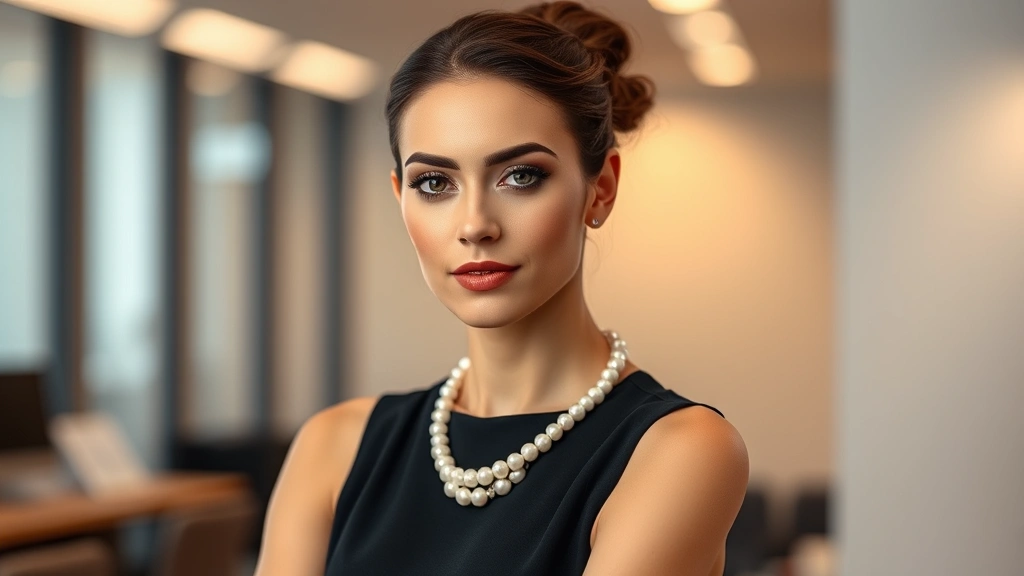
Top 5 Fashion Movies? Expert Picks
Top 5 Fashion Movies: Expert Picks That Define Style on Screen
Fashion and film have always been inseparable partners in storytelling. When costume design meets cinematic brilliance, magic happens on screen. Whether you’re a fashion enthusiast, a makeup artist seeking inspiration, or simply someone who loves beautifully crafted narratives, fashion movies offer more than just entertainment—they provide a masterclass in style evolution, cultural commentary, and visual artistry. The movies featured here showcase how fashion transcends clothing to become character development, historical documentation, and artistic expression.
These films have influenced designers, inspired makeup trends, and shaped how we perceive beauty and elegance in contemporary culture. From the glamorous runways of Paris to the gritty streets of New York, each film tells a unique story about ambition, creativity, and the transformative power of style. Let’s explore the five fashion movies that industry experts consider essential viewing for anyone passionate about beauty, design, and cinematography.
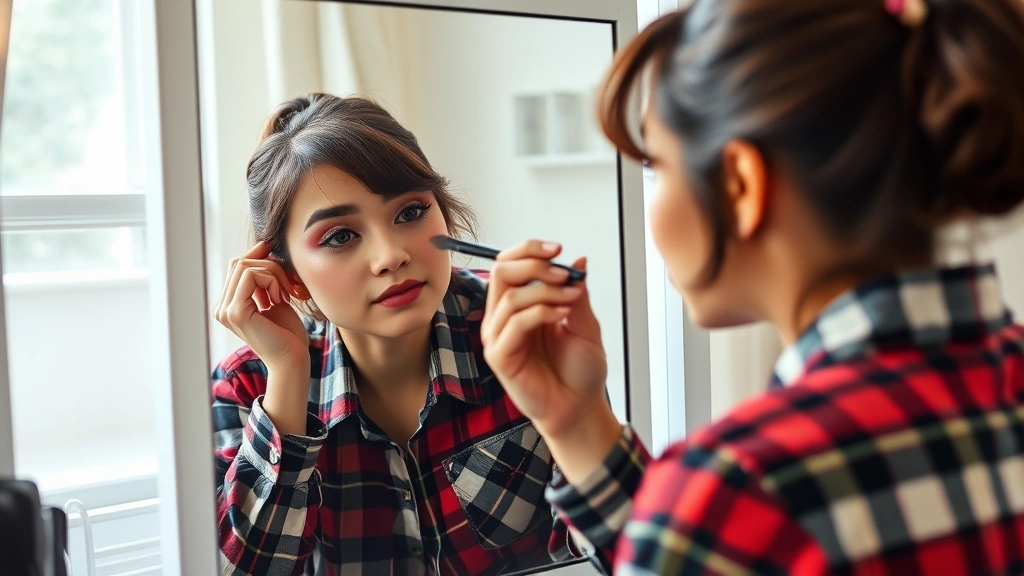
The Devil Wears Prada: Power Dressing Redefined
The Devil Wears Prada stands as the quintessential modern fashion film, capturing the intensity and glamour of the high-fashion industry with unparalleled authenticity. Released in 2006, this film explores the brutal world of fashion journalism through the eyes of Andy Sachs, a recent college graduate who becomes the assistant to Miranda Priestly, the intimidating editor-in-chief of a prestigious fashion magazine. The film’s genius lies not just in its narrative but in how it uses fashion as a language of power and transformation.
Meryl Streep’s portrayal of Miranda Priestly became iconic, and her wardrobe—designed by costume designer Patricia Field—communicates authority, innovation, and impeccable taste without a word of dialogue. The film brilliantly demonstrates how fashion choices reflect personality, ambition, and professional identity. Andy’s transformation from frumpy newcomer to polished fashion insider is marked by her evolving wardrobe, making costume design integral to character development. The movie features actual collections from renowned designers like Vogue collaborators, lending authenticity that resonates with fashion professionals.
What makes this film essential for makeup and beauty enthusiasts is how it demonstrates the complete aesthetic package. The makeup in the film evolves alongside Andy’s wardrobe changes, showcasing how professional styling encompasses everything from skincare to hair to makeup application. Miranda’s signature look—minimal makeup, perfectly coiffed white hair, and designer eyewear—became a style template for countless professionals seeking to project authority and sophistication.
Clueless: 90s Fashion Phenomenon
Clueless, released in 1995, revolutionized how fashion movies could be both entertaining and influential. Directed by Amy Heckerling, this modern adaptation of Jane Austen’s Emma uses fashion as the primary vehicle for comedy, character development, and social commentary. The film’s costume design by Mona May became so influential that it sparked actual fashion trends in real life, a rare achievement that speaks to the film’s cultural impact.
The genius of Clueless lies in how it uses a computerized closet system—cutting-edge technology for the 1990s—to organize Cher’s wardrobe by outfit combinations. This concept introduced audiences to the idea of systematic wardrobe planning, essentially creating the foundation for modern capsule wardrobes and personal styling concepts. The plaid ensembles, platform shoes, and coordinated accessories became iconic, demonstrating how fashion choices communicate social status and personality in high school hierarchy.
For beauty professionals, Clueless offers masterclasses in 1990s makeup aesthetics. The frosted eyeshadow, bronzed complexions, and precisely groomed eyebrows reflect the beauty standards of the era while remaining playful and aspirational. The film shows how makeup trends are cyclical and culturally specific, with each character’s makeup choices reinforcing their social role and personality. Tai’s transformation—complete with makeup application—becomes a pivotal plot point that visualizes her social elevation and growing confidence.
The film’s influence extends beyond its release year; contemporary makeup artists and fashion designers frequently reference Clueless for inspiration, proving that fashion environments created in film can have lasting cultural resonance. The movie demonstrates that fashion comedy can be intelligent, inclusive, and genuinely transformative in how audiences understand style.
Breakfast at Tiffany’s: Timeless Elegance
Breakfast at Tiffany’s (1961) represents the apex of cinematic elegance and remains the definitive fashion film for many industry professionals. Audrey Hepburn’s portrayal of Holly Golightly, combined with Givenchy’s iconic costume design, created a visual template for sophistication that remains unmatched over six decades later. The film’s opening scene—Hepburn sipping coffee while admiring Tiffany & Co.’s window display in a simple black dress—became the most imitated fashion moment in cinema history.
The black Givenchy dress from this film transcends costume design to become a cultural artifact. Its simplicity, elegance, and versatility embody a philosophy of timeless style that contradicts the fast-fashion trends of contemporary culture. For makeup artists and beauty professionals, Hepburn’s makeup in this film represents a masterclass in understated elegance. Her winged eyeliner, subtle eyeshadow, and perfectly groomed eyebrows created a look that remains aspirational and achievable, proving that defining beauty standards requires both artistry and restraint.
The film demonstrates how fashion and makeup work together to create a complete aesthetic vision. Holly’s transformation throughout the film—from glamorous evening wear to practical daytime outfits—shows the versatility required of a truly stylish person. Her makeup adjusts subtly to complement each ensemble, maintaining her essential elegance while adapting to different contexts. This approach to beauty—adapting without compromising core style—remains relevant for contemporary makeup artists developing personal brands or client aesthetics.
Breakfast at Tiffany’s also introduced audiences to the concept of fashion as escapism and aspiration. The film suggests that style can be transformative, allowing individuals to reinvent themselves and transcend their circumstances. For viewers, the movie offers both inspiration and instruction in how to develop a personal aesthetic that reflects inner grace and sophistication.
Prêt-à-Porter: High Fashion Satire
Prêt-à-Porter (1994), directed by Robert Altman, takes a decidedly different approach to fashion cinema by combining satire, ensemble storytelling, and behind-the-scenes access to the fashion industry. The film deconstructs the mythology surrounding fashion shows, revealing the chaos, competition, and sometimes absurdity beneath the glamorous veneer. Unlike other fashion films that celebrate style, Prêt-à-Porter critiques the industry while simultaneously showcasing spectacular fashion design.
The film features actual collections from renowned designers and uses the Paris Fashion Week as its backdrop, providing unprecedented access to the industry’s inner workings. For aspiring makeup artists and fashion professionals, the film offers valuable insights into how the fashion industry operates, how collections are developed, and how fashion shows are produced. The movie demonstrates that fashion is not purely about aesthetics—it’s about business, ego, politics, and creative vision colliding in complex ways.
What distinguishes Prêt-à-Porter is its ensemble cast approach, which allows the film to explore multiple perspectives within the fashion world. From fashion journalists to designers to models, each character offers a different viewpoint on what fashion means and why it matters. The makeup in the film reflects this diversity, showcasing different aesthetic philosophies and beauty standards across cultures and professions. This inclusive approach to beauty representation in fashion cinema was relatively innovative for the 1990s and remains relevant for contemporary discussions about diversity in fashion and beauty.
The film’s satirical edge provides important context for understanding fashion criticism and industry dynamics. For professionals in beauty and fashion, understanding both the creative and commercial aspects of the industry is essential for long-term success and credibility.
Phantom Thread: Fashion as Obsession
Phantom Thread (2017), directed by Paul Thomas Anderson, represents a contemporary masterpiece that explores fashion through a psychological and deeply personal lens. The film centers on Reynolds Woodcock, an obsessive haute couture designer in 1950s London, and his complicated relationship with Alma, a woman who becomes his muse and ultimately his psychological equal. Rather than celebrating fashion, the film examines how creative obsession, perfectionism, and the pursuit of beauty can become destructive.
The costume design by Mark Bridges earned an Academy Award and demonstrates how fashion can serve as psychological characterization. Every stitch, every fabric choice, and every design detail reveals something about Reynolds’s mental state, his artistic vision, and his relationship dynamics. For makeup artists, the film offers profound lessons in how beauty and appearance are tools of power, communication, and emotional expression. Alma’s makeup evolves throughout the film, reflecting her psychological journey and shifting power dynamics within her relationship with Reynolds.
What makes Phantom Thread essential viewing for fashion and beauty professionals is its unflinching examination of perfectionism and the costs of artistic pursuit. The film suggests that beauty, when pursued obsessively, can become a form of control and manipulation. This psychological depth distinguishes the film from more conventional fashion narratives and provides important context for understanding the darker aspects of beauty culture and fashion industry dynamics.
The film’s 1950s setting allows for exploration of vintage beauty standards and fashion techniques, showcasing how makeup and styling were approached in mid-century haute couture. The meticulous attention to historical detail in both costume and makeup design demonstrates the importance of research and authenticity in creating convincing period pieces. For makeup artists interested in historical beauty aesthetics, Phantom Thread offers valuable visual reference material and conceptual frameworks for understanding how beauty standards have evolved.
Phantom Thread also explores the relationship between maker and muse, between designer and model, between artist and subject. These dynamics remain central to contemporary fashion and beauty industries, making the film’s exploration of power, creativity, and personal relationships deeply relevant for professionals navigating these complex interpersonal dynamics.
FAQ
What makes a fashion movie essential viewing?
Essential fashion movies combine compelling narratives with authentic fashion representation, showcase significant costume design, and offer insights into industry dynamics or beauty aesthetics. They should influence real-world fashion trends or provide valuable inspiration for beauty and design professionals. The best fashion films use clothing and makeup as character development tools rather than mere decoration.
How do fashion movies influence real-world beauty trends?
Fashion films reach millions of viewers and create aspirational imagery that people emulate. When a film features a particular makeup style, hairstyle, or outfit combination, audiences often seek to recreate these looks. This influence extends to the fashion and beauty industries, where designers and makeup artists often reference iconic film moments as inspiration for new collections and aesthetic directions.
Can I use fashion movies as makeup inspiration?
Absolutely. Fashion movies offer exceptional makeup inspiration because they combine professional makeup artistry with compelling visual narratives. Watching how makeup evolves with character development, how different eras have different beauty standards, and how makeup complements fashion choices provides practical education for makeup artists. Many professional makeup artists study classic films to understand historical techniques and contemporary applications.
Are there other important fashion movies beyond these five?
Definitely. Other significant fashion films include Funny Face (1957), Legally Blonde (2001), The September Issue (2009), Valentino: The Last Emperor (2020), and In Vogue: The Editor’s Eye (2012). Each offers unique perspectives on fashion, design, and beauty aesthetics. The films mentioned here represent a diverse range of approaches and eras, but the fashion film genre continues to expand with new releases offering fresh perspectives.
How has fashion movie makeup evolved over time?
Makeup in fashion films reflects both the era in which the film is set and the era in which it was produced. Older films like Breakfast at Tiffany’s showcase 1960s makeup techniques and beauty standards, while contemporary films like Phantom Thread use modern makeup application methods to recreate historical looks. This evolution demonstrates how makeup technology, product formulation, and beauty philosophies have changed while certain aesthetic principles remain timeless.

Related Posts

Perfect Old Fashioned Donut: Baker’s Secrets
Old Fashioned Chocolate Pie Recipe? Chef’s Favorite