Best Foundation for Oily Skin? Expert Picks
Finding the perfect foundation for oily skin can feel like an impossible mission. You apply it in the morning, and by noon, you’re looking in the mirror wondering where it all went. The struggle is real, but the good news? There are foundations specifically formulated to keep shine at bay and maintain a flawless finish throughout your entire day. Whether you’re dealing with occasional oiliness or persistently shiny skin, the right foundation can be a total game-changer.
In this comprehensive guide, we’re breaking down everything you need to know about choosing, applying, and maintaining foundation on oily skin. We’ll explore the best products on the market, the science behind why certain formulas work better, and expert tips that will transform your makeup routine. Ready to say goodbye to midday touch-ups? Let’s dive in.
Understanding Oily Skin and Foundation Needs
Before we talk about specific products, it’s essential to understand why oily skin behaves the way it does and what that means for your foundation choice. Oily skin occurs when your sebaceous glands produce excess sebum, the natural oil that protects and hydrates your skin. While sebum is necessary, too much of it can wreak havoc on your makeup application and longevity.
The key to choosing the right foundation for oily skin lies in understanding texture and formulation. You want a foundation that won’t add extra moisture to your skin and that can withstand the natural oils your face produces throughout the day. Matte finishes are typically your best friend, though some hybrid formulas can work beautifully too.
According to the American Academy of Dermatology, people with oily skin should look for non-comedogenic, oil-free foundations that won’t clog pores. The texture should feel lightweight and breathable, allowing your skin to function naturally while still providing excellent coverage.
When shopping for foundation, pay attention to the ingredients list. Look for foundations that contain mattifying agents like silica, kaolin clay, or talc. These ingredients help absorb excess oil and keep your face looking fresh. You might also want to explore sustainable beauty brands that prioritize both skin health and environmental responsibility.
Top Foundation Formulas for Oil Control
Not all foundations are created equal, especially when it comes to managing oily skin. Let’s explore the different types of formulas that work best and why they’re effective.
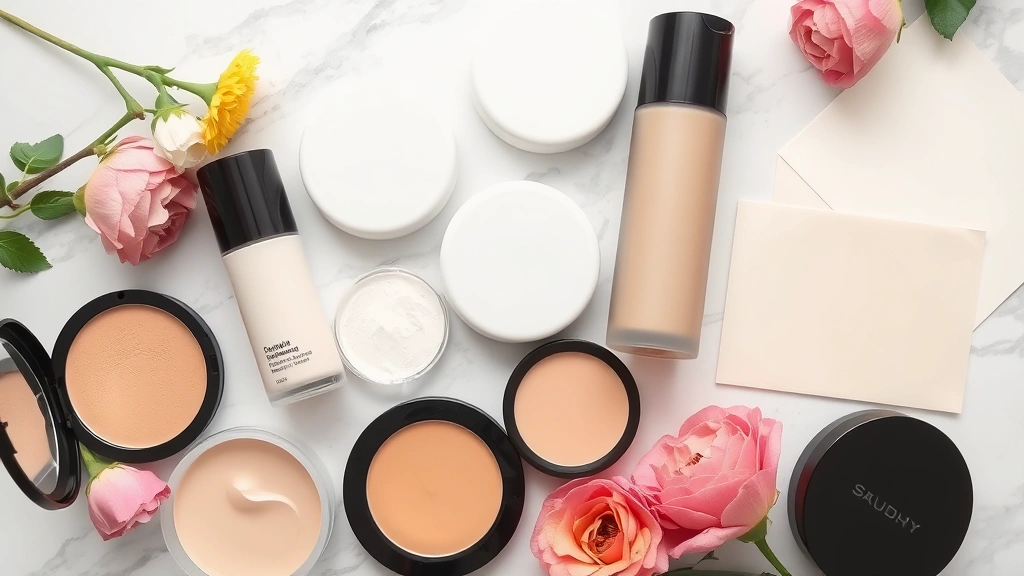
Powder Foundations are often the MVP for oily skin. They provide medium to full coverage while actively controlling shine. The powder base absorbs oils naturally, and you can reapply throughout the day without looking cakey. Loose and pressed powder foundations both work, though pressed formulas offer more portability for touch-ups.
Oil-Free Liquid Foundations are another excellent choice. These are specifically formulated without oils and often contain silicone or water-based ingredients that create a smooth, matte finish. They typically provide medium to full coverage and blend beautifully with a damp sponge. Look for foundations labeled “oil-free” or “for oily skin” to ensure you’re getting the right formula.
Gel Foundations are becoming increasingly popular for oily skin types. They have a lightweight, almost invisible feel on the skin and provide sheer to medium coverage. Gel formulas tend to have excellent staying power and won’t emphasize pores or texture.
Long-Wear Foundations are specifically designed to last through heat, humidity, and oil production. These formulas often contain special polymers that adhere to your skin and resist breaking down. They’re ideal if you need your makeup to last through an entire workday or special event.
When selecting a foundation shade, remember that oily skin can sometimes appear slightly darker or more yellow-toned than your actual complexion due to excess sebum. Test foundation shades on your jawline in natural lighting, and choose a shade that matches your skin tone perfectly when your skin is at its oiliest.
Primer Secrets for Longevity
A quality primer is absolutely essential when wearing foundation on oily skin. Think of it as an insurance policy for your makeup application. The right primer creates a smooth canvas, fills in pores, and provides a barrier between your skin’s oils and your foundation.
Silicone-Based Primers are the gold standard for oily skin. They create an incredibly smooth surface that helps foundation adhere better and last longer. Silicone primers also have a slight “grip” that prevents foundation from sliding around as oils are produced throughout the day. Apply a thin layer across your entire face, focusing on the T-zone where oil production is typically heaviest.
Mattifying Primers are specifically formulated to control shine and oil. These primers often contain ingredients like silica, clay, or special polymers that actively absorb excess sebum. They’re perfect if your main concern is keeping your skin looking matte and fresh.
Pore-Minimizing Primers work wonderfully for oily skin because they create a smooth base that makes pores appear smaller. This smoother surface also helps foundation sit better and look more flawless throughout the day. These primers typically contain silicone and other smoothing agents that fill in fine lines and pores.
Pro tip: Use a primer that matches your foundation’s base. If you’re using a silicone-based foundation, pair it with a silicone primer. If you prefer water-based foundations, look for water-based primers. Mixing different bases can sometimes cause pilling or separation.
Application is just as important as product selection. Use a small amount of primer—about a pea-sized amount for your entire face—and blend it out evenly with your fingers or a damp beauty sponge. Allow the primer to set for a minute before applying your foundation.
Application Techniques That Matter
Even the best foundation for oily skin won’t perform well if you’re not applying it correctly. Your technique makes a significant difference in how long your makeup lasts and how flawless it looks.
Start with a Clean, Prepped Face. Cleanse your skin thoroughly with a gentle, oil-control cleanser. Follow with a lightweight, oil-free moisturizer or hydrating toner. Oily skin still needs hydration—when skin is dehydrated, it can actually produce more oil to compensate. Wait a few minutes for your skincare to fully absorb before applying primer and foundation.
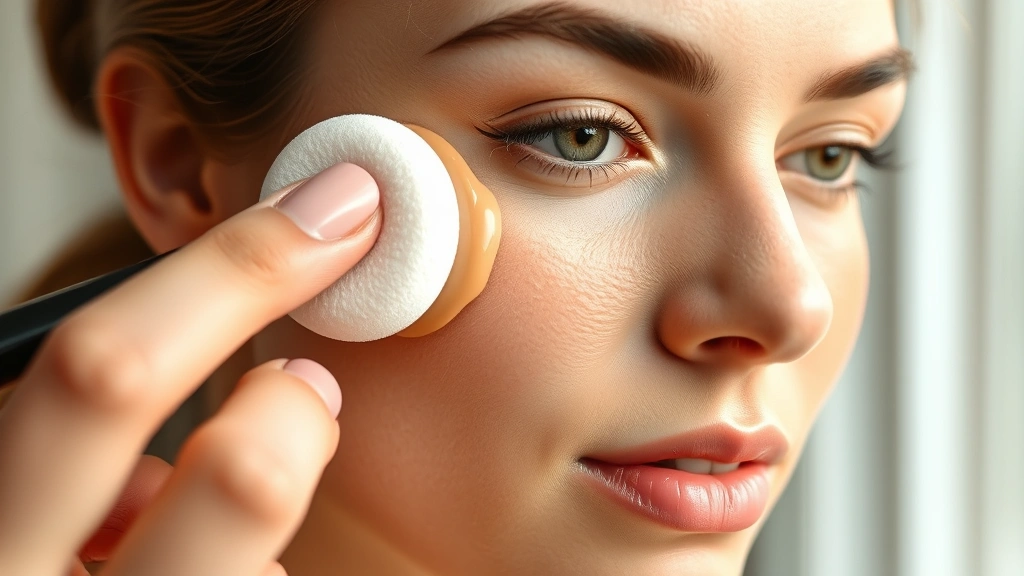
Use the Right Tools. A damp beauty sponge is often the best tool for applying foundation to oily skin. The damp sponge helps blend foundation seamlessly and prevents it from looking patchy or heavy. Beauty sponges also help press foundation into your skin rather than sitting on top of it. Alternatively, a synthetic brush (natural hair brushes can absorb oils) can work well for a more precise application.
Apply Foundation in Thin Layers. Rather than applying one thick layer of foundation, apply two thin layers. This technique prevents the heavy, cakey look that’s common with oily skin and allows for better blending. Start with a thin layer, blend thoroughly, and then add a second thin layer where you need more coverage.
Focus on Problem Areas. Your T-zone, chin, and around your nose typically produce the most oil. Apply slightly less foundation to these areas and focus more product on your cheeks, forehead, and jaw. This prevents these oily zones from becoming cakey while ensuring adequate coverage elsewhere.
Blend, Blend, Blend. Take time to blend your foundation thoroughly. Any streaks or unblended patches will become more noticeable as your skin produces oil throughout the day. Use your damp sponge or brush to blend foundation into your skin until you can’t see any harsh lines.
Set Immediately. Don’t wait to set your foundation. Apply your setting powder while your foundation is still slightly damp for the best adhesion and longest wear time.
Setting Sprays and Powders
Setting your foundation is crucial for oily skin, and you have excellent options to choose from. The right setting products will lock your makeup in place and prevent it from sliding or becoming shiny throughout the day.
Setting Powders for Oil Control are your first line of defense. Translucent powders work for most skin tones, but you can also find powders in various shades. Look for powders that contain mattifying ingredients like silica or clay. Apply powder with a fluffy brush using a light hand—you only need a thin layer. Focus on your T-zone and other areas prone to oiliness.
A clever technique used by makeup artists is to use a damp sponge to apply setting powder. This presses the powder into your skin and ensures it adheres properly, creating an extra-long-wearing finish. This method, often called “baking,” can keep your makeup flawless for hours.
Setting Sprays are liquid products that you spray over your finished makeup. They create a protective barrier that helps your makeup resist oils, sweat, and humidity. There are different types of setting sprays—some are mattifying, while others are hydrating. For oily skin, choose a mattifying or oil-control setting spray.
Apply setting spray by holding the bottle about 6 inches from your face and misting lightly across your entire face. Allow it to dry completely before touching your face. Some makeup artists recommend applying a light mist of setting spray, allowing it to dry, and then applying another light mist for extra longevity.
Combination Approach. For maximum staying power, use both setting powder and setting spray. Apply powder first to absorb oils and create a matte finish, then seal everything with a setting spray. This combination can keep your makeup looking fresh for 12+ hours, even on your oiliest days.
Common Mistakes to Avoid
Even when you’re using the best products, certain mistakes can sabotage your foundation application on oily skin. Here are the most common pitfalls and how to avoid them.
Using Too Much Product. This is the number one mistake. More foundation doesn’t equal better coverage. In fact, applying too much foundation to oily skin makes it look heavy, cakey, and emphasizes pores and texture. Use less product than you think you need and build coverage with thin layers.
Skipping Primer. Some people think they can skip primer to reduce product on their skin. Don’t do this. A good primer actually helps your foundation last longer, which means you’ll need fewer touch-ups throughout the day. Primer is an investment in your makeup’s longevity.
Choosing the Wrong Finish. Dewy or luminous finishes will amplify shine on oily skin. Stick with matte, satin, or natural finishes that don’t reflect light off your skin’s natural oils.
Not Prepping Your Skin Properly. If you’re not cleansing and moisturizing correctly, your foundation won’t have a good base to adhere to. Invest in a good skincare routine, and remember that hydration is key—dehydrated skin produces more oil.
Touching Your Face Throughout the Day. Every time you touch your face, you’re transferring oils and bacteria onto your makeup, breaking it down. Try to avoid touching your face, and if you must, use blotting papers instead of your fingers.
Using Expired Products. Foundation has a shelf life, typically about 12-18 months after opening. Expired foundation can break down and perform poorly. If your foundation isn’t working as well as it used to, it might be time to replace it.
Not Matching Your Undertone. Even if you get the shade depth right, if your undertone is off, your foundation will look gray, orange, or ashy on your skin. Take time to find your true undertone—cool, warm, or neutral—and choose accordingly. This is especially important when managing how your foundation interacts with your skin’s natural oils and appearance.
Remember that finding the perfect foundation is a journey. What works for your friend might not work for you, and that’s okay. Be willing to experiment with different formulas, and don’t hesitate to ask for samples before committing to a full-size product.
For those interested in the broader context of human environment interaction in the beauty industry, many brands are now focusing on sustainable packaging and eco-friendly formulations. This shift toward environmentally conscious beauty doesn’t mean sacrificing performance—many eco-friendly foundations for oily skin actually outperform traditional options.
Pro Tips from Makeup Artists
Professional makeup artists have shared some insider secrets for keeping foundation flawless on oily skin throughout the day:
- Use Blotting Papers instead of powder for touch-ups. They remove excess oil without adding more product to your skin.
- Apply Foundation to Damp Skin. Slightly damp skin helps foundation blend more seamlessly and adhere better.
- Try a Hydrating Primer Under a Mattifying Primer. Layer a thin hydrating primer first, then apply a mattifying primer. This provides hydration while controlling shine.
- Mix Foundation with Primer. Some makeup artists mix a tiny bit of primer with their foundation to create a custom formula with better staying power.
- Set with Translucent Powder and Spray. The combination of powder and spray creates an incredibly long-wearing finish.
- Use a Setting Spray as a Final Step. After all your makeup is applied and set, one final light mist of setting spray locks everything in place.
Seasonal Adjustments
Your foundation routine might need adjustments depending on the season. During humid summer months, your skin might produce even more oil, so you may need to switch to a heavier-duty mattifying primer or more frequent touch-ups. In winter, when your skin might be more dehydrated (which paradoxically increases oil production), focus on hydrating skincare while still using oil-control foundation.
Understanding how different environmental conditions affect your skin can help you adapt your foundation routine seasonally. Temperature, humidity, and even air quality can impact how your skin behaves and how your foundation performs.
Budget-Friendly vs. Luxury Options
Great foundations for oily skin exist at every price point. You don’t need to spend a fortune to find a product that works beautifully. Many drugstore foundations perform just as well as luxury options. The key is finding the right formula and finish for your specific skin needs, regardless of price.
When budgeting for your foundation routine, remember to factor in primer, setting powder, and setting spray. These supporting products are just as important as the foundation itself and will actually extend the life of your foundation bottle by reducing the amount you need to use and the frequency of touch-ups.
FAQ
What’s the Best Foundation Type for Very Oily Skin?
Powder foundations and long-wear liquid foundations are typically best for very oily skin. These formulas are specifically designed to control shine and maintain longevity. Gel foundations are also excellent for oily skin and provide a lightweight alternative.
Can I Use a Dewy Foundation on Oily Skin?
It’s not recommended. Dewy finishes reflect light and can amplify the appearance of shine on oily skin. Stick with matte, satin, or natural finishes that won’t emphasize oils.
How Often Should I Touch Up My Foundation?
With the right products and application technique, you should be able to go 8-12 hours without needing a full touch-up. You might use blotting papers midday to remove excess oil, but your foundation should remain intact. If you’re needing to reapply foundation frequently, you might need to adjust your primer, setting powder, or setting spray.
Is Setting Spray Necessary for Oily Skin?
While not absolutely necessary, setting spray significantly improves foundation longevity on oily skin. It creates a protective barrier that helps your makeup resist oils and humidity. We recommend using it, especially if you have very oily skin.
Can I Mix Different Foundation Brands?
You can mix different foundations, but it’s best to stick with the same base type (silicone-based with silicone-based, water-based with water-based). Mixing different bases can cause pilling or separation. If you want to customize coverage, it’s better to apply thin layers of the same foundation in different areas.
What’s the Difference Between Silicone and Water-Based Foundations?
Silicone-based foundations have a smooth, blurred finish and excellent staying power. Water-based foundations are lighter and more breathable, often better for sensitive skin. Both can work for oily skin—it depends on your preference. Silicone tends to last longer, while water-based feels lighter on the skin.
How Can I Prevent Foundation from Settling into Pores?
Use a pore-minimizing primer before foundation. Apply foundation in thin layers with a damp beauty sponge, focusing on blending thoroughly. Set with powder and spray to lock everything in place. Also, ensure you’re not using too much product—this is the main culprit for foundation settling into pores.
Should I Use Moisturizer Before Foundation if I Have Oily Skin?
Yes, absolutely. Even oily skin needs hydration. Use a lightweight, oil-free moisturizer or hydrating toner. Dehydrated skin actually produces more oil to compensate, so proper hydration helps regulate oil production. Allow your moisturizer to absorb completely before applying primer and foundation.

Related Posts

Perfect Old Fashioned Donut: Baker’s Secrets

Old Fashioned Chocolate Pie Recipe? Chef’s Favorite