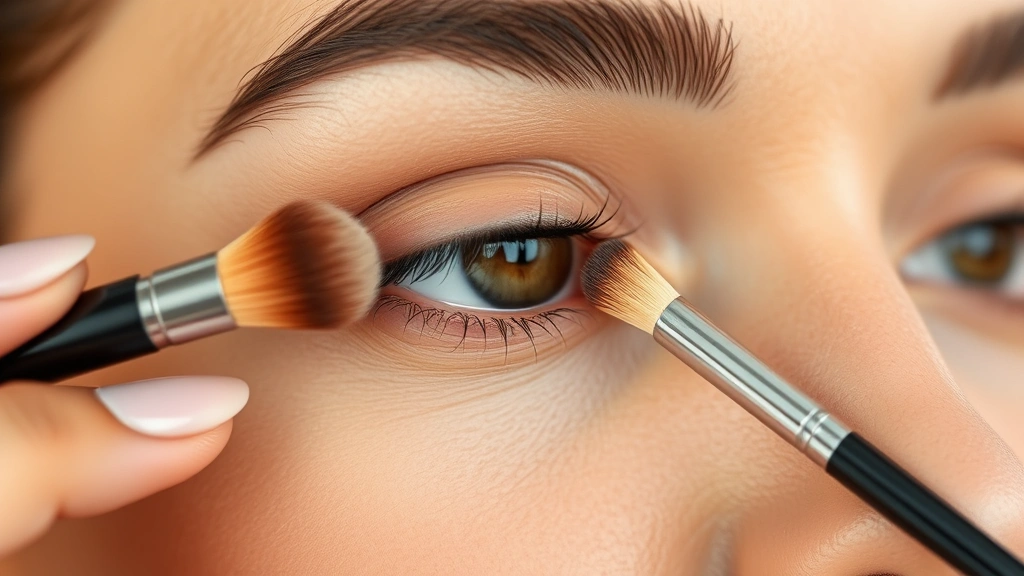
Best Concealer for Dark Circles? Expert Picks
Best Concealer for Dark Circles? Expert Picks and Application Secrets
Dark circles under the eyes can make even the most well-rested person look exhausted. Whether you’re dealing with hereditary shadowing, lifestyle factors, or simply the natural aging process, finding the right concealer is essential for a polished, refreshed appearance. The key to choosing the best concealer for dark circles isn’t just about coverage—it’s about understanding your specific skin type, undertone, and the underlying causes of your dark circles.
In this comprehensive guide, we’ll explore expert-recommended concealers, application techniques, and complementary products that work together to banish those stubborn dark circles. From luxury formulations to budget-friendly options, you’ll discover exactly what dermatologists and makeup artists recommend for achieving a bright, youthful eye area that lasts all day.
Understanding Dark Circles and Concealer Selection
Before diving into specific product recommendations, it’s crucial to understand what you’re actually treating. Dark circles come in different varieties—some appear as actual pigmentation, while others are caused by hollowing or shadowing under the eyes. The American Academy of Dermatology notes that dark circles can result from genetics, allergies, dehydration, poor sleep, or aging-related loss of collagen and fat padding.
The best concealer for dark circles depends on the root cause. If your dark circles are primarily pigmentation-based, you’ll want a full-coverage concealer with strong color-correcting properties. If they’re caused by shadowing or hollowing, a lighter-reflecting concealer combined with strategic highlighting works better. Many people find that a combination approach—using both color correction and coverage—yields the most professional results.
When selecting a concealer, consider these essential factors: texture and finish (creamy, powder, liquid), coverage level (light to full), longevity (how long it lasts without creasing), ingredients (hydrating vs. matte), and undertone matching. The delicate under-eye area requires products formulated specifically for that zone, as regular face concealers may be too heavy or contain ingredients that irritate sensitive skin.
Best Concealers for Dark Circles: Expert Recommendations
Full-Coverage Champions
For those battling severe dark circles, beauty industry publications consistently recommend creamy, full-coverage formulas that don’t settle into fine lines. These concealers provide exceptional pigment payoff while maintaining a natural finish when applied correctly. Look for products with hydrating ingredients like hyaluronic acid and peptides that support the delicate eye area.
The best full-coverage options feature buildable formulas—you can apply a thin layer for sheer coverage or layer multiple applications for maximum concealment without creating a mask-like appearance. Professional makeup artists favor these because they offer control and flexibility for different client needs.
Lightweight and Breathable Options
If you have sensitive skin or prefer a feather-light feel, lightweight concealers with medium-to-full coverage are game-changers. These formulas won’t crease as easily and feel comfortable throughout the day. They typically feature innovative textures that set naturally without powder assistance, making them ideal for those with dry or reactive skin.
Many of these lightweight concealers contain nourishing ingredients like squalane, vitamin E, and plant-based extracts that provide skincare benefits while you wear them. This dual-action approach means you’re not just covering dark circles—you’re treating the under-eye area simultaneously.
Budget-Friendly Alternatives
Excellent dark circle solutions don’t require luxury price tags. Drugstore brands have made significant strides in formulation quality, offering concealers that rival premium products at a fraction of the cost. These accessible options often feature similar coverage levels and staying power as their high-end counterparts.
The advantage of budget-friendly concealers is that you can experiment with different shades and undertones without significant investment, helping you discover your perfect match before committing to a luxury purchase.
Specialty Color-Correcting Concealers
Color correction is a game-changing technique for dark circles. Professional makeup schools teach that using the right color corrector before concealer can dramatically enhance results. Peach and orange correctors work for deeper skin tones, while pink and salmon shades suit lighter complexions. Green correctors neutralize redness, though they’re less commonly used for dark circles.
These specialized products are typically lightweight and designed to be layered under concealer without creating bulk. A small amount goes a long way, making a single corrector last for months of daily use.
Application Techniques for Maximum Coverage
Even the best concealer for dark circles requires proper application technique to deliver results. Professional makeup artists use specific methods that ensure flawless coverage while maintaining a natural appearance.
The Foundation of Proper Application
Start with an eye primer or a tiny amount of hydrating eye cream to create a smooth base. This prevents concealer from settling into fine lines and helps it adhere better throughout the day. Allow skincare products to set for 30 seconds before proceeding.
Mapping Your Concealer Application
Rather than applying concealer in a single swipe, map out an inverted triangle shape under each eye. The widest part of the triangle should be at the inner corner (where dark circles are typically darkest), and it should taper down toward the cheekbone. This strategic placement brightens the area where it matters most.
Use a concealer brush, beauty sponge, or your ring finger (which applies the least pressure) to gently pat the product into place. Patting rather than rubbing prevents disturbing the delicate skin and ensures even coverage without tugging.
Layering for Seamless Blending
Build coverage gradually with thin layers rather than applying one thick coat. This technique prevents creasing and allows the concealer to blend naturally with your foundation. Between layers, lightly press a damp beauty sponge over the area to help meld the product with your skin.
After applying concealer, use a light hand with powder—or skip it entirely if your concealer sets without powder. Many modern formulas are designed to set on their own, and powder can actually emphasize fine lines and create a cakey appearance.
Setting for Longevity
If your dark circles are particularly stubborn or you need all-day coverage, a light setting spray can help your concealer last without creasing. Choose hydrating setting sprays rather than matte formulas, as the under-eye area benefits from moisture throughout the day.
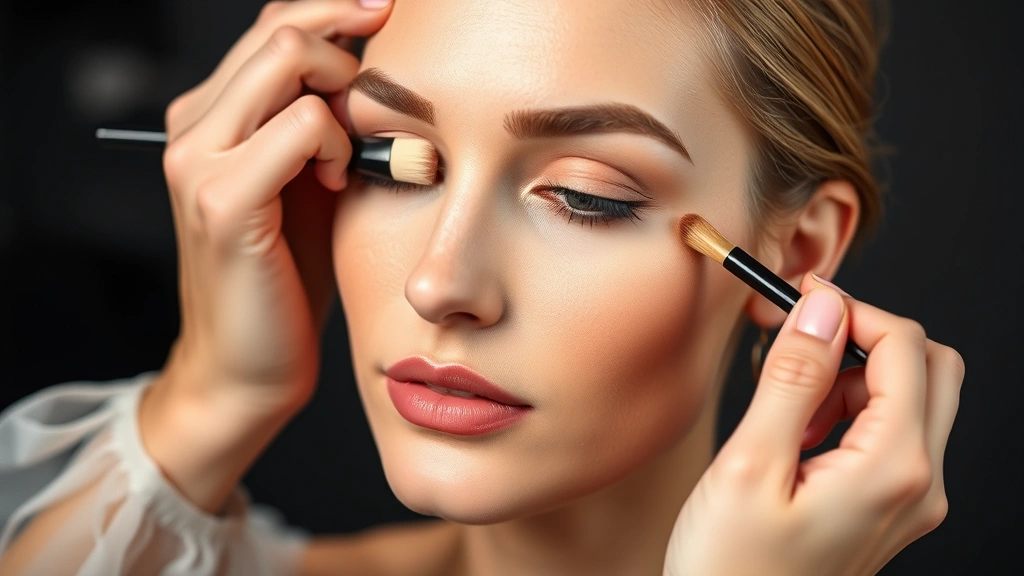
” alt=”Professional makeup artist demonstrating precise concealer application under eyes with a small brush, using light tapping motions on fair skin tone, natural lighting, close-up view”/>
Undertone Matching and Shade Selection
Choosing the correct shade of concealer is just as important as selecting the right formula. Many people make the mistake of matching their concealer to their face foundation, but the under-eye area often requires a different approach.
Identifying Your Undertone
Your undertone—whether warm, cool, or neutral—determines which concealer shades will look natural on you. Check your wrist veins: blue or purple veins indicate cool undertones, green veins suggest warm undertones, and a mix indicates neutral. This fundamental knowledge helps you select concealers that complement rather than clash with your skin.
Concealer Shade Strategy
Interestingly, the best concealer for dark circles is often one to two shades lighter than your foundation. This lighter shade helps counteract the shadowing effect of dark circles while creating a brightening effect. However, if your concealer is too light, it can actually draw more attention to the area, so finding that sweet spot is key.
If you have deeper skin tones, ensure your concealer brand offers an adequate range. Many premium brands have expanded their shade ranges significantly, recognizing that proper shade matching is essential across all complexions.
Testing Before Purchasing
Always test concealer on your jawline or inner wrist before buying, but remember that the under-eye area has different lighting and undertones than your face. If possible, apply a sample under your eyes and observe how it looks in natural daylight, indoor lighting, and artificial light. This comprehensive approach ensures your choice works in real-world conditions.
Layering Strategies and Complementary Products
The best results for dark circles come from a strategic layering approach that combines multiple products working in harmony.
Color Correction Layer
Begin with a color corrector matched to your undertone and skin depth. This product targets the specific discoloration of your dark circles, neutralizing them before applying concealer. This foundational layer means your concealer doesn’t have to work as hard to cover everything, resulting in a more natural finish.
Concealer Application
Once your corrector sets, apply your chosen concealer using the inverted triangle technique described earlier. This mid-layer provides primary coverage and should blend seamlessly with your foundation.
Highlighting and Brightening
Many makeup artists use a subtle highlighter or brightening pen in the inner corner of the eye and along the highest point of the cheekbone. This strategic placement draws light to the area and creates the illusion of lifted, refreshed eyes. The key is subtlety—you want luminosity, not glitter.
Setting and Finishing
A light dusting of translucent powder or a hydrating setting spray locks everything in place. Some professionals prefer a hydrating mist followed by a light powder, while others skip powder entirely for a more skin-like finish. Experiment to discover what works best for your specific needs and climate.
Skincare Foundation for Concealer Success
Even the best concealer for dark circles won’t perform optimally without proper skincare preparation. The under-eye area is delicate and requires dedicated attention.
Hydration is Essential
Dehydrated skin makes dark circles appear more pronounced and causes concealer to settle into fine lines. Prioritize eye-specific serums and moisturizers with hydrating ingredients like hyaluronic acid, glycerin, and ceramides. These products plump the skin, creating a smoother canvas for concealer application.
Apply your eye cream to clean skin, allowing it to fully absorb before proceeding with makeup. This step takes just two minutes but dramatically improves concealer performance and longevity.
Addressing the Root Cause
While concealer provides immediate coverage, addressing underlying causes creates long-term improvement. If your dark circles result from poor sleep, prioritize rest. If allergies are the culprit, consult with a healthcare provider about management options. If dehydration is the issue, increase water intake and use hydrating skincare products.
Targeted Treatment Products
Eye creams with caffeine, niacinamide, or peptides can help reduce the appearance of dark circles over time. Cosmetic chemistry research shows these ingredients support skin firmness and reduce puffiness, complementing your concealer strategy. Consistent use of treatment products often means you can use less concealer as your under-eye area improves.
Sun Protection
The under-eye area is prone to sun damage, which exacerbates dark circles and fine lines. Use an eye-specific SPF product daily, even when wearing makeup. This preventative measure protects your skin and supports long-term improvement.
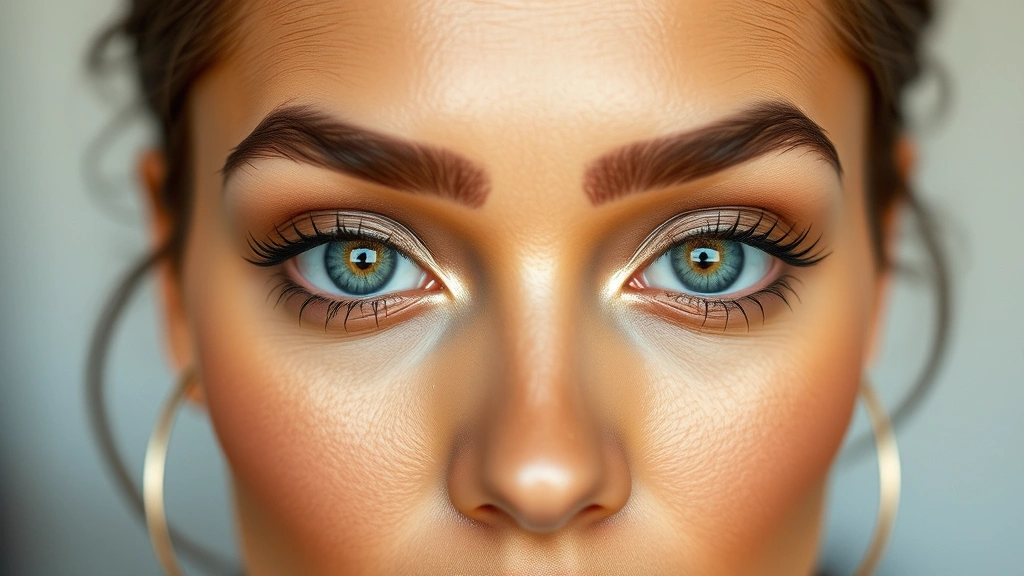
” alt=”Close-up of refreshed under-eye area with flawless concealer, natural skin texture visible, subtle glow, diverse skin tone, professional makeup finish, soft natural lighting”/>
FAQ
What’s the best concealer for dark circles if I have very sensitive skin?
Look for concealers specifically formulated for sensitive skin, free from fragrance and common irritants. Lightweight, hydrating formulas with soothing ingredients like chamomile or centella asiatica work best. Always patch test new products and consider consulting a dermatologist if your sensitivity is severe.
How long should concealer last throughout the day?
Quality concealers formulated for the eye area should last 8-12 hours without significant creasing or fading, especially when paired with primer and setting spray. If your concealer creases within a few hours, you may need a more hydrating formula or better primer.
Can I use regular face concealer under my eyes?
While possible, it’s not ideal. Regular face concealers are often too heavy for the delicate eye area and may contain ingredients that cause irritation. Eye-specific concealers are formulated with the unique needs of this sensitive zone in mind.
Should I match my concealer to my foundation shade?
Not necessarily. Under-eye concealers are typically one to two shades lighter than foundation to brighten the area and counteract shadowing. However, ensure the undertone matches your skin for a natural appearance.
What’s the best approach if my dark circles are hereditary?
Hereditary dark circles require a multi-pronged approach: excellent concealer coverage, strategic color correction, and consistent skincare with treatment ingredients. While you can’t change genetics, these strategies significantly minimize their appearance. Some people explore professional treatments like laser therapy or fillers for long-term improvement.
How do I prevent my concealer from creasing?
Use an eye primer, apply concealer in thin layers, avoid heavy powder, and keep the under-eye area well-hydrated. Additionally, avoid excessive touching of the area throughout the day, as this can disturb the product and cause creasing.
Is it better to use a brush or sponge for concealer application?
Both work well—it’s a personal preference. Brushes offer precision and control, while beauty sponges blend more seamlessly and apply less pressure to delicate skin. Many makeup artists use both, applying with a brush and blending with a damp sponge for optimal results.

Related Posts

Perfect Old Fashioned Donut: Baker’s Secrets
Old Fashioned Chocolate Pie Recipe? Chef’s Favorite