60s Fashion Dresses: Timeless Styles Explained
60s Fashion Dresses: Timeless Styles Explained
The 1960s revolutionized women’s fashion in ways that still influence designers and style enthusiasts today. From the iconic mod mini dress to elegant shift silhouettes, 60s fashion dresses represent a pivotal moment when fashion became a powerful form of self-expression and cultural rebellion. This era saw young women breaking free from conservative dress codes, embracing bold patterns, vibrant colors, and daring hemlines that shocked the previous generation. The decade’s fashion wasn’t just about clothing—it was a statement about women’s liberation, youth culture, and the changing social landscape of the Western world.
Whether you’re a vintage fashion collector, someone looking to incorporate retro elements into your modern wardrobe, or simply curious about fashion history, understanding 60s fashion dresses opens a window into one of the most transformative decades in style. The silhouettes, fabrics, and design philosophies that emerged during this period continue to inspire contemporary fashion designers, making these vintage pieces more relevant than ever. This comprehensive guide explores the iconic dress styles, key designers, and styling tips that make 60s fashion dresses timeless classics worth celebrating.
The Mini Dress Revolution
The mini dress stands as perhaps the most iconic and revolutionary contribution of 1960s fashion. British designer Mary Quant is widely credited with popularizing the mini dress, though the silhouette evolved through contributions from multiple designers throughout the decade. The mini dress raised hemlines to several inches above the knee—a radical departure from the knee-length or longer dresses that had been standard for decades. This simple yet daring change became a symbol of youth rebellion, women’s liberation, and the sexual revolution that defined the era.
The beauty of the mini dress lay in its versatility and simplicity. Most mini dresses featured clean, geometric lines with minimal embellishment, allowing the bold hemline to be the statement piece. Fabrics ranged from crisp cotton to luxurious wool, and colors varied from neutral blacks and whites to vibrant primary colors and pastels. The fashion evolution documented in style archives shows how quickly the mini dress became ubiquitous, appearing in both high fashion and ready-to-wear collections.
What made mini dresses particularly revolutionary was how they democratized fashion. Unlike couture pieces that required substantial investment, mini dresses could be easily reproduced and sold at accessible price points. Young women could afford to buy multiple mini dresses in different colors and patterns, allowing for greater self-expression through fashion. This accessibility helped fuel the youth-driven fashion movement of the 60s and established mini dresses as essential wardrobe staples that remain popular today.
Mod Style and Youth Culture
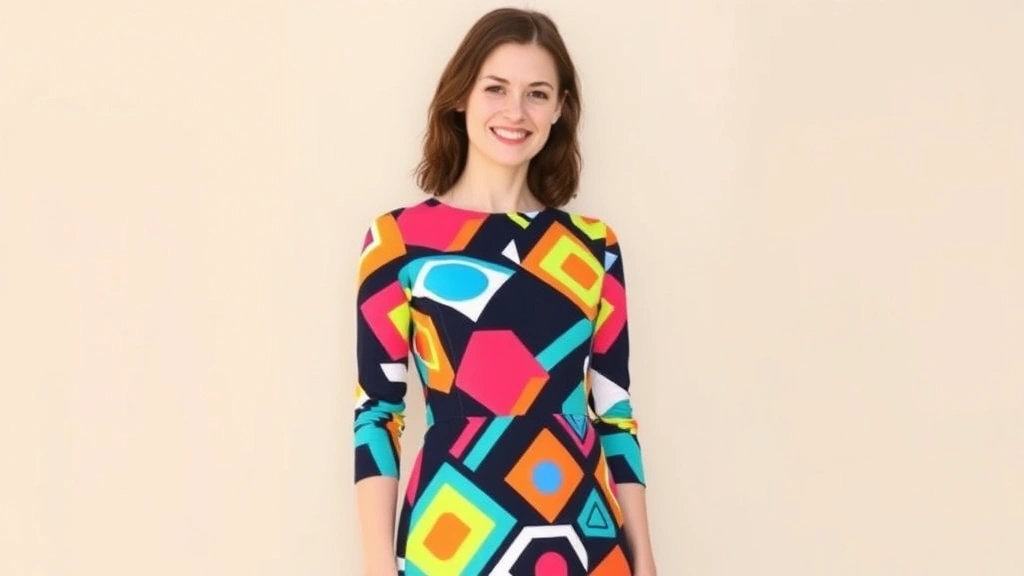
The mod movement that originated in London became inextricably linked with 60s fashion dresses and represented far more than just a clothing trend—it was a complete lifestyle and cultural statement. Mod stood for “modern” and reflected the optimism and forward-thinking attitude of young people in the 1960s. Mod fashion emphasized clean lines, geometric patterns, bold primary colors, and a youthful aesthetic that rejected the stuffiness of previous decades.
Mod dresses typically featured simple, streamlined silhouettes often paired with bold graphic prints, stripes, or color-blocking. Black and white combinations were particularly popular, creating striking visual impact through contrast rather than elaborate detailing. Mary Quant’s designs epitomized the mod aesthetic, with her signature use of simple shapes, bright colors, and playful patterns. Other designers like André Courrèges also contributed significantly to mod style, creating futuristic-looking dresses with sharp tailoring and innovative construction techniques.
The mod aesthetic represented a deliberate rejection of femininity as it had been traditionally defined. Instead of soft, curvy silhouettes that emphasized a woman’s body, mod dresses celebrated a more androgynous, youthful shape. This was revolutionary in its own right—by flattening the silhouette and shortening hemlines, mod dresses allowed women to move freely and be taken seriously as individuals rather than objects of desire. Understanding how cultural movements interact with fashion expression helps us appreciate the deeper significance of mod style beyond its aesthetic appeal.
Shift Dresses and Clean Lines
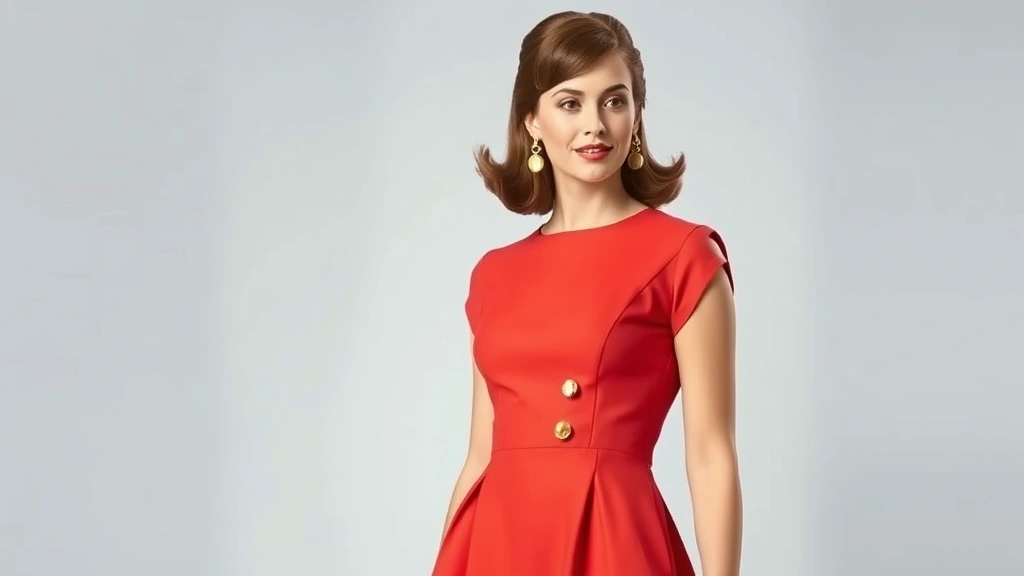
The shift dress represents another quintessential 60s silhouette that emphasized simplicity and ease. Unlike fitted dresses that followed body contours, shift dresses hung straight from the shoulders to the hem, creating a relaxed, comfortable silhouette that was perfect for the active lifestyle many women were beginning to embrace. This straightforward design allowed fabrics and patterns to take center stage, making shift dresses perfect canvases for bold prints and vibrant colors.
Shift dresses came in numerous variations—some featured simple solid colors in rich jewel tones or pastels, while others showcased elaborate floral prints, geometric patterns, or abstract designs. The beauty of the shift silhouette lay in its universality; it flattered various body types and allowed women to move comfortably without the constraints of fitted waistlines or restrictive fabrics. Many shift dresses featured simple details like sleeveless designs, cap sleeves, or three-quarter length sleeves, keeping the focus on the overall shape and any pattern work.
The shift dress’s popularity reflected broader changes in women’s lives during the 1960s. As more women entered the workforce and pursued higher education, they needed clothing that was practical, comfortable, and professional. The shift dress could be dressed up with jewelry and heels for evening wear or worn casually with flats for daytime activities. This versatility made shift dresses incredibly popular and helped establish them as timeless wardrobe essentials that remain relevant in contemporary fashion.
A-Line Silhouettes
The A-line silhouette was another dominant 60s fashion dress shape that flatters numerous body types and remains popular today. A-line dresses feature a fitted bodice that gradually widens from the waist to the hem, creating a triangular or “A” shape when viewed from the front. This silhouette was particularly popular for both casual and formal occasions, appearing in everything from everyday cotton dresses to elegant evening wear.
A-line dresses offered the perfect balance between fitted and loose silhouettes. The fitted bodice provided structure and definition while the wider skirt allowed for freedom of movement and created a flattering, feminine shape. Many 60s A-line dresses featured interesting details like bold prints, contrasting trim, or unique necklines that added visual interest without compromising the clean, sophisticated silhouette. The evolution of design principles in fashion shows how A-line shapes became scientifically proven to flatter various body types.
The versatility of A-line dresses made them essential for 60s wardrobes. A simple cotton A-line dress in a solid color could be worn with a cardigan and flats for a preppy daytime look, or dressed up with jewelry and heels for evening occasions. Patterned A-line dresses in bold prints or pastels could serve as statement pieces that required minimal accessorizing. This adaptability contributed significantly to the A-line’s enduring popularity and explains why this silhouette remains a fashion staple decades later.
Psychedelic Prints and Bold Patterns
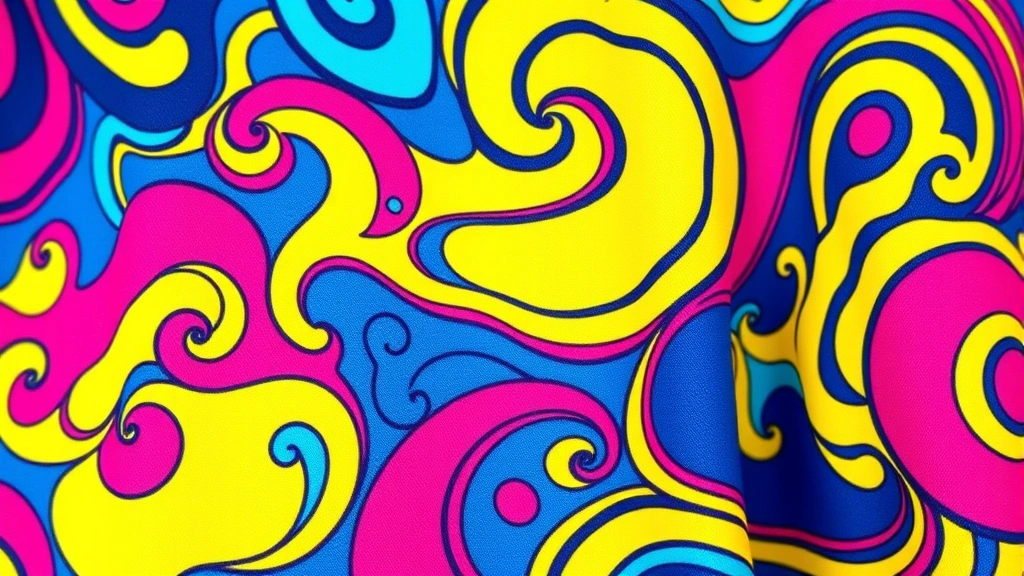
As the 1960s progressed, particularly in the latter half of the decade, fashion embraced increasingly bold, vibrant, and psychedelic patterns. These prints reflected the counterculture movement, the influence of hallucinogenic drugs on popular culture, and a general spirit of experimentation and rebellion against conventional aesthetics. Psychedelic prints featured swirling patterns, clashing colors, abstract shapes, and mind-bending optical illusions that created visual excitement and movement.
Psychedelic 60s fashion dresses came in every imaginable color combination—hot pink with orange, electric blue with yellow, purple with green. These weren’t subtle, coordinated palettes but rather bold, sometimes jarring combinations that demanded attention. Patterns included swirling abstract designs, geometric shapes, floral motifs, and surreal imagery that reflected the era’s fascination with expanded consciousness and artistic experimentation. Brands like Vogue documented these wild prints extensively, helping to legitimize psychedelic fashion in mainstream culture.
Beyond psychedelic prints, 60s fashion dresses featured numerous other bold pattern options. Floral prints ranged from delicate ditsy patterns to large, statement-making blooms. Geometric patterns included stripes, polka dots, checkerboards, and abstract shapes. Op art-inspired prints created optical illusions with black and white or contrasting color combinations. These bold patterns were often featured on simple dress silhouettes like shifts or A-lines, allowing the prints to be the focal point. The willingness to embrace color and pattern in such bold ways represented a fundamental shift in fashion philosophy—away from understated elegance toward expressive, personality-driven style.
Iconic 60s Designers
Several visionary designers shaped 60s fashion and created iconic dress styles that remain influential today. Mary Quant, the British designer mentioned earlier, revolutionized fashion with her mod designs, miniature hemlines, and youthful aesthetic. Her designs were accessible, playful, and perfectly captured the spirit of 1960s youth culture. Quant’s influence extended beyond clothing to include makeup and accessories, making her a complete lifestyle designer who understood how fashion worked as a unified whole.
André Courrèges, a French designer, brought a futuristic sensibility to 60s fashion with his space-age designs, clean lines, and innovative use of white and primary colors. His dresses often featured geometric shapes, bold color-blocking, and a minimalist aesthetic that looked forward rather than backward. Courrèges’ designs emphasized the architectural quality of clothing, treating dresses as sculptural pieces rather than mere garments. His influence on contemporary fashion remains significant, particularly in designers who emphasize structure and geometric silhouettes.
Emilio Pucci created vibrant, colorful dresses featuring his signature psychedelic prints and bold patterns. His designs were luxurious yet exuberant, often featuring silk fabrics in impossible color combinations and intricate print patterns. Pucci’s dresses represented the more glamorous, jet-set side of 60s fashion, appealing to sophisticated women who wanted to make bold statements while maintaining elegance. Other important designers included Pierre Cardin, who also explored futuristic themes, and Yves Saint Laurent, who brought Parisian sophistication to 60s silhouettes.
Fabrics and Materials
The fabrics used in 60s fashion dresses were as important as the silhouettes and patterns. The decade saw significant advances in synthetic fiber technology, which allowed designers to create innovative textures and performances while maintaining affordability. Cotton remained popular for casual dresses, valued for its breathability, ease of care, and ability to hold bright colors and bold prints. Wool was used for more structured pieces, particularly A-line and shift dresses that required body and durability.
Synthetic fabrics became increasingly important during the 1960s. Polyester, nylon, and acrylic blends offered wrinkle resistance, easy care, and the ability to hold vibrant colors without fading. These materials were also less expensive than natural fibers, making fashionable dresses more accessible to average consumers. Silk and silk blends were used for more luxurious pieces, particularly evening dresses and designer creations. Linen appeared in casual summer dresses, often in solid colors or simple prints.
Unique fabric innovations included vinyl, which was used for bold, modern-looking dresses that captured the space-age aesthetic of the decade. Velvet was popular for evening wear and created rich, luxurious textures in jewel tones. Corduroy and other textured fabrics added visual and tactile interest to casual dresses. The textile innovations documented in fashion publications show how 60s designers experimented constantly with new materials and fabric combinations. The ability to mix natural and synthetic fibers in innovative ways contributed significantly to the decade’s fashion excitement and accessibility.
Styling Your 60s Fashion Dresses
Wearing 60s fashion dresses today requires thoughtful styling to create looks that feel both vintage-inspired and contemporary. The key is balancing the retro elements with modern pieces and avoiding costumey or overly literal recreations of the era. A simple shift dress in a solid color or subtle print can be styled with modern sneakers, a denim jacket, and contemporary jewelry for a casual, updated look. Alternatively, pair it with heeled boots, a structured blazer, and statement jewelry for a more polished appearance.
For A-line dresses, consider pairing them with modern footwear like pointed-toe flats, sleek ankle boots, or contemporary sneakers rather than strictly period-accurate shoes. Layer a vintage or vintage-inspired A-line dress with a modern cardigan, denim jacket, or leather jacket to create visual interest and update the look. Accessorizing is crucial—modern bags, jewelry, and sunglasses help ground vintage pieces in contemporary styling. A colorful 60s print dress can be worn with neutral modern pieces like black tights and a white shirt, allowing the dress to be the statement piece without the look feeling overly costume-like.
When styling shift dresses, embrace their clean, simple lines by pairing them with minimal accessories and modern footwear. A patterned shift dress might be worn with solid-colored tights or leggings and simple shoes, allowing the pattern to be the focus. Solid-colored shift dresses offer more versatility—they can be dressed up for evening with heels and jewelry or kept casual with sneakers and a cardigan. Consider the dress’s neckline and sleeve length when choosing complementary pieces; for example, a sleeveless shift dress looks great layered over a fitted long-sleeve shirt or worn with a structured blazer.
Understanding how context influences fashion choices helps you style 60s dresses appropriately for different occasions. Casual daytime settings allow for more playful, youthful styling with flats, simple jewelry, and relaxed layers. Professional or evening settings require more polished accessories and appropriate footwear. The beauty of 60s fashion dresses is their versatility—the same dress can be styled numerous ways depending on accessories, layering pieces, and footwear choices.
FAQ
What is the most iconic 60s fashion dress?
The mini dress is arguably the most iconic 60s fashion dress style. Popularized by Mary Quant, the mini dress became a symbol of youth culture, women’s liberation, and the sexual revolution of the 1960s. Its simple design and daring hemline revolutionized fashion and established it as a timeless classic.
How can I wear 60s fashion dresses without looking like I’m wearing a costume?
The key is mixing vintage 60s dresses with modern styling elements. Pair a 60s dress with contemporary footwear like modern sneakers or boots, use current accessories, and layer with modern pieces like denim jackets or blazers. This approach honors the vintage piece while creating a contemporary look that doesn’t feel overly themed.
What fabrics were commonly used in 60s fashion dresses?
Common fabrics included cotton for casual dresses, wool for structured pieces, silk and silk blends for luxury items, and synthetic fibers like polyester and nylon for affordable, easy-care options. Unique materials like vinyl and velvet were also used to create modern, eye-catching pieces.
Are 60s fashion dresses still fashionable today?
Yes, 60s fashion dresses remain highly fashionable and continue to influence contemporary designers. The silhouettes, particularly A-line and shift dresses, are timeless and flattering. Modern designers regularly draw inspiration from 60s aesthetics, and vintage pieces are sought after by fashion enthusiasts and collectors.
Where can I find authentic 60s fashion dresses?
Authentic 60s dresses can be found at vintage clothing stores, online vintage retailers, estate sales, and auction sites. Replica and inspired pieces are available from contemporary brands that draw from 60s aesthetics. When shopping for vintage pieces, examine construction quality, check labels for fiber content, and look for signs of wear or damage that might affect wearability.
What accessories work best with 60s fashion dresses?
Modern accessories work best with 60s dresses to avoid an overly costume-like appearance. Consider contemporary bags, jewelry, sunglasses, and footwear. A structured blazer, denim jacket, or cardigan can be layered over a 60s dress to create a more contemporary silhouette while honoring the vintage piece.
Can I wear 60s fashion dresses to professional settings?
Yes, depending on the specific dress style and your workplace dress code. Simple A-line dresses in solid colors or subtle prints can look professional when paired with appropriate accessories and footwear. Layer with a blazer or cardigan for added structure and polish. Bold prints or very short hemlines might be better suited to casual or creative work environments.

Related Posts

Perfect Old Fashioned Donut: Baker’s Secrets
Old Fashioned Chocolate Pie Recipe? Chef’s Favorite