80s Makeup Trends? Pro Tips for Modern Men
80s Makeup Trends? Pro Tips for Modern Men
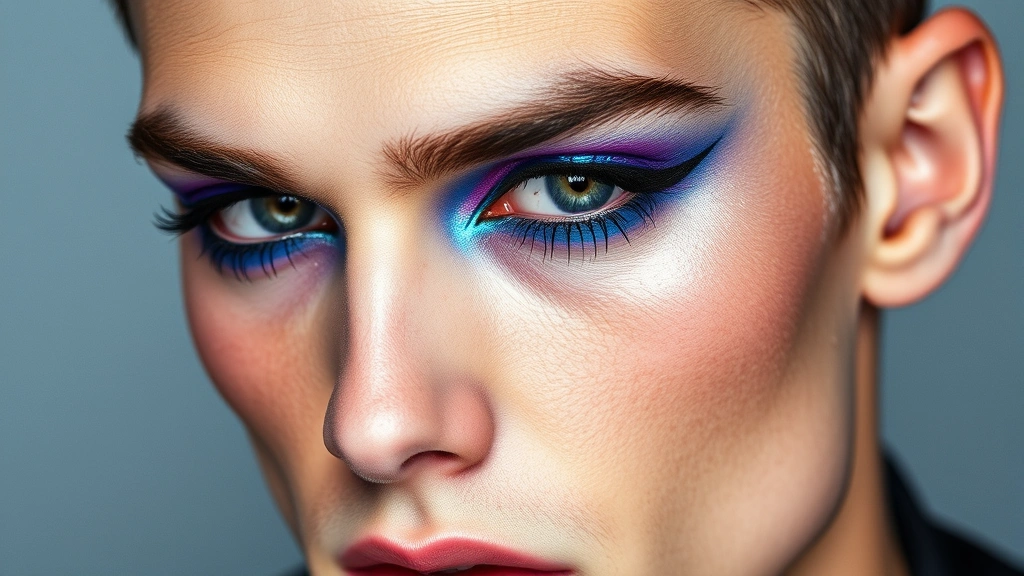
The 1980s weren’t just about power suits, neon colors, and bold fashion statements—they were also a revolutionary era for makeup. What many people don’t realize is that men’s relationship with makeup transformed dramatically during this decade. While makeup has historically been associated with women, the 80s saw an unprecedented shift where men, particularly in music, theater, and fashion industries, embraced bold makeup looks without apology. From glam rock musicians to new wave performers, male makeup artistry became a legitimate form of self-expression and style innovation.
Today, we’re experiencing a similar cultural moment where men are rediscovering and reinterpreting 80s makeup aesthetics. Whether you’re interested in recreating iconic looks from David Bowie, Prince, or the theatrical makeup of 80s rock bands, understanding the techniques and products used during this era is essential. This guide will walk you through the most influential 80s makeup trends and show you how to adapt them for modern sensibilities while maintaining the bold spirit that made the decade so visually striking.
The beauty industry has evolved significantly since the 1980s, but the core principles of that era’s makeup application remain relevant today. Understanding beauty and personal care trends helps us appreciate how cultural movements shape our aesthetic choices. Let’s explore what made 80s makeup so distinctive and how you can master these techniques.
The Foundation of 80s Makeup Culture
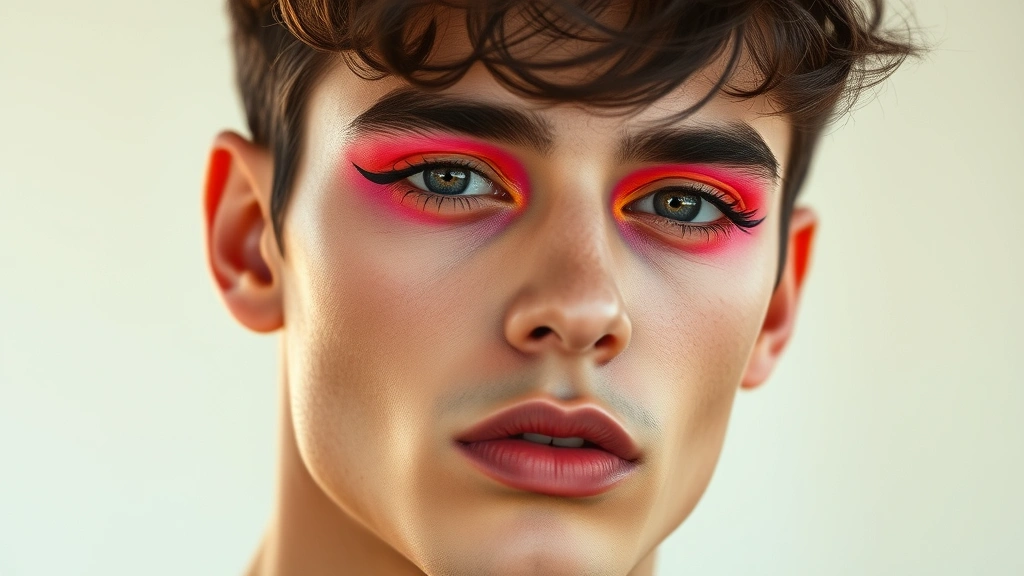
The 1980s represented a cultural turning point where artistic expression through makeup became increasingly mainstream for men. This shift was largely driven by the music industry, where performers like David Bowie, Prince, and members of bands like Duran Duran wore elaborate makeup as part of their stage presence and personal brand. Unlike previous decades where makeup was strictly gendered, the 80s celebrated androgyny and theatrical self-presentation as legitimate forms of identity expression.
The foundation for this cultural acceptance came from several sources. The glam rock movement of the 1970s had already started breaking down barriers, but the 80s took it further with new wave, synthpop, and heavy metal aesthetics all incorporating dramatic makeup. Additionally, the rise of music videos and MTV meant that makeup became a visual tool for artistic storytelling. Men weren’t just wearing makeup for stage performances anymore—they were incorporating it into everyday fashion and personal style.
Understanding different environments and contexts where makeup was worn helps us appreciate how the 80s normalized male makeup use. Nightclubs, concerts, fashion shows, and street style all became venues where men could experiment with makeup without facing the same social restrictions as previous generations. This cultural context is important when adapting 80s makeup for modern times—you’re not just recreating a look, you’re participating in a legacy of artistic expression and boundary-breaking.
Bold Eye Makeup: The Signature Look
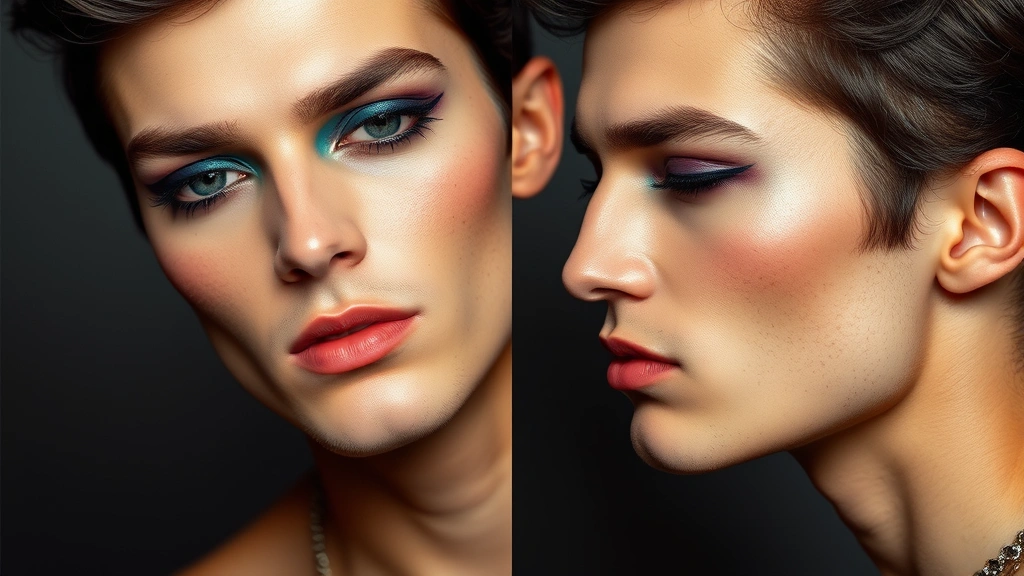
The eyes were undeniably the focal point of 80s makeup, especially for men. Heavy eyeshadow, dramatic eyeliner, and bold color choices created looks that were impossible to ignore. The most iconic approach involved using multiple shades of eyeshadow to create depth and dimension, often extending the color beyond the natural eye area for a more theatrical effect.
One of the most popular techniques was the extended eyeliner look, where black or colored eyeliner wasn’t just applied to the lash line but extended outward and sometimes upward in sharp, geometric shapes. This created an edgy, avant-garde appearance that became synonymous with 80s aesthetics. Some variations included:
- The sharp wing: Extending eyeliner dramatically outward, sometimes with a sharp point
- The geometric shape: Creating triangles, diamonds, or abstract shapes with eyeliner
- The double line: Using two different colored eyeliners to create contrast and definition
- The smoky blend: Layering multiple eyeshadow shades for a soft, blended effect despite the bold colors
For eyeshadow application, the 80s favored high-pigment, highly saturated colors. Metallics were especially popular—silver, gold, bronze, and copper shadows created a shimmering, futuristic look that aligned with the decade’s aesthetic. Many men also used contrasting colors, like pairing blue eyeshadow with orange or pink, creating striking color combinations that would seem shocking by today’s standards but felt perfectly natural during the era.
The application technique involved using larger brushes and bolder strokes compared to modern makeup application. Blending wasn’t always the priority—sometimes the goal was to create distinct color blocks that made a statement. However, when blending was used, it created a softer transition between colors while maintaining the overall boldness of the look.
Contouring and Highlighting Techniques
While contouring as we know it today didn’t exist as a formal technique during the 80s, men were definitely using makeup to sculpt and define their facial features. The approach was less subtle than modern contouring and more theatrical in application. The goal was often to create dramatic shadows and highlights that were visible even from a distance, making it perfect for stage performances and nightclub settings.
The basic principle involved using darker shades to create shadows along the cheekbones, jawline, and sides of the nose, while using lighter, often shimmery, shades on the high points of the face. However, the execution was bolder and less blended than contemporary techniques. Men would apply darker powder or cream products in distinct lines and areas, creating a more sculptural, defined look.
Highlighting was particularly important in 80s makeup for men. Shimmery, metallic highlighters were applied generously to the cheekbones, brow bones, and sometimes the entire eyelid area. This created a luminous, almost otherworldly appearance that was central to the decade’s aesthetic. The shine and sparkle were features, not bugs—the goal was to catch light and create visual impact.
For modern men adapting these techniques, the key is finding the balance between the theatrical boldness of the 80s and contemporary subtlety. You can use the same principles of light and shadow but blend more carefully and apply with a lighter hand to achieve a look that feels authentic to the era while remaining wearable in modern contexts.
Color Palettes That Defined the Decade
The 1980s were characterized by bold, sometimes clashing color choices that reflected the era’s optimistic, experimental attitude. Understanding the color palettes that defined the decade is crucial for authentically recreating 80s makeup looks. The most iconic combinations included:
- Neon brights: Electric blues, hot pinks, lime greens, and bright oranges were used liberally, often in combination with each other
- Metallics: Silver, gold, bronze, and copper shadows created a futuristic, shimmering effect
- Earth tones with pops of color: Browns and taupes paired with unexpected bright accents
- Jewel tones: Deep purples, teals, and emeralds provided a more sophisticated but still bold option
- Monochromatic looks: Using varying shades of a single color for a cohesive but still dramatic effect
The science behind why these colors worked so well together relates to color theory and the visual impact of high-saturation pigments. Neon colors have high brightness values, making them visually striking even from a distance. When paired together, they create contrast and visual tension that feels exciting and dynamic. Metallics, with their reflective properties, add dimension and catch light, creating movement and visual interest.
Modern makeup products offer much better pigmentation and longevity than 80s products, so you can recreate these color palettes with greater intensity and staying power. However, the key is understanding the boldness principle—80s makeup wasn’t subtle or understated. It was meant to be noticed, appreciated, and discussed. When selecting your color palette, embrace this philosophy rather than playing it safe.
Many of these color principles can be applied to understanding how different elements interact, much like exploring how different elements interact in systems. The relationship between colors, the balance of warm and cool tones, and the overall harmony of a makeup look all follow similar principles of interaction and balance.
Lip Colors and Statement Looks
While eye makeup dominated 80s male makeup aesthetics, lips were definitely not neglected. Lip color choices ranged from bold and bright to dark and dramatic, always with the goal of making a statement. The most popular options included:
- Nude and neutral shades: Often paired with dramatic eye makeup to keep the focus on the eyes
- Deep burgundy and wine: Creating a sophisticated, dramatic look especially popular in goth and new wave scenes
- Bright reds: A classic choice that worked with virtually any eye makeup look
- Dark blacks and plums: For the most theatrical and avant-garde looks
- Metallic and shimmer: Less common but used by the most experimental makeup artists
The application technique for lips in the 80s often involved overlining to create a fuller appearance, a technique that has remained popular through various decades. Men would use lip liner to extend the natural lip line, creating a more defined and prominent lip shape. This was especially effective when paired with bold lip colors.
The finish was typically matte or satin—glossy lips were less common in men’s makeup during this era, though they certainly existed. The emphasis was on color payoff and definition rather than shine or plumpness. When gloss was used, it was usually clear or slightly tinted rather than highly pigmented.
Adapting 80s Trends for Modern Men
The challenge of wearing 80s-inspired makeup today is finding the balance between authenticity and wearability. You want to capture the spirit and boldness of the era without looking like you’re wearing a costume. Here are some strategies for adapting these trends:
Start with one focal point. Rather than doing a full 80s makeup look with bold eyes, bold lips, bold cheeks, and heavy contouring, choose one element to emphasize. If you’re focusing on the eyes, keep the lips more neutral. If you’re going for a bold lip, tone down the eye makeup. This creates visual balance and makes the look feel more contemporary.
Use modern color theory. While 80s makeup embraced clashing colors, you can create a more harmonious look by understanding complementary colors and color harmony. Pair your bold shadow color with a complementary shade rather than a clashing one. This feels more intentional and less accidental.
Blend more than the 80s did. The theatrical nature of 80s makeup sometimes involved harsh color blocks. Modern makeup application typically emphasizes blending and gradient transitions. You can maintain the boldness of the colors while creating smoother transitions between shades.
Consider your setting. 80s makeup for men was often designed for stage or nightclub settings where dramatic looks made sense. If you’re wearing makeup in everyday settings, consider how the intensity of your look fits the context. Professional settings may require more subtle adaptations, while creative or artistic environments might embrace the full 80s aesthetic.
Invest in quality products. Modern makeup formulations are superior to those available in the 1980s. Using high-quality eyeshadows, eyeliners, and lip products means your look will last longer, blend better, and appear more polished. This quality can actually make bold 80s-inspired looks appear more refined and intentional.
Understanding how personal choices affect broader contexts can help you think about how your makeup choices fit into your overall presentation and the environments you inhabit. Your makeup is a form of self-expression that interacts with your surroundings and the people you encounter.
Product Recommendations and Application Tools
Creating authentic 80s makeup looks requires the right products and tools. Here’s what you need to consider:
Eyeshadow palettes: Look for palettes with bold, highly pigmented colors. Brands like Mecca and specialty beauty retailers offer palettes with the kind of saturation and intensity that 80s makeup demanded. Metallic and shimmer finishes are essential—mattes alone won’t capture the reflective, luminous quality of the era.
Eyeliners: Both pencil and liquid eyeliners were used in the 80s. For precise, sharp lines, liquid eyeliner is your best bet. For softer, smokier effects, pencil eyeliners work well. Black is the classic choice, but don’t hesitate to experiment with colored eyeliners like deep purple, navy, or even metallics.
Brushes and applicators: Larger, fluffier brushes were more common in the 80s than the precise, small brushes used in modern makeup. Using larger brushes actually helps capture the bold, confident aesthetic of the era. Flat brushes work well for applying color blocks, while fluffy brushes help with blending.
Base products: A good primer is essential for keeping makeup in place throughout the day. While primers didn’t exist in the 1980s, using modern primers under your eyeshadow ensures longevity and prevents creasing. Foundation should be chosen to match your skin tone precisely—the 80s sometimes featured visible foundation lines, but this was generally considered a makeup application error rather than an intentional technique.
Setting products: Powders and setting sprays help keep your makeup in place, especially important for bold, heavily applied makeup. Translucent powder works for most skin tones, while colored powders can help adjust undertones if needed.
According to Paula’s Choice, a leading beauty science resource, the longevity and performance of makeup products have improved dramatically since the 1980s. Modern formulations are designed to wear longer, blend better, and provide better pigmentation than vintage products, giving you a significant advantage when recreating 80s looks.
When applying 80s-inspired makeup, follow these steps:
- Prime your eyelids with a quality eyeshadow primer
- Apply a base shade across the entire eyelid, typically a neutral or slightly warm tone
- Apply your primary shadow color to the main eyelid area using broad strokes
- Add a contrasting or complementary shade to the crease or outer corner
- Apply eyeliner with confidence and precision, extending as dramatically as you wish
- Add highlighter to the brow bone and inner corner of the eye
- Complete your look with lip color and any additional contouring
- Set everything with powder and setting spray
The application process for 80s makeup is actually simpler than many modern makeup techniques because it emphasizes bold, visible color rather than subtle blending and layering. This can be liberating for men new to makeup application—there’s less pressure to achieve perfect precision since the aesthetic celebrates boldness and attitude.
FAQ
What products did men use for makeup in the 1980s?
Men in the 1980s used many of the same products available today, though formulations have improved significantly. Eyeshadow palettes, eyeliners, foundations, and lip products were all available, though they often had less staying power and lower pigmentation than modern formulations. Many performers also used theatrical makeup specifically designed for stage use, which had even bolder pigments and different formulations than consumer makeup products.
How can I make 80s makeup look modern and not costume-like?
Focus on one bold element rather than doing a full 80s look. Use modern blending techniques while maintaining bold colors. Choose a setting appropriate for the intensity of your makeup. Invest in quality products that look refined rather than theatrical. Consider your overall aesthetic and how the makeup fits into your personal style rather than treating it as a costume.
Is it appropriate for men to wear makeup in professional settings?
Makeup norms vary significantly by industry and location. Creative industries like fashion, entertainment, and design are generally more accepting of male makeup use. Corporate or conservative industries may have different expectations. The best approach is to understand your specific workplace culture and make choices that align with your professional goals while expressing your personal style authentically.
How do I choose colors that work for my skin tone?
Understanding your undertone (warm, cool, or neutral) helps you choose colors that harmonize with your natural coloring. Warm undertones typically look best with warm-toned shadows like golds, coppers, and warm purples. Cool undertones work well with cool-toned shadows like silvers, blues, and cool purples. Neutral undertones can wear virtually any color. Experiment with different shades to see what makes your eyes pop and feels most flattering.
What’s the difference between theatrical makeup and everyday makeup?
Theatrical makeup is designed to be visible from a distance and under stage lighting, so it’s typically more heavily applied and uses bolder colors. Everyday makeup is more subtle and designed to look natural from normal conversational distances. When adapting 80s makeup for modern wear, you’re essentially translating theatrical techniques into an everyday context by using lighter application, better blending, and more sophisticated color combinations.
Can I wear 80s makeup if I don’t have much makeup experience?
Absolutely. 80s makeup is actually quite forgiving because it celebrates boldness and confidence rather than perfect precision. Start with one element, like bold eyeshadow, and build your skills from there. Watch tutorials from makeup artists who specialize in 80s aesthetics, and don’t be afraid to experiment. The learning curve is actually shorter for bold makeup styles than for subtle, blended modern looks because there’s more room for imperfection.

Related Posts

Perfect Old Fashioned Donut: Baker’s Secrets
Old Fashioned Chocolate Pie Recipe? Chef’s Favorite