Rum Old Fashioned: A Mixologist’s Guide
Rum Old Fashioned: A Mixologist’s Guide
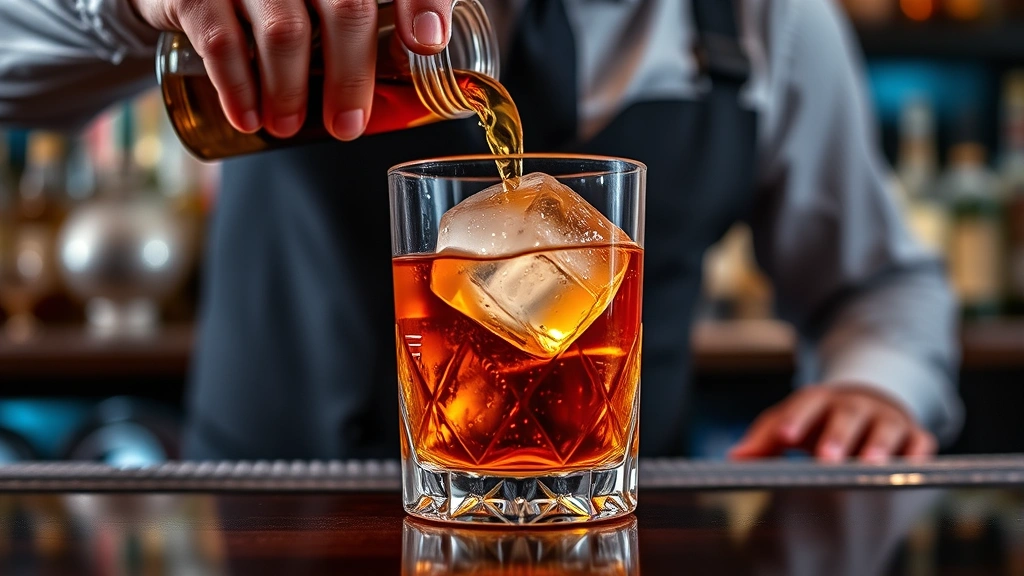
The rum old fashioned stands as one of the most elegant and timeless cocktails in the modern mixologist’s repertoire. This spirit-forward drink transcends simple refreshment—it’s a meditation on flavor, technique, and the art of balanced drinking. Whether you’re crafting cocktails at home or behind a professional bar, mastering the rum old fashioned opens doors to understanding classic cocktail construction and the nuanced world of premium rum spirits.
The beauty of this drink lies in its deceptive simplicity. Just a few quality ingredients—aged rum, sugar, bitters, and ice—combine to create something far greater than the sum of their parts. In this comprehensive guide, we’ll explore everything from spirit selection to garnishing techniques, helping you become proficient in creating this sophisticated sipper that has captivated drinkers for generations.
History and Origins of the Old Fashioned
The old fashioned emerged during the late 19th century, though pinpointing its exact creator remains a matter of spirited debate among cocktail historians. Most accounts trace the drink to the Pendennis Club in Louisville, Kentucky, where bartender James E. Pepper is said to have created it for a prominent bourbon distiller named Colonel James E. Pepper around the 1880s. However, variations of this drink appeared in bartending manuals throughout the era, suggesting it evolved organically as bartenders experimented with whiskey, sugar, and bitters.
The drink’s name itself reflects a historical moment. During an era when bartenders increasingly experimented with elaborate multi-ingredient cocktails, patrons would request their drinks prepared “the old fashioned way”—simply, with quality spirits and minimal adulteration. The name stuck, and the drink became iconic. When rum entered the picture as a primary spirit choice, the rum old fashioned naturally followed, offering Caribbean complexity in place of bourbon’s grain-forward character.
Understanding this historical context enriches your appreciation for the drink’s construction. Every element—the sugar cube, the bitters, the dilution—serves a purpose rooted in bartending tradition and flavor development.
Selecting the Perfect Rum
Rum selection fundamentally determines your drink’s character. The spirit comprises 70-75% of the cocktail’s flavor profile, making this decision paramount. Unlike whiskey old fashioneds, which traditionally employ bourbon or rye, rum old fashioneds benefit from the spirit’s geographical and production diversity.
Aged Rum Categories:
- Spanish-Style Rums (Ron Oscuro): These aged rums from Puerto Rico and the Dominican Republic offer rich molasses notes, vanilla undertones, and smooth barrel integration. Their sweetness complements the cocktail’s sugar component beautifully.
- English-Style Rums (Demerara/Guyana): Known for their funky, complex character with spice and wood notes, these rums create more challenging, sophisticated cocktails suited for experienced palates.
- French-Style Rums (Rhum Agricole): Distilled from fresh sugarcane juice rather than molasses, these rums deliver grassy, vegetal notes with bright acidity that adds complexity and elegance.
- Single-Estate Rums: Premium offerings from specific distilleries provide unique terroir expressions, much like fine wine or craft spirits.
For your first rum old fashioned, consider starting with a 12-year Spanish-style rum. Brands like Diplomatico Reserva Exclusiva or Appleton Estate 12-Year offer approachable sweetness, balanced oak influence, and smooth drinking that won’t overpower the supporting ingredients. As your palate develops, explore English-style rums for deeper complexity or rhum agricole for distinctive character.
Avoid light or white rums entirely—they lack the depth and barrel-aging character essential to this cocktail. Similarly, overproof rums (above 115 proof) can overwhelm the delicate balance, though some advanced bartenders employ them strategically in modified recipes.
Essential Ingredients and Proportions
The classic rum old fashioned follows a straightforward formula that permits slight variation based on personal preference and rum selection:
Classic Recipe (1 cocktail):
- 2 ounces aged rum
- 1 sugar cube (or ½ ounce simple syrup)
- 2-3 dashes Angostura bitters
- 1 dash orange bitters (optional but recommended)
- Large ice cube or hand-cracked ice
- Orange peel for expression and garnish
- Optionally: cherry for traditional presentation
Understanding Each Component:
The Sugar Cube: Using a traditional sugar cube rather than liquid syrup matters more than many home bartenders realize. The cube dissolves gradually, distributing sweetness evenly and allowing the drinker to control dissolution speed with their drinking pace. This creates a dynamic flavor journey—initially spirit-forward, becoming progressively sweeter. If sugar cubes are unavailable, demerara sugar crystals provide superior texture compared to standard white sugar.
The Bitters: Angostura bitters serve as the drink’s aromatic backbone, introducing spice, herbal notes, and subtle bitterness that prevents the cocktail from becoming cloying. Orange bitters add citrus complexity that harmonizes with the rum’s natural fruity undertones. Together, they’re not merely flavoring agents—they’re essential structural components that define the drink’s profile.
The Ice: Large format ice (a single cube or several hand-cracked pieces) dilutes more slowly than standard cubes, preserving spirit intensity while gradually opening up flavors. This matters because proper dilution transforms the drink from harsh and unpalatable to silky and integrated.
Technique and Method
Creating an excellent rum old fashioned demands attention to sequence and technique. This isn’t simply combining ingredients—it’s orchestrating a controlled dissolution and flavor marriage.
Step-by-Step Preparation:
- Prepare Your Glass: Use a rocks glass (also called an old fashioned glass), chilled if possible. Warming the glass with hot water, then discarding it, helps maintain temperature. Some bartenders prefer rinsing with a small amount of rum for extra flavor complexity.
- Add Sugar and Bitters: Place the sugar cube in the bottom of your glass. Add 2-3 dashes Angostura bitters and 1 dash orange bitters directly onto the sugar. This is crucial—don’t pre-mix these in liquid.
- Muddle Gently: Using a muddler or bar spoon, apply gentle pressure to the sugar cube. Your goal isn’t pulverization but rather breaking the cube into smaller pieces and releasing the bitters’ aromatics. Over-muddling bruises the bitters and extracts unwanted bitter compounds. Approximately 8-10 gentle presses suffice.
- Add Ice: Place your large ice cube (or hand-cracked ice) into the glass. If using a single large cube, it should take up most of the glass’s volume.
- Add Rum: Pour exactly 2 ounces of your selected rum over the ice. The liquid should partially dissolve the remaining sugar crystals while beginning to integrate the bitters.
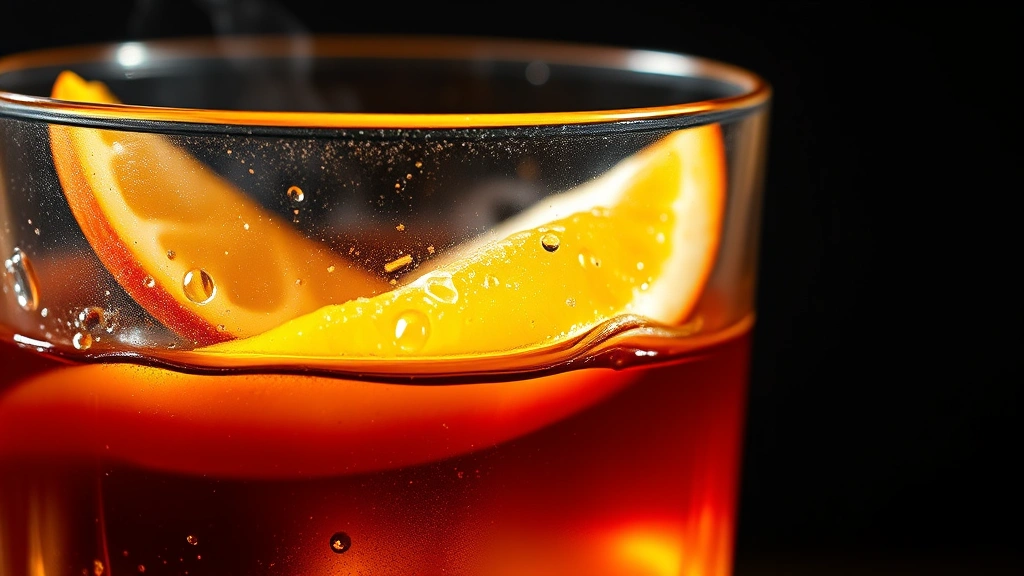
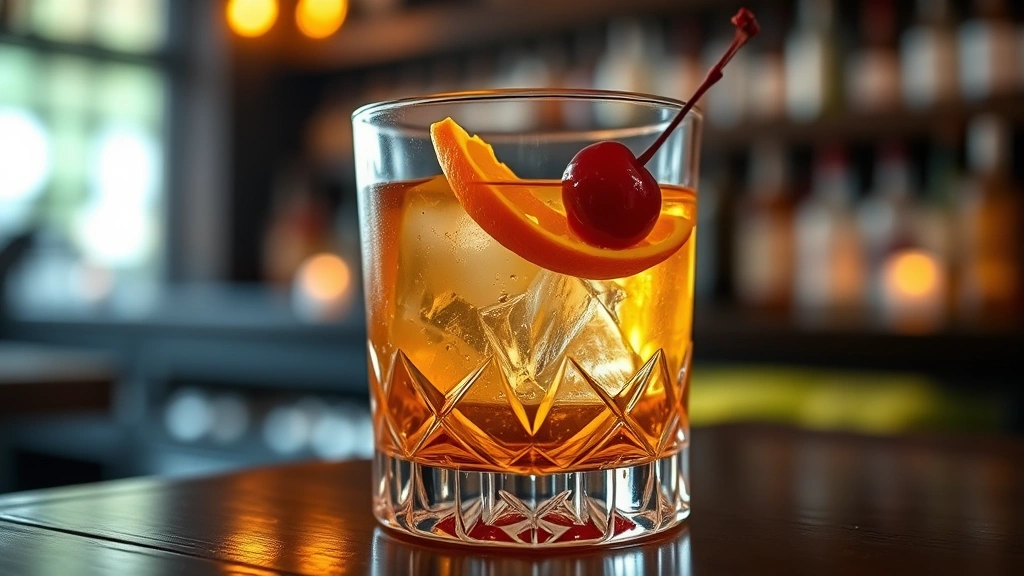
- Express and Garnish: Take a fresh orange peel (approximately 1 inch wide, 3 inches long), hold it skin-side down over the drink, and squeeze firmly to express the oils across the surface. This creates a visible sheen of citrus oil that adds aroma and subtle flavor. Drop the peel into the glass as garnish. Some bartenders add a luxardo cherry, though this is optional and somewhat debated among purists.
- Stir Briefly: Using a bar spoon, stir gently for 3-5 rotations to fully integrate ingredients and ensure even dilution.
The entire process should take approximately 60-90 seconds. Patience matters—rushing leads to incomplete sugar dissolution and unbalanced flavor.
Temperature and Dilution Considerations:
Proper dilution transforms an old fashioned from unpleasant to magnificent. As ice melts, it reduces alcohol burn and allows flavors to open up. A well-made rum old fashioned should contain approximately 15-20% water content by the time it reaches your lips. This sounds counterintuitive—won’t water weaken the drink? Actually, precise dilution heightens flavor perception and creates mouthfeel. Under-diluted drinks taste harsh; over-diluted drinks taste watery. Finding this balance through proper technique and quality ice is essential.
Popular Variations and Creative Twists
Once you’ve mastered the classic formula, exploring variations deepens your mixological understanding. These aren’t departures from tradition but rather extensions of it, honoring the drink’s flexibility while respecting its essential character.
Spiced Rum Old Fashioned: Substitute your aged rum with a quality spiced rum (like Diplomatico Mantuano or Appleton Estate Reserve Blend). The added spice notes—cinnamon, clove, nutmeg—create a warmer, more dessert-like profile. Reduce the sugar cube to ½ cube to prevent excessive sweetness. This variation appeals to those transitioning from sweeter cocktails toward spirit-forward drinks.
Demerara Old Fashioned: Use a funky English-style rum and swap your white sugar cube for a demerara sugar cube. This combination yields a deeper, more complex drink with pronounced molasses and wood notes. It’s not for everyone, but experienced rum enthusiasts often prefer this version’s sophistication.
Rhum Agricole Old Fashioned: French-style rhum agricole creates a brighter, more herbaceous version. Consider adding a tiny pinch of salt (yes, salt!) to enhance the rum’s vegetal character. This variation works beautifully with a grapefruit peel instead of orange, creating a more refreshing, citrus-forward experience.
Smoked Rum Old Fashioned: Some contemporary bartenders introduce a single drop of peated whisky or a smoke-infused bitters to create depth and smokiness. This experimental approach requires careful balance but can yield remarkable results for adventurous drinkers.
Tiki-Inspired Variation: Add ½ ounce fresh lime juice, ½ ounce orgeat (almond syrup), and a small splash of dark rum to create a hybrid between the classic old fashioned and tiki tradition. This version bridges two rum-cocktail universes.
Glassware and Presentation
Presentation matters in mixology not merely for aesthetics but because sensory experience influences flavor perception. The vessel you choose affects temperature retention, aroma delivery, and drinking experience.
Glassware Selection:
The rocks glass (also called old fashioned glass or lowball glass) remains the traditional choice. Standard sizes range from 6-10 ounces, with 8 ounces being ideal for this cocktail. The glass’s thick bottom provides structural integrity for muddling and maintains temperature. Wider opening glasses deliver aroma more effectively than narrow vessels, enhancing the citrus oil expression’s impact.
Some premium bars employ vintage crystal rocks glasses, which provide superior thermal properties and a luxurious drinking experience. If you’re serious about rum old fashioneds, investing in quality glassware elevates home preparation.
Garnish Technique:
The orange peel isn’t merely decorative—it’s functional. Expressing the oils across the drink’s surface creates a visible sheen and delivers aromatic compounds to your nose before sipping. Hold the peel approximately 2 inches above the drink, skin-side down, and squeeze firmly. You should see the oils spray across the surface. This technique requires practice but becomes natural with repetition.
Some bartenders flame the orange peel using a lighter, which caramelizes the oils and adds subtle smokiness. This advanced technique requires care but creates impressive presentation and enhanced aroma.
Presentation and Service:
Serve rum old fashioneds immediately after preparation. Unlike some cocktails that improve with extended stirring, old fashioneds are best consumed while the ice remains relatively intact and dilution is controlled. Present the drink on a small napkin or coaster, as condensation will form on the glass’s exterior. In upscale settings, a small glass of water alongside the cocktail permits palate cleansing and hydration.
Frequently Asked Questions
What’s the difference between a rum old fashioned and a bourbon old fashioned?
The primary difference is spirit selection. Bourbon delivers grain-forward, vanilla-heavy flavors from American oak aging. Rum—particularly aged rum—offers fruity, molasses-driven, and sometimes funky characteristics depending on origin and production method. Rum old fashioneds taste lighter, more tropical, and often fruitier than their bourbon counterparts. The bitters and sugar proportions remain identical; only the spirit changes.
Can I make a rum old fashioned with white rum?
Technically yes, but it’s not recommended. White rum lacks the barrel-aging character and depth necessary for this spirit-forward cocktail. You’d end up with an unbalanced drink that tastes primarily of sugar and bitters rather than showcasing quality rum. If you only have white rum available, consider a daiquiri or mojito instead—these drinks better suit unaged spirits.
Should I use fresh lime juice in a rum old fashioned?
The classic recipe contains no citrus juice, only the expressed orange peel oils. Adding lime juice transforms the drink into something different—closer to a sour than an old fashioned. That said, some bartenders experiment with minimal lime (¼ ounce) for subtle brightness. If you prefer citrus-forward drinks, explore the tiki variation mentioned above rather than modifying the classic recipe.
How much ice should I use?
Ideally, use one large hand-carved ice cube or several pieces of hand-cracked ice filling approximately 75% of the glass. Avoid small cubes, which melt too quickly and over-dilute the drink. If you can’t obtain quality ice, make it at home using filtered water in silicone molds, then crack it with a Lewis bag and mallet.
What’s the best rum for beginners?
Start with Diplomatico Reserva Exclusiva, Appleton Estate 12-Year, or Mount Gay Eclipse Reserve. These rums offer smooth drinking, approachable sweetness, and balanced oak character without overwhelming complexity. As your palate develops, explore more challenging options like Foursquare Exceptional Cask or Worthy Park Single Estate.
Can I batch rum old fashioneds in advance?
Yes, but with caveats. Combine rum, bitters, and dissolved sugar in a bottle. When serving, pour into an ice-filled glass and stir. However, the fresh orange peel expression is essential for optimal flavor, so always express fresh peels at service time. Batching works well for parties where you’re serving multiple cocktails simultaneously.
Why does my rum old fashioned taste too sweet?
Likely causes include: using too much sugar (stick to one standard cube), selecting an overly sweet rum, or adding additional sweeteners. Consider switching to a drier, more spirit-forward rum. You can also reduce the sugar to ¾ cube. Remember, the drink should taste primarily of rum with supporting sweetness, not vice versa.
What’s the alcohol content of a rum old fashioned?
A standard rum old fashioned (2 ounces of 80-proof rum with minimal dilution) contains approximately 38-40% ABV. This makes it a strong, spirit-forward drink meant for sipping rather than gulping. The high alcohol content is intentional—it’s part of the drink’s character and why quality spirits matter so much.

Related Posts
Perfect Old Fashioned Donut: Baker’s Secrets
Old Fashioned Chocolate Pie Recipe? Chef’s Favorite