Roaring 20s Makeup Looks? Expert Tips & Tricks
Roaring 20s Makeup Looks: Expert Tips & Tricks for Authentic Vintage Glamour
The 1920s represents one of the most transformative decades in beauty history. Women embraced bold experimentation, rejecting Victorian restraint in favor of dramatic eyes, defined brows, and statement lips. Whether you’re attending a themed party, creating content, or simply fascinated by vintage aesthetics, mastering authentic Roaring 20s makeup requires understanding the era’s specific techniques and product innovations that defined an entire generation’s look.
This comprehensive guide walks you through every element of 1920s makeup artistry, from the iconic smoky eye to the perfect cupid’s bow lip. We’ll explore the historical context, step-by-step tutorials, product recommendations, and professional secrets that makeup artists use to recreate this glamorous period. By the end, you’ll have the knowledge to transform yourself into a flapper or jazz-age sophisticate with confidence and authenticity.
Historical Context of 1920s Beauty Standards
Understanding the 1920s makeup aesthetic requires appreciating the cultural revolution happening simultaneously. The decade following World War I saw women gaining independence, entering the workforce, and challenging traditional gender norms. This liberation translated directly into beauty choices. The flapper movement championed youth, modernity, and theatrical glamour—a stark departure from the pale, demure appearance valued by previous generations.
Makeup during this era served as a form of rebellion. Women darkened their eyes dramatically, applied rouge boldly, and wore lipstick in deep reds and plums. The focus shifted from natural beauty to artistic transformation. Cosmetics companies like Elizabeth Arden and Coty capitalized on this revolution, making makeup more accessible and socially acceptable than ever before. The 1920s essentially birthed modern makeup culture as we know it today.
The key aesthetic principles included geometric precision, dramatic contrast, and theatrical intensity. Eyes were enlarged through makeup illusions, creating an almost doe-eyed effect. Brows were plucked into thin, high arches. Skin was powdered to a matte finish, often appearing porcelain-like. This wasn’t subtle makeup—it was designed to be seen from across a speakeasy or dance floor. Understanding this theatrical intention helps recreate authentic looks that feel true to the era’s spirit.
Essential Roaring 20s Makeup Products
Creating an authentic 1920s makeup look requires specific product types that were available during the era. While modern formulations differ from vintage originals, selecting products with comparable textures and finishes ensures historically accurate results. Here’s what you’ll need in your vintage beauty arsenal:
- Cream-based foundations or pancake makeup: The 1920s favored thick, matte coverage. Modern cream foundations or theatrical pancake makeup replicates this aesthetic better than modern liquid formulas
- Pressed powder in pale shades: Translucent or slightly peachy powders were essential for setting makeup and creating that characteristic matte finish
- Dark eyeshadow palettes: Browns, blacks, grays, and deep purples dominated 1920s eye makeup. Cream eyeshadows or powder formulas both work authentically
- Kohl pencils: Essential for lining eyes and creating dramatic definition. Black and dark brown were standard choices
- Cream or cake blush: Bright pinks, corals, and rose tones were applied heavily, sometimes in circular shapes on the apples of cheeks
- Deep red or burgundy lipstick: The iconic cupid’s bow lip required precise, long-lasting formulas. Cream or matte lipsticks work best
- Eyebrow pencils: Dark brown or black pencils for creating thin, arched brows
- Mascara: Cake mascara was original to the era, though modern mascaras work for recreating the look
Professional makeup artists often recommend shopping at specialty vintage beauty retailers or theatrical supply stores for products that authentically match 1920s formulations. However, modern drugstore and prestige brands offer excellent options that capture the same aesthetic principles when selected thoughtfully.
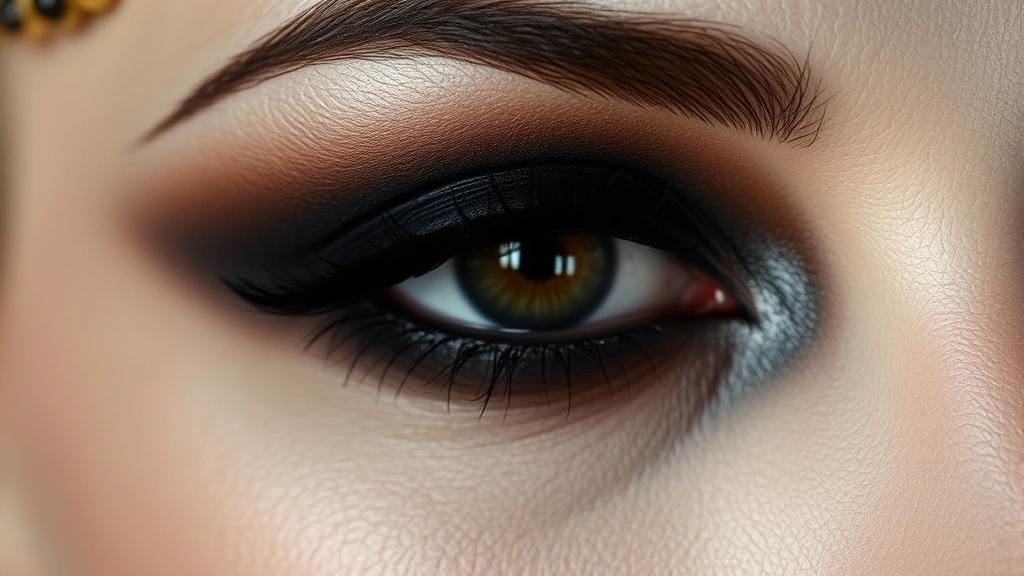
The Signature Smoky Eye Tutorial
The smoky eye represents perhaps the most iconic 1920s makeup element. This technique creates depth and drama while enlarging the eye through strategic shading. Follow this step-by-step process to achieve authentic results:
Step 1: Prime Your Eyelids Apply a thin layer of eyeshadow primer or concealer to your entire eyelid. This creates a smooth base and ensures your shadows blend seamlessly and last throughout the evening.
Step 2: Apply Transition Shade Using a fluffy blending brush, apply a neutral brown or taupe shade across your entire eyelid. This serves as a transition color and prevents harsh lines between darker shades.
Step 3: Deepen the Crease With a medium-sized blending brush, apply a darker brown or charcoal shade into your crease using windshield wiper motions. Build this gradually—you can always add more. The goal is creating definition without looking muddy.
Step 4: Smoke the Lower Lash Line This technique distinguishes authentic 1920s makeup. Using a pencil brush and dark eyeshadow, apply color along your entire lower lash line. Blend slightly for a soft, smudged effect. This creates the signature dramatic eye enlargement characteristic of the era.
Step 5: Intensify the Upper Lid Apply a darker shade—black, deep gray, or plum—to your upper eyelid, concentrating color toward the outer corner. Create a subtle wing or extend the color slightly beyond your natural eye shape for that theatrical 1920s intensity.
Step 6: Highlight the Inner Corner Apply a touch of shimmer or lighter shade to your inner eye corner. This creates contrast and makes eyes appear larger and more awake, essential for authentic flapper aesthetics.
Step 7: Line and Define Use a black or dark brown kohl pencil to line your upper lash line. You can also line the waterline for extra drama. Smudge slightly with a small brush for that characteristic soft-focus effect.
Step 8: Apply Mascara Coat lashes generously with volumizing mascara. The 1920s favored thick, dramatic lashes. Consider applying two coats for maximum impact. Some enthusiasts use false lashes to achieve the most authentic look.
The key to mastering this technique is patience and blending. Professional makeup artists emphasize that the smoky eye shouldn’t appear harsh or poorly executed. Instead, aim for a soft, smudged intensity that looks intentional and glamorous rather than accidental.
Perfecting the Cupid’s Bow Lip
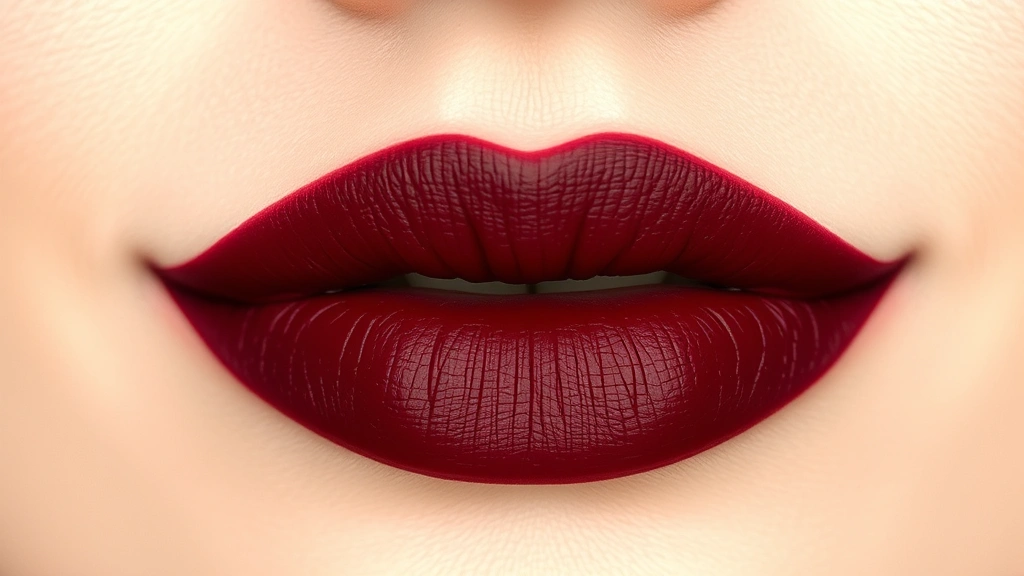
The cupid’s bow lip defines 1920s makeup. This technique involves creating a small, heart-shaped lip shape using deep red, burgundy, or plum lipstick. The distinctive feature is the pronounced dip in the center of the upper lip, creating an exaggerated cupid’s bow shape that was considered incredibly alluring during the era.
Lip Shaping Technique: Begin by outlining your natural lip line with a lip liner in a shade matching your lipstick or slightly darker. Start at the center of your upper lip and draw a small V-shape to create the cupid’s bow point. From this point, draw toward the outer corners of your mouth, staying slightly inside your natural lip line. This creates the signature 1920s lip shape—smaller and more defined than modern beauty standards prefer.
Lipstick Application: Fill in your outlined lips with lipstick using a lip brush for precision. Classic 1920s shades include deep reds, burgundies, plums, and wine tones. Apply color evenly, ensuring the cupid’s bow point remains sharp and defined. Many makeup artists recommend applying lipstick in two thin layers rather than one thick layer for better color payoff and longevity.
Pro Tips for Longevity: Use a lip primer before applying lipstick to extend wear time. Consider using a long-wearing or transfer-resistant formula, as 1920s makeup was designed for all-night wear at speakeasies and dance halls. Blot excess lipstick with a tissue, then powder lightly with translucent powder to set. This creates a matte finish authentic to the era.
Lip Variations: While deep reds are most iconic, the 1920s also featured plum, burgundy, and even brown-toned lipsticks. Experimenting with different shades within this color family allows you to create personalized versions of the classic look while maintaining historical authenticity.
Eyebrow Techniques for Authentic Flapper Looks
Eyebrows underwent dramatic transformation during the 1920s. The full, natural brows of the Victorian era gave way to thin, highly arched shapes that were often dramatically different from women’s natural brow structure. Achieving authentic 1920s eyebrows requires understanding this distinctive aesthetic.
The Thin Arch: 1920s eyebrows were plucked into thin, delicate shapes with pronounced arches positioned high on the brow bone. This created an expression of perpetual surprise—a key element of flapper aesthetics. Modern eyebrow trends favor fuller, more natural shapes, so recreating 1920s brows requires intentional deviation from contemporary beauty standards.
Brow Mapping: To create authentic high arches, map your brows before applying color. The arch should be positioned approximately two-thirds of the way across your brow, creating a dramatic lift. The tail should taper to a thin point. This geometric precision was essential to 1920s beauty.
Filling and Shaping: Use a dark brown or black eyebrow pencil to define your brows. Apply short, hair-like strokes following your mapped shape. The goal is creating a thin, precise line rather than a filled-in block of color. Some makeup artists use eyebrow powder for a softer effect, though pencil provides the precise definition most authentic to the era.
Setting Your Brows: Once shaped and filled, set brows with a clear or tinted brow gel. This prevents smudging and maintains the sharp, defined appearance throughout the day or evening.
Temporary vs. Permanent Solutions: If you’re hesitant about plucking your natural brows into thin 1920s shapes, consider using makeup alone to create the illusion. Apply concealer above your natural brow line to hide fullness, then draw thin brows with pencil slightly higher than your natural arch. This allows you to return to your natural brow shape when the vintage look isn’t needed.
Skin Preparation and Base Makeup
The 1920s prioritized porcelain-like skin with a matte, almost powdery finish. Creating this base requires specific preparation and product selection that differs from modern makeup approaches emphasizing dewy, glowing skin.
Skincare Foundation: Begin with well-moisturized skin, even though your final look will be matte. Apply a hydrating primer to create a smooth canvas. This prevents makeup from clinging to dry patches and ensures even coverage. Many modern primers are designed for dewy finishes, so seek formulas specifically labeled as mattifying or for theatrical makeup.
Foundation Selection: Choose a full-coverage foundation in a shade matching your skin tone exactly. The 1920s favored thick, visible coverage that appeared almost mask-like. Cream foundations or theatrical pancake makeup achieve this aesthetic better than sheer, buildable formulas. Apply with a damp beauty sponge, stippling rather than blending, to create even coverage with noticeable texture.
Concealer Application: Use concealer under eyes and on any blemishes you wish to hide. The 1920s didn’t prioritize flawless skin to the degree modern beauty culture does, but visible blemishes were typically covered. Apply concealer slightly thicker than you would for modern makeup, as the theatrical nature of 1920s beauty embraced visible makeup rather than seamless blending.
Powder Setting: This step is crucial for authentic 1920s makeup. After foundation and concealer, apply translucent or pale yellow powder using a large fluffy brush. Build coverage gradually, focusing on the T-zone first. Continue powdering your entire face until you achieve a matte, almost chalky finish. This matte, powdery appearance defines the era’s aesthetic and distinguishes it from modern makeup trends.
Powder Selection: Seek powders formulated for theatrical or vintage makeup rather than modern setting powders designed to appear invisible. Some enthusiasts use talc-based powders for maximum authenticity, though modern talc-free options work well. The goal is visible powder with a pale, refined appearance.
Blush, Contour, and Highlighting Methods
Blush application in the 1920s followed distinctive patterns that differed significantly from modern placement. Understanding these techniques ensures your overall look remains historically accurate.
Blush Placement: Rather than applying blush to the apples of cheeks as modern beauty teaches, 1920s makeup often featured circular or geometric blush placement positioned higher on the cheekbones. Some looks featured blush applied in distinct circles, almost doll-like in appearance. Other variations placed blush in triangular shapes or along the cheekbone itself. This theatrical placement created a specific youthful, artificial appearance that was considered highly desirable.
Blush Colors and Formulas: Bright pinks, corals, roses, and warm peaches dominated 1920s blush palettes. Cream formulas were most common historically, though modern powder blushes work effectively. Apply blush with a fluffy brush using circular motions or stippling techniques depending on your desired effect. Build color gradually—1920s blush was often quite visible and could appear dramatic by modern standards.
Contouring Approach: The 1920s didn’t use contouring as modern makeup artists practice it. However, subtle shading could refine facial structure. If you choose to contour, use a shade only slightly deeper than your skin tone and blend thoroughly so it appears as natural shadow rather than obvious makeup. Many authentic 1920s looks skip contouring entirely, relying instead on dramatic eye makeup and bold blush for facial definition.
Highlighting Techniques: Rather than the glowing highlights of modern makeup, 1920s beauty featured strategic powder placement for a refined, matte appearance. Some looks incorporated a touch of shimmer on the cheekbones or inner eye corners, but this was subtle compared to contemporary highlighting trends. If you incorporate highlights, use pale, cool-toned shimmer applied sparingly for an elegant rather than obvious effect.
Complete Look Variations
The 1920s wasn’t monolithic in makeup aesthetics. Different occasions, social circles, and personal preferences led to varied interpretations of era-appropriate beauty. Here are several complete look variations you can recreate:
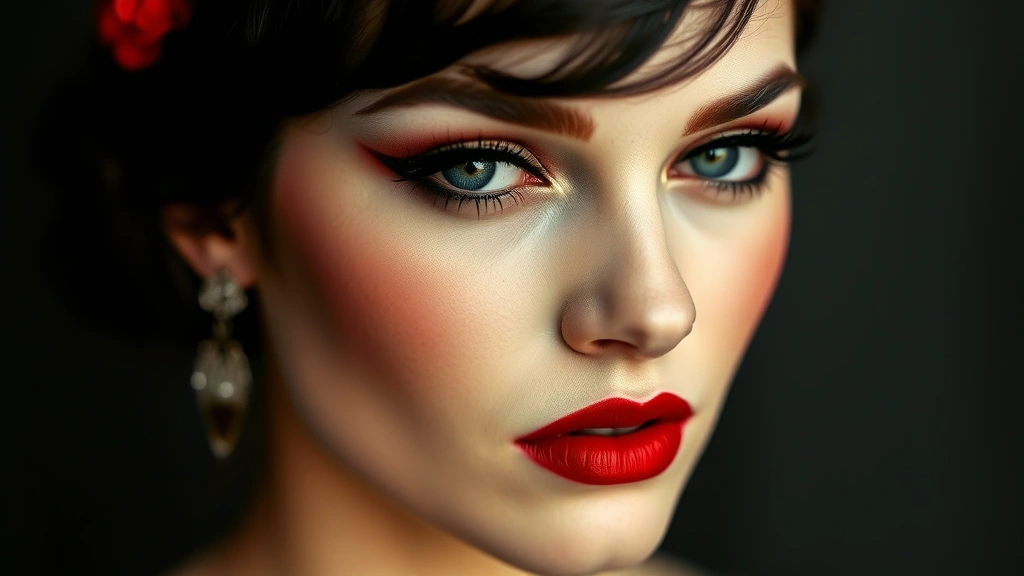
The Classic Flapper Look: This most iconic version features a dramatic smoky eye with heavy kohl lining, thin high-arched brows, deep red cupid’s bow lips, and circular blush placement. The overall effect is theatrical and youthful, perfect for themed parties or historical reenactments. This look works best on those comfortable with bold, visible makeup.
The Sophisticated Socialite: A more refined variation emphasizes elegant lines over theatrical intensity. Features include a softer smoky eye in browns and taupes rather than blacks, precisely drawn brows, burgundy or plum lips instead of bright red, and subtle blush placement. This version appeals to those wanting 1920s authenticity with modern wearability.
The Jazz Singer Look: Inspired by performers like Bessie Smith, this variation amplifies drama with extra-heavy eye makeup, darker skin tones achieved through bronzer (used more boldly than modern contouring), and rich, wine-toned lips. The overall effect is glamorous and performance-ready.
The Daytime Flapper: Not all 1920s makeup was evening-appropriate. A lighter daytime version features a softer smoky eye with less intense kohl, lighter brow definition, nude or pale pink lipstick instead of deep reds, and subtle blush. This look bridges vintage aesthetics with everyday wearability.
Professional makeup artists often recommend starting with one complete look variation before experimenting with others. Mastering the classic flapper aesthetic provides a foundation for understanding 1920s makeup principles, making other variations easier to execute confidently.
For those interested in exploring beauty trends across different eras, the 1920s represents a pivotal moment in cosmetics history. The era’s makeup philosophies influenced subsequent decades and established principles still relevant to modern beauty culture. Understanding how cultural shifts influence beauty standards provides context for why 1920s makeup looks so distinctly different from other periods.
FAQ
What’s the most important element of authentic 1920s makeup?
The smoky eye and dramatic eye definition form the foundation of 1920s makeup aesthetics. Without the characteristic darkened, enlarged eyes, other elements lose context. Focus on mastering eye makeup before perfecting other aspects of the look.
Can I recreate 1920s makeup with modern drugstore products?
Absolutely. While specialty vintage products provide authentic formulations, modern drugstore brands offer excellent options. Focus on selecting products with appropriate textures and finishes—cream foundations for thick coverage, powder shadows for blending capability, and long-wearing lipsticks—rather than requiring specific brands.
How do I make 1920s makeup look modern and wearable?
Soften the intensity by using neutral brown tones instead of blacks, opt for burgundy or plum lipstick instead of bright red, and reduce blush intensity. This maintains 1920s aesthetic principles while creating a look appropriate for everyday wear or modern settings.
What eyebrow shape works best if I don’t want to pluck permanently?
Use makeup techniques to create the illusion of thin, high-arched brows. Apply concealer above your natural brow line to hide fullness, then draw thin brows with pencil positioned slightly higher than your natural arch. This allows flexibility without permanent changes.
Are false lashes necessary for authentic 1920s makeup?
While not strictly necessary, false lashes enhance authenticity significantly. The 1920s featured dramatic, thick lashes that false lashes replicate effectively. However, multiple coats of volumizing mascara on natural lashes can achieve similar results.
How long does it take to create a complete 1920s makeup look?
With practice, expect 30-45 minutes for a complete look including skincare, base makeup, eyes, brows, blush, and lips. As you become more skilled, application time typically reduces to 20-30 minutes. Initial attempts may require 60+ minutes as you develop technique proficiency.
What’s the best way to make 1920s makeup last all night?
Use primer under base makeup and before eyeshadow application. Set makeup thoroughly with powder. Apply lipstick in two thin layers and set with powder. Consider long-wearing or transfer-resistant formulas. Bring touch-up products—blotting papers, powder, and lipstick—for refreshing makeup throughout the evening.
Can men recreate 1920s beauty aesthetics?
Absolutely. While the flapper look is distinctly feminine, 1920s men’s grooming featured specific aesthetics including slicked-back hair, defined eyebrows, and subtle makeup for performers or those in entertainment. Men interested in 1920s aesthetics can explore era-appropriate grooming and styling while incorporating makeup elements comfortably.

Related Posts
Perfect Old Fashioned Donut: Baker’s Secrets
Old Fashioned Chocolate Pie Recipe? Chef’s Favorite