Best Foundation for Dry Skin? Expert Picks
Best Foundation for Dry Skin? Expert Picks for Hydrated, Flawless Makeup
Finding the right foundation when you have dry skin can feel like an endless quest. Too many formulas leave your complexion looking patchy, cakey, or worse—emphasizing every flaky patch. The key to achieving a smooth, luminous finish starts with understanding what dry skin truly needs from a foundation, plus knowing which expert-recommended products deliver hydration without compromise.
Dry skin requires foundations that prioritize moisture, flexibility, and buildable coverage. Unlike matte formulas designed for oily complexions, the best foundations for dry skin work with your skin’s natural texture, providing a dewy finish that enhances rather than highlights problem areas. Whether you’re dealing with occasional dryness or chronic dehydration, this guide walks you through everything you need to know.
Understanding Dry Skin and Foundation Needs
Dry skin occurs when your skin barrier lacks sufficient moisture and natural oils. This condition affects how foundation sits on your face, often causing it to cling to dry patches, settle into fine lines, and appear uneven. The challenge intensifies if you’re applying foundation over compromised skin that hasn’t been properly hydrated or primed.
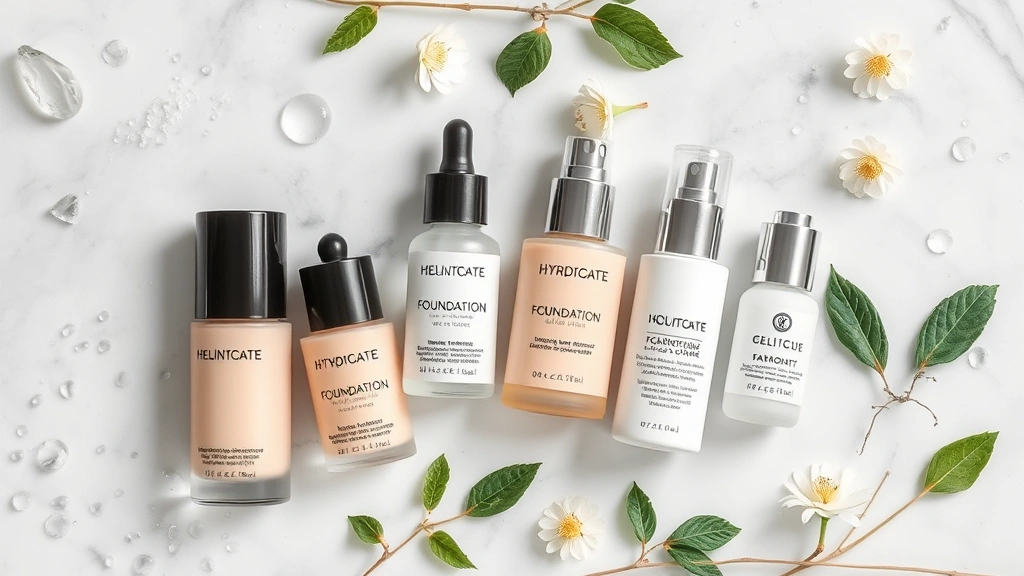
When selecting a foundation, dry skin types need formulas with hydrating properties built into their base. Silicone-based or water-based foundations with emollient ingredients create a smoother application and longer wear. Cream and liquid foundations typically work better than powder formulas, though hybrid options now bridge the gap beautifully.
The finish matters enormously. Dewy and satin finishes complement dry skin, while matte finishes can exacerbate the appearance of dryness. A luminous foundation reflects light in ways that make skin appear healthier and more hydrated, even when your skin barrier needs extra care. The American Academy of Dermatology emphasizes that foundation choice significantly impacts skin health, particularly for those with sensitive or dry complexions.
Key Ingredients to Look For
Smart ingredient selection separates foundations that work from those that disappoint. Here are the powerhouse ingredients that transform foundation performance for dry skin:
- Hyaluronic Acid: This humectant draws moisture into the skin, plumping fine lines and creating a dewy finish. Foundations featuring hyaluronic acid maintain hydration throughout the day.
- Glycerin: A hydrating ingredient that prevents moisture loss and keeps foundation from drying down to a tight, uncomfortable feel.
- Niacinamide: Strengthens the skin barrier while providing lightweight hydration without heaviness.
- Plant Oils: Jojoba, rosehip, and argan oils nourish skin while improving foundation blendability and wear.
- Peptides: Support skin elasticity and plumpness, creating a smoother canvas for foundation application.
- Vitamin E: Antioxidant protection paired with emollient properties that soften and condition skin.
When reading ingredient lists, prioritize formulas listing these hydrating components near the top. Avoid foundations heavy in alcohol or silicones alone without complementary moisturizing ingredients, as these can feel drying despite initial smooth application.
Dermatologists and beauty chemists at Cosmetics & Toiletries magazine consistently recommend foundations balancing emollients with film-forming agents for optimal performance on compromised skin barriers.
Best Foundation Formulas for Dry Skin
Different foundation formulas serve different needs. Understanding each type helps you make an informed choice aligned with your lifestyle and preferences.
Liquid Foundations: The most popular category for dry skin, liquid foundations offer customizable coverage and blend seamlessly. Cream-based liquids provide superior hydration compared to water-based alternatives. These work beautifully with beauty blog resources that emphasize foundational makeup techniques.
Stick Foundations: Concentrated, creamy formulas that deliver medium-to-full coverage with built-in hydration. Stick foundations work wonderfully for dry skin because they don’t require additional primers or setting sprays that might dry you out further.
Cushion Foundations: Originally from Korean beauty, cushion foundations use a sponge applicator saturated with liquid formula. They provide dewy finishes and exceptional hydration, making them increasingly popular for dry skin types.
Tinted Moisturizers: These hybrid products combine moisturizer with light coverage, perfect for those wanting skincare benefits alongside foundation. They’re ideal for days when you want minimal coverage but maximum hydration.
BB and CC Creams: Lightweight options that provide coverage while treating skin. These work best for mild dryness or as layering products under fuller coverage foundations.
Cream Foundations: Rich, luxurious formulas that deliver full coverage with unmatched hydration. Cream foundations require careful blending but reward patience with stunning, natural-looking results on dry skin.
Application Techniques That Transform Results
Even the best foundation for dry skin requires proper application technique. How you apply foundation matters as much as which product you choose.
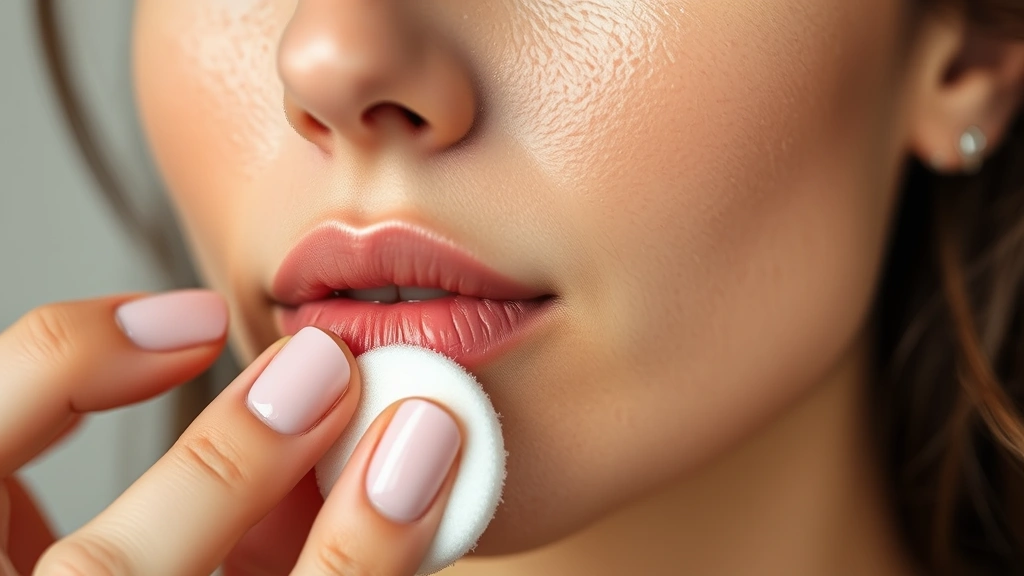
Use a Damp Beauty Sponge: A slightly damp beauty sponge helps foundation meld with skin rather than sitting on the surface. The moisture prevents the sponge from absorbing too much product while creating a seamless, skin-like finish.
Apply in Thin Layers: Build coverage gradually with thin layers rather than applying one thick coat. This technique prevents that heavy, cakey appearance while maintaining hydration throughout the day.
Blend Outward and Downward: Start at the center of your face and blend outward and downward following your skin’s natural texture. This directional blending prevents obvious foundation lines and respects your skin’s contours.
Focus on Problem Areas Last: Apply foundation to areas of good skin first, then address dry patches with extra care, using less product and more blending motion.
Set Minimally: Avoid heavy setting powders that emphasize dryness. If you must set, use a hydrating setting spray instead of powder, or apply powder only to the T-zone where oil naturally accumulates.
Consider Mixing Mediums: Some makeup artists mix a drop of facial oil or hydrating primer into foundation on their hand before application, customizing hydration levels to match your skin’s needs that day.
Prep Work: The Foundation for Success
Foundation application begins long before you open the bottle. Proper skincare preparation dramatically improves foundation performance on dry skin.
Hydrate Your Skin Barrier: Use a quality moisturizer suited to your skin type, allowing it to fully absorb before foundation application. This step is non-negotiable for dry skin success. Paula’s Choice and similar dermatologist-backed brands offer excellent guidance on barrier repair.
Apply a Hydrating Primer: A hydrating primer creates a smooth base, fills fine lines, and extends foundation wear. Look for primers featuring hyaluronic acid, glycerin, or silicone-based hydrating polymers. Primers specifically designed for dry skin make an enormous difference in final results.
Use an Eye Cream: The delicate under-eye area is particularly prone to dryness. Applying eye cream before foundation prevents creasing and caking in this visible zone.
Consider a Face Oil: A lightweight facial oil layered under primer adds an extra hydration boost without feeling greasy. This technique works especially well for those with severely dry skin.
Exfoliate Gently: Remove dead skin cells with a gentle chemical exfoliant rather than physical scrubs that can irritate dry skin. Exfoliating 2-3 times weekly helps foundation apply more evenly and smoothly.
Allow Hydration to Set: Wait 5-10 minutes after applying skincare for products to fully absorb and set before beginning makeup application. This patience prevents foundation from sitting on wet products, which causes sliding and pilling.
Expert Tips from Professional Makeup Artists
Professional makeup artists who work with dry skin clients have developed techniques that deliver consistently beautiful results. These expert strategies elevate your foundation game significantly.
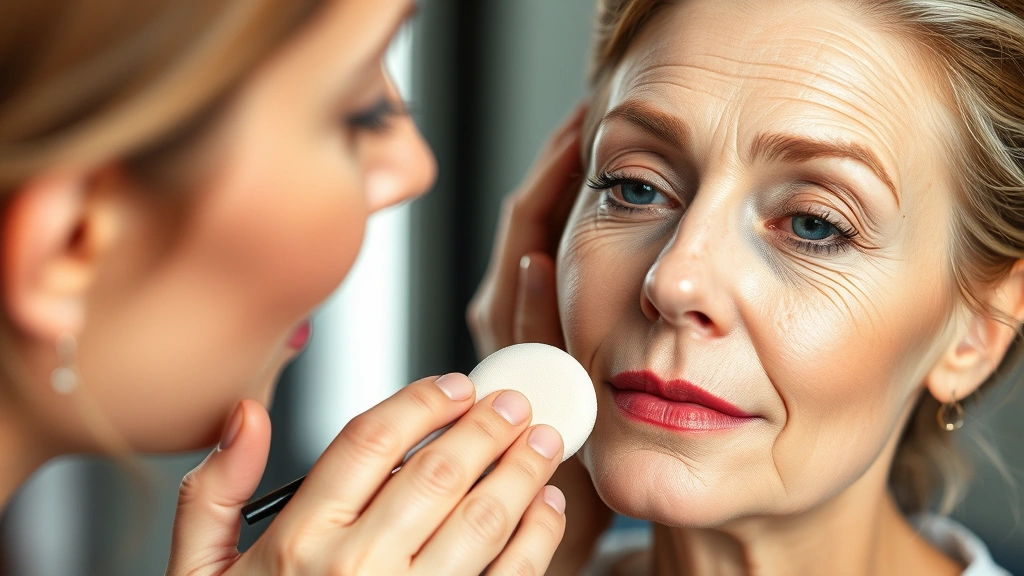
Invest in Quality Tools: Professional makeup artists emphasize that tools matter as much as products. A high-quality beauty sponge or foundation brush makes application smoother and more precise. Natural hair brushes work particularly well for cream and stick foundations.
Temperature Matters: Warm foundation slightly by rubbing it between your palms before application. The warmth helps it meld better with skin and blend more easily without tugging or pulling.
Mix Products Strategically: Pros often combine foundations to customize coverage and hydration. Mixing a hydrating foundation with a primer in your palm creates a custom formula perfectly suited to your skin’s needs that day.
Avoid the Powder Trap: Many makeup artists skip powder entirely for dry skin, relying instead on setting spray. When powder is necessary, they use a light hand and apply only where the skin naturally gets oily.
Keep Hydration Spray Handy: Professional makeup artists keep a hydrating setting spray in their kits, using it throughout the day to refresh makeup and maintain that dewy finish. This simple step prevents foundation from looking tired or drying down.
Customize by Season: Makeup professionals adjust their foundation approach seasonally. Winter typically requires heavier hydration, while summer might allow slightly lighter formulas. Your best foundation pick may actually be a collection of products rotated based on weather and skin condition.
Learning from professional makeup artist associations provides access to cutting-edge techniques and product knowledge that elevates your routine.
FAQ
What’s the difference between hydrating and moisturizing foundations?
Hydrating foundations add water-based moisture to skin, while moisturizing foundations typically contain oils and emollients. Both benefit dry skin, but hydrating foundations work better for those wanting lightweight hydration, while moisturizing formulas suit severely dry complexions.
Can I use matte foundation if I have dry skin?
While not ideal, matte foundations can work on dry skin if properly prepped with excellent skincare and hydrating primers. However, dewy and satin finishes are significantly more forgiving and flattering for dry skin types.
How often should I replace my foundation?
Foundation typically lasts 6-12 months depending on storage and usage. However, if your skin’s hydration needs change seasonally, you might rotate between different foundations throughout the year.
Should I use separate products for face and under-eyes?
Many makeup professionals recommend using a dedicated concealer or lighter foundation formula under the eyes, as these delicate areas are more prone to dryness and creasing. This targeted approach prevents the obvious makeup line some full-coverage foundations create.
What if my foundation still looks patchy despite proper application?
Patchiness despite good technique usually indicates your skincare routine needs attention. Focus on intensive hydration for 2-4 weeks, then reassess foundation performance. Often, skin barrier repair solves foundation application challenges completely.
Is it worth investing in expensive foundations for dry skin?
Quality matters for dry skin, but expensive doesn’t always mean better. Mid-range and luxury foundations both offer excellent options. Focus on formula type and hydrating ingredients rather than price alone. Reading reviews from others with dry skin helps identify which products deliver genuine value.

Related Posts

Perfect Old Fashioned Donut: Baker’s Secrets
Old Fashioned Chocolate Pie Recipe? Chef’s Favorite