Men’s Boot Styles? Expert Fashion Insights
Men’s boots have evolved far beyond their utilitarian origins to become a cornerstone of contemporary fashion. Whether you’re dressing for the office, weekend adventures, or casual social gatherings, understanding the nuances of boot styles can elevate your entire wardrobe. The right pair of boots doesn’t just complete an outfit—it communicates confidence, style awareness, and personal taste. From classic leather designs to modern interpretations, the world of men’s footwear offers endless possibilities for self-expression.
Fashion-forward men today recognize that boots are investment pieces that deserve thoughtful consideration. The quality of materials, construction methods, and design details all contribute to a boot’s longevity and versatility. When you invest in understanding quality fashion choices, you’re making decisions that impact both your personal style and broader consumption patterns. This guide explores the most influential boot styles, helping you navigate the landscape with expert insights and practical styling tips.
Classic Chelsea Boots
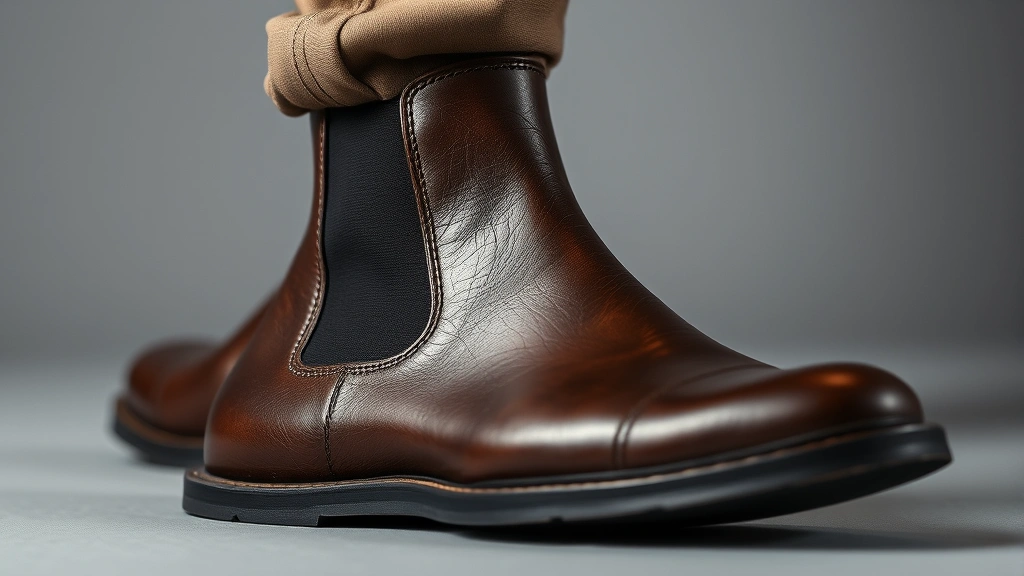
Chelsea boots represent the epitome of refined masculinity and timeless sophistication. Originally designed in Victorian England, these ankle-height boots feature distinctive elastic side panels that allow for easy on-and-off access while maintaining a sleek silhouette. The Chelsea boot’s versatility makes it perhaps the most essential boot style for any man’s wardrobe, capable of transitioning seamlessly from business casual to smart-casual environments.
The hallmark of a quality Chelsea boot lies in its construction and materials. Premium versions feature welted soles, allowing for resoling and extended lifespan. Leather quality varies significantly—full-grain leather develops a beautiful patina over time, while suede offers a softer, more textured aesthetic. When selecting a Chelsea boot, pay attention to the heel height (typically one to one-and-a-half inches), the tightness of the elastic, and the overall proportion relative to your leg and body frame.
Styling Chelsea boots works beautifully with tailored trousers, chinos, or dark denim. The thoughtful pairing of clothing elements creates harmonious outfits. For formal occasions, pair black or dark brown Chelsea boots with a charcoal suit. For weekend wear, combine them with rolled chinos and a casual sweater. The boot’s clean lines complement both slim and regular-fit pants, making it genuinely universal.
Combat and Military Boot Styles
Combat boots have transcended their military origins to become a staple of contemporary street style and fashion-forward wardrobes. These robust boots feature sturdy lacing systems, aggressive tread patterns, and reinforced construction designed to withstand demanding environments. Modern combat boots range from authentic military-grade versions to fashion-oriented interpretations with refined detailing.
The appeal of combat boots lies in their inherent attitude and visual impact. A well-chosen combat boot adds edge and personality to any ensemble. Leather combat boots work particularly well with chinos, cargo pants, or raw denim, creating an aesthetic that balances ruggedness with contemporary style. Suede versions offer a slightly softer approach while maintaining the boot’s characteristic presence. The various environmental contexts where men wear boots influence style choices—outdoor enthusiasts gravitate toward more utilitarian designs, while urban fashionistas prefer refined versions.
When incorporating combat boots into your wardrobe, consider the overall proportion and visual weight. Taller men can wear heavier, more aggressive combat boots without appearing overwhelmed. Shorter men might opt for sleeker versions with more refined detailing. Pairing combat boots with tailored clothing creates an interesting contrast—try them with dress trousers or a well-fitted blazer for an unexpectedly sophisticated look.
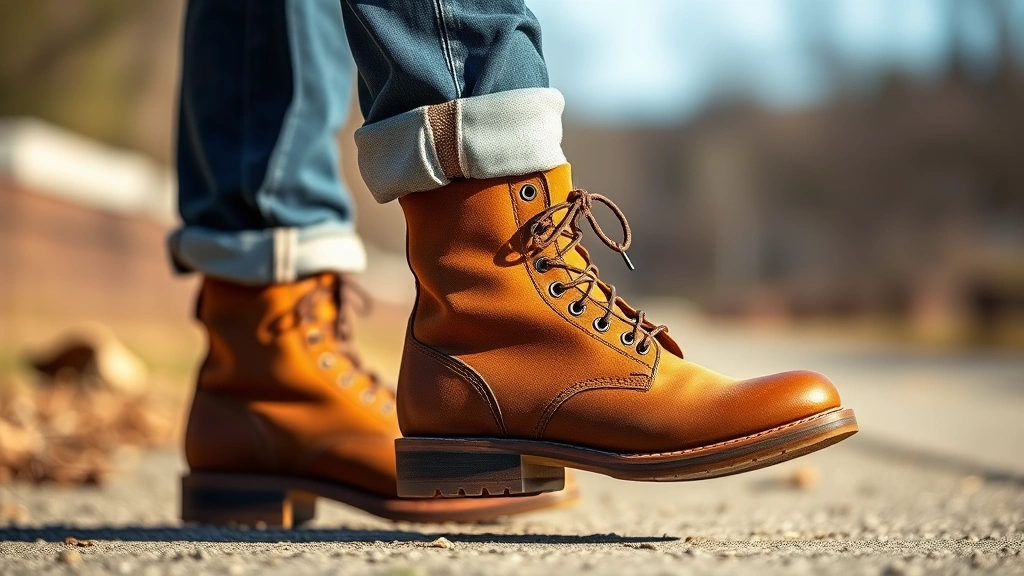
Key styling tip: Roll your pant legs slightly to showcase the boot’s details and create visual interest. This technique works especially well with denim and chinos, allowing the boot’s craftsmanship to become part of the outfit’s narrative.
Western and Cowboy Boots
Western boots carry powerful cultural associations and distinctive design elements that make them instantly recognizable. Characterized by their tall shaft, stacked heel, and often ornate stitching patterns, cowboy boots offer a bold fashion statement. These boots have evolved from practical ranch wear to legitimate fashion pieces worn by style-conscious men worldwide.
The construction of Western boots typically includes a higher heel (one-and-a-half to two inches) that serves both functional and aesthetic purposes. The leather is often treated with special finishes and features decorative stitching that tells stories of heritage and craftsmanship. Contemporary Western boots come in various heights and styles—from traditional tall versions to modern ankle-height interpretations—allowing for greater versatility in styling.
Wearing Western boots successfully requires confidence and intentionality. These boots work beautifully with straight-leg or bootcut jeans, complementing the boot’s visual presence. For a more fashion-forward approach, try pairing Western boots with tailored trousers or even chinos for an unexpected juxtaposition. The key is balancing the boot’s boldness with other elements of your outfit. When you understand design principles and their applications, you can confidently style even statement pieces like Western boots.
Work Boots and Heritage Designs
Work boots represent some of the most authentic and durable footwear available, prized by both tradespeople and fashion enthusiasts. Brands like Red Wing, Thorogood, and Timberland have built reputations on creating boots that perform in demanding conditions while developing character through use. These heritage boots feature robust construction, quality materials, and designs that have remained largely unchanged for decades.
The appeal of heritage work boots extends beyond functionality—they represent authenticity and craftsmanship in an era of mass production. A properly maintained pair of work boots improves with age, developing a unique patina that reflects the wearer’s experiences. The leather softens, the sole wears in naturally, and the boot becomes increasingly comfortable and individualized.
Styling work boots requires embracing their utilitarian origins while acknowledging their contemporary appeal. Raw denim pairs exceptionally well with work boots, creating a cohesive aesthetic that celebrates authenticity. Heavier chinos, canvas trousers, or heritage-inspired clothing amplifies the work boot’s character. However, fashion-forward men also pair work boots with more refined pieces—a wool sweater, dress shirt, or tailored blazer creates an interesting tension between ruggedness and sophistication.
Investment consideration: Quality work boots represent excellent value for money. A pair costing $200-400 can last 10-15 years with proper care, making the cost-per-wear remarkably low compared to cheaper alternatives that require frequent replacement.
Understanding sustainable consumption patterns means choosing durable boots that last rather than constantly replacing cheap footwear. Heritage boots embody this principle through their longevity and timeless design.
Desert Boots and Chukkas
Desert boots and chukkas occupy a unique position in men’s footwear—casual enough for relaxed settings yet refined enough for business-casual environments. Originally designed for British military personnel in World War II, desert boots feature a distinctive crepe rubber sole and simple construction with minimal seaming. Chukkas share similar principles but typically feature two or three eyelets rather than the desert boot’s multiple lacing points.
The beauty of desert boots lies in their versatility and accessibility. These boots work with nearly every type of casual clothing—jeans, chinos, casual trousers, or even shorts on warmer days. The crepe sole provides comfort and a slightly informal appearance, making them perfect for weekend wear or creative workplace environments. Suede versions offer a particularly refined aesthetic, while leather versions provide durability and easier maintenance.
Chukka boots have experienced a significant fashion renaissance, particularly among style-conscious professionals. A quality chukka in tan suede or chocolate leather pairs beautifully with dress trousers, creating an outfit that feels professional yet approachable. This boot style bridges the gap between formal and casual, making it invaluable for men navigating modern dress codes that increasingly blur traditional boundaries.
Modern Chelsea Boot Variations
Contemporary boot design has introduced numerous Chelsea boot variations that maintain the style’s essential elements while incorporating modern aesthetics and construction techniques. Double-soled Chelseas feature thicker, more dramatic soles that add visual weight and contemporary appeal. Chelsea boots with exaggerated toe boxes offer a fashion-forward silhouette that works particularly well with slim-fitting clothing. Some modern interpretations feature suede construction, unique color treatments, or mixed materials that push traditional boundaries.
The evolution of Chelsea boots demonstrates how classic designs remain relevant through thoughtful innovation. Designers introduce subtle changes—slightly different heel shapes, alternative materials, or updated proportions—that refresh the style while respecting its heritage. When shopping for modern Chelsea variations, consider your personal style and how the boots’ specific details align with your existing wardrobe.
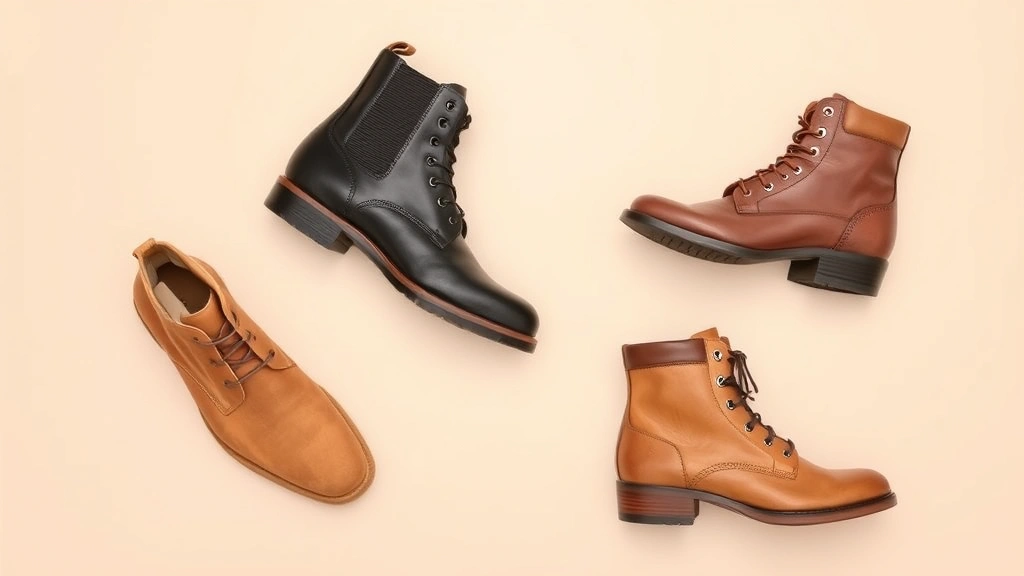
Color selection in modern Chelsea boots has expanded significantly beyond traditional black and brown. Burgundy, navy, and even gray Chelsea boots offer contemporary alternatives while maintaining versatility. These color options work beautifully with a broader range of clothing, allowing for more creative styling. A navy Chelsea boot, for instance, pairs exceptionally well with charcoal or medium gray trousers, creating sophisticated monochromatic outfits.
Styling Your Boots for Different Occasions
Professional environments demand boots that communicate competence and style awareness. Chelsea boots in black or dark brown represent the safest choices for conservative workplaces, paired with tailored trousers and professional clothing. More creative industries accommodate greater experimentation—consider suede Chelseas, colored boots, or more distinctive styles that showcase personality while maintaining professionalism.
Social and casual settings provide freedom to experiment with boot styles and combinations. Weekend jeans with work boots, chinos with desert boots, or tailored trousers with combat boots all create compelling outfits that reflect personal style. The key is ensuring proportions work—boots with heavier visual presence pair well with relaxed, slightly oversized clothing, while sleeker boots work with more tailored silhouettes.
Seasonal considerations influence boot selection and styling. Heavier leather boots suit autumn and winter, while suede or lighter-colored options work better in spring and summer. Waterproof treatments become essential for wet climates, and proper storage—using boot trees and keeping boots in cool, dry environments—preserves their shape and extends their lifespan.
Understanding environmental factors in fashion choices means selecting boots appropriate for your climate and lifestyle. A man in a rainy coastal city needs different boot solutions than someone in a dry, warm climate. This contextual thinking elevates your fashion decision-making from impulse-based to strategic.
Boot Care Fundamentals: Proper maintenance significantly extends boot longevity. Regular cleaning with appropriate products, conditioning leather to prevent cracking, and using boot trees to maintain shape are essential practices. Waterproofing treatments protect against moisture damage, while professional resoling services restore worn soles, effectively giving your boots a second life.
The relationship between boot selection and overall wardrobe cohesion cannot be overstated. When you choose boots intentionally—considering color, style, material, and how they integrate with existing clothing—your entire wardrobe becomes more functional and sophisticated. Strategic boot purchases eliminate outfit confusion and maximize styling possibilities across multiple seasons and occasions.
FAQ
What is the most versatile boot style for men?
Chelsea boots in black or dark brown leather represent the most versatile option, working across professional, casual, and social settings. Their clean lines and neutral colors pair with nearly every clothing type, making them an essential wardrobe foundation.
How should boots fit properly?
Quality boots should fit snugly around the heel and midfoot while providing adequate toe room (approximately half an inch). The shaft should feel secure without pinching, and you should be able to insert one finger between your heel and the boot’s back. Proper fit prevents blisters and ensures comfort during extended wear.
Can men wear colored boots in professional settings?
Yes, but context matters significantly. Burgundy, navy, or other darker colors work well in creative industries or business-casual environments. Conservative industries typically demand black or dark brown. When in doubt, choose neutral colors that won’t distract from your overall professional appearance.
How long should quality men’s boots last?
Well-constructed boots with proper care can last 10-15 years or longer. Heritage and work boots often outlast cheaper alternatives by years, making them better long-term investments despite higher initial costs. Professional resoling extends lifespan even further.
What’s the difference between Chelsea boots and Chukka boots?
Chelsea boots feature elastic side panels for easy on-and-off access and typically reach the ankle. Chukka boots use traditional lacing (usually two or three eyelets) and have a slightly more casual appearance. Both work across casual and professional settings, but Chelseas feel more formal while Chukkas lean casual.
Are work boots considered fashionable?
Absolutely. Heritage work boots have become increasingly popular among fashion-conscious men who appreciate their authenticity, durability, and aesthetic appeal. These boots work beautifully with contemporary styling and represent a shift toward valuing craftsmanship and longevity in fashion.
How do I break in new boots comfortably?
Gradual wearing is essential—alternate between new boots and established footwear for the first 1-2 weeks. Wear them for shorter periods initially, allowing leather to soften and mold to your feet. Using boot trees and conditioning leather accelerates the break-in process while preventing damage.

Related Posts

Perfect Old Fashioned Donut: Baker’s Secrets

Old Fashioned Chocolate Pie Recipe? Chef’s Favorite