Korean Hair Trends: Expert Stylist Insights
Korean Hair Trends: Expert Stylist Insights for 2024
Korean hair fashion has revolutionized the global beauty industry, moving far beyond simple trends to become a comprehensive lifestyle philosophy. From Seoul’s bustling Gangnam district to international runways, Korean hairstyling techniques and aesthetic principles have captured the imagination of beauty enthusiasts worldwide. What makes Korean hair trends so compelling is their emphasis on healthy, luminous locks combined with innovative cutting techniques that flatter diverse face shapes and hair textures.
The influence of Korean beauty culture extends across multiple dimensions—celebrity endorsements, K-drama impact, and the meticulous attention to hair health that Korean stylists prioritize. Unlike Western trends that often prioritize dramatic transformations, Korean hair fashion celebrates subtle sophistication and maintenance-friendly styles that enhance natural beauty. Expert stylists from Seoul’s top salons reveal that the philosophy behind these trends involves understanding individual characteristics and creating personalized solutions rather than forcing universal looks.
The Glass Hair Phenomenon: Korean Hair Fashion’s Signature Look
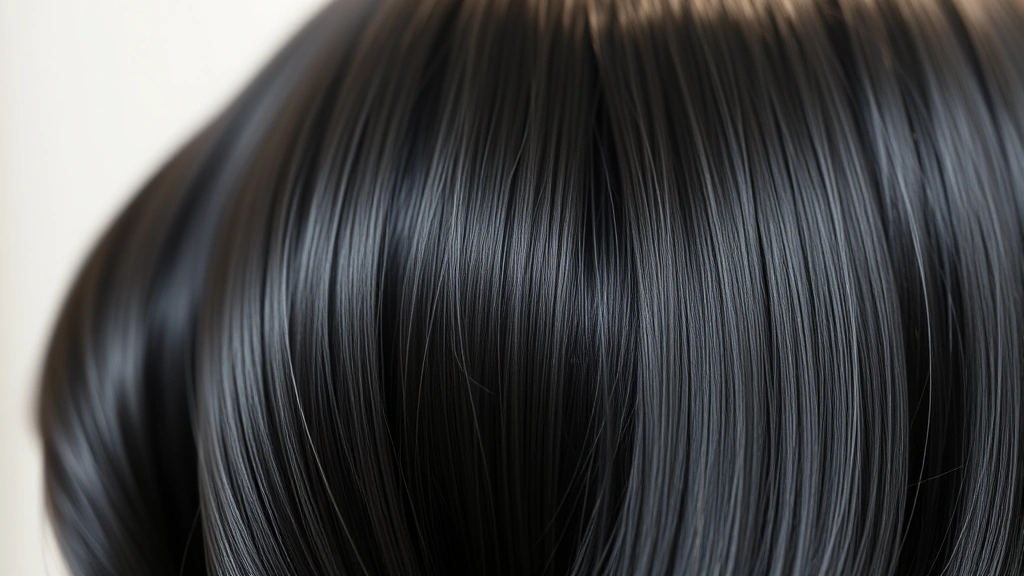
Glass hair represents the pinnacle of Korean hair aesthetic—a style characterized by an ultra-smooth, luminous finish that reflects light like polished glass. This trend emerged from Korean celebrities and has become synonymous with Korean hair fashion globally. The goal isn’t merely straightness; it’s achieving a mirror-like shine and impeccable smoothness that appears effortless yet requires significant expertise and dedication.
Expert stylists emphasize that glass hair isn’t about damaging your hair with excessive heat. Instead, it combines precise cutting techniques, professional smoothing treatments, and meticulous daily care routines. Korean salons utilize advanced protein treatments and keratin-based products that seal the hair cuticle, creating that signature reflective quality. The comprehensive approach to beauty in Korean culture means stylists consider hair health as paramount to achieving this look.
The glass hair trend works exceptionally well for individuals with straight to slightly wavy hair naturally, though stylists have developed techniques to achieve similar effects on curlier textures. The process typically involves:
- Professional smoothing treatments (Korean-style protein therapy)
- Precision layering to reduce bulk and enhance shine
- Regular deep conditioning treatments
- Silk pillowcase usage and protective styling
- Minimal heat styling with high-quality tools
Maintenance is crucial—glass hair requires commitment to a structured hair care routine. Many individuals visit salons monthly for touch-ups and professional treatments. The investment in quality hair care products becomes essential when pursuing this particular Korean hair fashion aesthetic.
Curtain Bangs and Face-Framing Techniques
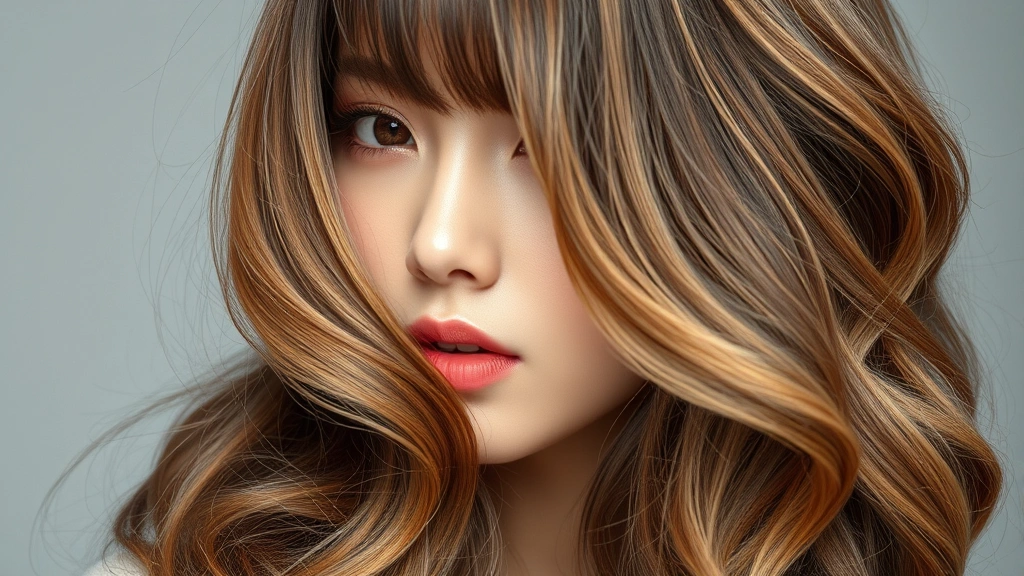
Curtain bangs have become ubiquitous in Korean hair fashion, offering a versatile style that flatters virtually every face shape. Unlike blunt bangs that require frequent trims, curtain bangs feature a soft, parted design that frames the face beautifully while allowing styling flexibility. Korean stylists have perfected this technique, making it a cornerstone of contemporary Korean hair trends.
The genius of curtain bangs lies in their adaptability. They work beautifully with various environmental conditions and hair textures, maintaining their appeal whether styled sleek or tousled. Expert Korean stylists recommend curtain bangs for:
- Individuals seeking low-maintenance styling options
- Those wanting to frame facial features without commitment
- People with varying hair textures who struggle with uniform bangs
- Anyone experiencing a style transition period
Face-framing techniques extend beyond bangs. Korean stylists employ strategic layering around the face to create dimension and movement. These techniques work synergistically with curtain bangs to enhance cheekbones, soften jawlines, and create the coveted youthful appearance central to Korean hair fashion philosophy. The key involves understanding facial proportions and creating visual balance through strategic hair placement.
Color placement amplifies face-framing techniques. Lighter shades or highlights concentrated around the face create an illuminating effect that draws attention to facial features. This combination of cutting technique and strategic color application represents the sophisticated approach Korean stylists bring to hair design.
Color Trends in Korean Hair Fashion
Korean hair color trends emphasize subtle sophistication over dramatic transformation. Rather than bold statements, Korean stylists favor nuanced shades that enhance natural coloring and create dimension through multi-tonal approaches. The current color philosophy in Korean hair fashion celebrates understated elegance and wearability.
Popular Korean hair color trends include:
- Ash Tones: Soft, cool-toned browns and blondes that create a refined appearance
- Honey Highlights: Warm, dimensional tones that suggest sun-kissed natural lightening
- Butter Blonde: Creamy, warm blonde shades that flatter various skin tones
- Chestnut Brown: Rich, dimensional browns with subtle reddish undertones
- Black Pearl: Deep, reflective black with subtle iridescent undertones
The emphasis on hair health means Korean stylists prioritize color techniques that minimize damage. Balayage and foilage techniques distribute color more gently than full-head applications. Many Korean salons incorporate sustainable practices into their color processes, using ammonia-free dyes and protein-enriched formulations that condition while coloring.
Toning is crucial in Korean hair color approach. After coloring, stylists apply precise toning treatments to neutralize unwanted undertones and enhance desired hues. This multi-step process ensures color longevity and maintains the luminous quality essential to Korean hair fashion aesthetics.
Root touch-up strategies differ significantly from Western approaches. Rather than hiding regrowth, some Korean trends celebrate it as a stylistic element. Shadow roots—where darker tones near the scalp gradually transition to lighter tips—have become a deliberate design choice that reduces maintenance frequency while creating dimensional interest.
Healthy Hair Culture and Maintenance Philosophy
Korean hair fashion fundamentally differs from many Western approaches through its unwavering commitment to hair health. This philosophy recognizes that beautiful hair begins with healthy foundations. Korean stylists and beauty experts prioritize scalp health, moisture balance, and structural integrity above trend adoption.
The Korean approach to hair maintenance involves:
- Regular scalp treatments and cleansing rituals
- Protein-based deep conditioning (weekly minimum)
- Moisture balancing with hydrating masks
- Minimal heat styling and protective product usage
- Professional treatments quarterly or bi-monthly
- Nutritional supplementation for hair health
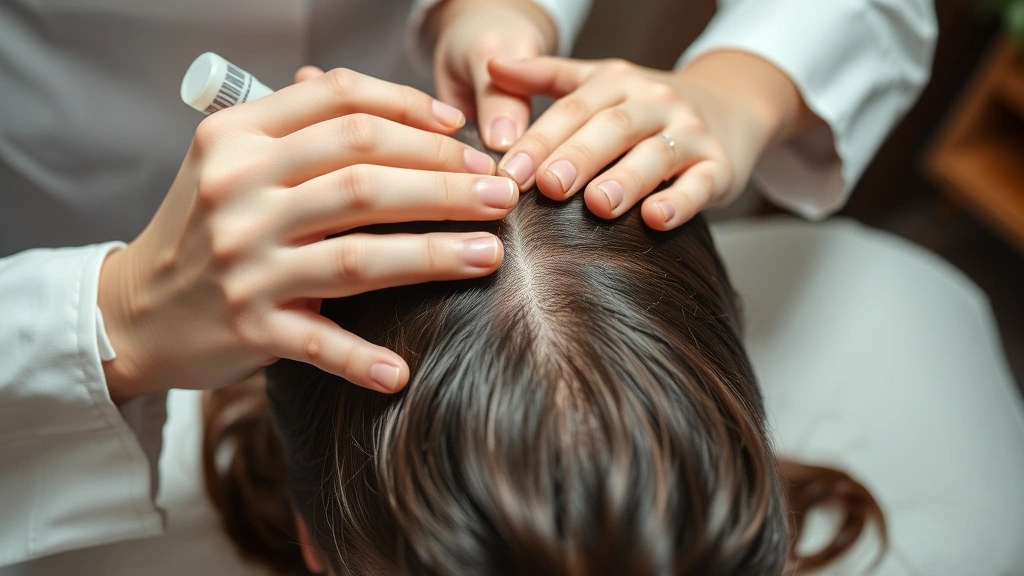
Scalp care receives particular emphasis in Korean hair culture. A healthy scalp provides optimal conditions for hair growth and shine. Many Korean salons offer specialized scalp treatments involving exfoliation, massage, and nourishing serums. This preventative approach addresses hair issues at their source rather than masking problems with styling techniques.
The concept of “hair fasting” has gained traction in Korean beauty communities. This practice involves periodic breaks from heat styling, chemical treatments, and heavy products, allowing hair to recover naturally. During these periods, individuals use only gentle cleansing products and focus on deep conditioning and scalp massage.
Professional treatments available at Korean salons include:
- Keratin smoothing treatments for glass hair effect
- Protein therapy for damaged or weakened hair
- Scalp detox treatments using natural ingredients
- Intensive moisture masks with premium ingredients
- Hair botox treatments for structural repair
Layering and Texture Innovation in Korean Hair Trends
Layering represents a fundamental technique in Korean hair fashion, enabling stylists to create movement, dimension, and shape without sacrificing length. Korean stylists have elevated layering to an art form, developing techniques that work harmoniously with various hair textures and face shapes. This approach contrasts with Western tendencies toward blunt cuts, offering greater versatility and styling options.
Strategic layering accomplishes multiple objectives simultaneously. It reduces bulk in thick hair while adding volume to fine textures. Layers create movement that makes hair appear healthier and more dynamic. They enable styling versatility—the same layered cut can appear sleek when straightened or textured when styled with waves or curls.
Texture innovation in Korean hair fashion includes:
- Air Curls: Soft, bouncy waves created through specific layering and styling techniques
- Wolf Cut: Combination of shag and mullet elements with strategic layers creating edgy texture
- Undercut Layers: Hidden shorter layers that create movement without obvious length variation
- Feather Layers: Delicate, seamlessly blended layers that create subtle texture
- Choppy Layers: More defined layers creating dramatic texture and movement
The wolf cut deserves special attention as a defining Korean hair trend. This style combines longer top layers with shorter, textured underlayers, creating a rebellious yet refined aesthetic. Despite its edgy appearance, the wolf cut requires significant styling skill and regular maintenance to maintain its intentional texture.
Texture creation techniques in Korean salons often involve:
- Precision cutting to remove weight strategically
- Perm or wave treatments using gentler formulations
- Blow-dry styling techniques that enhance natural texture
- Product application methods that create definition without crunchiness
- Regular trims to maintain layer shape and texture integrity
The Role of K-Beauty in Hair Styling and Product Innovation
Korean beauty (K-beauty) philosophy extends comprehensively into hair care and styling. This culture emphasizes innovation, ingredient quality, and scientific formulation. Korean hair products represent the intersection of traditional botanical knowledge and cutting-edge cosmetic science, creating solutions that address specific hair concerns with precision.
K-beauty hair products typically feature:
- Botanical ingredients like ginseng, mugwort, and green tea
- Protein complexes from multiple sources for comprehensive conditioning
- Hyaluronic acid for moisture retention
- Peptides for structural strengthening
- Antioxidant-rich serums for scalp and hair protection
The beauty industry’s evolution has been significantly influenced by Korean innovation. Korean brands have pioneered multi-step hair care routines similar to skincare approaches. This includes cleansing, toning, treating, and nourishing phases that address hair comprehensively.
Professional Korean hair treatments utilize premium ingredients and advanced formulations. These salon treatments often feature:
- Concentrated protein complexes for intensive repair
- Scalp-specific serums addressing various concerns
- Heat-activated masks that penetrate more deeply
- Customized treatments based on individual hair analysis
- Combination treatments addressing multiple needs simultaneously
The influence of Korean styling extends to tool technology. Korean hair dryers and styling tools incorporate advanced features like ionic technology, temperature control, and ergonomic design. These innovations support the Korean philosophy of achieving beautiful results while minimizing heat damage.
Home care routines recommended by Korean stylists typically include:
- Sulfate-free, gentle cleansing shampoos
- Protein-enriched conditioners matching hair type
- Weekly intensive masks or treatments
- Scalp serums or tonics
- Heat-protective sprays before styling
- Finishing serums or oils for shine
Korean celebrities and influencers significantly impact product trends and styling preferences. Their endorsement of specific products and techniques creates global demand and drives innovation. This celebrity influence operates differently than Western celebrity culture—Korean approach emphasizes education and authentic product usage rather than mere endorsement.
FAQ
What exactly is glass hair and how is it different from regular straight hair?
Glass hair refers to an ultra-smooth, highly reflective hair finish that appears almost translucent and mirror-like. Unlike regular straight hair, glass hair requires specialized treatments, professional smoothing procedures, and meticulous maintenance. The reflective quality comes from sealed hair cuticles and protein treatments that create a polished surface, not simply from straightening. It’s an aesthetic achievement requiring ongoing professional care and home maintenance dedication.
Can I achieve Korean hair trends if I have naturally curly or textured hair?
Absolutely. While some Korean trends work more naturally with straight hair, expert stylists have developed techniques for textured hair. Curtain bangs, layering, and color trends adapt beautifully to curly textures. Treatments like smoothing services can be modified for curly hair, and many Korean stylists now specialize in creating Korean-inspired styles for diverse hair textures. The key involves finding stylists experienced with your specific hair type.
How often should I get professional treatments to maintain Korean hair trends?
Maintenance frequency depends on your chosen trend and hair condition. Glass hair typically requires monthly professional treatments and bi-weekly deep conditioning at home. Layered styles need trims every 6-8 weeks to maintain shape. Color treatments require touch-ups every 4-8 weeks depending on technique used. Scalp treatments benefit from monthly professional applications. Your stylist can recommend a personalized maintenance schedule based on your specific style and hair needs.
What’s the difference between Korean hair trends and other Asian hair trends?
While various Asian hair trends share emphasis on health and subtle sophistication, Korean hair fashion specifically emphasizes glass-like shine, strategic layering, and multi-step treatment processes. Korean trends tend toward more experimental cuts (like wolf cuts) while maintaining refined aesthetics. The K-beauty influence also brings specific product formulations and professional treatment protocols unique to Korean salon culture. Each Asian beauty culture has distinct philosophies—Korean trends emphasize innovation within refined parameters.
Are Korean hair products necessary for achieving these trends?
While Korean products are excellent and specifically formulated for these aesthetics, they’re not absolutely necessary. The key involves finding products matching your hair type and needs, using appropriate treatment protocols, and maintaining consistency. Many professional treatments work similarly regardless of brand. However, Korean brands often excel at multi-step systems and innovative formulations that support these specific trends effectively. Quality and consistency matter more than specific brand origin.
How do I find a stylist experienced in Korean hair trends?
Look for stylists with Korean training or experience working in Korean salons. Check portfolios specifically for Korean-style cuts and treatments. Many stylists now specialize in Korean techniques. Online communities and social media platforms dedicated to Korean beauty can provide stylist recommendations. Don’t hesitate to ask potential stylists about their experience with specific trends you’re interested in. Consultations help determine if a stylist understands your vision and possesses necessary expertise.

Related Posts
Perfect Old Fashioned Donut: Baker’s Secrets
Old Fashioned Chocolate Pie Recipe? Chef’s Favorite