Gingerbread Fashion DTIs: Top Trends Explored
Gingerbread Fashion DTIs: Top Trends Explored
Gingerbread fashion has become one of the most delightful and Instagram-worthy trends taking over the beauty and style world. This warm, inviting aesthetic draws inspiration from cozy holiday vibes, earthy tones, and that irresistible spiced-cookie charm that makes everyone feel nostalgic. Whether you’re exploring gingerbread fashion DTIs (Dress To Impress) or simply wanting to incorporate these rich, comforting hues into your everyday makeup and wardrobe, this guide will walk you through everything you need to know.
The gingerbread trend isn’t just about slapping on brown eyeshadow and calling it a day. It’s a comprehensive approach to beauty that embraces warm undertones, creamy textures, and that perfectly baked aesthetic that feels both luxurious and approachable. From makeup techniques to color theory, we’re diving deep into how to master this cozy-chic trend that’s captivating beauty enthusiasts everywhere.
What is Gingerbread Fashion DTI?
Gingerbread fashion DTI represents a complete aesthetic approach that merges warm, spiced color palettes with luxurious textures and cozy-yet-sophisticated styling. DTI stands for “Dress To Impress,” a gaming and fashion community concept where players create outfits that embody specific themes or moods. The gingerbread interpretation takes the comforting qualities of freshly baked gingerbread cookies—think cinnamon, nutmeg, molasses, and honey—and translates them into wearable, beautiful looks.
This trend has exploded across TikTok, Instagram, and beauty platforms because it speaks to our collective desire for warmth and comfort, especially during cooler months. The beauty of gingerbread fashion DTI is that it’s inclusive and adaptable. Whether you have cool undertones, warm undertones, or neutral skin, there’s a way to make this trend work for you. The key is understanding how to layer warm, spiced tones in ways that complement your natural coloring while maintaining that signature gingerbread-inspired aesthetic.
The trend also connects beautifully with sustainable fashion brands that prioritize earthy tones and natural dyes, making it both trendy and environmentally conscious. Many beauty enthusiasts are choosing to embrace this aesthetic as part of a broader movement toward more mindful, intentional style choices.
Color Palette Essentials
Understanding the core color palette is absolutely crucial for nailing the gingerbread fashion aesthetic. The foundation consists of warm, spiced tones that evoke the feeling of biting into a perfectly decorated gingerbread cookie. These colors work together to create harmony and visual interest while maintaining that signature cozy warmth.
Primary Gingerbread Tones:
- Molasses Brown: Deep, rich chocolate brown with reddish undertones—the anchor of the palette
- Honey Gold: Warm, luminous gold that brings brightness and luxury to the look
- Cinnamon: Medium warm brown with spicy undertones, perfect for blending and dimension
- Cream: Soft ivory or champagne that prevents the look from feeling too heavy
- Rust and Terracotta: Warm orange-browns that add dimension and earthiness
When working with these colors, remember that makeup color theory teaches us that warm tones naturally complement warm undertones in skin. However, cool-toned individuals can absolutely rock this trend by choosing slightly muted versions of these colors and balancing them with cooler accent shades like bronze or burgundy.
The beauty of the gingerbread palette is its versatility. You can create a subtle, wearable everyday look using cream and cinnamon, or go bold with molasses brown and rust for a dramatic statement. The key is maintaining that warm, cohesive feeling throughout your look.
Gingerbread Makeup Techniques
Mastering gingerbread makeup is where this trend truly comes to life. The techniques used are just as important as the colors themselves, as they create dimension, warmth, and that coveted baked aesthetic. Let’s break down the essential techniques every gingerbread fashion enthusiast should know.
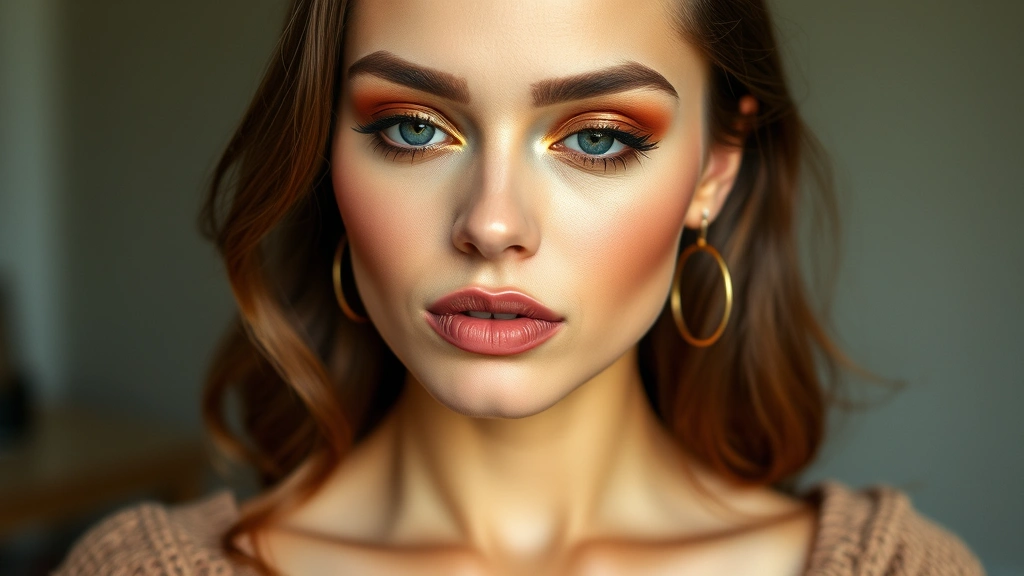
Eye Makeup Application: Start with a cream or champagne eyeshadow on your entire lid as a base. This prevents darker shades from looking patchy and adds luminosity. Apply cinnamon or medium brown to your crease using a fluffy blending brush in windshield wiper motions—this creates a soft, diffused transition. Pack molasses brown onto your lid using a flat shader brush, focusing on the center and slightly heavier on the outer corner for depth. Use a small pencil brush to line your upper lash line with a deep brown or black, then smudge it slightly for a softer finish. Finish with honey gold on your inner corner and lower lash line—this is crucial for opening up the eye and adding that warm, luxurious glow.
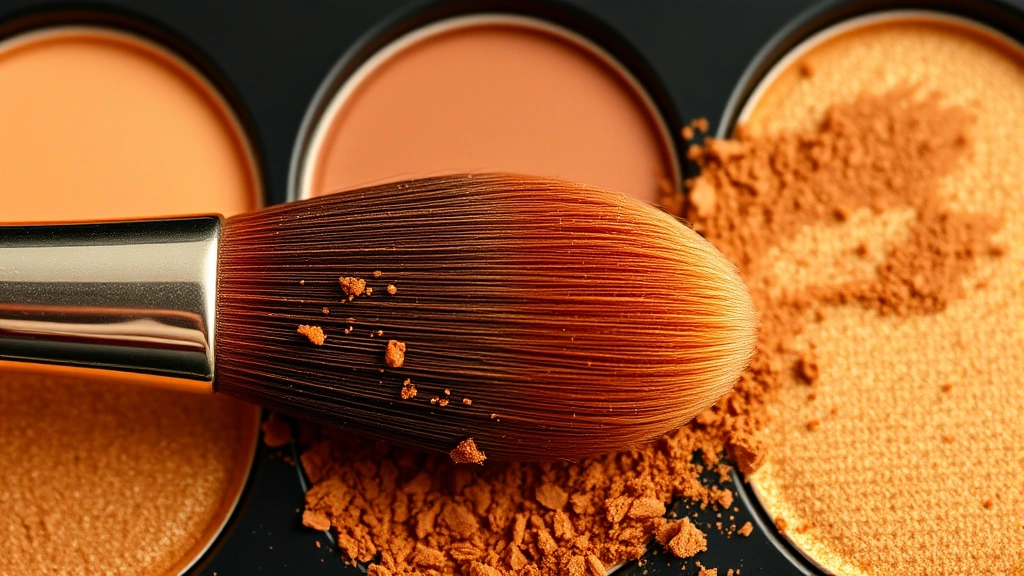
Base and Complexion: Your base should enhance your natural skin rather than mask it. Use a warm-toned foundation or concealer that matches your undertone perfectly. Apply a warm-toned bronzer to your hollows, temples, and jawline for definition. The key difference from standard bronzing is that you want to choose a bronzer with warm, spiced undertones rather than orange-leaning ones. A gingerbread-appropriate bronzer might have hints of cinnamon or rust rather than pure copper.
Blush Application: Cream blushes work beautifully for the gingerbread aesthetic because they blend seamlessly and look like a natural flush. Choose a warm peachy-brown or terracotta shade and apply it to the apples of your cheeks, blending upward toward your temples. This creates a warm, sunburned look that feels very on-trend. Powder blushes work too, but cream formulas tend to photograph better and feel more luxurious on the skin.
Lip Color: The gingerbread trend offers wonderful lip options. Warm browns, terracotta, rust, and even deep burgundy-browns all work beautifully. For a more subtle look, choose a warm nude-brown or honey-brown. For something bolder, go for a deep molasses or rust shade. Matte or satin finishes feel most aligned with the aesthetic, though a warm-toned gloss can add a touch of luxury.
Wardrobe Integration
Creating a cohesive gingerbread fashion DTI look requires more than just makeup—your clothing choices need to support and enhance the overall aesthetic. The goal is to create an outfit that feels warm, inviting, and intentionally curated.
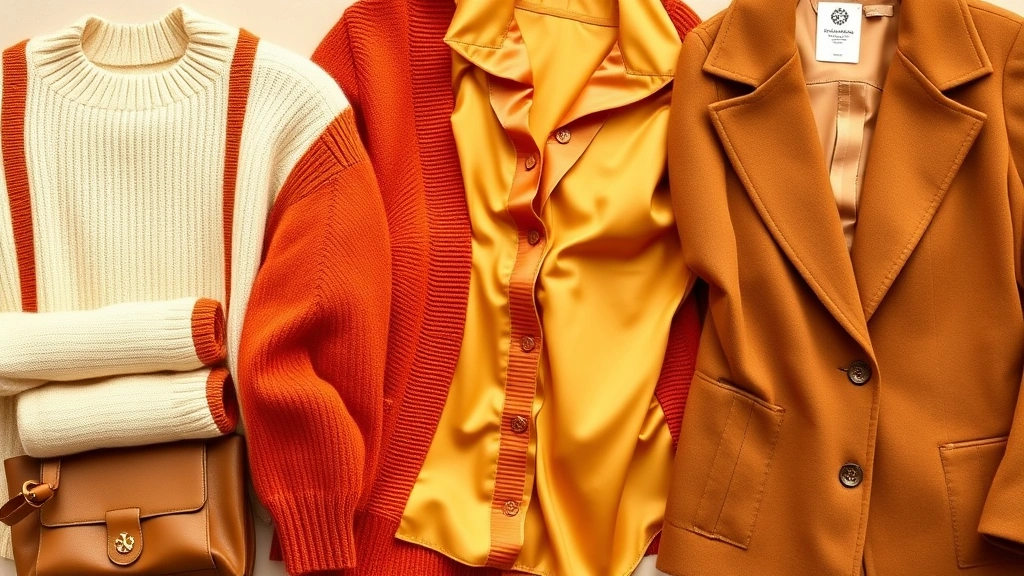
Clothing Color Choices: Incorporate the same warm, spiced tones from your makeup into your wardrobe. Cream, camel, honey gold, cinnamon brown, rust, and terracotta are all excellent choices. You might wear a cream-colored sweater with rust-colored pants, or a honey-gold top with a camel skirt. The beauty of this palette is that these colors work together naturally and create a cohesive, intentional appearance.
Texture and Fabric Selection: Gingerbread fashion feels luxurious and tactile. Choose fabrics that feel as good as they look: soft knits, velvet, corduroy, linen, and cozy materials that evoke warmth and comfort. A velvet blazer in molasses brown paired with a cream silk blouse creates that perfect balance of texture and sophistication. Corduroy pants in cinnamon brown add both visual interest and that touchable quality that makes this trend so appealing.
Layering Strategy: One of the best aspects of gingerbread fashion is how beautifully it layers. A cream base layer with a rust-colored cardigan and a camel coat creates depth and visual interest. This approach also makes the trend accessible year-round—you can adapt it to any season by simply changing your layering pieces.
Texture and Finish Mastery
The texture and finish of your makeup products significantly impact how your gingerbread look translates. Understanding which finishes work best for different elements of your face will elevate your entire aesthetic.
Matte Finishes: Matte eyeshadows and bronzers create a sophisticated, baked appearance that feels very aligned with the gingerbread aesthetic. Matte browns in particular have that warm, powdery quality reminiscent of actual gingerbread. Use matte shadows for your crease work and outer lid for structure and definition.
Satin and Subtle Shimmer: A subtle satin finish on your lid or a light shimmer on your inner corner adds luminosity without looking glittery or overdone. Choose warm, golden shimmers rather than cool silvers or icy tones. A satin finish bronzer gives your complexion a warm, healthy glow that looks natural and intentional.
Cream and Dewy Elements: Cream products are essential for the gingerbread trend because they feel luxurious and blend beautifully. Cream eyeshadows, cream blushes, and even cream bronzers add a soft, sophisticated quality. A dewy highlighter in champagne or honey gold applied subtly to your cheekbones creates that baked, luminous look without appearing shiny or overdone.
Liquid and Pencil Liners: For eyeliner, liquid liners create precision while pencil liners offer a softer, more blended appearance. A brown liquid liner creates definition while feeling warmer and more intentional than black. Smudging a brown or bronze pencil liner along your lower lash line creates that effortlessly blended, warm aesthetic.
Seasonal Styling Tips
While gingerbread fashion feels quintessentially autumnal, this trend is absolutely wearable year-round when you adapt it thoughtfully to seasonal changes.
Fall and Winter: This is when gingerbread fashion truly shines. Layer your warm-toned pieces, incorporate cozy textures like wool and velvet, and embrace the deeper tones in the palette. A molasses brown leather jacket over a cream sweater with rust pants and warm boots is peak gingerbread winter style. In your makeup, you can go bolder with deeper browns and warmer tones.
Spring and Summer: Adapt the gingerbread palette by focusing on lighter, brighter versions of these warm tones. Wear cream, honey gold, and light cinnamon in breathable fabrics like linen and cotton. Your makeup can be lighter and more luminous—think cream eyeshadow with a touch of honey gold rather than deep molasses brown. Pair gingerbread tones with fresh white or pale neutrals to keep the overall look feeling seasonal.
Transitional Seasons: Spring and fall offer perfect opportunities to embrace the full gingerbread aesthetic. These seasons naturally support warm, spiced tones, layering, and the rich textures that make this trend so appealing. You can move more freely between the deeper and lighter versions of your color palette.
Product Recommendations
Building a gingerbread-friendly makeup collection doesn’t require breaking the bank, but investing in quality products in the right shades makes a significant difference. When shopping for gingerbread fashion DTI products, prioritize warm undertones and consider how each product will work with your specific skin tone and undertone.
Eyeshadow Palettes: Look for palettes with warm, earthy tones. Palettes featuring warm browns, golds, and terracottas are ideal. Brands like Temptalia offer detailed reviews of eyeshadow palettes with swatches and undertone assessments, making it easier to find options that work for your specific coloring. When selecting a palette, verify that it includes both matte and shimmer options in warm tones.
Bronzers and Contour: Choose a bronzer specifically in warm, spiced tones rather than orange-leaning shades. Test it on your jawline to ensure it looks natural on your skin rather than muddy. Cream bronzers offer better blending and a more luxurious finish, though powder options are more portable and long-wearing.
Blush Selections: Cream blushes in warm peach, terracotta, or rust-brown shades are ideal. These blend seamlessly and create that natural, warm flush that’s so important to the aesthetic. Brands specializing in warm tones often offer excellent options in this category.
Lip Products: Build a collection of warm-toned lip products in various finishes. A warm nude-brown for everyday wear, a terracotta for versatility, and a deeper molasses shade for drama gives you options for any occasion. Lip stains and tints offer a more natural, blended finish, while liquid lipsticks provide bold color payoff.
Base Products: Your foundation and concealer should match your undertone perfectly. A warm-toned primer helps ensure your makeup stays put throughout the day while enhancing the warm aesthetic. Avoid primers with a blue or cool undertone, as these will work against the gingerbread aesthetic.
Remember that Paula’s Choice and similar beauty research sites provide ingredient transparency and undertone information that can help guide your purchasing decisions. Additionally, consulting dermatology resources ensures that the products you choose are suitable for your skin type and won’t cause irritation.
When building your gingerbread collection, quality matters more than quantity. A few well-chosen products in the perfect warm shades will serve you better than numerous mediocre options. Focus on finding products that feel luxurious, blend beautifully, and make you feel confident in your appearance.
FAQ
Can I wear gingerbread fashion if I have cool undertones?
Absolutely! While the trend naturally suits warm undertones, cool-toned individuals can embrace it by choosing slightly muted or desaturated versions of gingerbread colors and balancing them with cooler accent shades. A cool-toned person might pair molasses brown with a cooler burgundy or bronze rather than rust. The key is finding the warm tones that work with your specific undertone rather than against it.
Is gingerbread fashion only for autumn?
While gingerbread fashion feels most natural during fall and winter, it’s absolutely wearable year-round. Adapt the trend by using lighter, brighter versions of the warm color palette in spring and summer, and incorporating seasonal fabrics and layering pieces appropriate for the weather.
How do I prevent gingerbread makeup from looking muddy?
The key to avoiding a muddy appearance is proper blending, using a luminous base color, and incorporating highlights strategically. Always start with a light cream or champagne base on your lids, blend your browns thoroughly in your crease, and add honey gold to your inner corner and lower lash line to brighten the eye.
What’s the difference between gingerbread fashion and other warm-toned trends?
Gingerbread fashion specifically draws inspiration from spiced cookie aesthetics, emphasizing warm, earthy, and slightly deeper tones than some other warm-toned trends. It feels cozy, intentional, and luxurious while maintaining an approachable, wearable quality. The blog community discussing fashion trends recognizes gingerbread as its own distinct aesthetic with specific color and texture associations.
Can I mix gingerbread tones with other color palettes?
Yes! Gingerbread tones work beautifully with deep jewel tones like emerald or sapphire, with cool neutrals like gray or black, and even with soft pastels. The key is maintaining the warm, spiced quality of your base while incorporating complementary accent colors.
What’s the best way to learn more about sustainable gingerbread fashion choices?
Exploring sustainable fashion brands that specialize in warm, earthy tones is an excellent starting point. Many eco-conscious brands naturally gravitate toward the gingerbread palette because these colors come from natural dyes and materials that align with sustainable practices.
How do I choose the right shade of brown for my skin tone?
The best approach is to test products on your jawline in natural light. Your brown should enhance your natural coloring rather than wash you out or appear ashy. Warm browns with reddish undertones typically suit a wider range of skin tones than cooler, ashier browns. When in doubt, consult with a professional makeup artist who can assess your specific undertone and make personalized recommendations.

Related Posts
Perfect Old Fashioned Donut: Baker’s Secrets
Old Fashioned Chocolate Pie Recipe? Chef’s Favorite