
Find Your Ideal Fashion Style? Expert Insights
Find Your Ideal Fashion Style: Expert Insights & Fashion Style Quiz Guide
Discovering your personal fashion style is one of the most empowering journeys you can take. Whether you’re refreshing your wardrobe, preparing for a major life change, or simply feeling disconnected from your current aesthetic, understanding your fashion identity transforms how you shop, dress, and present yourself to the world. A fashion style quiz serves as your personal styling compass, helping you navigate the overwhelming world of trends and find pieces that genuinely resonate with who you are.
Fashion isn’t just about following trends or wearing what celebrities endorse. It’s a form of self-expression that communicates your personality, values, and confidence before you even speak. When you align your clothing choices with your authentic style preferences, you’ll notice increased confidence, reduced decision fatigue when getting dressed, and a more cohesive wardrobe that works harder for you. This comprehensive guide explores how fashion style quizzes work, why they matter, and how to use the insights to build a wardrobe that feels authentically yours.

What is a Fashion Style Quiz?
A fashion style quiz is an interactive assessment tool designed to identify your personal aesthetic preferences and style personality. These quizzes typically present you with various visual options, lifestyle questions, and preference scenarios to determine which fashion categories align best with your taste, body type, lifestyle needs, and personal values. Professional stylists, fashion brands, and beauty experts have developed these tools based on extensive research into how people choose clothing and express themselves through fashion.
The best fashion style quizzes go beyond simple “pick the pretty outfit” exercises. They consider multiple factors including your lifestyle demands, color preferences, comfort priorities, budget constraints, and the message you want to communicate through your appearance. When you take a fashion style quiz, you’re essentially working with a condensed version of a professional styling consultation that would normally cost hundreds of dollars.
Modern fashion style quizzes have evolved significantly from their early iterations. Today’s most effective quizzes incorporate artificial intelligence and machine learning to provide increasingly personalized results. They ask about your daily activities, your role models’ aesthetic, your relationship with trends, and your body confidence levels. This comprehensive approach yields recommendations that feel genuinely useful rather than generic.
Understanding Core Fashion Archetypes
Fashion professionals recognize several core style archetypes that serve as foundational categories. Understanding these archetypes helps you see where you naturally fall on the fashion spectrum and why certain styles make you feel more confident than others. Most fashion style quizzes categorize results within these established frameworks, making it easier to apply your results to actual shopping and styling decisions.
Classic and Timeless: This archetype prioritizes quality, longevity, and sophisticated simplicity. People with classic style preferences gravitate toward neutral colors, well-tailored pieces, and designs that transcend seasonal trends. They invest in quality basics and build outfits around neutral foundations. Classic style works beautifully for professional environments and creates a polished, put-together aesthetic.
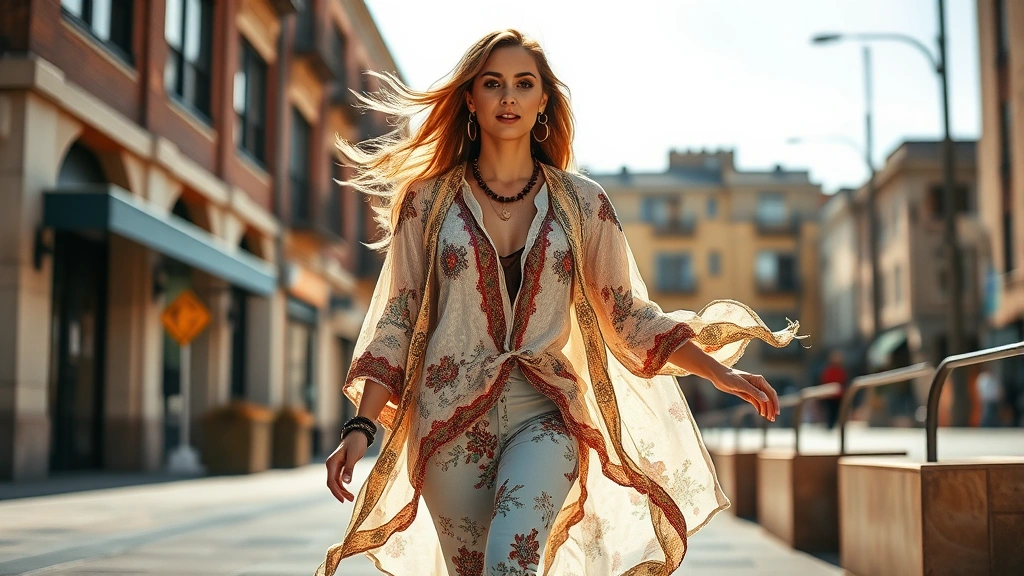
Bohemian and Free-Spirited: Boho style celebrates individuality, comfort, and artistic expression. This aesthetic embraces flowing fabrics, layering, eclectic patterns, and vintage-inspired pieces. Bohemian dressers often thrift, mix cultural influences, and prioritize unique finds over mainstream brands. This style reflects a relaxed approach to fashion rules and celebrates personal creativity.
Minimalist and Modern: Minimalism in fashion strips away excess and focuses on essential, high-quality basics. Minimalist style advocates for fewer pieces that work together seamlessly, often in a limited color palette. This approach reduces decision fatigue, saves money long-term, and creates a curated, intentional wardrobe. Minimalists view fashion as functional art.
Trendy and Fashion-Forward: Fashion-forward individuals embrace current trends, experiment with new styles, and enjoy the creative challenge of mixing unexpected pieces. They follow fashion publications, enjoy shopping, and view clothing as an evolving form of self-expression. This style requires more frequent updates but offers maximum creative freedom and excitement.
Romantic and Feminine: Romantic style celebrates softness, delicacy, and traditionally feminine elements. This aesthetic includes florals, ruffles, pastels, lace, and flowing silhouettes. Romantic dressers often incorporate vintage-inspired pieces and prioritize pieces that feel beautiful and emotionally resonant, not just functional.
Edgy and Bold: Bold style embraces contrast, statement pieces, and fashion rules designed to be broken. This aesthetic might include leather jackets, unconventional color combinations, graphic prints, and pieces with attitude. Edgy dressers use fashion as a tool for creative expression and aren’t afraid of standing out.
How to Take a Fashion Style Quiz Effectively
Taking a fashion style quiz might seem straightforward, but approaching it thoughtfully yields significantly better results. Here’s how to maximize the accuracy and usefulness of your quiz experience:
Get Clear on Your Current Reality: Before starting, honestly assess your lifestyle. What percentage of your week involves professional settings versus casual environments? Do you have a commute? Do you exercise regularly? Are you managing young children? Your lifestyle directly impacts which style recommendations will actually work for you. A romantic, delicate style might feel beautiful but impractical if you spend eight hours daily in an active job.
Separate Aspirational from Authentic: Many people struggle with the difference between styles they admire on others versus styles that genuinely suit them. When answering quiz questions, focus on pieces that make you feel confident and comfortable, not just pieces you think look nice. You might love minimalist fashion on Instagram but feel most yourself in bohemian layers and patterns.
Consider Your Body Confidence: Your style should enhance how you feel about your body, not fight against it. Quality fashion style quizzes ask about silhouettes, proportions, and body areas you love highlighting. These factors significantly influence which recommendations will feel authentic and flattering. A style that looks incredible on someone else might not serve your proportions or preferences.
Think Long-Term, Not Just Current Trends: When answering questions about your preferences, consider your consistent tastes over several years rather than what’s trending this month. What colors do you repeatedly return to? What silhouettes have you worn successfully for years? These patterns reveal your authentic style preferences beneath temporary trend influences.
Account for Your Budget Reality: Honest fashion style quizzes ask about your budget because your style needs to be sustainable for your financial situation. A luxury minimalist aesthetic requires different shopping strategies than accessible bohemian style. Understanding your realistic budget helps you receive recommendations for brands and shopping strategies that actually work for your life.
Popular Fashion Style Categories Explained
Beyond the core archetypes, fashion professionals recognize numerous specific style categories that represent more nuanced aesthetic preferences. Understanding these categories helps you identify where you fall on the fashion spectrum and discover style subcategories that resonate with your preferences.
Preppy Style: Influenced by Ivy League aesthetics, preppy fashion emphasizes structured pieces, classic patterns like stripes and checks, and quality basics. Think tailored blazers, crisp button-downs, and well-maintained classic pieces. Preppy style communicates polish, education, and understated sophistication. This category works beautifully for professional environments and creates a refined, trustworthy aesthetic.
Streetwear and Urban Style: Streetwear celebrates contemporary culture, comfort, and often includes elements like sneakers, oversized silhouettes, graphic tees, and technical fabrics. This style emerged from youth culture and urban environments and emphasizes individuality and cultural relevance. Streetwear dressers often incorporate brand logos and limited-edition pieces.
Vintage and Retro: Vintage style draws inspiration from previous decades, whether 1920s glamour, 1970s disco, or 1990s grunge. This aesthetic requires knowledge of different eras and often involves thrifting and mixing vintage pieces with contemporary items. Vintage dressers celebrate history and often enjoy the storytelling aspect of wearing pre-loved pieces.
Sustainable and Ethical Fashion: This category prioritizes environmental and social responsibility. Sustainable fashion enthusiasts research brands, choose quality pieces designed to last, and often incorporate thrifted items. This style category represents values-driven shopping and appeals to people who want their wardrobe choices to reflect their commitment to the planet and fair labor practices.
Sporty and Athletic: Athleisure and sports-inspired fashion blur the lines between workout wear and everyday clothing. This style emphasizes functionality, comfort, and performance fabrics. Sporty dressers often incorporate sneakers, leggings, moisture-wicking materials, and brands known for athletic wear into their everyday aesthetic.
Applying Your Results to Real Wardrobe Choices
Understanding your style archetype is just the beginning. The real value emerges when you translate quiz results into actual wardrobe decisions. Here’s how to bridge the gap between quiz insights and real-world styling:
Identify Your Color Palette: Most style quizzes provide color recommendations based on your results. These aren’t arbitrary suggestions—they’re based on how colors interact with your skin tone, hair color, and eye color to create flattering, harmonious looks. Once you know your palette, shopping becomes infinitely simpler. You can confidently pass on beautiful pieces that don’t fit your color story and invest in pieces that work with your existing wardrobe.
Recognize Your Signature Silhouettes: Your quiz results should highlight silhouettes that consistently flatter your body and make you feel confident. Rather than chasing every trend, focus on variations of these signature silhouettes. If A-line skirts consistently make you feel great, explore different A-line options rather than forcing yourself into pencil skirts because they’re trendy.
Create a Style Reference Board: Use your quiz results to build a visual reference collection of outfits and pieces that represent your style. Platforms like Pinterest make this incredibly easy. When you encounter pieces that fit your style archetype, add them to your board. Over time, you’ll develop a clear visual library that guides shopping decisions and outfit combinations.
Audit Your Current Wardrobe: Review what you already own through the lens of your quiz results. Which pieces align with your identified style? Which pieces feel disconnected? This audit reveals gaps in your wardrobe and identifies pieces you might donate or sell. You’ll likely notice patterns—maybe you own lots of pieces that don’t actually suit your style because you were following trends or trying to fit into someone else’s aesthetic.
Develop a Capsule Wardrobe Strategy: Use your style insights to build a functional capsule wardrobe containing versatile pieces that work together. For example, if your style combines minimalist and romantic elements, you might build a capsule around neutral basics with delicate feminine touches. A capsule wardrobe approach ensures every piece earns its place and works with multiple other items.
Common Quiz Mistakes to Avoid
Even well-designed fashion style quizzes can yield disappointing results if you approach them incorrectly. Being aware of common mistakes helps you get maximum value from your quiz experience:
Answering Based on Others’ Opinions: The biggest quiz mistake is answering questions based on what you think you should like rather than what you actually like. Your mother might think you’d look great in classic style, or your friends might pressure you toward trendy pieces. But your quiz results are most valuable when they reflect your genuine preferences, not anyone else’s vision for your style.
Ignoring Lifestyle Reality: Some people answer quiz questions based on their ideal lifestyle rather than their actual lifestyle. They envision themselves in a sophisticated professional wardrobe when they actually work from home, or they choose bohemian style when their daily life demands functionality and practicality. Your style should work for your real life, not an imaginary version of it.
Forgetting About Body Diversity: Fashion style and body type are interconnected. A style that flatters one body type might not serve another. When taking your quiz, remember that your body is unique. Recommendations should enhance your proportions and make you feel confident in your skin. If a recommended style doesn’t feel right on your body, that’s valuable information—you might need to adapt recommendations to suit your specific proportions.
Treating Results as Rigid Rules: Quiz results should guide you, not confine you. Your style is a starting point for exploration, not a permanent box. Many people discover that their authentic style combines elements from multiple categories. You might be primarily minimalist with bohemian accessories, or classic with edgy statement pieces. Your personal style is uniquely yours.
Ignoring Budget Constraints: Some quizzes recommend high-end brands or frequent purchases that don’t align with realistic budgets. If your quiz results suggest expensive pieces but you have a modest budget, focus on finding similar styles from more accessible brands. Your style category is valid regardless of price point—you just need to shop strategically within your means.
Building Your Personal Style Statement
Once you’ve completed your quiz and understood your results, creating a personal style statement solidifies your fashion identity. A style statement is a brief description of your aesthetic that guides all future fashion decisions. Here’s how to develop yours:
Synthesize Your Findings: Review your quiz results and identify the key themes. Do certain words repeatedly appear? Do specific colors dominate your palette? Do particular silhouettes consistently appeal to you? Your style statement should synthesize these patterns into a cohesive description of your aesthetic.
Make It Personal and Meaningful: Your style statement should feel authentic to you, not like something copied from a fashion magazine. Include language that resonates with how you actually think about fashion. If you describe your style as “effortlessly elegant,” that phrase should genuinely represent how you want to present yourself.
Example Style Statements: “I dress in quality basics and neutral tones, adding personality through delicate, romantic accessories and unexpected color combinations.” Or: “My style celebrates individuality through vintage pieces, eclectic patterns, and comfortable, flowing silhouettes that prioritize self-expression over trends.” Or: “I invest in timeless, well-tailored pieces in a limited color palette, focusing on quality and longevity over quantity.”
Use Your Statement as a Shopping Filter: Before making any fashion purchase, ask yourself: “Does this align with my style statement?” This simple question prevents impulse purchases that don’t serve your aesthetic. You’ll find yourself saying no to beautiful pieces that don’t fit your vision, which actually saves money and creates a more cohesive wardrobe.
Revisit and Refine Over Time: Your style statement isn’t permanent. As you grow, your life circumstances change, and your preferences evolve, your style statement might shift. Revisiting your statement annually helps you stay aligned with your current authentic self rather than holding onto outdated style concepts.
FAQ
How accurate are fashion style quizzes?
Well-designed quizzes based on professional styling principles are quite accurate at identifying your general style preferences. However, they work best as starting points for self-discovery rather than definitive answers. The most valuable quizzes ask about lifestyle, body type, color preferences, and values—factors that genuinely influence style. Your personal experience and comfort with results matter more than the quiz’s accuracy rating.
What if my quiz results don’t feel right?
If your results don’t resonate, consider whether you answered honestly or based on aspirational preferences. Sometimes taking the quiz again, being more truthful about your lifestyle and genuine preferences, yields different results that feel more authentic. You might also discover that your style combines elements from multiple categories rather than fitting neatly into one archetype.
Can I change my fashion style?
Absolutely. Your style can evolve as you grow and change. However, authentic style evolution feels natural rather than forced. If you’re changing your style to please others or chase trends, it likely won’t feel sustainable. The most successful style changes happen when you’re genuinely ready to express a different version of yourself.
How do I find affordable pieces that match my style?
Once you know your style category, research brands within your budget that specialize in that aesthetic. Follow fashion bloggers who share your style and document affordable options. Thrifting is incredibly valuable for vintage, bohemian, and eclectic styles. Fast fashion retailers often have pieces that match popular styles at accessible prices, though quality and sustainability considerations matter when shopping fast fashion.
Should my work style differ from my personal style?
Many people need to adapt their style for professional environments. Rather than completely abandoning your authentic style, find ways to incorporate your aesthetic within professional dress codes. If your style is bohemian but your workplace requires business casual, you might wear classic tailored pieces with bohemian accessories or earth-tone color palettes that hint at your authentic aesthetic.
What role does body type play in style recommendations?
Body type significantly influences which styles and silhouettes will feel most flattering and comfortable on your unique proportions. Quality quizzes account for body type because recommendations that don’t suit your body won’t feel authentic or boost your confidence. However, remember that style rules are guidelines, not laws—ultimately, wear what makes you feel confident and comfortable in your body.

Related Posts

Perfect Old Fashioned Donut: Baker’s Secrets
Old Fashioned Chocolate Pie Recipe? Chef’s Favorite