– Best Foundation for Oily Skin? Expert Picks – How to Choose Lipstick? MUA Tips – Does Setting Spray Last? Beauty Pros Weigh In – Is Mineral Makeup Better? Dermatologists Explain – Bold Eyeshadow Looks? MUA Secrets Revealed – How to Contour Like a Pro? Step-by-Step Guide – Is Vegan Makeup Better? What Experts Say
Best Foundation for Oily Skin? Expert Picks & Application Secrets
Finding the perfect foundation when you have oily skin can feel like an endless search. Between midday shine, makeup melting off, and products that emphasize pores, it’s easy to feel frustrated. But here’s the good news: the right foundation combined with proper skincare fundamentals can transform your makeup routine entirely. Professional makeup artists and dermatologists agree that success isn’t just about the product—it’s about understanding your skin type and choosing formulations specifically designed to keep oil under control throughout the day.
Oily skin requires foundations that offer oil control without feeling heavy or cakey. The best options typically feature mattifying ingredients, lightweight textures, and long-wearing formulas that won’t slide around by noon. Whether you prefer full coverage or a more natural finish, there’s a foundation out there that will work beautifully with your skin. Let’s dive into expert recommendations and proven techniques that will help you achieve a flawless, long-lasting base.
Best Foundations for Oily Skin: Expert Recommendations
Professional makeup artists consistently recommend foundations with specific characteristics for oily complexions. Matte finishes are essential because they minimize shine and provide a polished look that lasts. According to beauty counter experts, the ideal foundation for oily skin should have a poreless finish that controls sebum production while maintaining a natural appearance.
Powder foundations and stick foundations have made a major comeback among professionals working with oily skin types. These formulas typically contain talc or silica-based ingredients that absorb excess oil throughout the day. Liquid foundations marketed as “long-wear” or “all-day” are also excellent choices when they specifically mention oil control technology. The key is looking for products that promise mattifying effects and include ingredients like kaolin clay or magnesium silicate.
Many makeup artists prefer dermatologist-recommended brands for oily skin because these products undergo rigorous testing. They’re formulated to be non-comedogenic, meaning they won’t clog pores or exacerbate oiliness. When choosing between brands, read reviews from people with similar skin types and consider patch testing before committing to a full bottle.
Understanding Foundation Formula Types for Oil Control
Different foundation formulas behave differently on oily skin. Understanding these distinctions helps you make informed decisions. Silicone-based foundations create a smooth canvas and often provide excellent oil control. They form a barrier on skin that resists sebum, making them ideal for varied environmental conditions where humidity and temperature fluctuate throughout the day.
Water-based foundations offer a lighter feel and work well for those sensitive to silicone products. However, they may require more frequent touch-ups on very oily skin. Mineral foundations made from natural pigments like iron oxides can be excellent for oily complexions because they’re typically lightweight and have natural mattifying properties. Some people find that mineral formulations feel less heavy than traditional liquid foundations.
Hybrid formulas combining the best of both worlds have emerged as game-changers. These products often blend silicone bases with water-based ingredients, offering the longevity of silicones with the comfort of lighter formulas. Testing different formula types reveals which works best for your unique skin chemistry. What works wonderfully for your friend might not be ideal for you, so personal experimentation is crucial.
Image placeholder:

Expert Application Techniques for Flawless Coverage
How you apply foundation matters just as much as which product you choose. Professional makeup artists use specific techniques to ensure foundations perform optimally on oily skin. The primer step cannot be overstated—a good primer creates a smooth base that extends foundation wear time significantly. Silicone-based or mattifying primers work best for oily skin, creating an invisible barrier between skin and foundation.
Application tools make a substantial difference in results. Many professionals prefer sponges for oily skin because they provide better control and prevent over-application. When using a sponge, bounce it gently across the face rather than dragging it, which helps the foundation adhere better and look more natural. Brushes can work too, but choose synthetic bristles that don’t absorb as much product.
The amount of product you use is critical. Using too much foundation actually exacerbates oiliness because excess product sits on skin rather than blending seamlessly. Start with a small amount—roughly the size of a pea—and build coverage gradually. This approach prevents that heavy, cakey appearance while maintaining excellent coverage throughout the day. Focus application on areas that need the most coverage, like blemishes or discoloration, rather than applying uniform coverage everywhere.
Blending thoroughly is essential for a polished finish. Spend extra time blending around the jawline, hairline, and temples where foundations often look obvious. Pay special attention to blending at the neck to ensure your foundation color matches your skin tone seamlessly. Unblended edges are especially noticeable on oily skin, so take your time during this step.
Skin Preparation: The Foundation for Success
Before applying any foundation, proper skin preparation is non-negotiable for oily skin types. Start with a thorough cleanse using a gentle, oil-controlling facial cleanser. This removes excess sebum and creates a clean surface for makeup application. Follow with a lightweight, oil-free moisturizer—yes, even oily skin needs hydration. Skipping moisturizer often leads to increased oil production as skin tries to compensate for dryness.
Exfoliation is beneficial but should be done gently and infrequently—two to three times weekly maximum. Regular exfoliation removes dead skin cells that can trap oil and create a bumpy texture that makes foundation application difficult. Use a chemical exfoliant like salicylic acid or glycolic acid rather than physical scrubs, which can irritate skin and trigger more oil production.
Allow skincare products to fully absorb before applying primer and foundation. This typically takes five to ten minutes. Applying makeup to damp skin or wet products creates a slippery base where foundation won’t adhere properly. Your skin’s natural environment should be balanced—not overly dry or overly wet—for optimal makeup application.
Consider using a clay mask or oil-absorbing sheet before your makeup routine on particularly oily days. These products remove surface oil, creating a matte base that allows foundation to grip skin better. This step is particularly helpful before important events when you want your makeup to look fresh all day.
Setting Strategies That Keep Your Foundation Lasting
Setting is absolutely crucial for maintaining makeup longevity on oily skin. A quality setting powder applied strategically can mean the difference between makeup that lasts eight hours and makeup that’s sliding off by 2 PM. Choose translucent powders that won’t add color or white cast to your complexion. Finely-milled powders feel lighter on skin and provide better oil control than chunky formulations.
The application method matters tremendously. Use a fluffy powder brush and apply powder only where your skin tends to get oily—typically the T-zone. Avoid powdering your entire face, which can look heavy and emphasize texture. Press the powder gently into skin rather than sweeping it on, which helps it adhere better and control oil more effectively throughout the day.
Setting spray deserves serious consideration for oily skin types. A good setting spray locks everything in place and provides additional staying power. Spray it in an X pattern across your face, then an inverted T pattern, holding the bottle about six inches away. Allow it to dry completely—don’t touch your face while it’s drying. Beauty experts at major publications consistently recommend setting spray as a game-changer for oil control.
Image placeholder:
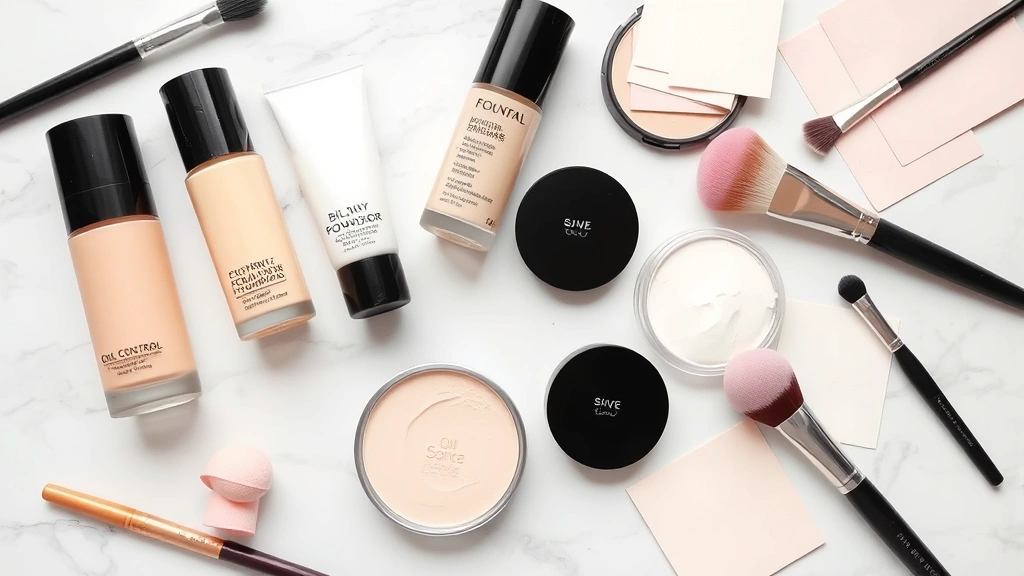
Touch-ups throughout the day are normal and expected with oily skin. Rather than reapplying foundation, use blotting papers to remove excess oil, then apply a light dusting of powder. This approach refreshes your makeup without creating layers of product that look cakey. Keep blotting papers and a compact powder in your bag for convenient midday maintenance.
Frequently Asked Questions
What’s the difference between matte and dewy foundations for oily skin?
Matte foundations are specifically designed to absorb oil and create a shine-free finish, making them ideal for oily skin. Dewy foundations emphasize luminosity and moisture, which can make oily skin look even shinier. While some people with oily skin prefer a slight glow, pure matte formulas offer the most control and longevity.
Can I use foundation for dry skin if I have oily skin?
It’s generally not recommended. Foundations designed for dry skin typically contain more emollients and moisturizing ingredients, which can exacerbate oiliness. Conversely, oil-control foundations may feel too matte and uncomfortable on dry skin. Choose formulas specifically formulated for your skin type for the best results.
How often should I replace my foundation?
Most foundations last six to twelve months once opened. For oily skin types, you might go through foundation faster since you’re using it regularly. Check for changes in consistency, separation, or unusual smell—these indicate the product has expired and should be replaced.
Are expensive foundations better for oily skin?
Price doesn’t always correlate with quality. Some affordable drugstore foundations perform beautifully on oily skin, while expensive luxury brands might not work as well. Focus on formula type and ingredients rather than brand prestige. Cosmetic chemistry research shows that well-formulated affordable products can rival expensive options.
Should I use environmentally conscious beauty products if I have oily skin?
Absolutely! Many sustainable and eco-friendly foundations perform excellently on oily skin. Look for clean beauty brands that specifically formulate for oil control. Being mindful of environmental impact doesn’t mean sacrificing performance—many green brands offer exceptional oil-control foundations.
What ingredients should I look for in foundations for oily skin?
Seek foundations containing kaolin clay, magnesium silicate, talc, or silica—these absorb oil effectively. Niacinamide is another excellent ingredient that helps regulate sebum production. Avoid heavy oils and butters that can increase shininess. Reading ingredient lists helps you identify products specifically formulated for your skin type.

Related Posts

Perfect Old Fashioned Donut: Baker’s Secrets

Old Fashioned Chocolate Pie Recipe? Chef’s Favorite