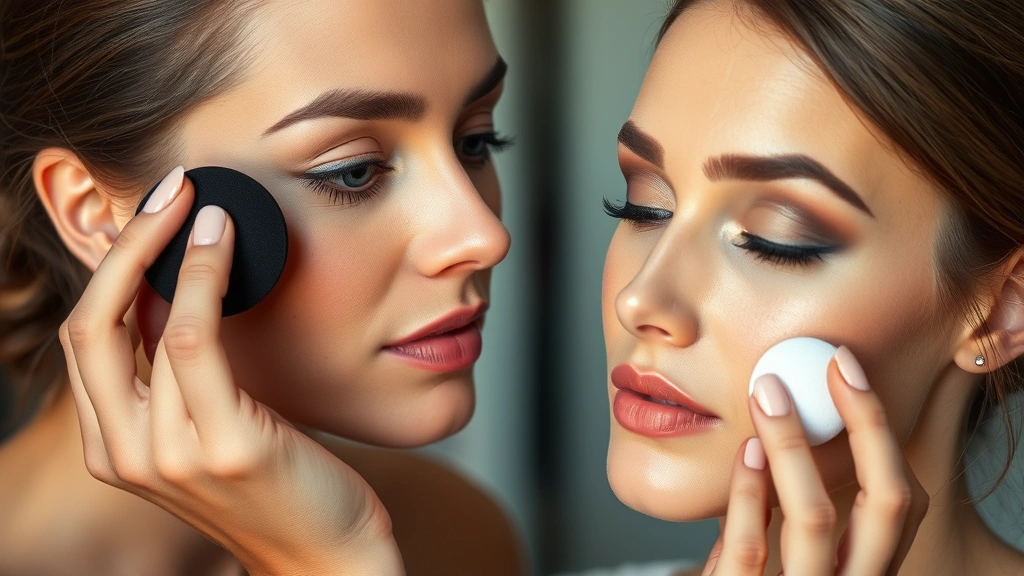
Is Primer Essential? Beauty Experts Weigh In
Is Primer Essential? Beauty Experts Weigh In
The makeup aisle debate that never gets old: do you really need primer? Beauty professionals, makeup artists, and dermatologists have strong opinions on this topic, and the answer might surprise you. Whether you’re a makeup novice or a seasoned beauty enthusiast, understanding primer’s role in your routine can transform how your makeup performs throughout the day. We’ve consulted industry experts to break down the science, benefits, and alternatives so you can make an informed decision about whether primer deserves a permanent spot in your collection.
Primers have become increasingly popular over the past decade, with countless formulations promising to smooth skin texture, extend wear time, and create the perfect canvas for foundation. But is all the hype justified, or is primer just another product designed to lighten your wallet? Let’s explore what makeup artists, beauty scientists, and skincare professionals actually say about this controversial product.
What Exactly Is Primer?
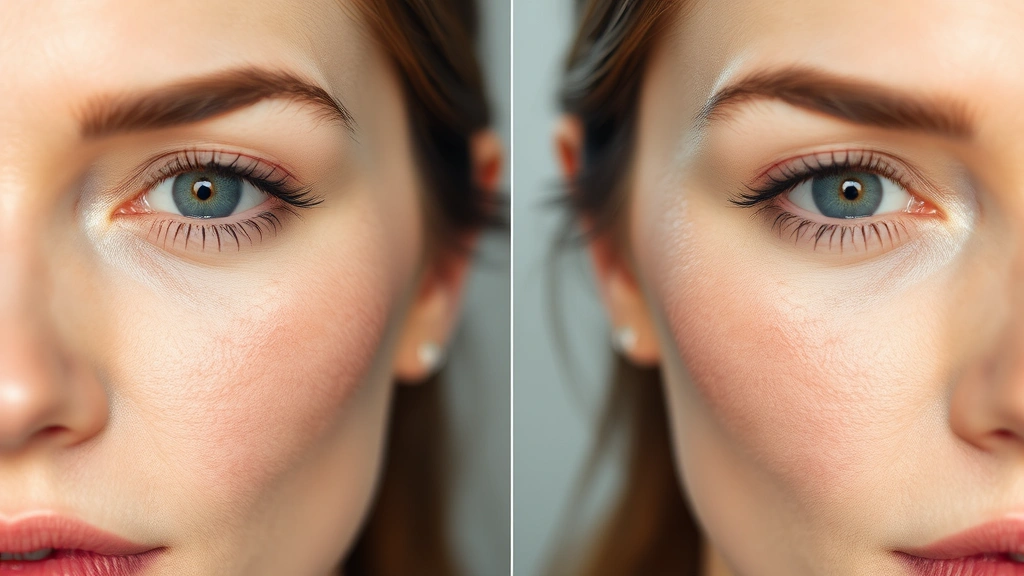
Makeup primer is a product designed to create a smooth, even base between your skin and foundation. Think of it as the primer coat you’d apply before painting a wall—it helps the final product adhere better and last longer. Primers typically contain silicones, polymers, or hydrating ingredients that fill in pores, smooth texture irregularities, and create a slip for foundation application.
The formula varies significantly depending on the brand and type. Some primers are silicone-based, offering a slippery texture that helps foundation glide on effortlessly. Others are water-based or gel-based, making them suitable for sensitive or acne-prone skin. Understanding the difference between primer types is crucial for determining whether one will work for your specific skin needs. According to Allure Magazine, the primer market has expanded dramatically, with options ranging from pore-minimizing formulas to color-correcting primers designed for specific skin concerns.
Professional makeup artists often consider primer a staple tool, but dermatologists and skincare specialists have more nuanced perspectives. The consensus among beauty experts is that primer isn’t universally essential—it depends on your skin type, skin condition, makeup preferences, and the specific products you’re using.
The Science Behind Primer
To understand whether primer is truly essential, we need to examine the chemistry involved. Primers work through several mechanisms: they create a physical barrier between skin and makeup, they fill in textural irregularities, and they provide a surface that allows makeup to adhere more effectively through silicone or polymer technology.
Silicone-based primers contain dimethicone and other silicones that create a smooth, slippery surface. This allows foundation to spread more evenly and can help blur the appearance of pores and fine lines. Water-based primers, conversely, absorb excess oil and provide hydration, making them ideal for oily or combination skin types. Dermatological research confirms that properly formulated primers don’t typically clog pores or cause irritation when applied in thin layers.
The longevity claim—that primer extends makeup wear time—has merit. A study published in cosmetic chemistry journals indicates that primers can increase foundation wear time by up to 50%, particularly in humid conditions or for individuals with oily skin. However, this benefit varies based on primer quality, formula type, and individual skin characteristics.
When you apply primer, you’re essentially creating multiple layers that work synergistically. The primer fills in imperfections, the foundation provides color and coverage, and setting powder locks everything in place. This layering system is what allows professional makeup artists to create looks that last 12+ hours without significant fading or movement.
Benefits Primers Actually Deliver
Rather than focusing on marketing claims, let’s examine what primers genuinely accomplish based on expert consensus:
- Smoother foundation application: Primers create a uniform surface that allows foundation to glide on more evenly, reducing the appearance of texture and pores
- Extended wear time: Quality primers genuinely do help makeup last longer, particularly beneficial for long workdays or special events
- Oil control: Mattifying primers help manage excess sebum, especially valuable for oily and combination skin types
- Hydration: Hydrating primers benefit dry skin by providing moisture before foundation application
- Texture correction: Primers with silicones or polymers can temporarily smooth fine lines and minimize pore appearance
- Color correction: Specialized primers can neutralize redness, sallowness, or discoloration before foundation
These benefits are real and measurable, but they’re not necessarily essential for everyone. Someone with naturally smooth, clear skin might not notice dramatic differences, while individuals with textured skin, large pores, or oily complexions often experience significant improvements with primer use.
Primer Myths Debunked
The beauty industry has generated considerable misinformation about primers. Let’s address the most common myths:
Myth 1: Primer is essential for everyone. Reality: Primer benefits certain skin types and conditions more than others. People with smooth skin and minimal pores may not see noticeable differences.
Myth 2: All primers are the same. Reality: Primers vary dramatically in formulation, ingredients, and performance. A silicone primer won’t work the same way as a hydrating gel primer.
Myth 3: Primer prevents all makeup from moving. Reality: While primer extends wear time, it doesn’t guarantee all-day perfection without setting spray or powder. Environmental factors like humidity and heat still affect longevity.
Myth 4: You need a primer for every makeup look. Reality: Casual everyday makeup might not require primer, while special events or professional photography often benefit from primer use.
Myth 5: Primer clogs pores and causes breakouts. Reality: Quality primers formulated for acne-prone skin are non-comedogenic. Poor-quality primers or misapplication might contribute to congestion, but properly formulated primers shouldn’t cause issues.
Primer Types for Every Skin Type
Understanding which primer works best for your skin is essential for determining whether primer belongs in your routine. Here’s how to match primer to your skin type:
For Oily Skin: Mattifying primers with silicones or clay-based formulas work best. These products absorb excess oil and create a matte finish that lasts. Look for primers labeled “oil-control” or “mattifying” to effectively manage shine throughout the day.
For Dry Skin: Hydrating primers with glycerin, hyaluronic acid, or nourishing oils provide moisture before foundation application. These formulas prevent foundation from looking patchy or emphasizing dry patches.
For Combination Skin: A lightweight, balanced primer that doesn’t overly mattify or hydrate works best. Some makeup artists recommend using different primers on different face areas based on oiliness.
For Sensitive or Acne-Prone Skin: Seek primers specifically formulated for sensitive skin, free from common irritants. Gel-based or water-based primers are often gentler than silicone-heavy formulas. The American Academy of Dermatology recommends patch-testing new products before full-face application.
For Mature Skin: Primers that smooth fine lines while hydrating work best. Avoid overly mattifying formulas that can emphasize wrinkles. Silicone-based primers with smoothing benefits are often ideal for this demographic.
Do You Really Need Primer?
After consulting with makeup artists, dermatologists, and beauty scientists, the honest answer is: it depends on your specific situation. Here’s how to determine if primer is essential for you:
You likely benefit from primer if: You have textured skin, enlarged pores, oily skin that makes makeup slide off, dry patches that show foundation unevenly, or you need makeup to last 8+ hours without touch-ups. Professional makeup artists almost universally recommend primer for special events, photo shoots, or performances where makeup must remain flawless.
You might not need primer if: You have naturally smooth, clear skin with minimal pores; you prefer lightweight, minimal makeup routines; your foundation already provides good wear time for your needs; or you’re simply running late and want to streamline your routine. Many people with naturally balanced skin find that quality foundation alone provides sufficient coverage and longevity.
The key insight from beauty professionals is that primer isn’t a universal requirement—it’s a tool that solves specific problems. If you don’t have those problems, you probably don’t need primer. If you do, primer can be genuinely transformative.
Professional Alternatives to Traditional Primer
If you’re not convinced about primer, professional makeup artists employ several alternatives:
Skincare as primer: A well-moisturized face with properly applied sunscreen can serve as a primer base. This approach works best for those with naturally smooth skin or minimal makeup needs. Paula’s Choice emphasizes that excellent skincare creates a naturally smooth canvas.
Foundation-only approach: Many professionals use high-quality foundation with built-in primer benefits. Modern foundations often contain silicones and polymers that provide primer-like benefits without an additional product.
Setting spray as base: Some makeup artists apply setting spray before makeup as a primer alternative. This creates tackiness that helps makeup adhere without additional products.
Powder as texture control: A light dusting of translucent powder before foundation can minimize pore appearance and control texture, functioning similarly to primer for specific concerns.
Mixing primer into foundation: Professional makeup artists often mix primer directly into foundation, creating a custom formula tailored to specific skin needs and coverage preferences.
These alternatives demonstrate that achieving polished, long-lasting makeup doesn’t always require a dedicated primer product. The best approach depends on your skin, preferences, and specific makeup goals.
FAQ
Can I use moisturizer as primer?
Moisturizer and primer serve different purposes. While a hydrated base helps makeup application, moisturizer doesn’t provide the silicones or polymers that help makeup adhere and last longer. However, proper moisturizing is crucial before primer application, and some people with excellent skin find moisturizer sufficient.
How much primer should I use?
Less is more with primer. A pea-sized amount for the entire face is typically sufficient. Overapplication can cause makeup to slide or look cakey. Blend primer thoroughly with your fingers, sponge, or brush before applying foundation.
Is expensive primer better than drugstore primer?
Price doesn’t always correlate with quality. Many drugstore primers perform excellently, while expensive primers sometimes disappoint. Research specific products and read reviews from users with your skin type rather than assuming higher price equals better performance.
Can primers help with makeup longevity in humid climates?
Yes, quality primers significantly improve makeup longevity in humidity. Silicone-based primers and mattifying formulas are particularly effective in humid conditions. Pairing primer with setting spray provides maximum protection.
Should I use primer under concealer?
Most makeup artists apply primer to the entire face before foundation and concealer. However, some professionals apply concealer directly over foundation without additional primer underneath, depending on the specific look and products used.
Are natural primers better for sensitive skin?
Natural ingredients aren’t automatically gentler than synthetic ones. What matters is whether specific ingredients irritate your skin. Some natural primers cause sensitivity while synthetic formulas work beautifully. Always patch-test and check ingredient lists for known irritants.

Related Posts

Perfect Old Fashioned Donut: Baker’s Secrets
Old Fashioned Chocolate Pie Recipe? Chef’s Favorite