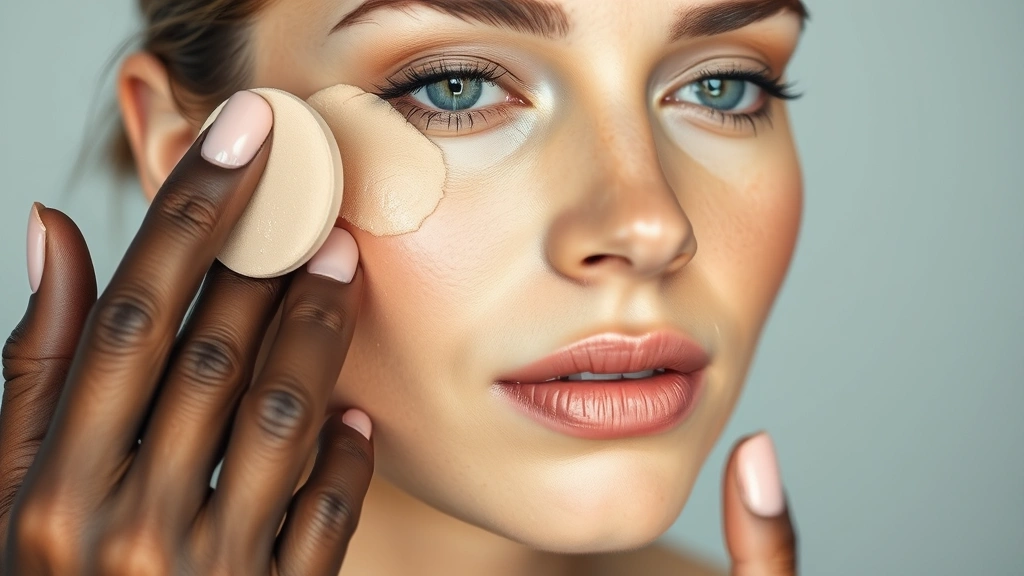
Best Foundation for Oily Skin? Expert Picks
Best Foundation for Oily Skin? Expert Picks & Application Guide
Finding the perfect foundation when you have oily skin can feel like searching for a needle in a haystack. Your natural sebum production works overtime, causing foundations to slide, separate, and oxidize throughout the day. But don’t worry—the right formula combined with proper preparation techniques can transform your makeup routine entirely.
The fashion industry gallery of beauty products has exploded with options specifically designed for oily and combination skin types. Whether you’re attending a high-fashion event or heading to the office, we’ve compiled expert recommendations and insider tips to help you achieve a flawless, long-lasting base that stays put from morning to night.
Understanding Oily Skin Foundation Needs
Oily skin requires foundations with specific formulations that won’t exacerbate sebum production. The science behind foundation chemistry reveals that water-based and silicone-based formulas perform differently on oily complexions. Water-based foundations feel lighter and allow skin to breathe, while silicone-based options create a protective barrier that resists oil breakdown.
When evaluating foundations for oily skin, dermatologists emphasize the importance of oil-control technology. Many leading foundations now include ingredients like silica microspheres, kaolin clay, and oil-absorbing polymers that mattify the skin without feeling heavy or cakey. These innovations represent years of research into how makeup interacts with naturally oily skin types.
The key characteristics you should look for include:
- Lightweight texture—foundations that feel like a second skin rather than a mask
- Long-wearing formulas—products tested to last 12+ hours without breakdown
- Natural finish options—matte or satin finishes that minimize shine
- Buildable coverage—allowing you to layer for problem areas without overdoing it
- Breathable composition—formulas that won’t clog pores or worsen acne
Understanding the interaction between your skin and makeup products helps you make informed purchasing decisions. Your oily skin isn’t a flaw—it’s simply a skin type that needs specific care and foundation matching.
Top Expert-Recommended Foundations
Beauty editors and makeup artists consistently recommend several foundations for oily skin types. These products have earned their reputation through real-world testing and customer satisfaction across diverse skin tones.
Estée Lauder Double Wear Stay-in-Place Makeup remains an industry standard for oily skin. This legendary formula uses a unique oil-control technology that keeps makeup in place for up to 24 hours. The foundation’s lightweight yet full-coverage formula works beautifully on oily complexions without feeling heavy, and it’s available in an impressive shade range that accommodates virtually every skin tone.
MAC Face & Body Foundation appeals to makeup professionals and everyday users alike. Its water-based formula feels feather-light on oily skin while providing medium to full coverage. Many makeup artists choose this foundation for fashion shoots and editorial work because it photographs beautifully and maintains its finish throughout long shooting days.
Maybelline Fit Me Dewy + Smooth Foundation offers an affordable yet effective option for those with oily skin. Despite its dewy name, this foundation performs exceptionally well on oily complexions when paired with proper mattifying techniques. The formula includes oil-absorbing technology and comes in 40 shades, making it accessible to a wide range of skin tones.
Fenty Beauty Pro Filt’r Soft Matte Longwear Foundation deserves special mention for its revolutionary formula developed by makeup artist James Boehmer. The soft matte finish provides oil control without looking dry, and the extensive shade range (40+ shades) ensures proper matching for all complexions. This foundation won’t oxidize on oily skin, maintaining its color accuracy throughout the day.
Bare Minerals Complexion Rescue Hydrating Foundation Stick offers a cream-to-powder hybrid that works wonderfully on oily skin. The stick format allows for precise application and easy touch-ups throughout the day. Its lightweight formula minimizes excess shine while maintaining a natural appearance.
When selecting your foundation, consider how makeup choices impact your skin’s health. Opt for foundations with skin-beneficial ingredients like niacinamide, which helps regulate sebum production, and hyaluronic acid for lightweight hydration.
External expert resource: Dermatology experts at DermCollective provide clinical insights into foundation selection for oily skin types.
External expert resource: Allure magazine’s beauty editors regularly test and review foundations specifically for oily skin performance.
Mattifying Primers That Transform Your Base
A quality primer is absolutely essential when wearing foundation on oily skin. The right primer creates a smooth canvas, extends wear time, and helps control oil throughout the day. Think of primer as your foundation’s best friend—it enhances performance and ensures longevity.
Silicone-based primers work exceptionally well for oily skin because they create a breathable barrier that resists oil breakdown. Products like Smashbox Photo Finish Primer or Tatcha Luminous Dewy Skin Mist provide this protective layer without feeling heavy.
Clay-infused primers actively absorb oil while smoothing skin texture. Benefit The POREfessional or Rimmel Stay Matte Primer use kaolin clay to mattify your complexion before foundation application. These primers are particularly effective for those with severely oily or acne-prone skin.
Pore-minimizing primers address texture concerns while controlling oil. Products containing silica microspheres blur pores and create a flawless base for foundation application. This category includes options like Pore-Minimizing Primer by Tarte or Benefit Porefessional.
Application technique matters tremendously with primers. Use a small amount—approximately the size of a rice grain—and warm it between your palms before pressing gently onto your face. Avoid rubbing or massaging, as this can disrupt the primer’s effectiveness. Allow the primer to set for 30-60 seconds before applying your foundation.
Consider the environmental impact of your beauty routine by choosing primers with sustainable packaging and ethical sourcing practices.
External expert resource: Professional Beauty Association offers guidelines for primer selection based on skin type and concerns.
Application Techniques for Maximum Longevity
Even the best foundation won’t perform well without proper application technique. Makeup artists who work in the fashion industry gallery of high-stakes events employ specific methods to ensure foundations last through long days and demanding conditions.
Start with proper skin prep. Cleanse your face with a gentle, oil-control cleanser and apply a lightweight, oil-free moisturizer. Allow the moisturizer to set for two minutes before applying primer. This preparation ensures your foundation adheres properly and performs optimally throughout the day.
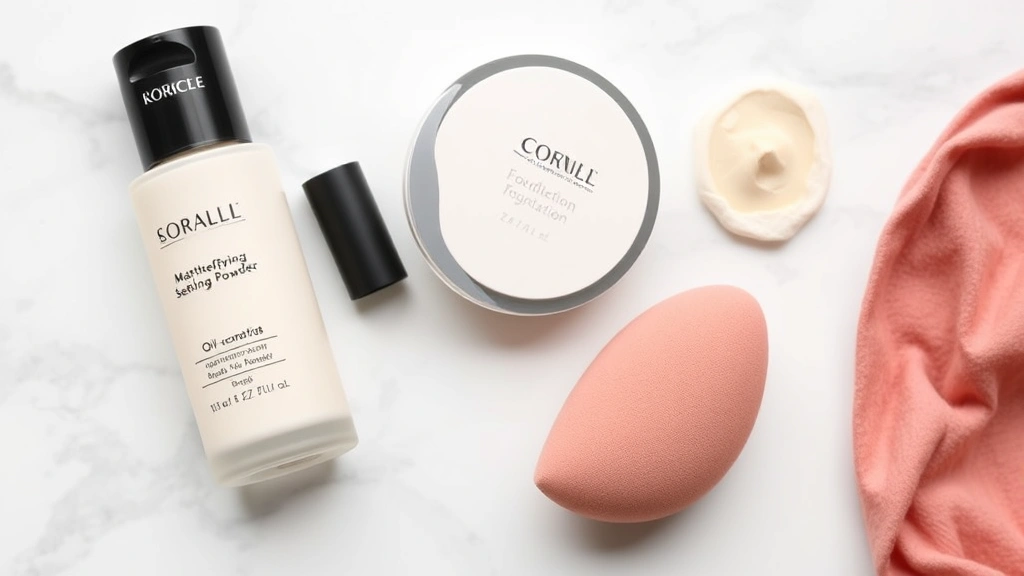
Use the right application tool. While many people prefer fingers, a damp beauty sponge actually works better for oily skin. The sponge’s texture helps press foundation into skin without dragging or creating heavy coverage. Dampen your sponge with water or setting spray, then bounce it gently across your face in stippling motions rather than rubbing.
Apply in thin layers. This technique prevents heavy, cakey coverage while building to your desired level of coverage. Start with a small amount of foundation and build gradually. Thin layers also adhere better to oily skin and resist breakdown more effectively than one thick application.
Focus on problem areas. Many people with oily skin experience excess shine in the T-zone (forehead, nose, chin). Apply slightly more foundation to these areas, but still use thin layers. Consider using a matte foundation formula specifically for problem zones while using your regular formula on the rest of your face.
Set strategically. Don’t apply powder everywhere—this creates a heavy, cakey appearance. Instead, set only your T-zone and any other particularly oily areas with a mattifying powder. This targeted approach maintains a natural appearance while controlling shine where you need it most.
Allow time for setting. Many makeup artists recommend waiting 5-10 minutes after foundation application before applying powder. This allows the foundation to fully set and adhere to your skin, creating a more stable base that resists oil better.
External expert resource: Professional makeup schools teach certified techniques for foundation application on all skin types.
Setting Sprays and Powders
Setting products are non-negotiable for anyone with oily skin. These products lock your foundation in place and help prevent the midday slide that plagues oily complexions.
Setting powders remain the most effective way to control oil and extend foundation wear. Translucent powders work universally across skin tones, while tinted powders offer additional coverage. Apply powder only to areas where you need oil control—typically the T-zone—using a light hand and a fluffy brush.
Popular setting powder options include:
- Laura Mercier Translucent Loose Setting Powder—the gold standard for many makeup professionals
- Coty Airspun Loose Face Powder—an affordable, effective option that’s been trusted for decades
- MAC Fix+—a setting spray that works beautifully with powders for extended wear
- Urban Decay All Nighter Setting Spray—specifically formulated for long-wearing makeup
Setting sprays create a moisture barrier that locks makeup in place. Contrary to popular belief, these sprays don’t make your makeup dewy or slick on oily skin when you choose the right formula. Look for setting sprays specifically labeled for oily or combination skin, which typically have mattifying properties.
The combination approach—using both powder and setting spray—provides maximum longevity for oily skin. Apply powder to oily areas, then mist your entire face with setting spray. Allow the spray to dry completely before touching your face or applying additional products.
Ingredients to Seek and Avoid
Understanding foundation ingredients empowers you to make choices that benefit your oily skin long-term. Certain ingredients actively help control oil and maintain skin health, while others can exacerbate oiliness or cause irritation.
Beneficial ingredients for oily skin foundations:
- Niacinamide—regulates sebum production and minimizes pore appearance
- Salicylic acid—gently exfoliates and helps prevent breakouts
- Clay (kaolin, bentonite)—actively absorbs excess oil throughout the day
- Silica microspheres—blur pores and mattify skin without feeling dry
- Oil-absorbing polymers—prevent foundation breakdown and oxidation
- Hyaluronic acid—provides lightweight hydration without adding shine
- Zinc PCA—helps regulate sebum production and has antimicrobial properties
Ingredients to approach with caution:
- Heavy silicones—can feel occlusive and trap oil on oily skin
- Mineral oil—may exacerbate oiliness in some individuals
- High glycerin content—can feel sticky on oily skin
- Fragrance—may irritate sensitive, oily skin
- Phthalates—potentially problematic for skin health and the environment
Reading ingredient lists helps you identify foundations that will work with your skin rather than against it. Many brands now list ingredients in order of concentration, so you can see what comprises the bulk of the formula.
External expert resource: Cosmetic Ingredient Review Database provides scientific information about cosmetic ingredients and their safety profiles.
FAQ
How often should I reapply foundation if I have oily skin?
Most people with oily skin can go 6-8 hours without reapplication if they use proper primer and setting techniques. However, in humid environments or during physically active periods, you might need to touch up every 4-5 hours. Rather than reapplying full foundation, use blotting papers followed by a light dusting of powder to refresh your makeup.
Can I use a dewy foundation if I have oily skin?
Yes, but with caveats. Dewy foundations can work on oily skin when paired with mattifying primers and setting products. The key is choosing a dewy formula that’s lightweight and oil-control focused rather than one designed to add shine. Test any dewy foundation thoroughly before committing to full-size purchase.
What’s the best way to remove foundation from oily skin?
Use a gentle oil-based cleanser followed by a water-based cleanser to ensure complete removal. Oil-based cleansers effectively dissolve foundation and makeup, while water-based cleansers remove the oil cleanser residue. This double-cleanse method prevents clogged pores and breakouts common with incomplete makeup removal.
Should I use a different foundation for summer if I have oily skin?
Yes, many makeup professionals recommend switching to lighter, more mattifying formulas during summer months when humidity increases oil production. Water-based foundations often perform better in summer than their silicone-based counterparts. Additionally, you might increase your use of setting sprays and powders during warmer seasons.
Can oily skin benefit from hydrating foundations?
Absolutely. Oily skin isn’t necessarily well-hydrated skin—in fact, many oily complexions are dehydrated, causing excess sebum production as a compensatory mechanism. Hydrating foundations with ingredients like hyaluronic acid can actually help balance oil production long-term. The key is choosing hydrating formulas that aren’t heavy or occlusive.
How do I prevent foundation oxidation on oily skin?
Oxidation occurs when foundation ingredients interact with oil and air, causing the color to shift darker or more orange. Prevent this by using oil-control primer, applying foundation in thin layers, and choosing foundations specifically formulated to resist oxidation. Setting sprays also create a barrier that minimizes oxidation risk.
What’s the difference between matte and satin finishes for oily skin?
Matte finishes provide maximum oil control and a completely shine-free appearance, making them ideal for oily skin. Satin finishes offer a slight sheen while still controlling oil effectively, providing a more natural appearance. Choose matte for maximum oil control or satin if you prefer a slightly more natural, skin-like finish.

Related Posts

Perfect Old Fashioned Donut: Baker’s Secrets
Old Fashioned Chocolate Pie Recipe? Chef’s Favorite