90s Fashion Comeback? Stylist Insights
90s Fashion Comeback? Stylist Insights on Vintage Trends Making a Modern Return
The 1990s are undeniably having a major moment in contemporary fashion. Walk down any city street, scroll through social media, or peek into high-fashion runways, and you’ll spot unmistakable nods to the era that gave us slip dresses, oversized blazers, and attitude for days. But is this truly a full-scale fashion comeback, or are we selectively cherry-picking the best elements from a decade known for both iconic and questionable style choices? Professional stylists and fashion experts are weighing in on this nostalgic phenomenon, revealing why 90s women fashion continues to captivate modern wardrobes and what makes certain pieces timeless while others remain firmly in the past.
The resurgence of 90s aesthetics isn’t just about mindlessly repeating what worked thirty years ago. Today’s fashion-forward women are thoughtfully reinterpreting classic silhouettes, mixing vintage pieces with contemporary cuts, and creating hybrid styles that honor the original era while feeling authentically current. This intelligent approach to nostalgia has transformed casual fashion observation into a legitimate trend cycle that designers, retailers, and style influencers are actively cultivating and celebrating.
The 90s Fashion Renaissance: Why Now?
Fashion operates in cycles, but the intensity and speed of the current 90s revival suggests something deeper than typical nostalgia. According to trend forecasters and fashion historians, several factors converge to make this moment uniquely receptive to 90s aesthetics. First, there’s the generational factor: millennials and Gen Z consumers who grew up watching 90s television, movies, and music now have purchasing power and social media platforms to amplify their preferences. Second, there’s the cultural appetite for authenticity and individuality that 90s fashion inherently represented—a stark contrast to the hyper-polished, algorithm-driven aesthetics of the 2010s.
The rise of sustainable fashion has also inadvertently fueled the 90s comeback. When you explore environment awareness in the fashion industry, vintage and secondhand shopping emerges as a cornerstone practice. Buying 90s pieces from thrift stores or vintage boutiques aligns with eco-conscious values, making the trend feel morally justified alongside being stylistically appealing. Fashion magazines like Vogue and Harper’s Bazaar have dedicated entire editorial spreads to 90s restoration, while stylists on platforms like Instagram and TikTok have made curating 90s-inspired outfits a core part of their content strategy.
Additionally, the 90s represented a moment when fashion felt less gatekept and more democratic. Grunge, minimalism, and maximalism coexisted peacefully. You could wear Kate Moss-inspired slip dresses or Jennifer Lopez’s colorful tracksuits—both were equally valid. This pluralistic approach to style resonates with modern consumers who reject one-size-fits-all fashion rules and prefer to express their individuality through eclectic personal style.
Iconic 90s Pieces Every Modern Wardrobe Needs
Not all 90s fashion deserves a revival, but certain silhouettes and pieces have proven their staying power and versatility. Understanding which items truly merit a place in your contemporary wardrobe requires insight from professional stylists who’ve navigated this trend thoughtfully.
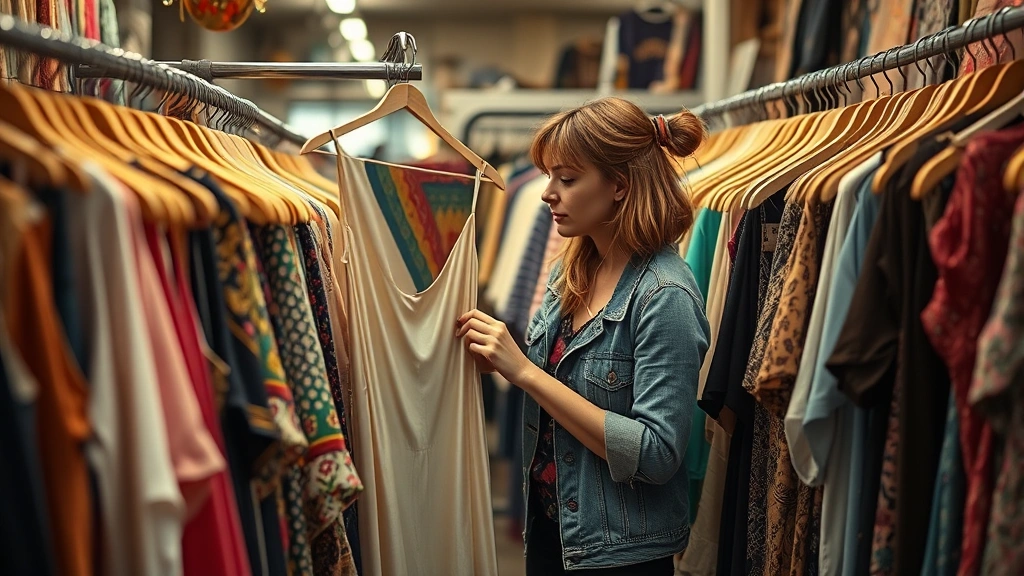
Slip Dresses: Perhaps the most iconic 90s piece, slip dresses remain relevant because of their inherent elegance and adaptability. The original 90s interpretation—thin-strapped, bias-cut, often in silk or satin—worked beautifully as both an undergarment-as-outerwear statement and a sophisticated evening option. Modern versions maintain these qualities while often incorporating better construction and fabric technology. Style them with chunky sneakers for a casual vibe, over crisp white button-ups for an office-appropriate look, or with strappy heels and a leather jacket for evening appeal.
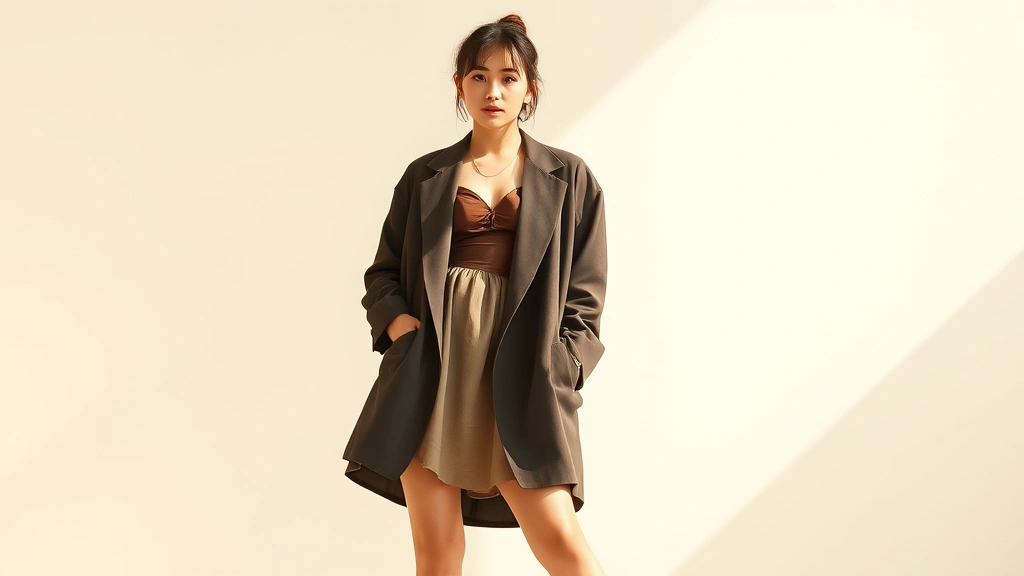
Oversized Blazers: The structured, slightly slouchy blazer was a 90s staple that never truly left fashion’s vocabulary. What’s changed is how we proportion them with other pieces. Pair an oversized blazer with fitted trousers and pointed-toe flats for polished sophistication, or throw it over a slip dress with combat boots for an edgy, modern aesthetic.
Low-Rise Jeans (With Reservations): This is where stylists advise careful curation. While ultra-low-rise jeans defined 90s and early-2000s fashion, the modern interpretation tends toward a mid-low rise that feels more comfortable and flattering for diverse body types. The key is finding a cut that works for your specific proportions rather than strictly adhering to the original 90s silhouette.
Cargo Pants: Functional and fashion-forward, cargo pants have returned with updated proportions. Modern versions often feature slimmer legs and strategically placed pockets, maintaining the utilitarian appeal while feeling less costume-like than some original 90s iterations.
Baby Tees and Fitted Tops: The contrast between oversized outerwear and fitted basics was quintessentially 90s. Baby tees, crop tops, and fitted long-sleeve shirts remain relevant because they create visually interesting proportions and work well for layering—a key styling technique that transcends eras.
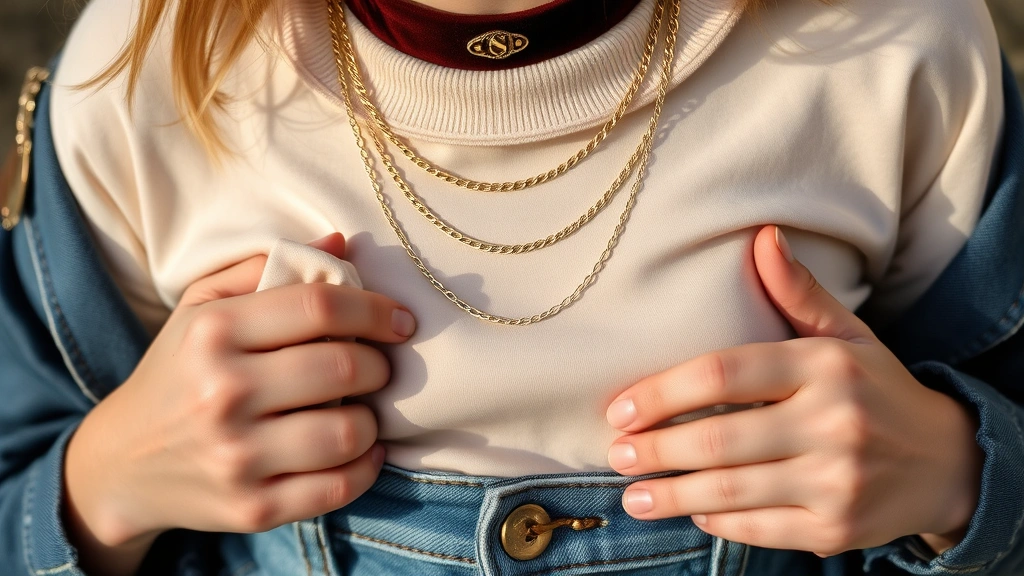
Chokers and Layered Necklaces: Accessory choices can instantly evoke 90s energy. Velvet chokers, thin chain necklaces worn in multiples, and pendant necklaces add that nostalgic touch without requiring a complete outfit overhaul.
How to Style Vintage 90s Items with Contemporary Looks
The art of modern 90s styling lies in strategic mixing. Professional stylists emphasize that the goal isn’t to recreate exact 90s outfits but to extract elements and recontextualize them within current fashion frameworks.
The Contrast Principle: Pair one distinctly 90s piece with entirely modern items. Wear a vintage slip dress with contemporary minimalist sneakers and a structured, oversized coat from a current designer. This approach honors the nostalgic element while signaling that you’re intentionally referencing the past rather than accidentally trapped in it.
Proportion Play: Modern fashion tends toward either very fitted or very oversized silhouettes. The 90s often mixed these proportions within a single outfit. Combine an oversized blazer with fitted pants, or pair a cropped baby tee with loose-fitting trousers. This creates visual interest and feels authentically 90s while maintaining contemporary appeal.
Fabric Updates: Swap heavy 90s fabrics for lighter, more refined versions. Instead of stiff denim, opt for softer, more flexible vintage washes. Replace thick cotton with linen blends. These subtle changes make 90s silhouettes feel fresher and more wearable for modern lifestyles.
Color Blocking and Neutral Balancing: The 90s loved bold color combinations, but modern sensibilities often prefer a more restrained palette. If you’re wearing a colorful 90s piece, balance it with neutral basics in black, white, cream, or grey.
The Sustainability Factor in 90s Fashion Revival
Understanding how humans affect the environment through fashion consumption has become increasingly important to conscious consumers. The 90s fashion comeback intersects meaningfully with sustainability conversations because vintage shopping inherently reduces demand for new production, thereby decreasing the environmental footprint associated with manufacturing, shipping, and waste.
When you purchase a 90s piece from a thrift store or vintage boutique, you’re participating in a circular economy model. That garment has already completed its initial manufacturing cycle and has been worn multiple times. By extending its lifespan further, you’re maximizing the environmental investment already made in its creation. This aligns perfectly with contemporary studies environment focused on reducing textile waste, which represents a significant portion of global landfill contributions.
Additionally, the 90s fashion aesthetic often emphasizes quality and durability. Many vintage 90s pieces were constructed to last, featuring better stitching, higher-quality fabrics, and timeless designs compared to some modern fast-fashion alternatives. This longevity factor means that investing in authentic 90s pieces is often more sustainable than repeatedly purchasing trendy contemporary items designed for shorter lifecycles.
Fashion brands have taken note of this sustainability connection. Many contemporary designers now create 90s-inspired collections using eco-friendly materials, sustainable production methods, and ethical labor practices. This fusion of nostalgic aesthetics with modern values creates a win-win scenario for consumers who want to express 90s style while maintaining environmental consciousness.
Celebrity and Influencer Impact on 90s Trends
The visibility and desirability of 90s fashion has been dramatically amplified by celebrity endorsements and influencer curation. When prominent figures like Hailey Bieber, Bella Hadid, or Zendaya wear slip dresses, oversized blazers, and vintage-inspired pieces, these items immediately gain cultural cachet and commercial viability.
What’s particularly interesting about the celebrity-driven 90s revival is how authentically these figures engage with the trend. Rather than simply wearing costumes, many celebrities and style influencers genuinely grew up loving 90s fashion or discovered it through research and appreciation. This authenticity translates through their styling choices, making the trend feel organic rather than manufactured.
Social media has been instrumental in democratizing 90s fashion knowledge. Style bloggers and TikTok creators have made detailed tutorials on how to source, style, and care for vintage 90s pieces. This educational content has transformed what might have been an inaccessible trend into something achievable for average consumers. Platforms like Instagram have created visual libraries of 90s inspiration that anyone can reference when building their own vintage-influenced wardrobe.
Additionally, fashion publications have embraced the 90s narrative with enthusiasm. W Magazine, i-D, and other influential style publications regularly feature 90s-inspired editorials and trend analyses, legitimizing the comeback within fashion discourse and encouraging both consumers and retailers to take the trend seriously.
Shopping for Authentic 90s Pieces vs. Modern Reproductions
As 90s fashion has become increasingly desirable, consumers face a choice between authentic vintage pieces and contemporary reproductions. Both options have merits, and the right choice depends on your priorities, budget, and styling goals.
Authentic Vintage 90s Pieces: Shopping for genuine 90s items at thrift stores, vintage boutiques, and online platforms like Depop or Vestiaire Collective offers several advantages. Authentic pieces carry historical authenticity and often feature superior construction compared to fast-fashion reproductions. The thrill of discovery—finding a perfect slip dress or rare designer piece—appeals to many collectors. Additionally, authentic vintage pieces are genuinely sustainable, extending the lifecycle of garments that might otherwise end up in landfills.
However, authentic vintage shopping requires patience, knowledge, and sometimes significant investment. Condition varies widely, sizing can be inconsistent with modern standards, and finding specific items in your size takes time. Prices for high-quality vintage pieces from desirable brands can exceed contemporary alternatives.
Modern 90s-Inspired Reproductions: Contemporary designers and retailers have responded to 90s demand by creating new pieces that capture the aesthetic while incorporating modern construction, sizing consistency, and fabric technology. These reproductions offer accessibility, reliability, and often better durability than some vintage alternatives.
The downside is that mass-produced reproductions lack the authenticity and individuality of genuine vintage pieces. They also raise sustainability questions if they’re created through conventional fast-fashion production methods rather than ethical, eco-conscious manufacturing.
The Hybrid Approach: Many stylists recommend a mixed strategy: invest in key authentic vintage pieces that resonate with you personally, while filling out the rest of your wardrobe with well-made contemporary reproductions from brands committed to quality and human environment interaction principles. This approach maximizes both sustainability and style while maintaining budget flexibility.
When shopping for vintage pieces, educate yourself about quality indicators: check seams for integrity, examine fabric for wear patterns, verify zippers and closures function properly, and research brand sizing standards from specific years. For contemporary reproductions, prioritize brands that provide detailed fabric composition information and maintain transparent production practices.
FAQ
Is the 90s fashion trend actually coming back, or is it just cyclical nostalgia?
The 90s revival is both cyclical and structurally significant. Fashion naturally cycles through decades, but the current 90s comeback is intensified by generational purchasing power, social media amplification, and the alignment of 90s aesthetics with contemporary values around individuality and sustainability. It’s not just nostalgia—it’s a genuine re-evaluation of 90s design principles that proves valuable in modern contexts.
Can I wear 90s fashion if I didn’t grow up in the 1990s?
Absolutely. Fashion is for everyone regardless of when you were born. The key is approaching 90s pieces thoughtfully rather than as a costume. Focus on understanding the design principles and proportions that made 90s fashion work, then adapt them to your personal style and contemporary contexts. This creates authentic self-expression rather than pastiche.
What’s the best way to start incorporating 90s pieces into my wardrobe?
Begin with one statement piece that resonates with you—perhaps a slip dress, oversized blazer, or vintage band tee. Style it with items you already own and love, creating a bridge between your current aesthetic and 90s inspiration. This approach feels natural and helps you develop confidence wearing vintage pieces before expanding your collection further.
Are low-rise jeans really coming back?
Low-rise jeans are returning, but with important modifications. Modern interpretations tend toward mid-low rise rather than ultra-low, offering more comfort and flattery while maintaining the silhouette’s essential character. If ultra-low-rise doesn’t work for your body or comfort preferences, mid-low-rise alternatives capture the 90s vibe without requiring compromise.
How do I ensure my 90s pieces are ethically sourced?
Authentic vintage pieces are inherently more ethical than new production because they extend existing garments’ lifecycles. When purchasing from vintage retailers, you can inquire about their sourcing practices. For contemporary reproductions, research brands’ labor practices, material sourcing, and production transparency. Look for certifications indicating ethical manufacturing standards and sustainable material choices.

Related Posts

Perfect Old Fashioned Donut: Baker’s Secrets
Old Fashioned Chocolate Pie Recipe? Chef’s Favorite