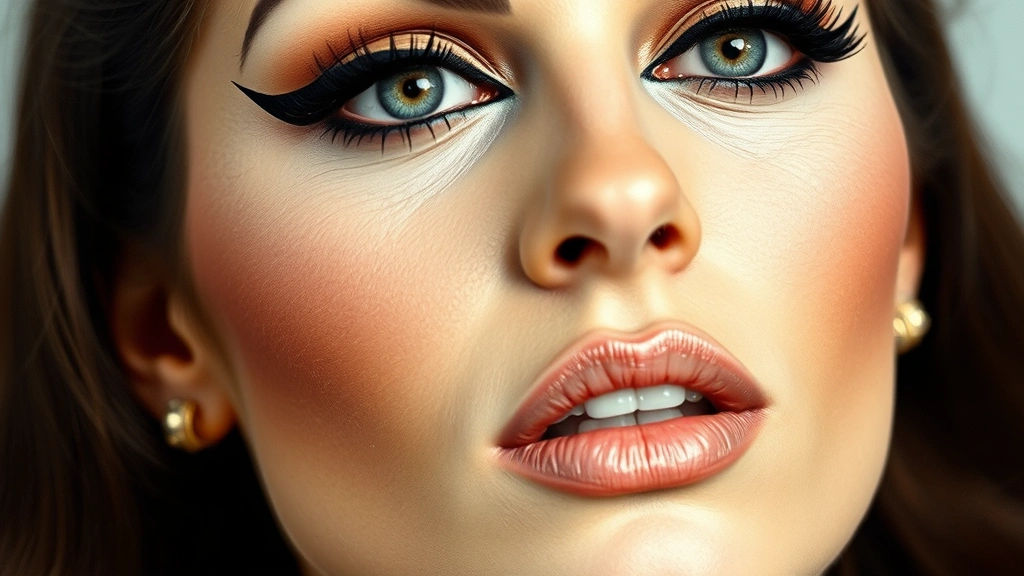
60s Makeup Trends? Expert Insights
60s Makeup Trends: Expert Insights on Iconic 1960s Beauty
The 1960s revolutionized beauty standards in ways that still influence makeup artistry today. From bold graphic eyeliner to pale frosted eyeshadow, this era embraced experimental makeup that reflected cultural shifts and youth rebellion. Whether you’re a makeup enthusiast, beauty student, or simply curious about how beauty trends evolved, understanding 60s makeup provides insight into the intersection of fashion, feminism, and self-expression.
This decade wasn’t just about following rules—it was about breaking them. The mod movement, the hippie counterculture, and the rise of youth-driven fashion meant that makeup became a form of artistic rebellion. Women experimented with unconventional colors, exaggerated proportions, and graphic designs that would have shocked their mothers. Today’s makeup artists continue referencing 1960s techniques, proving that these trends possess timeless appeal and innovative spirit.
The Mod Makeup Movement
The mod aesthetic emerged from London in the early 1960s and fundamentally changed how people approached makeup. Mod culture celebrated geometric shapes, bold colors, and a youthful, almost childlike appearance that contrasted sharply with the polished glamour of previous decades. Makeup became architectural—think sharp lines, exaggerated proportions, and graphic designs that required precision and confidence.
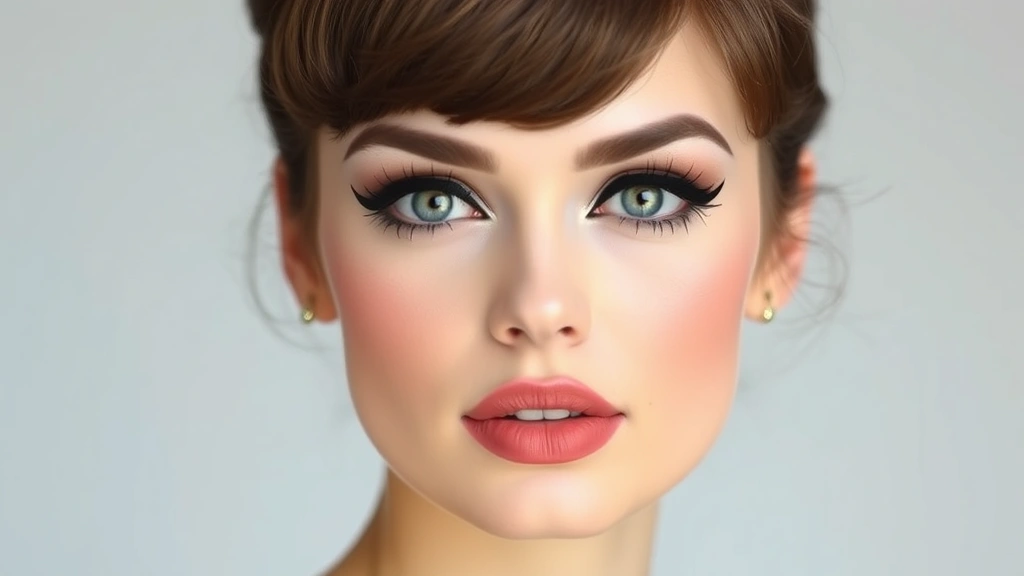
Twiggy became the ultimate mod icon, with her signature huge false eyelashes, graphic eyeliner, and pale complexion. This look wasn’t accidental; it represented deliberate artistic choice and cultural positioning. Young women adopted this makeup style to signal they were modern, independent, and rejecting traditional beauty standards. The mod movement showed how makeup could be a political statement, challenging conventional beauty norms just as the era challenged social conventions.
What made mod makeup distinctive was its emphasis on the eyes. The face became a canvas for graphic experimentation, with winged eyeliner, thick black lines, and sculptural eyebrows creating a doll-like, almost alien appearance. This wasn’t meant to look natural—it was intentionally artificial, celebrating makeup as art rather than camouflage. Professional makeup artists of the era used liquid liners, cream shadows, and specialized brushes to achieve these precise graphic effects.
Iconic 60s Eye Makeup Techniques
Eye makeup in the 1960s reached unprecedented levels of boldness and creativity. The decade introduced several signature techniques that remain popular with makeup artists today. Understanding these methods helps you appreciate the skill involved and recreate these looks authentically.
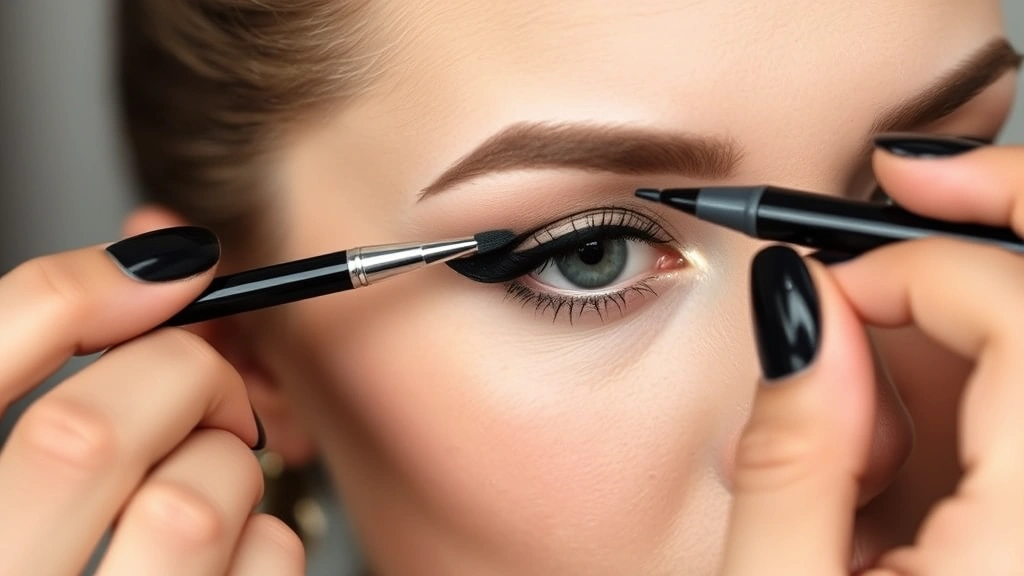
The Winged Eyeliner: Perhaps the most iconic 60s eye element, the winged eyeliner featured a sharp, upward flick at the outer corner. This technique required steady hands and precision liquid eyeliner. The wing’s angle and length varied—some versions extended dramatically past the eye’s natural shape, while others offered subtle definition. Professional makeup artists used cream liners and angled brushes to create these wings, often layering them for extra definition.
False Eyelashes: The 60s made false lashes essential. Unlike modern lash trends, 60s versions were often thick, black, and dramatic, worn on both upper and lower lids. They created the wide-eyed, doll-like appearance that defined the era. Makeup artists applied individual lashes or full strips, sometimes layering multiple sets for maximum impact. This created the signature 60s eye that dominated fashion magazines and runways.
Eyeshadow Application: Eyeshadow in the 1960s typically featured pale, frosted finishes in whites, silvers, and light blues. The application was often monochromatic—one color across the entire lid. However, as the decade progressed, makeup artists experimented with contrasting colors, graphic shapes, and even metallic finishes. Some looks incorporated black eyeshadow in graphic patterns, while others used pastels to create soft, ethereal effects.
Eyebrow Styling: Eyebrows in the 60s were typically thin and arched, following the aesthetic of the previous decades but often even more exaggerated. Some makeup artists created nearly invisible brows, while others used dark pencil to create precise, geometric shapes. The eyebrow became a frame for the graphic eye makeup, and its shape significantly impacted the overall look.
Lip Colors and Finishes
While eyes dominated 60s makeup, lips underwent significant changes throughout the decade. The shift in lip color and texture tells the story of how 1960s beauty evolved alongside cultural movements.
Early 60s Lips: The decade began with bold red lips continuing from the 1950s, but with less emphasis on perfect application. Lipstick remained important, but the focus gradually shifted toward eyes. Cream finishes dominated, offering rich color and comfortable wear. Popular shades included classic reds, warm corals, and sophisticated pinks.
Mid-to-Late 60s Evolution: As the mod movement gained momentum, lip colors became paler and more subdued. Nude and pale pink lipsticks complemented the dramatic eye makeup, allowing the eyes to remain the focal point. Some makeup artists used nearly colorless lip gloss to create a barely-there effect. However, the hippie counterculture that emerged later in the decade brought warmer, earthier lip tones—browns, terracottas, and warm reds.
Finish and Application: Lipstick application in the 60s was typically precise, with defined edges. As the decade progressed and the hippie movement emerged, some makeup artists embraced a more relaxed, smudged application. Matte finishes were popular, though glossy finishes also appeared, particularly in the mod aesthetic where shine emphasized the youthful appearance.
Base and Complexion Trends
The complexion in 1960s makeup reflected the era’s fascination with youth and artificiality. Understanding base makeup helps you create authentic 60s looks while appreciating how makeup techniques have evolved.
The Pale Complexion: The mod aesthetic favored pale, almost porcelain-like skin. Makeup artists achieved this using light-toned foundation, heavy powder, and sometimes even white cream makeup to create an almost doll-like appearance. This pale base made the graphic eye makeup stand out dramatically and created the youthful, wide-eyed look that defined the era.
Foundation Products: 1960s foundations were typically cream-based or powder formulations. Makeup artists used sponges or brushes to apply foundation, often building coverage for a flawless appearance. The goal was a smooth, matte finish that provided a blank canvas for eye makeup and other facial features. Unlike modern foundations, these products often had limited shade ranges, requiring makeup artists to mix shades creatively.
Powder and Setting: Heavy powder application was standard in the 60s. Makeup artists used pressed or loose powders to set foundation, often applying powder quite liberally to create that characteristic matte, almost chalky appearance. This heavy powder application complemented the graphic makeup and helped products stay in place throughout the day.
Blush Application: Blush in the 60s was often minimal, particularly with the mod aesthetic where paleness was prized. When blush was used, it appeared as a subtle flush of color on the apples of the cheeks. Cream or powder formulations provided a natural-looking color that contrasted with the dramatic eye makeup. Some makeup artists skipped blush entirely, allowing the pale foundation to dominate.
How to Create 60s Makeup Today
Recreating 1960s makeup allows you to explore vintage aesthetics while developing essential makeup skills. Here’s how modern makeup artists approach creating authentic 60s looks.
Gather Your Products: You’ll need a light-toned foundation, heavy-coverage powder, black liquid eyeliner, cream or powder eyeshadow in pale and dark shades, black mascara, false eyelashes, thin eyebrow pencil, and lipstick in your chosen shade. Consider investing in quality liquid eyeliner—this is crucial for achieving precise winged lines. Cream eyeshadows often work better than powders for that authentic 60s finish.
Prepare the Base: Start with a well-moisturized face and primer. Apply light-toned foundation using a damp sponge, building coverage evenly. Set with translucent powder, applying liberally for that characteristic matte finish. Don’t be afraid of powder—the 60s aesthetic embraced visible powder texture. If you want that extra-pale mod look, consider using a white or very pale cream makeup mixed with foundation.
Create the Winged Eyeliner: This is the signature 60s element. Using black liquid eyeliner and a thin brush, draw a line along your upper lash line. Start thin at the inner corner and gradually thicken as you move outward. At the outer corner, extend the line upward and outward, creating a sharp wing. The angle and length depend on your eye shape and the specific look you’re creating. Practice this technique—it requires steady hands and confidence.
Apply Eyeshadow: Using cream or powder eyeshadow, apply pale shadow across the entire lid. You can use white, silver, light blue, or pale pink depending on your chosen aesthetic. Some makeup artists layer a darker shade (black, dark brown, or dark blue) in graphic patterns or at the outer corner. The key is keeping shadows pale and using them to enhance the eyeliner design.
Add False Lashes: Apply black mascara to natural lashes first. Then, using lash glue, apply false lashes along the upper lash line. For an authentic 60s look, choose thick, dramatic lashes. Some makeup artists apply lashes to the lower lash line as well, though this varies by specific look. Allow glue to set properly before opening eyes.
Define Eyebrows: Using a thin eyebrow pencil, create precise, arched eyebrows. Keep them thin and well-defined. The eyebrow should frame the eye makeup without competing with the graphic eyeliner and lashes. Some makeup artists create nearly invisible brows, while others use dark pencil for defined shapes.
Finish with Lips: Choose your lipstick shade based on your overall look—pale pink for mod aesthetics, nude for a softer approach, or warmer tones for hippie-inspired looks. Apply with precision using a lip brush for clean edges. Blot for a more matte finish or leave glossy for shine.
Sustainable Approaches to Vintage Beauty
Exploring 1960s makeup trends connects to broader conversations about sustainable fashion and beauty practices. Understanding how makeup has evolved helps us make more conscious choices today.
The 1960s beauty industry operated differently than modern cosmetics manufacturing. Products contained different ingredients, came in different packaging, and were manufactured with different environmental considerations. By studying vintage makeup, we can appreciate how environmental practices in beauty have changed and reflect on sustainability in current makeup consumption.
Today’s makeup artists interested in 60s aesthetics can make sustainable choices: investing in quality products that last, using reusable tools and applicators, supporting brands that prioritize ethical manufacturing, and reducing overall consumption by mastering techniques rather than constantly buying new products. Creating vintage looks doesn’t require purchasing excessive new products—often, creative application of existing makeup achieves authentic results.
Consider that the mod movement and counterculture of the 1960s both represented rejection of excessive consumption and artificial standards. This philosophical foundation suggests that recreating 60s makeup can align with sustainable values when done thoughtfully. Rather than viewing vintage aesthetics as requiring constant product purchases, embrace them as opportunities to develop skill, creativity, and appreciation for quality over quantity.
The intersection of human interaction with beauty trends and environmental impact becomes clear when studying makeup history. Modern makeup artists have opportunities to honor vintage aesthetics while making choices that reflect contemporary environmental awareness.
FAQ
What’s the easiest 60s makeup look for beginners?
Start with the pale eyeshadow and winged eyeliner combination. Focus on mastering liquid eyeliner application first—this is the most forgiving element. Use white or pale silver eyeshadow across the lid, add black liquid eyeliner with a subtle wing, apply mascara, and finish with a nude lipstick. This creates an authentic 60s look without requiring false lashes or complex techniques.
Can I wear 60s makeup with modern outfits?
Absolutely! Vintage makeup styles work beautifully with contemporary fashion. The graphic eyeliner and false lashes of the 60s complement modern minimalist, maximalist, or eclectic styles. The key is balancing the boldness—if wearing dramatic 60s makeup, consider keeping clothing relatively simple, or embrace full vintage styling for a cohesive look.
What products work best for achieving authentic 60s eyeshadow?
Cream eyeshadows often replicate the 60s finish better than powders, as they have that slightly frosted, slightly thick appearance characteristic of the era. However, quality powder shadows work too—just apply with a damp brush for better payoff. Look for pale, slightly shimmery shades in whites, silvers, and light blues for that authentic 60s appearance.
How do I make winged eyeliner less intimidating?
Practice is essential, but there are tricks: use a pencil eyeliner first to map out your wing, then trace over it with liquid liner. Some makeup artists use tape or stencils to guide the wing shape. Start with a smaller wing and gradually increase length as you gain confidence. Remember that slight imperfections add character—perfection isn’t always the goal in creative makeup.
Were eyebrows really that thin in the 60s?
It varied throughout the decade and among different subcultures. Mod aesthetics favored thin, arched brows, while some hippie-influenced makeup kept brows fuller. The key was precision and definition rather than necessarily extreme thinness. Modern makeup artists can adapt 60s brow techniques to work with their natural brow shape.
Can I recreate 60s makeup for everyday wear?
Yes, absolutely. Tone down the intensity by using subtle winged eyeliner, less dramatic false lashes or skipping them entirely, and neutral lipsticks. The pale eyeshadow and defined eyeliner work beautifully for everyday makeup—you’re essentially creating a refined version of the full 60s aesthetic. Many modern makeup artists use 60s techniques as a foundation for contemporary looks.

Related Posts
Perfect Old Fashioned Donut: Baker’s Secrets
Old Fashioned Chocolate Pie Recipe? Chef’s Favorite