1930s Makeup Trends? Expert Insights
1930s Makeup Trends: Expert Insights Into Golden Age Beauty
The 1930s represented one of the most transformative decades in makeup history, when beauty standards shifted dramatically and women began experimenting with bold, dramatic looks that reflected the era’s glamour and sophistication. This was the golden age of Hollywood, and the makeup trends that emerged during this period were heavily influenced by silver screen starlets like Marlene Dietrich, Joan Crawford, and Greta Garbo. Understanding 1930s makeup trends offers fascinating insights into how beauty evolves alongside cultural movements, fashion, and social change.
What makes 1930s makeup particularly interesting is how it represented a departure from the previous decade’s aesthetics while establishing techniques and color palettes that remain iconic today. The 1930s woman wanted to look polished, mysterious, and undeniably glamorous—and her makeup reflected these aspirations. Whether you’re a beauty historian, makeup artist, or simply curious about vintage aesthetics, exploring these trends reveals the artistry and innovation that defined an entire era of feminine expression.
The Evolution of 1930s Beauty Standards
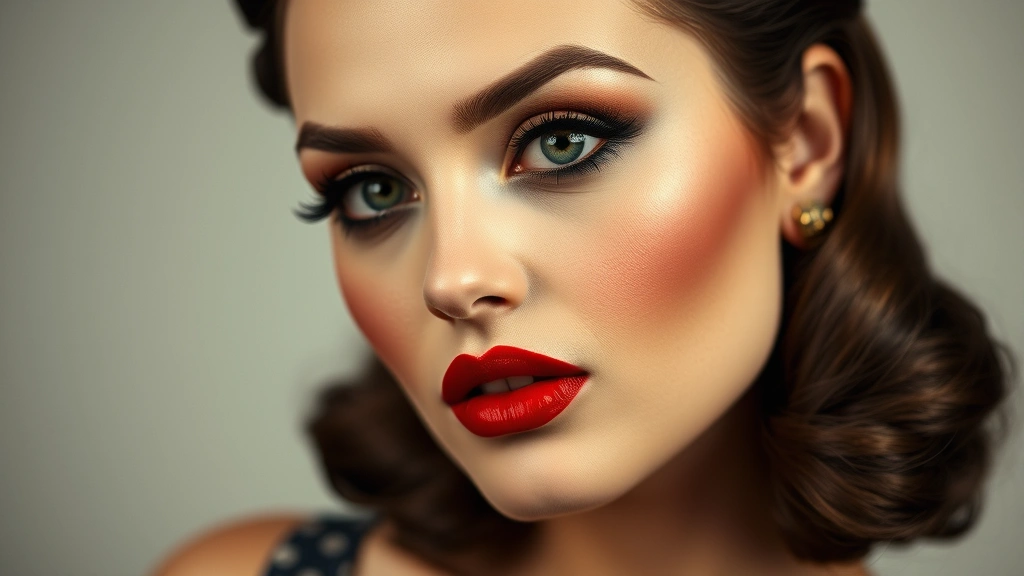
The 1930s marked a pivotal moment in beauty culture, emerging from the flapper era of the 1920s while establishing entirely new standards of femininity and glamour. During the 1920s, makeup was bold and rebellious—heavy kohl eyeliner, thin eyebrows, and dramatic lips represented a break from Victorian propriety. However, as the 1930s progressed, beauty evolved into something more refined and sophisticated, though still undeniably dramatic by modern standards.
This transformation wasn’t random; it reflected broader cultural shifts in how society viewed women’s roles and self-expression. The Great Depression created economic uncertainty, yet paradoxically, women invested heavily in beauty products as a form of escapism and self-care. Hollywood’s golden age provided endless inspiration, with studio makeup artists developing techniques specifically designed for film cameras and stage lighting. These innovations trickled down to everyday women who wanted to achieve that polished, glamorous aesthetic.
The 1930s beauty philosophy emphasized looking put-together, mysterious, and intentionally crafted. Natural beauty was considered insufficient; the goal was to create a flawless, sculpted appearance that suggested wealth, sophistication, and confidence. This philosophy shaped every aspect of 1930s makeup trends, from eyebrow shapes to lip colors to complexion techniques.
Signature Eyebrow Styles and Techniques
Eyebrows underwent dramatic transformation during the 1930s, moving away from the nearly invisible thin lines of the 1920s toward more defined, sculpted shapes that framed the face beautifully. The ideal 1930s eyebrow was high-arched, relatively thick compared to the previous decade, and carefully shaped to create a look of perpetual sophistication and slight surprise. This eyebrow shape became so iconic that it’s instantly recognizable as the 1930s aesthetic.
The arch placement was crucial—positioned higher than natural brow bones, creating a lifted effect that made eyes appear larger and more expressive. Makeup artists used eyebrow pencils to define and fill brows, often extending the tail slightly beyond the natural brow line for added drama. The color palette for eyebrows typically matched hair color, though darker shades were sometimes used for added definition. Brunettes often used deep brown or black, while blondes used taupe or soft brown tones.
Creating this signature look required precision and skill. Artists would first pluck the brow area below the natural arch to create definition, then use an angled brush and eyebrow cream or pencil to fill in the shape. The inner brow was kept fuller, while the tail was tapered to a refined point. This technique created a polished, intentional appearance that communicated careful grooming and attention to detail—essential elements of 1930s beauty culture.
The eyebrow shape also served a practical purpose in 1930s makeup artistry. By lifting and defining the brows, makeup artists could open up the eye area, making eyes appear larger and more prominent. This was particularly important for film and stage makeup, where subtle details could be lost under bright lights. The technique became so effective that it was quickly adopted by everyday women seeking that Hollywood glamour.
Eye Makeup: Defining the Dramatic Look
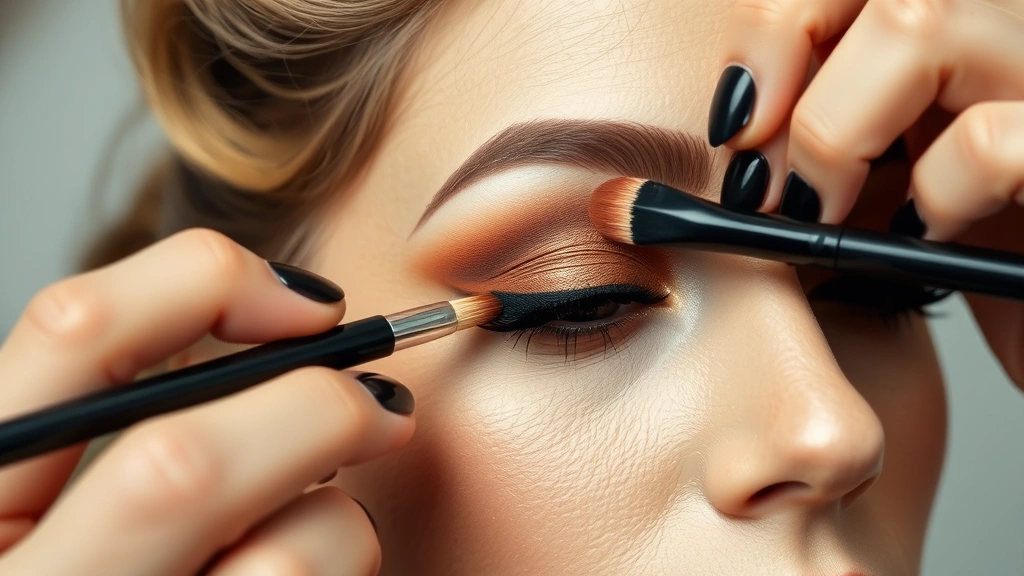
Eye makeup in the 1930s was undeniably dramatic, featuring bold definition, strategic shading, and carefully applied eyeshadow that created depth and mystery. This was the era when smoky eyes became iconic, achieved through layering and blending multiple shades of brown, bronze, and charcoal to create a sophisticated, smoldering effect. The goal was to make eyes appear larger, more expressive, and impossibly glamorous.
The primary eyeshadow colors used during this period included warm browns, bronzes, warm grays, and occasionally deeper shades like charcoal or black. These neutral tones were considered sophisticated and universally flattering. Application techniques involved using cream or powder shadows, carefully blended across the eyelid and into the crease to create dimension. Makeup artists would often use darker shades in the crease and lighter shades on the lid, creating a gradient effect that made eyes appear more three-dimensional.
Eyeliner was essential to achieving the 1930s eye look. A dark line was applied along the upper lash line, often extending slightly beyond the outer corner in a subtle wing. Some versions featured more dramatic winged eyeliner, though the effect was generally more subtle than later decades. The lower lash line was often lined with a softer brown or black pencil, creating definition without overwhelming the eye. This technique required a steady hand and precision, which is why many women visited professional makeup artists for special occasions.
Mascara application in the 1930s focused on creating separated, defined lashes. Cake mascara was the standard product, applied with a small brush to coat each lash individually. The emphasis was on definition rather than volume, creating a look that was dramatic but refined. Multiple coats were sometimes applied for special events, building up the definition gradually.
Eye makeup in the 1930s also incorporated strategic use of highlight and shadow to reshape the eye area. Lighter shades were applied to the inner corner and brow bone to create lift, while darker shades were concentrated in the crease and outer corner to add depth. This contouring technique, though not called that at the time, was crucial to achieving the sophisticated 1930s eye aesthetic.
Lip Color Trends and Application Methods
Lips were a major focal point of 1930s makeup, featuring rich, deep colors that commanded attention and communicated confidence and glamour. The lipstick shades of choice were deep reds, burgundies, and rich corals—bold colors that made a statement. These weren’t subtle lip tints; they were full-coverage lip colors applied precisely to create a defined, sculpted mouth shape.
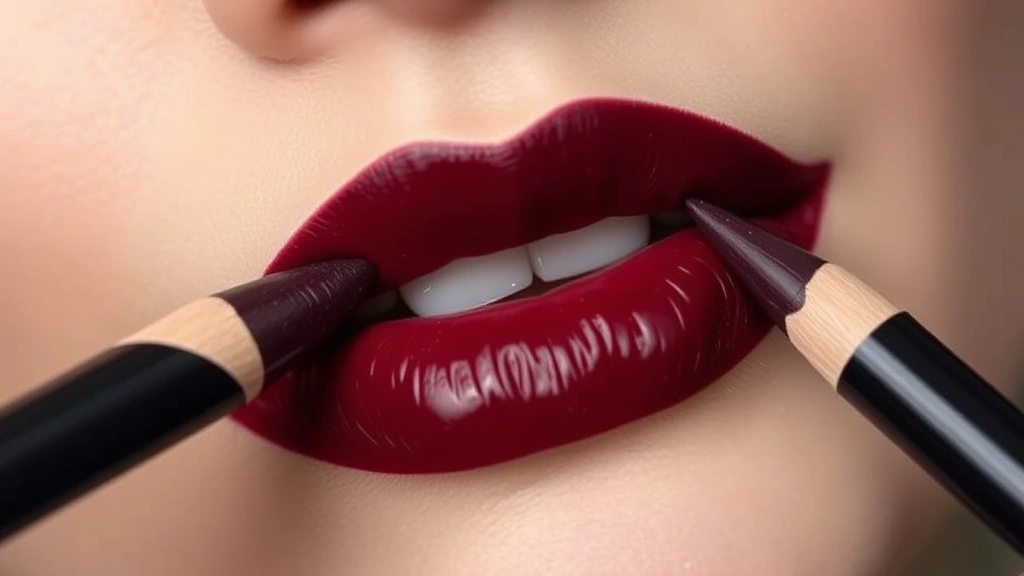
The classic 1930s lip shape was fuller and more defined than natural lips, often extending slightly beyond the natural lip line to create the appearance of a more generous mouth. This technique, sometimes called “lip lining,” involved using a lip pencil in a shade matching the lipstick to outline and slightly overline the lips before applying color. The result was a mouth that appeared fuller, more sensual, and more deliberately crafted than bare lips.
Application methods were precise and intentional. Makeup artists would first outline the lips with a lip pencil, creating a clean edge that defined the mouth shape. The pencil was drawn along the natural lip line and slightly beyond to create subtle overlining. This step was crucial because it prevented lipstick from feathering and created a polished, intentional appearance. Once the outline was complete, lipstick was applied carefully with a lip brush, ensuring even coverage and clean edges.
The lipstick formulas available in the 1930s were typically cream or oil-based, providing rich color and a slight sheen. Unlike modern matte lipsticks, 1930s lip colors had a subtle luminosity that caught light beautifully. The texture was smooth and gliding, making application easier and the finished look more luxurious. Women often carried lipstick in their purses for touch-ups throughout the day, as the formula required occasional reapplication.
Different occasions called for different lip colors. For daytime, women might choose a slightly softer red or coral shade, while evening events called for deeper, more dramatic colors. Professional women sometimes opted for more conservative lip colors, while actresses and socialites embraced the boldest shades available. This flexibility allowed women to express their personality and adapt their makeup to different contexts while maintaining the essential 1930s aesthetic.
Foundation and Complexion Techniques
The foundation of 1930s makeup was crucial to achieving that flawless, porcelain-like complexion that defined the era. Women sought a smooth, even skin tone with a matte finish that suggested both youth and careful grooming. The complexion products available during this period were quite different from modern formulations, yet the techniques developed remain relevant and influential today.
Foundation in the 1930s was typically a cream or liquid formula that provided medium to full coverage. These formulations were often quite heavy by modern standards, designed to create a smooth, opaque finish that would photograph well and withstand the heat of stage lights. Women would apply foundation evenly across the face, blending carefully to avoid visible edges or streaking. The goal was a seamless, airbrushed appearance that looked intentional yet refined.
Powder was essential to setting the foundation and controlling shine. Face powder was applied generously across the face, using a large fluffy brush or powder puff to press the product into the skin. This created a matte finish and helped the makeup last throughout the day. Women often carried powder compacts for touch-ups, particularly on the T-zone where shine was most likely to develop. The powder shades ranged from translucent to slightly tinted, allowing women to choose options that complemented their skin tone.
Complexion care was considered foundational to achieving beautiful makeup. Women invested in skincare routines, using cleansers, moisturizers, and treatment products to maintain smooth, healthy skin. This emphasis on skincare reflected the understanding that good makeup starts with good skin—a principle that remains true today. Popular skincare products of the era included cold creams, which were used both as moisturizers and makeup removers.
Blush, Contouring, and Highlighting Methods
Blush application in the 1930s was subtle yet strategic, designed to add dimension to the face and create the appearance of high, prominent cheekbones. The color palette for blush was limited compared to modern options, typically featuring soft pinks, warm peaches, and subtle roses. These colors were applied in a specific placement to create a lifted, youthful appearance that complemented the rest of the makeup.
The technique for applying blush involved placing color on the apples of the cheeks, then blending upward toward the temples. This placement created the illusion of lifted cheekbones and added warmth to the complexion. The intensity was carefully controlled—the goal was a subtle flush that suggested natural color, not an obvious stripe of pigment. Makeup artists would blend the edges carefully to ensure a seamless transition from blush to foundation.
Contouring, though not called by that name in the 1930s, was an important technique in creating the desired face shape. Darker foundation or powder shades were applied strategically under cheekbones, along the jawline, and at the temples to add definition and create the appearance of a more sculpted face. This technique required skill and understanding of facial anatomy, but the results were dramatic when executed well.
Highlighting was also employed, though subtly. Lighter shades were applied to the center of the face, including the bridge of the nose, the center of the forehead, and the tops of cheekbones. This created dimension and drew attention to the most flattering areas of the face. The highlighting was always subtle and blended seamlessly, never appearing obvious or glittery.
Creating 1930s Makeup Today
If you’re interested in recreating 1930s makeup trends for costume events, themed parties, or simply to appreciate this iconic aesthetic, several key principles will help you achieve an authentic look. Start with a good skincare routine and primer to create a smooth canvas, just as women did in the 1930s. Contemporary beauty publications offer guidance on creating vintage makeup looks with modern products.
Begin with foundation that matches your skin tone perfectly, applying it evenly across the face and blending carefully. Set with translucent powder, using a fluffy brush to press the powder into the skin for a matte finish. Next, shape your eyebrows by plucking slightly below the natural arch to create that signature high-arched 1930s shape. Fill in brows using an eyebrow pencil in a shade matching your hair color.
For eyes, apply a light neutral shadow across the lid as a base. Use a medium brown or bronze shade in the crease, blending carefully to create dimension. Apply a darker shade—charcoal, deep brown, or black—in the outer corner, concentrating the color along the lash line. Blend everything together to create a soft, smoky effect. Line the upper lash line with a dark pencil or liquid eyeliner, keeping the line relatively thin and creating a subtle wing if desired. Apply mascara to upper and lower lashes, building definition with multiple coats.
Apply blush to the apples of your cheeks, blending upward toward the temples in a soft flush. Use a lip pencil to outline your lips, slightly overlining to create a fuller appearance. Apply lipstick in a deep red, burgundy, or rich coral shade, using a lip brush for precise application. The result should be a polished, glamorous look that captures the essence of 1930s beauty.
Modern makeup artists frequently reference fashion and beauty publications for guidance on creating historically accurate vintage looks. Professional makeup artists specializing in theatrical or film work often study 1930s techniques to understand foundational skills in sculpting and definition. The techniques developed during this era remain relevant because they’re based on solid understanding of facial anatomy and light reflection.
FAQ
What were the most popular eyebrow shapes in the 1930s?
The most iconic 1930s eyebrow was high-arched, relatively thick, and carefully shaped to create a lifted effect. The arch was positioned higher than the natural brow bone, and the tail tapered to a refined point. This shape made eyes appear larger and more expressive, which was highly desirable during this era.
Which lipstick colors defined 1930s makeup?
Deep reds, burgundies, and rich corals were the signature lip colors of the 1930s. These bold shades were applied precisely with careful attention to creating defined edges. The colors communicated confidence and glamour, and they were often the focal point of the entire makeup look.
How did 1930s makeup differ from 1920s makeup?
While 1920s makeup featured nearly invisible eyebrows and bold geometric shapes, 1930s makeup emphasized sculpted, defined features and a more refined aesthetic. The 1930s look was more sophisticated and less overtly rebellious, reflecting cultural shifts toward glamour and Hollywood influence.
What products did women use for 1930s makeup?
Women used cream and liquid foundations, cake mascara, cream eyeshadows and powders, lipsticks in rich colors, eyebrow pencils, and face powders. These formulations were quite different from modern products but served the same purposes of creating color, definition, and a polished appearance.
Can I recreate 1930s makeup with modern products?
Absolutely! Modern makeup products can easily recreate 1930s looks. Focus on the techniques rather than specific products—high-arched brows, sculpted eye makeup, defined lips, and a matte complexion are achievable with contemporary formulations. Dermatological resources can guide you on skincare preparation for vintage makeup looks.
Were there regional differences in 1930s makeup trends?
While Hollywood standards dominated, some regional and class variations existed. Wealthy women in major cities had greater access to professional makeup artists and premium products, while rural women adapted trends using available resources. However, the overall aesthetic remained consistent across regions.
How long did 1930s makeup trends last?
The core aesthetic of 1930s makeup remained dominant through the early 1940s, though subtle shifts occurred. By the mid-1940s, wartime influences and changing fashion began to alter makeup trends, moving toward slightly different eyebrow shapes and lip colors, though the foundation techniques remained similar.

Related Posts
Perfect Old Fashioned Donut: Baker’s Secrets
Old Fashioned Chocolate Pie Recipe? Chef’s Favorite