1930s Hair Fashion: Glamorous Retro Styles
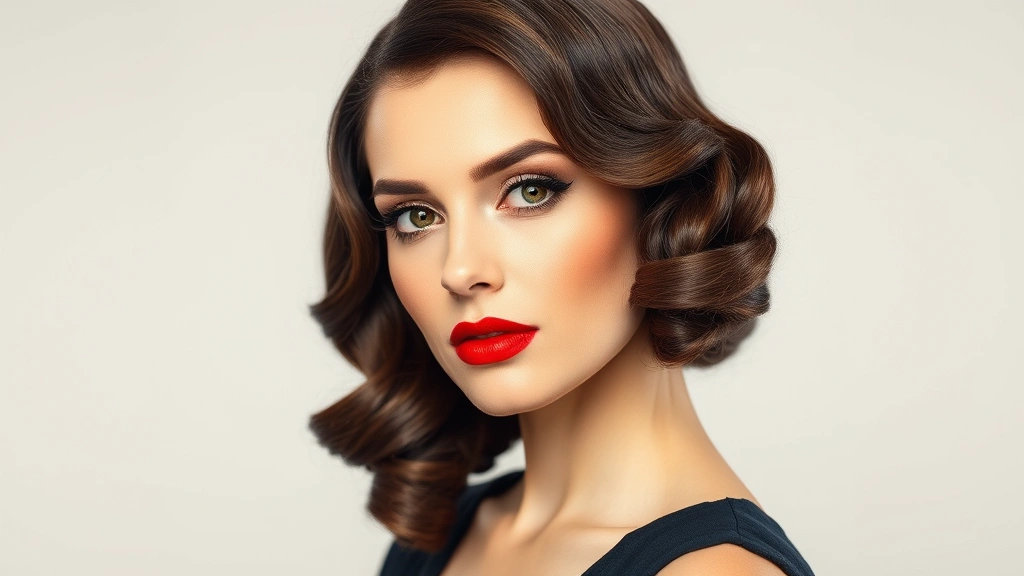
The 1930s represented one of the most glamorous and transformative eras in beauty history, and nowhere was this more evident than in 1930s hair fashion. During this golden age of Hollywood, women embraced sophisticated, sculpted waves and polished styles that conveyed elegance, femininity, and modernity. Whether you’re a vintage enthusiast, a makeup artist seeking historical inspiration, or simply curious about retro beauty trends, understanding the iconic hairstyles of this decade offers valuable insights into how hair styling has evolved. The 1930s aesthetic continues to influence contemporary beauty, from red carpet events to bridal looks, making it a timeless reference point for anyone interested in glamorous styling techniques.
What made 1930s hair fashion so distinctive was the meticulous attention to wave patterns, volume placement, and overall polish. Unlike the boyish bobs of the 1920s, the 1930s introduced a more feminine silhouette with carefully crafted finger waves, victory rolls, and sleek styles that framed the face beautifully. These hairstyles required dedication, specific tools, and professional techniques that we can still learn from today. Understanding these foundational styling methods enhances your ability to create vintage-inspired looks and appreciate the artistry behind classic beauty.
Signature Finger Waves and Set Techniques
The cornerstone of 1930s hair fashion was undoubtedly the finger wave—a sculptural technique that created symmetrical, S-shaped waves running through the hair. These weren’t loose waves; they were precise, geometric patterns that required skill and patience. Finger waves represented the height of sophistication and were achieved through a combination of wet setting, pin curls, and careful hand manipulation. The technique involved sectioning damp hair and using the fingers and a comb to create uniform wave patterns that would set firmly as the hair dried.
What’s fascinating about finger waves is how they democratized glamour. While Hollywood starlets had access to professional stylists, everyday women could learn these techniques at home or in local beauty salons. The wave pattern became so iconic that it defined an entire era’s beauty standards. The precision required meant that women spent considerable time at the beauty parlor—these visits were social events as much as beauty appointments. The process could take hours, but the results lasted for several weeks, making it a practical investment for the time.
The setting process was meticulous. Hair was shampooed, conditioned with oils or rinses, and then set while damp. Women would sleep in pin curls or use wave clips to maintain the pattern overnight. The next day, the curls would be brushed out into smooth, flowing waves. This multi-step process required understanding hair texture, moisture levels, and the physics of how hair held shape. Many women kept detailed notes about what worked best for their hair type, creating personalized beauty routines long before the age of social media tutorials.
Iconic 1930s Hairstyles
Several distinct hairstyles dominated the 1930s landscape, each with its own charm and appropriate occasions. The Marcel wave was perhaps the most ubiquitous, named after Marcel Grateau who invented the curling iron in the 1870s. This style featured deep, voluminous waves that added height and dimension to the crown. The waves were typically concentrated on the sides and back, creating a flattering frame for the face while keeping the forehead visible—an important feature when makeup emphasis was on eyes and lips.
The victory rolls, though more associated with the 1940s, actually gained popularity in the late 1930s. These distinctive spiral curls pinned on either side of the head became symbols of femininity and patriotic spirit. Creating victory rolls required twisted sections of hair pinned into loops, often with decorative accessories. They represented a bolder, more playful approach to styling compared to the more conservative finger waves, and they appealed to younger women seeking modern expression.
The sleek, center-parted style offered an alternative for those preferring sophistication over volume. This look featured hair smoothly combed back from a center part, sometimes with small waves at the sides and a low knot or chignon at the nape. This style emphasized facial features and required impeccably groomed hair. It was favored by professional women and those in formal settings, as it conveyed confidence and polish.
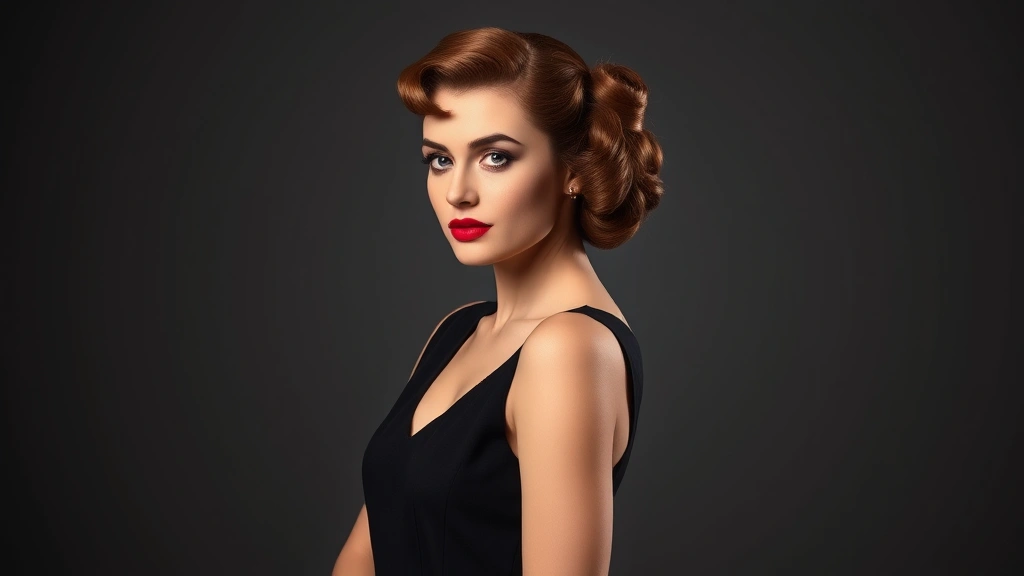
The side-swept style with deep waves on one side became increasingly popular as the decade progressed. This asymmetrical approach added drama and elegance, often paired with decorative combs or clips. The style worked beautifully with evening wear and was frequently seen in formal photography. The waves would sweep across one side of the face, creating a glamorous frame that highlighted cheekbones and eye makeup.
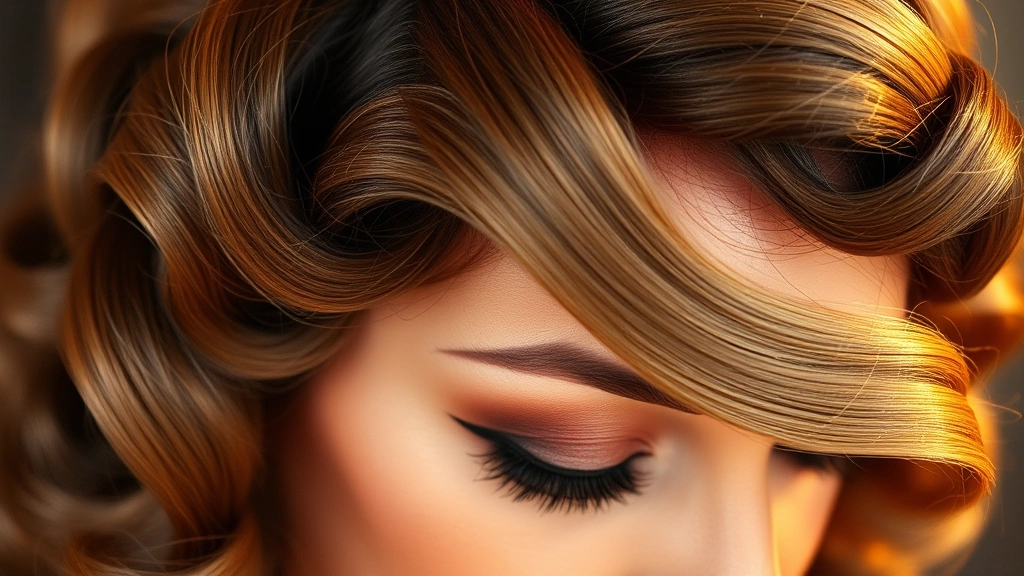
The pageboy represented another important 1930s silhouette, featuring shoulder-length hair with the ends curled under in a smooth, polished manner. This style offered versatility—it could be worn with waves, finger-set curls, or smooth sections depending on occasion and preference. The pageboy would continue to be popular through the 1940s and 1950s, proving its timeless appeal.
Essential Tools and Products of the Era
Understanding the tools available in the 1930s provides context for the hairstyles women could achieve. The most essential tool was the Marcel wave iron, or curling iron, which came in various sizes to create different wave depths. These were heated on stovetops or with specialized heating devices, requiring careful temperature management to avoid damage. Using a Marcel iron was a skill that took practice—too hot and hair would scorch, too cool and waves wouldn’t set properly.
Pin curls and wave clips were fundamental to the setting process. Women used metal clips to hold hair sections in specific patterns while drying. Pincurls, created by rolling damp hair around the finger and securing with pins, allowed women to create curls of various sizes. The smaller the curl, the tighter the wave pattern; larger curls created looser, more flowing waves.
Hair setting lotions and waves sets were crucial products. These setting solutions helped hair hold its shape and added structure. Common ingredients included gum arabic, borax, and various plant-based resins. Women would apply these solutions to damp hair before setting, and they’d dry to a light, flexible hold that lasted for weeks. Unlike modern hair products, these vintage formulations were often stiff and required careful application to avoid flaking or stiffness.
Brilliantine and hair oils were essential for maintaining shine and smoothness. These products helped tame flyaways, add luster, and protect hair from the damage caused by frequent heat styling. A light application of brilliantine gave hair that characteristic 1930s gleam without appearing greasy. The balance was crucial—too much oil looked unkempt, while too little made hair appear dull.
Decorative accessories played an important role in 1930s styling. Hair combs, often ornate and made from tortoiseshell or celluloid, weren’t just functional but also served as jewelry. Women would position these combs strategically to add glamour and secure waves. Ribbons, clips, and hairnets were also common accessories that added both function and style to completed looks.
Step-by-Step Styling Methods
Creating authentic 1930s waves requires understanding the foundational techniques. Here’s how women achieved these iconic styles:
- Shampooing and conditioning: Hair was washed with gentle shampoos and rinsed thoroughly. A final rinse with cool water helped close the hair cuticle and add shine.
- Applying setting solution: While hair was still damp, women applied setting lotion throughout, focusing on areas where they wanted waves or curls.
- Sectioning: Hair was divided into manageable sections using clips. The size of sections determined the final wave pattern.
- Creating the wave pattern: Using fingers and a fine-tooth comb, women would create S-shaped wave patterns, securing them with clips while the hair dried.
- Drying: Hair dried naturally overnight or was dried under a hood dryer if available. The longer the setting time, the more permanent the waves.
- Brushing out: Once completely dry, hair was gently brushed to blend the waves into a smooth, continuous pattern.
- Final touches: A light application of brilliantine added shine, and decorative accessories were positioned strategically.
The key to successful 1930s styling is patience and precision. These styles weren’t created quickly—they required time, skill, and often professional help. Understanding this helps modern stylists appreciate the artistry involved and recreate these looks authentically.
Modern Adaptations of Vintage Styles
Contemporary beauty enthusiasts can create stunning 1930s-inspired hairstyles using modern tools and products that make the process more accessible. While vintage techniques remain valuable, modern heat tools, products, and styling aids have simplified the process considerably. Many makeup artists and hairstylists now incorporate vintage elements into bridal, editorial, and special occasion work.
Modern curling irons and waving tools can replicate the finger wave effect with precision and speed. Texture sprays and volumizing products help achieve the polished look without the stiffness of vintage setting lotions. Dry shampoo adds grip and texture, making it easier to create and hold waves. However, many stylists still use traditional pin curls for important events, appreciating how they create a more natural, dimensional wave pattern than heat tools alone.
Combining vintage inspiration with modern techniques creates the best of both worlds. You might use a Marcel waver to create initial wave patterns, then smooth sections with a flat iron for a polished finish. Adding modern styling products like volumizing mousses or light-hold sprays maintains the historical aesthetic while ensuring longevity and comfort. This hybrid approach respects the artistry of the 1930s while acknowledging contemporary lifestyle needs.
Hair Care and Maintenance in the 1930s
Maintaining 1930s-style hair required consistent care and attention. Hair was generally washed less frequently than today—weekly or bi-weekly washing was typical. Between washings, women would refresh their styles using light heat, pin curls, or wave clips. This less-frequent washing actually benefited hair health, as it allowed natural oils to condition and protect.
Hair conditioning was emphasized, with women using oil treatments and rinses regularly. Coconut oil, olive oil, and specialized hair oils were massaged into the scalp and hair, left overnight or for several hours, then shampooed out. These treatments prevented dryness and brittleness caused by frequent heat styling and chemical treatments.
Protecting the ends of hair was important, as split ends would disrupt wave patterns and overall appearance. Women would regularly trim their hair, typically every 4-6 weeks, to maintain health and shape. Professional trims at the beauty salon were important maintenance appointments, as they ensured proper shaping and technique.
Understanding beauty history and its context helps us appreciate how much effort went into maintaining these styles. The commitment to regular salon visits and meticulous home care was part of the beauty culture of the era. This dedication to hair health created strong, lustrous hair that could hold elaborate styles beautifully.
Celebrity Influence and Hollywood Impact
Hollywood’s golden age profoundly shaped 1930s hair fashion. Actresses like Joan Crawford, Greta Garbo, and Marlene Dietrich set trends that women across America eagerly adopted. These stars had access to the best stylists, photographers, and lighting, creating an idealized vision of beauty that seemed achievable through dedication and the right techniques.
Joan Crawford’s deep waves and sculptural styling became iconic, influencing millions of women to visit their local beauty parlors requesting similar looks. Greta Garbo’s sleek sophistication appealed to women seeking a more understated elegance. Marlene Dietrich’s androgynous styling, with slicked-back waves and severe parting, offered an alternative for those wanting to challenge conventional femininity.
Movie magazines and fan publications spread these styles rapidly. Before television and internet, magazines were primary sources of beauty inspiration. Studios carefully controlled celebrities’ images, ensuring they appeared polished and glamorous in every photo. This manufactured perfection created aspirational beauty standards that drove women to invest in their appearance.
The relationship between Hollywood and beauty culture was symbiotic. Studios employed top stylists who developed innovative techniques, which then filtered down to commercial beauty products and salon services. Products marketed as “Hollywood-approved” or “used by film stars” commanded premium prices and devoted followings. This connection between celebrity and beauty culture remains powerful today.
FAQ
How long did 1930s hairstyles typically last?
A professionally set 1930s wave could last two to three weeks with proper care. Women would sleep carefully to preserve their waves and might refresh them mid-week using pin curls or light heat. The longevity of these styles made them practical despite the time required for initial creation.
Can I recreate 1930s waves with modern tools?
Absolutely! Modern curling irons, Marcel wavers, and styling products make achieving 1930s waves more accessible than ever. The key is understanding the technique—creating S-shaped wave patterns and allowing adequate drying time. Many contemporary stylists specialize in vintage looks and can guide you through the process.
What hair type works best for 1930s styles?
While any hair type can achieve 1930s waves, medium to thick hair holds waves most easily. Fine hair requires lighter products and careful technique to avoid weighing hair down. Curly hair can be smoothed into waves with proper products and tools. Understanding your hair’s unique characteristics helps you adapt vintage techniques successfully.
Are 1930s hairstyles appropriate for modern occasions?
Definitely! 1930s-inspired waves are perfect for weddings, formal events, vintage-themed parties, and editorial photography. The sophistication and elegance of these styles transcend their era. Many contemporary brides choose 1930s waves for their timeless glamour and romantic appeal.
What products should I use to recreate vintage waves?
Modern volumizing mousses, texture sprays, and light-hold styling products work well for 1930s waves. If you prefer authentic vintage products, some companies now recreate vintage setting lotions. The key is using products that provide hold without excessive stiffness or flaking.
How often should I wash hair styled in 1930s waves?
To preserve waves, wash less frequently—every 7-10 days is ideal. Use dry shampoo between washings to maintain texture and absorb oils. When you do wash, use gentle products and avoid vigorous scrubbing that might disturb the wave pattern.

Related Posts
Perfect Old Fashioned Donut: Baker’s Secrets
Old Fashioned Chocolate Pie Recipe? Chef’s Favorite