1920s Makeup for Men: Timeless Tips from Experts
1920s Makeup for Men: Timeless Tips from Experts
The 1920s represented a revolutionary era in men’s grooming and fashion. While many assume makeup was exclusively feminine during this period, the reality is far more nuanced and fascinating. Men of the Jazz Age embraced grooming rituals that would seem surprisingly modern today, incorporating subtle makeup techniques to enhance their appearance for photography, theater, and social occasions. This era broke traditional masculine beauty standards, paving the way for contemporary conversations about sustainable fashion brands that now cater to all genders without stigma.
Understanding 1920s male makeup isn’t about recreating an overly feminine aesthetic—it’s about appreciating how men strategically used cosmetics to refine their features, create definition, and present themselves with polished sophistication. From silent film stars to jazz musicians, men recognized that grooming was an art form. Today’s makeup artists and beauty professionals continue to reference this era when advising male clients on foundation application, eyebrow shaping, and subtle contouring techniques that enhance rather than transform.
The Historical Context of 1920s Male Grooming
The 1920s marked a dramatic shift in how men approached personal presentation. Post-World War I society embraced modernity, and grooming became a marker of sophistication and forward-thinking attitudes. The decade’s 1920s male fashion wasn’t limited to suits and fedoras—it extended to meticulous facial grooming and subtle cosmetic enhancement. Men visited barbers not just for haircuts but for facials, massages, and beauty treatments that were considered entirely masculine pursuits.
This period saw the rise of cinema as a dominant cultural force. Silent film actors, including male performers, relied heavily on makeup to ensure their features were visible and expressive on screen. The bright studio lights of early cinema demanded strategic makeup application to prevent washout and emphasize facial structure. Makeup artists working in Hollywood developed techniques specifically for male actors, focusing on enhancing natural features rather than creating dramatic transformations. These methods became aspirational for everyday men who admired their favorite stars.
The cultural acceptance of male grooming during the 1920s was reinforced by advertisements in men’s magazines and barbershop culture. Barbers began offering cosmetic services alongside traditional shaves and haircuts. This normalization of male beauty practices created an environment where men could explore grooming without social ridicule. Understanding this historical backdrop helps modern men appreciate that using makeup is neither new nor inherently feminine—it’s a continuation of a legitimate grooming tradition.
Essential Products Men Used in the Jazz Age
1920s men had access to a surprisingly sophisticated range of cosmetic products, though the formulations differed significantly from modern offerings. The most essential item was greasepaint, a thick, oil-based foundation that provided excellent coverage for photography and stage work. Available in various skin tones, greasepaint could be blended seamlessly and stayed in place under hot lights. Men typically chose shades that matched their natural skin tone precisely, as the goal was enhancement rather than alteration.
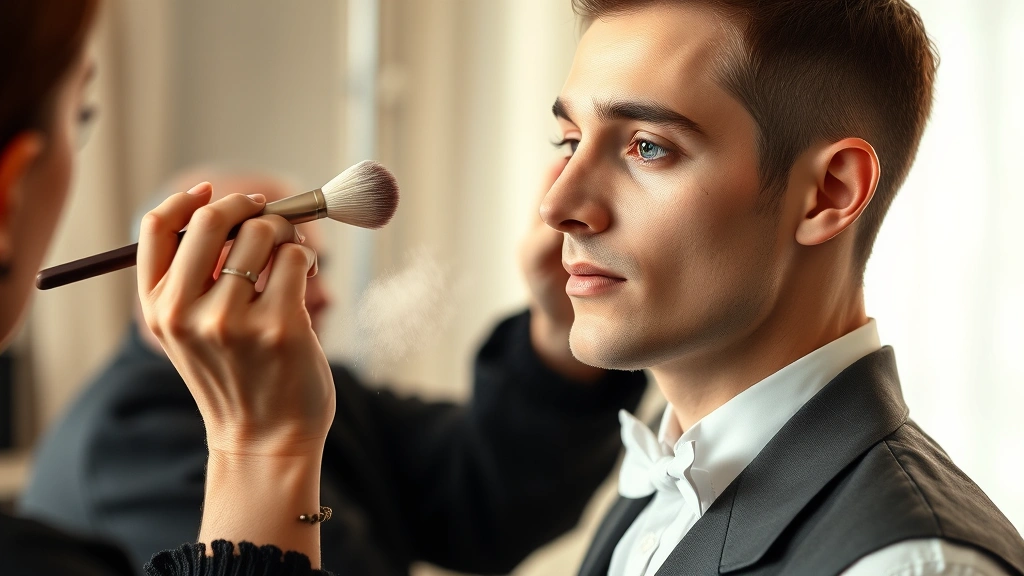
Powder was equally crucial for finishing the makeup look. Men used translucent face powder or powder specifically formulated for men, which came in subtle variations to match different complexions. The powder served dual purposes: it set the makeup to prevent shine and provided a refined, matte finish that photographed well. Men would apply powder with large, soft brushes, ensuring even distribution across the face.
Eyebrow products were essential for achieving the distinctive 1920s look. Men used eyebrow pencils and brow pomades to define and shape their brows. The ideal 1920s male eyebrow was well-groomed but natural-looking, with a slight arch that enhanced the eye area without appearing drawn-on. Many men combined pencil work with careful plucking to maintain the desired shape.
Lip products, while more subtle than in women’s makeup, were still used strategically. Men applied clear or neutral lip balms and occasionally very light lip color to prevent lips from disappearing under bright lights. The emphasis was always on maintaining a masculine appearance while ensuring facial features remained visible and defined. Some men used cream rouge applied minimally to the apples of the cheeks, blended thoroughly to create a naturally healthy complexion rather than obvious color.
Mascara, though primitive by modern standards, was occasionally used by male actors to emphasize the eye area. The formulations were typically dark brown or black, applied sparingly to upper lashes only. This subtle enhancement made eyes more expressive without creating a noticeably made-up appearance. When exploring Ecorise Daily Blog resources on historical practices, you’ll find that product innovation has always been tied to practical needs rather than vanity alone.
Step-by-Step Application Techniques
Achieving an authentic 1920s male makeup look requires understanding the specific application sequence and techniques that professionals used. The process began with thorough skin preparation, which we’ll explore in detail in the next section, but the actual makeup application followed a deliberate order designed to build coverage gradually.
The first step involved applying foundation with a damp sponge or brush, working from the center of the face outward. Men would use gentle dabbing motions rather than heavy strokes, building coverage in thin layers. This approach prevented the thick, mask-like appearance that heavy single-coat application created. The foundation was blended carefully around the jawline, temples, and hairline to ensure no visible demarcation lines.
After foundation was set, men applied cream or powder blush to the apples of the cheeks, blending upward toward the temples. The application was always subtle—the goal was to look naturally healthy, not flushed. Blending was crucial; any visible color patches would undermine the refined appearance men sought to achieve. Many men applied blush to the bridge of the nose and center of the forehead as well, creating a natural-looking flush that suggested vitality.
Eyebrow work came next. Men would brush their brows upward and outward, then use an eyebrow pencil to fill in sparse areas and define the arch. The pencil strokes followed the natural hair direction, creating definition without obvious artificiality. Some men then applied a clear or tinted brow pomade to set the shape and add subtle sheen. The finished brow should appear naturally groomed rather than sculpted.
Eye definition involved careful application of eyeshadow, typically in neutral, skin-matching tones. Rather than creating dramatic eye looks, 1920s men used eyeshadow to add subtle depth and dimension. A slightly darker shade was applied to the eyelid crease to create definition, while lighter shades were used on the lid itself. This technique made eyes appear larger and more expressive without obvious makeup.
The final step before powdering involved lip preparation. Men would apply a neutral lip balm or very light lip color, if using any color at all. The lips were then blotted to prevent obvious color saturation. This ensured lips looked naturally tinted rather than deliberately painted.
Once all color products were applied, translucent powder was applied with a large, fluffy brush using circular motions. The powder set everything in place and created the matte finish that photographed beautifully. Extra attention was paid to the T-zone, where shine was most noticeable, but the entire face received a light powder application. Any excess powder was brushed away gently, leaving a refined, barely-there finish.
Eyebrow Shaping and Definition
The eyebrow was perhaps the most important feature in 1920s male makeup artistry. Unlike modern trends that emphasize dramatic brows, the 1920s ideal was a naturally groomed, well-defined brow that complemented the face’s bone structure without appearing obviously shaped. This subtlety was the hallmark of sophisticated grooming during the era.
Men began by assessing their natural brow shape and determining what minor adjustments would enhance their appearance. The goal was to create a slight arch without obvious angularity. Professionals recommended plucking stray hairs below the brow line while maintaining the brow’s natural density. Plucking above the brow was avoided unless the arch needed significant definition.
The brow pencil was the primary tool for enhancement. Men chose pencil colors that matched their hair shade or were one shade lighter. The pencil was used to fill in sparse areas and follow the natural brow line, creating subtle definition. The technique involved short, feathery strokes that mimicked individual brow hairs, preventing the drawn-on appearance that would undermine the look’s authenticity.
For men with very sparse or light brows, a brow pomade or cream product could be applied over the pencil work to set the shape and add subtle sheen. This layering technique ensured brows stayed in place throughout the day or under hot studio lights. The finished brow should appear as though it had simply been well-groomed rather than deliberately made up.
The spacing between the brows was also important. The ideal distance was approximately the width of one eye. Brows that were too close together appeared heavy and severe, while brows spaced too far apart lacked definition. If natural spacing was off, subtle pencil work could create the optical illusion of better proportions without obvious alteration.
Skin Preparation and Foundation
Before any makeup application, proper skin preparation was essential. Men in the 1920s understood that makeup application begins with skincare, a principle that remains true today. The preparation process ensured smooth canvas for makeup and helped products adhere properly.
The first step involved thorough cleansing with a quality soap and warm water. Men would wash their face gently, paying special attention to removing any oil, dirt, or previous makeup residue. This cleansing step was crucial because any buildup would prevent smooth makeup application and create uneven coverage.
After cleansing, men applied a moisturizer appropriate for their skin type. Even men with oily skin benefited from light hydration, as this prevented the skin from overcompensating with excess oil production. The moisturizer was applied to the entire face and neck, allowed to absorb for a few minutes, and any excess was blotted away with a soft tissue.
For men with particularly oily skin or those applying makeup for photography, a lightweight primer was sometimes used. This product created a smooth surface for foundation and helped makeup last longer. The primer was applied thinly and evenly across the entire face, paying special attention to the T-zone.
Foundation selection was critical. Men chose shades that matched their skin tone exactly—undertone matching was just as important then as it is now. The foundation should disappear into the skin rather than sit on top of it. Testing foundation on the jawline in natural light was the standard method for ensuring proper shade selection.
Application technique significantly impacted the final result. Rather than applying foundation all over the face, many men used the spot-coverage method, applying foundation only where needed to even out skin tone and cover blemishes. This approach prevented the heavy, obvious makeup appearance that undermined the refined aesthetic men sought. The foundation was blended seamlessly using a damp sponge or brush, with extra attention paid to creating clean transitions at the jawline and hairline.
For men with visible blemishes or dark circles, concealer was applied after foundation. The concealer was gently patted into place rather than rubbed, and blended carefully to match the surrounding skin. This layered approach to coverage allowed men to address specific concerns without over-applying product across the entire face.
The Role of Powder and Setting
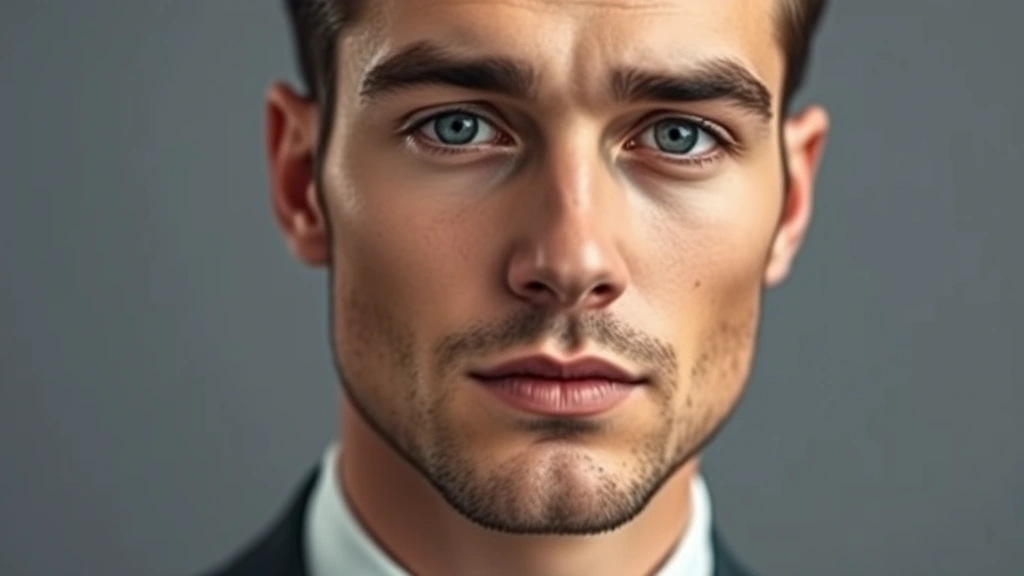
Powder was the finishing touch that transformed individual makeup elements into a cohesive, polished look. The powder served multiple purposes: it set all color products to ensure longevity, absorbed excess oil to prevent shine, and created the matte finish that was essential to the 1920s aesthetic.
Men selected powder in shades that matched their skin tone. Translucent powder was popular because it worked on multiple skin tones and didn’t alter the foundation color. However, some men preferred powder with subtle undertones that enhanced their complexion. The key was selecting powder that blended seamlessly rather than creating a chalky or obvious appearance.
The application technique was as important as product selection. A large, fluffy powder brush was the preferred tool, as it allowed for controlled, even application. Men would dip the brush into powder, tap away excess, and apply using circular motions across the entire face. The focus was on light, even coverage rather than heavy powder application.
The T-zone—forehead, nose, and chin—typically received slightly heavier powder application because this area is most prone to shine. However, even here, the goal was subtle coverage that controlled shine without creating obvious powder deposits. The under-eye area was powdered gently, as heavy powder in this delicate zone could settle into fine lines and create an aged appearance.
Setting spray was occasionally used after powder to ensure makeup stayed in place throughout the day or under studio conditions. This was particularly important for men applying makeup for photography or performance. The setting spray was applied in a light mist, allowed to dry completely, and then any excess powder was brushed away with a clean brush.
Modern Interpretations of Vintage Style
Today’s men interested in 1920s-inspired makeup have the advantage of modern products formulated specifically for male skin and contemporary preferences. Contemporary makeup artists have adapted vintage techniques using current technology, creating looks that honor the historical aesthetic while meeting modern standards for comfort and wear time.
Modern men’s foundation formulations are often lighter and more breathable than 1920s greasepaint, while still providing excellent coverage. Many contemporary foundations include skincare benefits like hydration or acne-fighting ingredients. Men can achieve the refined 1920s look using modern products that feel more comfortable for extended wear.
Tinted moisturizers and BB creams offer another approach to achieving the 1920s aesthetic with minimal product. These products provide light to medium coverage while maintaining a natural appearance and requiring less powder to set. For men seeking the 1920s look without obvious makeup, tinted moisturizer combined with targeted concealer can achieve excellent results.
Eyebrow products have evolved significantly since the 1920s. Modern brow pencils, pomades, and gels offer more precision and longevity. Men can achieve the natural-yet-groomed 1920s brow aesthetic more easily with contemporary products. Microblading and brow lamination are also modern options for men seeking long-term brow enhancement that requires minimal daily maintenance.
Understanding the human environment interaction in beauty product development shows how modern formulations respond to contemporary needs while respecting historical traditions. Today’s men can explore 1920s-inspired makeup as part of broader fashion and lifestyle choices that connect them to historical style movements.
Contemporary makeup artists specializing in vintage looks often recommend mixing modern and classic techniques. For example, they might use a modern primer and foundation for ease of application, but follow with classic powder and setting techniques to achieve the authentic 1920s finish. This hybrid approach allows men to enjoy the aesthetic benefits of the era while using products designed for modern comfort and performance.
Celebrity Influences and Icons
Several 1920s male celebrities became influential figures in popularizing grooming practices that included subtle makeup. Understanding these icons provides context for why men embraced cosmetics during this era and how their choices influenced broader grooming standards.
Rudolph Valentino was perhaps the most influential male beauty icon of the 1920s. The silent film star was famous for his meticulous grooming, including carefully shaped eyebrows and subtle makeup that enhanced his features on screen. Valentino’s influence extended beyond cinema—men copied his grooming habits, visiting barbers specifically to achieve his distinctive look. His success demonstrated that attention to appearance and grooming enhanced rather than diminished masculine appeal.
Charlie Chaplin, another major silent film star, was known for his precise makeup application. While Chaplin’s Tramp character wore exaggerated makeup, his personal grooming was equally fastidious. Men admired Chaplin’s ability to use makeup strategically to enhance his appearance and create compelling on-screen presence.
Jazz musicians and performers of the era also influenced male grooming practices. These entertainers understood that appearance was part of their performance, and they invested in grooming practices that made them more visually appealing. Their influence extended grooming beyond cinema into music and nightlife culture.
The collective influence of these celebrities normalized male grooming and makeup use. Rather than being seen as vain or feminine, grooming was understood as a professional practice and marker of sophistication. This cultural moment created space for men to explore appearance enhancement without stigma—a freedom that was unfortunately lost in subsequent decades but is experiencing revival today.
According to Britannica’s overview of the 1920s, the era was defined by dramatic cultural shifts and the questioning of traditional norms. This extended to beauty standards and grooming practices. Men’s embrace of makeup during this period reflected broader societal willingness to challenge conventions and explore new forms of self-expression.
Creating Your Own 1920s Look Today
For modern men interested in creating an authentic 1920s makeup look, the process begins with gathering appropriate products and understanding the fundamental principles that guided the aesthetic. The goal is subtle enhancement that refines features without creating obvious makeup appearance.
Start with quality skincare foundations that support healthy skin. Proper cleansing, hydration, and sun protection are essential prerequisites for any makeup application. Healthy skin provides the best canvas for makeup and requires less product for optimal results.
Select a foundation that matches your skin tone exactly. Test in natural light and on the jawline before purchasing. Modern formulations offer various finishes—matte, satin, and dewy—but for the 1920s aesthetic, a satin or matte finish is most appropriate.
Invest in quality brushes and tools. A damp beauty sponge, foundation brush, powder brush, and eyebrow brush are essential. Good tools make application easier and help you achieve the refined finish that characterizes the 1920s look.
Practice the application sequence multiple times before attempting the look for special occasions. Muscle memory develops through repetition, and you’ll become faster and more confident with practice. Start with minimal product and build coverage gradually—this approach prevents heavy, obvious makeup appearance.
Consider consulting with a professional makeup artist experienced in vintage styles. They can assess your features, recommend appropriate products and shades, and demonstrate techniques tailored to your specific face shape and coloring. Many artists now specialize in vintage looks and can provide valuable guidance for achieving authentic results.
Professional Makeup Artist Perspectives
Leading makeup artists who work with male clients consistently emphasize the importance of subtlety and technique over product quantity. According to the Society of Cosmetic Chemists, formulation science has advanced dramatically since the 1920s, but the fundamental principles of makeup application remain unchanged: proper preparation, appropriate product selection, and skillful blending create the best results.
Professional makeup artists note that men often approach makeup application differently than women, focusing on problem-solving rather than transformation. This practical mindset aligns perfectly with the 1920s male makeup philosophy. Rather than viewing makeup as a way to create a different appearance, men can understand it as a tool for refining and enhancing their natural features.
Many contemporary makeup artists recommend that men interested in the 1920s aesthetic start by addressing specific concerns—dark circles, blemishes, or uneven skin tone—rather than applying full-face makeup. This targeted approach feels more comfortable for men new to makeup and aligns with historical male grooming practices.
Professional makeup artists also emphasize the importance of proper lighting when applying makeup. The 1920s makeup was often applied under bright studio lights or in well-lit barbershops. Modern men should apply makeup in good lighting to ensure even application and appropriate color intensity. Natural daylight or bright LED lighting is ideal for assessing how makeup appears in real-world conditions.
Common Mistakes to Avoid
Even with good intentions and quality products, certain application mistakes can undermine the 1920s aesthetic. Understanding these common errors helps you avoid them and achieve better results.
Over-applying foundation is the most common mistake. Men often apply too much foundation in an attempt to cover all imperfections, resulting in heavy, obvious makeup appearance. Remember that the 1920s aesthetic valued refinement and subtlety. Start with less product than feels necessary and build coverage gradually.
Mismatched foundation shade is another frequent error. Foundation that’s too light creates a ghostly appearance, while foundation that’s too dark looks muddy and unnatural. Take time to find your exact match, testing in natural light. If you’re between two shades, choose the lighter option—it’s easier to add coverage than to lighten heavy application.
Neglecting to blend thoroughly prevents seamless makeup application. Visible demarcation lines, particularly at the jawline and hairline, immediately signal obvious makeup use. Blend everything carefully using a damp sponge or brush, ensuring no visible transitions between makeup and skin.
Using the wrong powder shade or applying too much creates a chalky appearance that’s the opposite of the refined 1920s look. Use translucent powder or shades that match your skin tone. Apply powder sparingly using a light hand and large brush. You should barely see the powder on your skin.
Over-shaping eyebrows creates an artificial appearance. The 1920s eyebrow was naturally groomed, not obviously sculpted. Avoid removing too much hair or creating overly severe arches. Your eyebrows should appear as though they’ve been well-maintained rather than dramatically altered.
Applying color products without proper blending creates patches of obvious color rather than natural-looking dimension. Whether using blush, bronzer, or eyeshadow, blend thoroughly using brush techniques that create soft transitions between colors.
The Psychology of Male Grooming
Understanding why men in the 1920s embraced makeup requires examining the psychology of grooming and self-presentation. The era represented a moment when traditional masculine ideals were being questioned and redefined. Men recognized that attention to appearance wasn’t weakness—it was sophistication.
Contemporary psychology research supports what 1920s men intuitively understood: grooming and appearance management contribute to confidence and self-esteem. Men who take care with their appearance often report feeling more confident and capable in professional and social situations. This confidence is visible to others and influences how they’re perceived.
The 1920s also represented a period when men began separating grooming from femininity. Rather than viewing all beauty practices as feminine, men recognized that grooming is gender-neutral. A man could care for his appearance, use makeup strategically, and maintain his masculine identity. This perspective challenged limiting gender norms and created space for more authentic self-expression.
Modern men exploring 1920s makeup often report similar psychological benefits. The process of learning makeup application, selecting products, and experimenting with looks can be deeply satisfying. It provides a creative outlet and opportunity for self-care that many men find rewarding. The confidence gained from looking polished and refined extends into other areas of life.
Understanding how to reduce carbon footprint in beauty practices also resonates with modern men interested in conscious consumption. Many contemporary makeup enthusiasts, regardless of gender, seek products from sustainable brands and apply makeup mindfully rather than wastefully.
FAQ
Did all men in the 1920s wear makeup?
No, makeup use was primarily limited to men in professions where appearance was particularly important—actors, performers, and entertainers. However, grooming practices like eyebrow shaping and skincare were more broadly accepted. The normalization of male grooming during this era created cultural space for men to explore appearance enhancement.
What’s the difference between 1920s male and female makeup?
The primary difference was subtlety and intent. Women’s makeup of the era was often more visible and dramatic, with defined eye makeup and lip color. Men’s makeup emphasized enhancement and refinement rather than obvious color or transformation. The techniques were similar, but application was more restrained.
Can modern men achieve the 1920s look with contemporary products?
Absolutely. Modern foundations, powders, and other products are often superior to 1920s formulations in terms of comfort, wear time, and variety. Contemporary products designed for men offer excellent options for achieving the vintage aesthetic with modern convenience.
Is it necessary to use male-specific makeup products?
Not necessarily. Quality makeup products work regardless of marketing. However, many contemporary brands now formulate specifically for male skin concerns and preferences. These products often have different undertones, coverage levels, and finishes than traditional women’s makeup. Experimenting with both options helps you find what works best for your skin.
How long does it take to apply 1920s-style makeup?
With practice, a complete application takes 10-15 minutes. The process is straightforward: prepare skin, apply foundation, add blush and eyebrow definition, apply powder, and set. Once you develop familiarity with your routine and products, the process becomes faster and more intuitive.
Will 1920s-style makeup look dated today?
The 1920s aesthetic can look contemporary when executed well. The key is using modern products and adapting the style slightly to current trends. A well-groomed, refined appearance is timeless—it never looks obviously dated because it’s based on fundamental principles of proportion and balance rather than trendy techniques.
What if I have sensitive skin?
Many contemporary makeup brands offer formulations specifically for sensitive skin, including men’s lines. Look for products labeled hypoallergenic, fragrance-free, and dermatologist-tested. Perform patch tests before full-face application, and consult a dermatologist if you have significant sensitivities. Proper skincare is especially important for sensitive skin before makeup application.

Related Posts

Perfect Old Fashioned Donut: Baker’s Secrets
Old Fashioned Chocolate Pie Recipe? Chef’s Favorite