1700s Makeup Trends? Expert Insights
1700s Makeup Trends: Expert Insights into Georgian Beauty Standards
The 1700s, also known as the Georgian era, represents one of the most fascinating periods in beauty history. During this century of dramatic social change and artistic innovation, makeup became a powerful tool for self-expression, status, and cultural identity. Women (and many men) of the era invested considerable time, effort, and resources into achieving the distinctive beauty look that defined their generation. From the pale, porcelain complexions to the bold use of color and theatrical application techniques, 1700s makeup tells a rich story about fashion, class, and the evolving standards of beauty.
Understanding the makeup trends of this period requires us to look beyond simple cosmetics and examine the broader cultural environment that shaped beauty ideals. The 1700s saw the rise of cosmetics as both an art form and a commercial enterprise, with beauty becoming increasingly democratized across social classes. Whether you’re a history enthusiast, makeup artist, or simply curious about how beauty standards have evolved, exploring 1700s makeup trends offers valuable insights into the intersection of fashion, science, and social expectation.
The Pale Complexion Ideal: Why Porcelain Skin Ruled
During the 1700s, a pale, almost translucent complexion was the ultimate beauty goal. This preference wasn’t arbitrary—it carried profound social and economic significance. In an agricultural society where most people worked outdoors, a pale complexion signified wealth and leisure. Only aristocrats and the upper classes could afford to avoid sun exposure, making porcelain skin a visible marker of social status and privilege.
The pursuit of this ideal was relentless and, by modern standards, quite extreme. Women applied thick layers of white face paint to achieve an almost mask-like appearance. The most desirable complexions resembled fine porcelain or marble, with an almost supernatural paleness that emphasized the contrast with the heavily rouged cheeks and lips. This beauty standard created a distinctive aesthetic that immediately communicated a woman’s social position to everyone she encountered.
The white face paint used during this period was typically made from lead-based compounds, a terrifying prospect from a modern health perspective. Lead oxide, also known as ceruse or Venetian ceruse, was the primary ingredient in most white face paints. Women would apply this in multiple layers, creating a thick, chalky base that sometimes cracked and peeled throughout the day. Despite the known health risks—and yes, people were aware that lead was dangerous even then—the beauty standard was so powerful that countless women continued the practice throughout their lives.
Signature Face Paints and Pigments of the Era
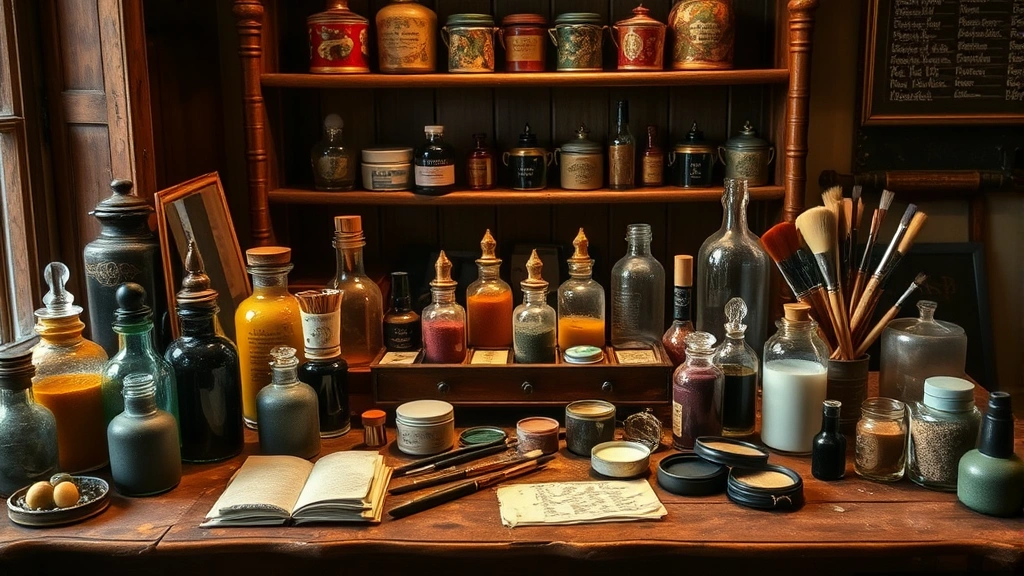
The makeup industry of the 1700s was surprisingly sophisticated, with a wide variety of commercial products available to those who could afford them. Makeup shops flourished in major cities, and beauty retailers competed fiercely for customers. The pigments and paints used during this period came from natural sources, though many were highly toxic by modern standards.
White face paints dominated the market, but they came in various formulations. Besides lead oxide, manufacturers experimented with bismuth, tin oxide, and powdered eggshell. Some preparations included chalk or plumbum album (lead carbonate). The quality and safety of these products varied wildly depending on the maker and their scruples—or lack thereof.
Red pigments were equally important for achieving the distinctive 1700s look. Carmine, derived from crushed cochineal insects, provided a brilliant red color for cheeks and lips. This pigment, while toxic, was considered preferable to some alternatives because it was less obviously dangerous than lead. Vermillion (mercury sulfide) was another popular choice, creating a deeper, more dramatic red. Some women also used madder root, a plant-based pigment that produced a more natural-looking flush.
Kohl and black pigments were used around the eyes and for defining brows. Soot, charcoal, and antimony sulfide (kohl) were the primary ingredients. These were sometimes mixed with oils or fats to create a paste that would adhere to the delicate eye area. The application was done with small brushes or even fingertips, requiring steady hands and considerable skill.
The Art of Rosy Cheeks and Bold Lips
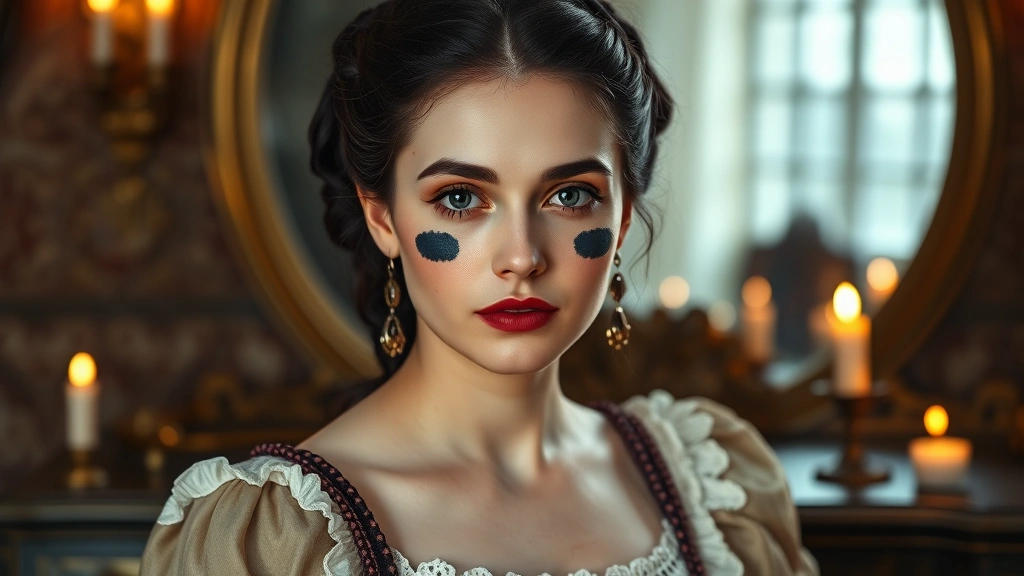
One of the most recognizable features of 1700s makeup was the dramatic use of color on the cheeks and lips. The ideal was to create two distinct, perfectly circular patches of intense color on the apples of the cheeks. This required precision and practice, as applying the color too high, too low, or in the wrong shape would be immediately noticeable and considered unfashionable.
Women used various tools to apply their cheek color, including brushes, sponges, and even their fingers. The most skilled makeup artists could create perfectly symmetrical circles of color that enhanced the face’s proportions and created an almost doll-like appearance. This technique required understanding facial anatomy and how color placement could create the illusion of different face shapes.
Lip color was equally important, though the lips were often painted in a smaller, more rosebud-like shape than they naturally were. The upper lip was frequently left unpainted or only lightly tinted, while the lower lip received the full intensity of color. This created a distinctive pout that became synonymous with Georgian beauty. Some women would even use plumping techniques, applying irritating substances to the lips to make them swell slightly before applying color.
The impact of cosmetics on daily life was significant. Women would need to reapply their makeup throughout the day, particularly their cheek and lip color, which would wear away with eating, drinking, and normal facial movement. Portable makeup kits became essential accessories for any fashionable woman, and applying makeup in public was not considered inappropriate or unusual.
Beauty Patches: The Controversial Statement
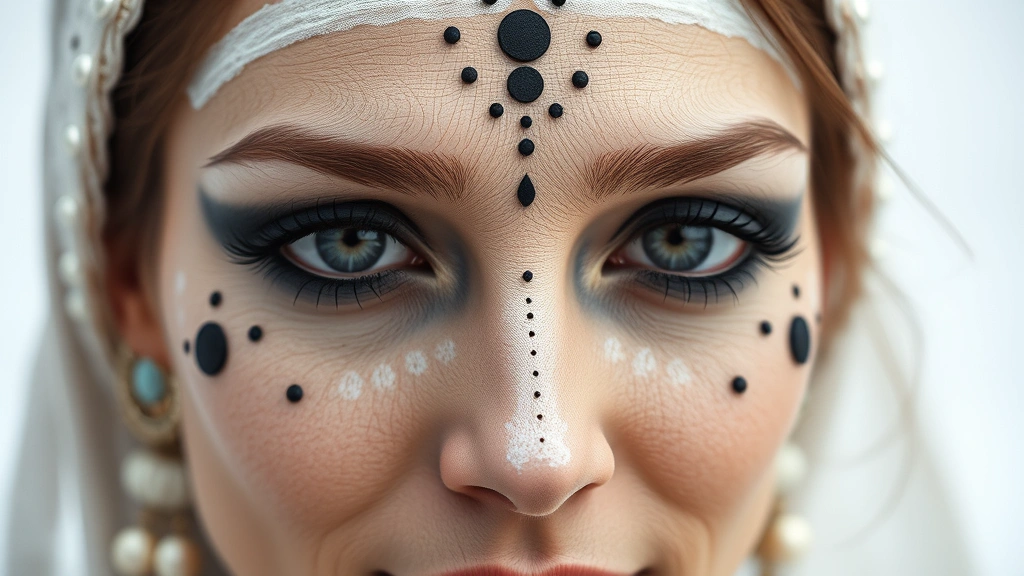
Perhaps the most distinctive and peculiar element of 1700s makeup was the beauty patch, or mouche (French for “fly”). These small pieces of black silk or velvet were cut into various shapes—stars, crescents, hearts, diamonds—and applied to the face with gum or adhesive. They served multiple purposes: they covered blemishes, they added visual interest to the pale canvas of the face, and they communicated social and political messages.
Beauty patches were strategically placed to enhance facial features. A patch placed near the corner of the mouth was said to draw attention to the lips. Patches on the cheekbones emphasized the cheeks. Patches near the eyes were thought to make them appear larger and more luminous. Some women wore multiple patches, creating a constellation of black shapes across their white face paint.
Beyond aesthetics, beauty patches had coded meanings. Different placements supposedly indicated relationship status, political affiliation, or personality traits. A patch on the right cheek, for example, allegedly indicated that a woman was married, while one on the left suggested she was single. During the heated political divisions of the 1700s, Whigs and Tories were said to wear patches in different locations to signal their political loyalties. Whether these codes were universally understood or largely mythical remains debated by historians.
Beauty patches reached their peak popularity in the earlier decades of the 1700s but remained fashionable throughout the century. Their decline came gradually as makeup trends shifted toward a somewhat more natural appearance by the century’s end, though they never completely disappeared.
Eye Makeup and Dramatic Brows
Eyes were framed with considerable drama during the 1700s. The eyebrows, in particular, were subject to intense modification. The fashionable eyebrow shape was thin, arched, and highly sculpted. Women achieved this through a combination of plucking and drawing.
Eyebrow removal was taken to extremes by modern standards. Women would pluck their natural brows almost completely and then redraw them in the desired shape using black kohl, charcoal, or specialized eyebrow pencils. Some women even shaved their eyebrows entirely to start fresh with a completely artificial brow. The goal was to create a look of perpetual surprise or aristocratic elegance, with brows positioned high on the forehead.
The area around the eyes was often emphasized with black kohl applied to the upper lash line and sometimes along the inner rim of the lower lid. This created a dramatic frame for the eye and made the whites of the eyes appear brighter against the dark line. Some women also applied a light color to the inner corner of the eye to create the illusion of larger, more luminous eyes.
Eyeshadow, as we know it today, wasn’t really used during the 1700s. Instead, women relied on the contrast between their pale face paint and the dark kohl lining to create definition. The focus was on shape and line rather than on subtle color gradation across the lid.
Makeup Application Techniques and Tools
The process of achieving 1700s makeup was time-consuming and required considerable skill. A fashionable woman might spend an hour or more preparing her face each morning, and the entire process was often done with the assistance of a lady’s maid or professional makeup artist.
The first step was preparing the skin with a base. Women would wash their faces with water and sometimes use a light oil or cream to create a smooth surface. Some preparations included rose water, which was believed to have beautifying and healing properties. The skin was then patted dry, and the foundation layer was applied.
White face paint was applied in layers using brushes or sponges. The first layer was often thinner, creating a base, and subsequent layers built up the coverage and opacity. The paint had to be blended carefully to avoid visible demarcation lines, particularly around the jawline and temples. Skillfully applied, the white paint would create an almost seamless mask.
Once the base was set, the artist would apply rouge to the cheeks. Using a brush or sponge, they would create perfectly circular or slightly oval patches of color. The placement required knowledge of facial proportions—the circles were typically positioned on the apples of the cheeks, slightly toward the temples. Symmetry was crucial; asymmetrical cheek color was considered a sign of poor makeup application.
Lip color came next, applied carefully to create the desired rosebud shape. A small brush was used for precision, and some women would use a lip stencil to ensure perfect shape and symmetry. The lips were often blotted and reapplied to build up the color gradually rather than applying one thick coat.
Finally, beauty patches were applied, kohl was drawn around the eyes, and eyebrows were defined. The entire process required steady hands, good lighting, and considerable practice to master.
Gender and Class Distinctions in 1700s Beauty
While we often think of 1700s makeup as a feminine pursuit, men of the era also wore makeup, particularly those of the upper classes. Aristocratic men wore rouge, face paint, and beauty patches just as women did. The pale complexion, rosy cheeks, and carefully groomed appearance were markers of gentility and refinement for both genders.
However, there were distinctions in how men and women applied makeup and what it signified. Men’s makeup was often more subtle, with less emphasis on the lips and slightly less dramatic cheek color. The application was meant to look somewhat natural or at least less obviously artificial than women’s makeup, though by modern standards, it would appear heavily made-up.
Class distinctions were profound and immediately visible through makeup application. Wealthy women had access to the finest pigments, the most skilled makeup artists, and the time to maintain their appearance throughout the day. Their makeup was impeccably applied, with perfect symmetry and seamless blending. Working-class women might attempt to follow fashionable trends but with less refined results, using cheaper, lower-quality products and applying them without professional assistance.
The professional makeup artist of the 1700s was typically a woman, often of modest means, who had developed considerable skill in face painting. These artists worked in urban centers, serving aristocratic clientele and charging fees that were quite substantial for the time. Some became famous for their particular techniques or their ability to create the most fashionable looks.
Health Concerns and Dangerous Ingredients
The health risks associated with 1700s makeup were severe, and many people understood them, yet continued using these products anyway. Lead poisoning was a real and documented problem, causing symptoms including tremors, neurological damage, and organ failure. Women who used white face paint daily for years often suffered serious health consequences.
Medical professionals of the time warned against the use of lead-based cosmetics. Dermatologists and physicians published treatises describing the dangers, yet their warnings largely went unheeded. The social pressure to achieve the fashionable pale complexion was simply too strong. Women prioritized their appearance and social standing over their long-term health—a choice that seems shocking from a modern perspective but was understandable given the rigid beauty standards and limited opportunities for women of the era.
Beyond lead, other ingredients posed health risks. Mercury in vermillion pigments could cause mercury poisoning. Antimony in kohl was toxic and could cause various health problems with prolonged use. Arsenic was sometimes used in certain preparations. The cumulative effect of daily exposure to these toxic substances took a serious toll on women’s health, contributing to various chronic conditions and potentially shortening lifespans.
Some women tried to minimize health risks by using less toxic alternatives, though these were often less effective or more expensive. Bismuth, while still toxic, was sometimes substituted for lead. Vegetable-based pigments were experimented with, though they were often less vibrant and required more frequent application. By the end of the 1700s, as scientific understanding of chemistry improved, some safer alternatives began to emerge, though truly safe cosmetics wouldn’t become standard until the 20th century.
FAQ
What was the most important makeup product in the 1700s?
White face paint was undoubtedly the most essential product. Achieving the pale, porcelain complexion was the foundation of 1700s beauty, and without this base, the other makeup elements couldn’t be properly displayed. Lead oxide was the most common ingredient, though other formulations existed.
Did men really wear makeup in the 1700s?
Yes, absolutely. Aristocratic and upper-class men wore makeup, including face paint, rouge, and beauty patches. Makeup was not considered exclusively feminine; it was a marker of gentility, refinement, and social status for both men and women.
How often did women reapply their makeup during the day?
Depending on activities and the products used, women might reapply portions of their makeup several times daily. Cheek and lip color wore away relatively quickly with eating and drinking. Wealthy women often carried portable makeup kits for touch-ups throughout the day.
Were there any safe makeup alternatives in the 1700s?
There were some attempts at safer formulations, but truly safe options were limited. Vegetable-based pigments were used by some, and bismuth was sometimes substituted for lead, but these alternatives were often less vibrant or more expensive. Most fashionable women continued using toxic products because the alternatives didn’t produce the desired results.
When did 1700s makeup trends end?
The extreme white face paint and dramatic makeup of the early 1700s gradually fell out of favor as the century progressed. By the 1790s, makeup trends were shifting toward a more natural appearance, though some elements persisted. The Romantic era brought new beauty ideals that emphasized natural beauty over theatrical makeup.
Could you achieve 1700s makeup with modern cosmetics?
Yes, modern makeup artists can recreate 1700s looks using contemporary products. A pale foundation, cream blush applied in circular patches, bold lip color, black eyeliner, and small adhesive patches can approximate the look. However, the thickness and opacity of historical white face paint is difficult to replicate exactly with modern formulas.

Related Posts

Perfect Old Fashioned Donut: Baker’s Secrets

Old Fashioned Chocolate Pie Recipe? Chef’s Favorite