Best Lipstick Shades? Top MUA Picks
Best Lipstick Shades? Top MUA Picks for Every Skin Tone & Fashion Style
Finding the perfect lipstick shade is one of the most transformative beauty decisions you can make. Whether you’re exploring beauty trends and fashion choices, professional makeup artists know that the right lip color can completely elevate your entire look. The challenge isn’t just finding a beautiful shade—it’s discovering one that complements your unique skin tone, undertones, and personal style while aligning with current fashion movements.
As someone who’s tested hundreds of lipstick formulas and shades, I’ve learned that this isn’t a one-size-fits-all situation. Your undertones, natural coloring, and the fashion aesthetic you’re drawn to all play crucial roles in selecting lipstick shades that truly work for you. In this comprehensive guide, I’m sharing the exact shades that top makeup artists recommend, along with professional tips for application and selection that will transform your makeup routine.
Understanding Your Undertone: The Foundation of Lipstick Selection
Before diving into specific shade recommendations, you need to understand your skin’s undertone—this is absolutely fundamental. Your undertone is the subtle hue beneath your skin’s surface, and it remains consistent regardless of how tan or pale you are. Most people fall into three categories: warm, cool, or neutral undertones.
To determine your undertone, look at the veins on your wrist in natural light. If they appear greenish, you likely have warm undertones. If they look bluish or purplish, you have cool undertones. If you see a mix of both colors, you’re probably neutral. Another method involves considering which metals flatter you most—gold typically suits warm undertones, while silver complements cool undertones better.
Understanding this foundational concept means you can confidently select lipstick shades that harmonize with your natural coloring rather than fighting against it. This knowledge transforms your entire approach to how you interact with beauty products and fashion choices, allowing you to make intentional decisions that celebrate your unique features.
Best Lipstick Shades for Warm Undertones
If you have warm undertones, you’re blessed with the ability to wear some of the most gorgeous, sun-kissed lipstick shades. Warm undertones pair beautifully with earthy, golden, and spiced tones that enhance your natural glow.
Terracotta and Warm Reds: These shades are absolutely stunning on warm skin tones. Think burnt orange-reds, brick reds, and rusty tones that evoke autumn landscapes. These colors create a harmonious blend with your skin’s natural warmth, creating a cohesive, polished look. Professional makeup artists frequently reach for these shades during editorial shoots because they photograph beautifully and feel universally flattering on warm undertones.
Warm Nudes and Peachy Tones: Nude lipsticks with peachy, golden, or bronze undertones create an effortless, sophisticated look. These shades work wonderfully for both everyday wear and professional settings. They enhance your natural lip color while adding polish and definition. Many makeup artists consider peachy nudes essential in any warm-toned person’s collection.
Warm Corals and Oranges: Coral shades with warm, golden undertones bring vibrancy and energy to warm skin tones. From soft peach-corals to deeper burnt orange-corals, these shades celebrate warmth and radiance. They’re particularly striking during spring and summer months and pair beautifully with natural, sun-kissed makeup looks.
Warm Browns and Chocolates: Deep, warm brown lipsticks offer sophistication and elegance. These shades work across all seasons and skin depths, creating a refined, polished appearance. They’re excellent for those who prefer less bold statements but still want notable color and definition.
Best Lipstick Shades for Cool Undertones
Cool undertones create a naturally luminous canvas that’s complemented by jewel tones, berry shades, and cool-based reds. These shades make cool undertones appear more vibrant and youthful.
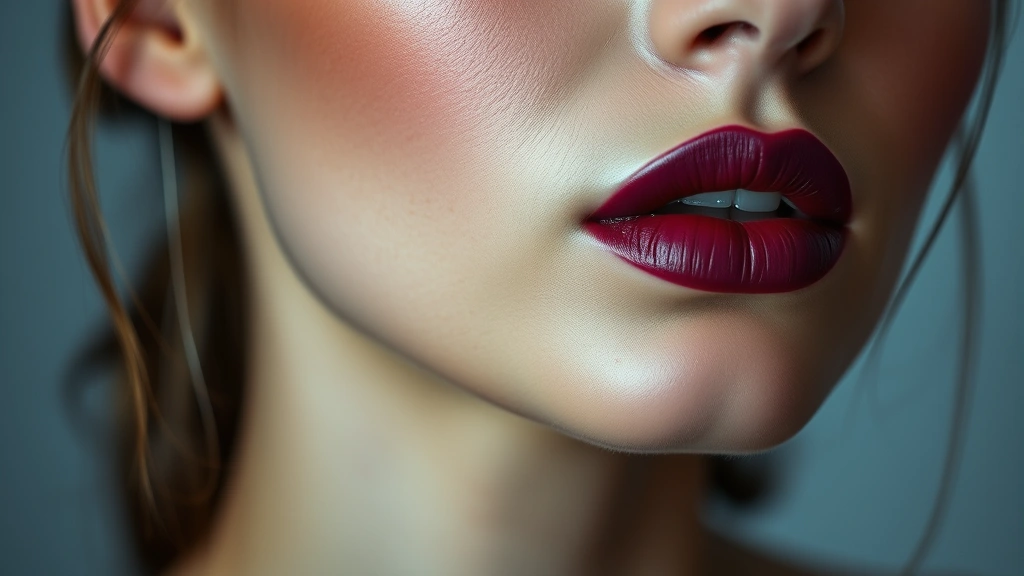
Berry and Plum Shades: Deep berries, plums, and mauve tones are absolutely magical on cool undertones. From blackened berries to soft mauve pinks, these shades create stunning contrast and drama. Professional makeup artists adore these shades for creating editorial looks because they photograph with rich, luxurious depth.
Cool Reds and Blue-Based Reds: True reds with blue undertones are the classic choice for cool skin tones. These aren’t orange-reds or warm reds—they’re the iconic, timeless reds that evoke Hollywood glamour. They create immediate sophistication and work across virtually any setting or season. This is often the first shade makeup artists recommend to clients with cool undertones.
Cool Pinks and Mauves: Pink shades with cool, blue undertones create a fresh, youthful appearance. From dusty roses to cool bubble gum pinks, these shades enhance cool undertones beautifully. They’re particularly lovely for creating soft, romantic makeup looks.
Deep Purples and Jewel Tones: Rich purples, deep wine shades, and jewel-toned lips create drama and luxury. These sophisticated shades work wonderfully for evening wear and special occasions, making a bold statement while remaining elegant.
Neutral Undertone Lipstick Winners
If you have neutral undertones, congratulations—you’re incredibly versatile and can pull off shades from both the warm and cool families. However, certain shades are particularly stunning on neutral skin.
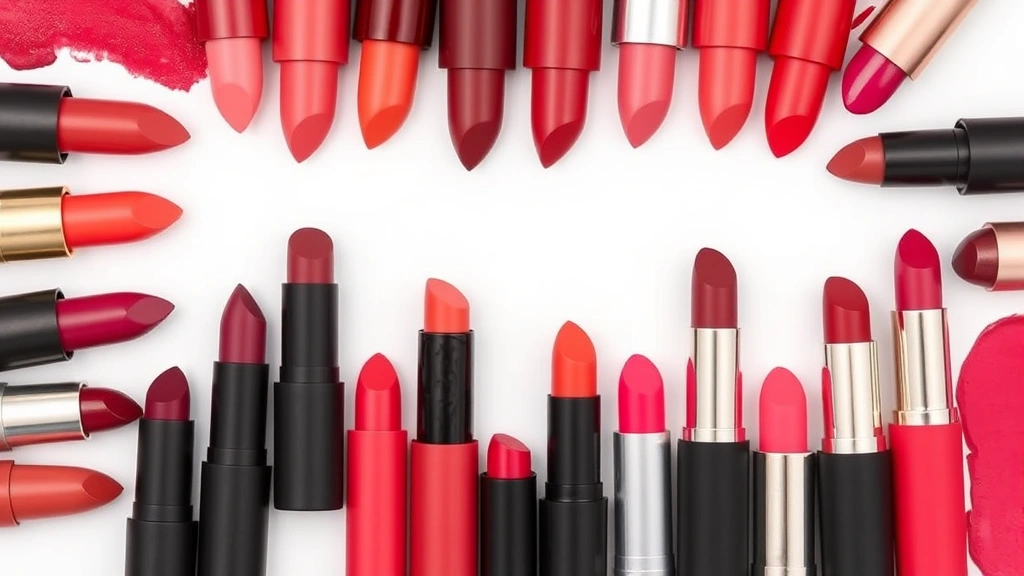
True Reds: A perfect red—not too warm, not too cool—is your secret weapon. This universal shade works across virtually all occasions and creates timeless elegance. Neutral undertones can wear these with confidence, and they’ll look equally stunning in professional settings, casual outings, or formal events.
Rosy Nudes: Nude shades with rosy undertones (neither too warm nor too cool) create an effortlessly polished look. These shades enhance your natural lip color while adding subtle color and dimension, making them perfect for everyday wear.
Berry-Coral Hybrids: Shades that blend berry and coral elements work beautifully on neutral undertones. These in-between shades offer the best of both worlds—the sophistication of berry tones with the warmth of coral.
Lipstick Finishes That Elevate Your Look
Shade selection is only half the story—finish is equally important. Different finishes create entirely different effects and serve different purposes in your beauty routine.
Matte Finishes: Matte lipsticks create bold, statement-making looks with maximum color intensity. They photograph beautifully and offer long-lasting wear. However, they can be drying, so proper lip prep is essential. Professional makeup artists often choose matte formulas for editorial work and special occasions because they create dramatic impact.
Satin Finishes: Satin lipsticks offer the perfect balance between color intensity and comfort. They provide noticeable pigmentation while maintaining a softer, more wearable finish. This is often the go-to finish for everyday wear and professional settings.
Glossy and Sheer Finishes: Lip glosses and sheer lipsticks create a fresh, youthful appearance with buildable color. They’re perfect for creating softer looks and work wonderfully for daytime wear. Many makeup artists layer sheer lipsticks with gloss for dimensional, multifaceted color.
Metallic and Shimmer Finishes: These finishes add dimension and catch light beautifully. They’re excellent for evening wear and special occasions, though they require more careful application to avoid looking costume-like.
Application Techniques from Professional Makeup Artists
Even the perfect shade won’t look its best without proper application technique. Professional makeup artists use specific methods to ensure flawless lipstick application every single time.
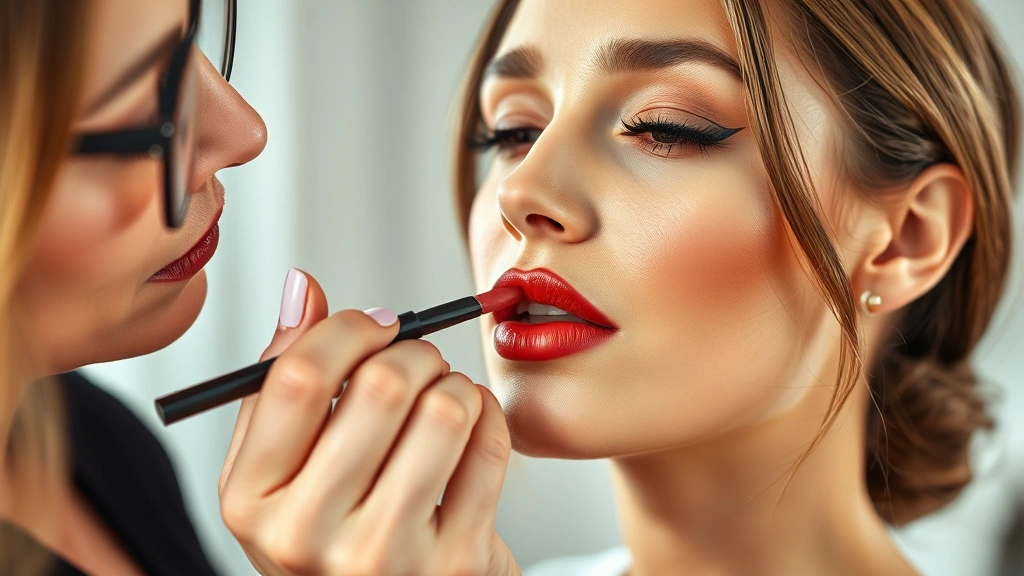
Lip Preparation: Start with properly prepped lips. Exfoliate gently to remove dead skin, then apply a hydrating lip balm and let it absorb for a few minutes. This creates a smooth canvas and ensures your lipstick applies evenly without patchy areas. This foundational step is non-negotiable for professional results.
Lip Lining: Using a lip liner that matches your natural lip tone or your chosen lipstick shade helps define lips and prevent feathering. Line just outside your natural lip line if you want to enhance lip shape, or follow your natural line for a subtle enhancement. Blend the liner slightly inward for seamless integration with your lipstick.
Application Methods: You can apply lipstick directly from the tube or use a lip brush for precision. A lip brush offers more control and helps you achieve sharper edges, particularly important for matte finishes. For sheerer finishes, direct application from the tube often works beautifully.
Blotting and Building: Apply your first layer, blot on a tissue, then apply a second layer for maximum color payoff and longevity. This technique, favored by professional makeup artists, ensures even color distribution and longer wear time.
Fashion Forward Lipstick Trends
Lipstick trends evolve seasonally and align with broader fashion movements. Understanding current definitions and categories of beauty aesthetics helps you make informed choices about trending shades.
Currently, beauty publications highlight rich, saturated colors and unexpected shade combinations as leading trends. Warm terracotta and rust tones are having a major moment, particularly in fashion-forward circles. Simultaneously, cool berry and wine tones remain timeless classics that never go out of style.
The “clean girl” aesthetic favors minimal, natural-looking lipstick in soft nudes and barely-there pinks. Conversely, maximalist fashion embraces bold, statement-making lip colors in unexpected shades like deep plums, true reds, and even unconventional colors. The key is choosing what aligns with your personal style and the image you want to project.
Ombré lips—where darker shades concentrate in the center with lighter shades toward the edges—remain popular among makeup artists and beauty enthusiasts. This technique adds dimension and creates a fuller-looking lip while remaining wearable for everyday occasions.
Building Your Lipstick Collection
Rather than randomly accumulating lipsticks, professional makeup artists build intentional collections. Here’s how to strategically develop your own.
Start with Basics: Begin with one perfect nude that matches your undertone, one true red, and one everyday shade in your preferred finish. These three shades form the foundation of any lipstick collection and cover most occasions.
Add Seasonal Shades: Build your collection by adding seasonal shades. Spring and summer benefit from corals, peachy tones, and bright pinks. Fall and winter shine with deeper berries, burgundies, and warm browns. Having seasonal options keeps your collection fresh and relevant.
Experiment with Finishes: Expand beyond matte by exploring satin, glossy, and shimmer finishes. Different finishes create entirely different moods and suit different occasions. A single shade in multiple finishes offers versatility within your collection.
Invest in Quality: Beauty experts recommend investing in quality formulas that wear comfortably and maintain color throughout the day. Drugstore options offer excellent value, while luxury brands often provide superior formulations and packaging.
Consider Undertone Families: Once you understand your undertone, purchase shades primarily within that family. This ensures every lipstick in your collection works harmoniously with your skin tone, maximizing wearability and satisfaction with your purchases.
The journey to finding your best lipstick shades involves understanding your undertone, exploring different color families, and experimenting with finishes and application techniques. By following professional makeup artist recommendations and building an intentional collection, you’ll develop a lipstick wardrobe that celebrates your unique beauty and supports your personal style evolution.
FAQ
How do I know if a lipstick shade will look good on me before buying?
Request samples or testers at beauty counters, or purchase from retailers with good return policies. Test shades in natural light and on your lips—swatches on your hand won’t accurately represent how the shade interacts with your unique skin tone. Consider your undertone and look for shades within that family for the highest probability of success.
Can I wear bold lipstick colors if I have fair skin?
Absolutely! Fair skin can wear virtually any lipstick shade beautifully. The key is matching the undertone of the shade to your skin’s undertone. Fair-skinned individuals with cool undertones look stunning in true reds and berries, while fair-skinned individuals with warm undertones shine in corals and warm reds.
What’s the best way to prevent lipstick from feathering?
Use a lip liner that matches your lipstick shade or your natural lip tone, and apply it carefully around your lip contour. Set your lip liner with a light dusting of powder before applying lipstick. For additional longevity, apply lipstick, blot, and reapply. These techniques significantly reduce feathering throughout the day.
How often should I update my lipstick collection?
There’s no strict timeline—update your collection when you feel uninspired or when seasons change. Many makeup artists refresh their collections seasonally to align with fashion trends and weather. However, classic shades like true red and perfect nude never need replacing as long as they serve you well.
Are matte lipsticks always drying?
Modern matte lipstick formulas have improved significantly and aren’t as drying as older versions. However, proper lip preparation—exfoliation, hydration, and primer—is essential for comfortable matte lipstick wear. Look for formulas specifically labeled as comfortable or long-wearing, and don’t skip lip prep steps.
What’s the difference between warm and cool lipstick undertones?
Warm undertones contain golden, orange, or red-based pigments, while cool undertones contain blue or purple-based pigments. Matching your lipstick’s undertone to your skin’s undertone creates harmony and makes shades appear more vibrant and flattering. Mismatched undertones can make skin appear dull or washed out.
Can I wear multiple lipstick shades together?
Yes! Layering shades—like applying a darker shade in the center with a lighter shade on the edges, or combining a lipstick with gloss—creates dimensional, multifaceted color. Professional makeup artists frequently layer shades to customize looks and add depth to lip color.

Related Posts
Perfect Old Fashioned Donut: Baker’s Secrets
Old Fashioned Chocolate Pie Recipe? Chef’s Favorite