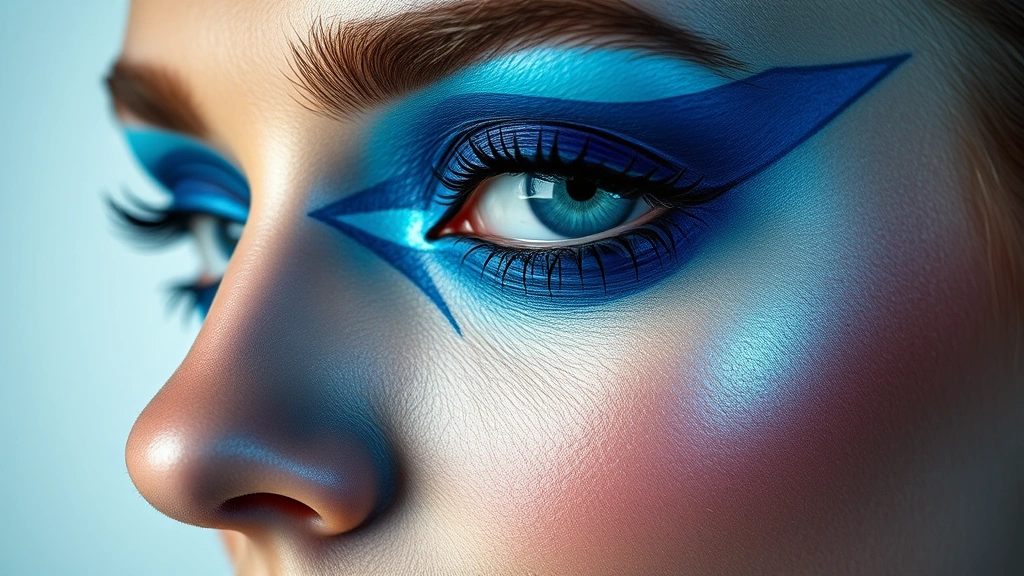
Surrealism Makeup: Expert Tips for Bold Looks
Surrealism Makeup: Expert Tips for Bold Looks
Surrealism in makeup is where fantasy meets artistry, creating looks that defy reality and captivate the imagination. This avant-garde approach to beauty transforms your face into a living canvas, blending dreamlike elements with bold color choices and unexpected textures. Whether you’re preparing for a high-fashion editorial, an artistic event, or simply want to push your creative boundaries, surrealism makeup offers endless possibilities for self-expression.
The beauty of surrealism fashion lies in its rejection of conventional rules. Instead of striving for symmetry or natural-looking finishes, surrealist makeup artists embrace asymmetry, exaggeration, and thought-provoking imagery. This guide will walk you through the essential techniques, product recommendations, and creative strategies to master this bold aesthetic and create makeup looks that are truly unforgettable.
Understanding Surrealism in Makeup
Surrealism as an artistic movement emerged in the early 20th century, emphasizing the unconscious mind and dreamlike imagery. When applied to makeup, this philosophy translates into looks that challenge perception and invite viewers into an imaginative world. The key difference between surrealism makeup and other artistic styles is its emphasis on illogical juxtapositions and unexpected combinations that feel both familiar and utterly strange.
The foundation of surrealist makeup begins with conceptualization. Before applying a single product, spend time sketching your ideas or creating mood boards. Consider what narrative or emotion you want to convey. Are you depicting a dream? A nightmare? A transformation? These questions guide your color choices, placement decisions, and overall composition. Exploring creative platforms can help you discover inspiration from other artists working in surrealist fashion.
Unlike conventional makeup that aims to enhance natural features, surrealism makeup often distorts or completely reimagines the face. Eyes might appear in unexpected locations, lips could transform into abstract shapes, and skin becomes a medium for storytelling. This liberation from beauty standards is what makes surrealism so exhilarating for experimental makeup artists.
Essential Products and Tools
Creating authentic surrealism makeup requires a curated collection of high-quality products designed for precision and longevity. Your toolkit should include both traditional cosmetics and specialized theatrical or body art products that offer superior pigmentation and staying power.
Foundation and Base Products: Start with a primer that creates a smooth canvas. Surrealism makeup often involves layering multiple products and techniques, so a quality silicone-based primer prevents creasing and extends wear time. Choose foundations that match your undertone perfectly, as any mismatch becomes glaringly obvious under the scrutiny surrealist makeup receives. Cream foundations often work better than powders for this style because they blend seamlessly and allow for more dimensional blending.
Color Pigments: Invest in professional-grade eyeshadow palettes, liquid pigments, and cream shadows. Brands specializing in theatrical makeup often offer more vibrant, unconventional colors than mainstream beauty companies. Look for highly pigmented formulas that won’t require excessive layering. Surrealism makeup frequently employs unexpected color combinations—think neon green adjacent to deep burgundy or electric blue melting into coral.
Brushes and Application Tools: Quality brushes make an enormous difference in surrealism makeup application. You’ll need various sizes: small detail brushes for intricate work, larger blending brushes for seamless transitions, and flat brushes for bold strokes. Synthetic brushes work well for cream products, while natural hair brushes excel with powders. Don’t forget sponges for stippling effects and creating texture.
Special Effect Materials: Consider adding face gems, metallic flakes, temporary tattoo materials, and specialty products like holographic pigments to your collection. These elements elevate surrealism makeup from good to extraordinary. Beauty publications like Allure frequently showcase avant-garde makeup featuring these embellishments.
Setting and Finishing Products: Surrealism makeup demands exceptional longevity. Invest in a quality setting spray and powder that won’t dull your vibrant colors. Makeup setting sprays specifically formulated for theatrical use offer better hold than traditional beauty products.
Color Theory and Palette Selection
Color selection is absolutely critical in surrealism makeup. While traditional makeup follows flattering color theory, surrealism often deliberately violates these principles to create visual impact and emotional resonance.
Complementary Color Combinations: Understanding color wheels helps you create intentionally jarring or harmonious combinations. Complementary colors (opposite on the color wheel) create high contrast and visual drama. Pair a deep purple with bright yellow, or electric blue with warm orange. These combinations feel surreal precisely because they’re unexpected yet scientifically balanced.
Analogous Color Schemes: For a more cohesive surrealist look, use analogous colors—those sitting next to each other on the color wheel. These create harmony while still feeling bold and unconventional when applied in surrealist patterns.
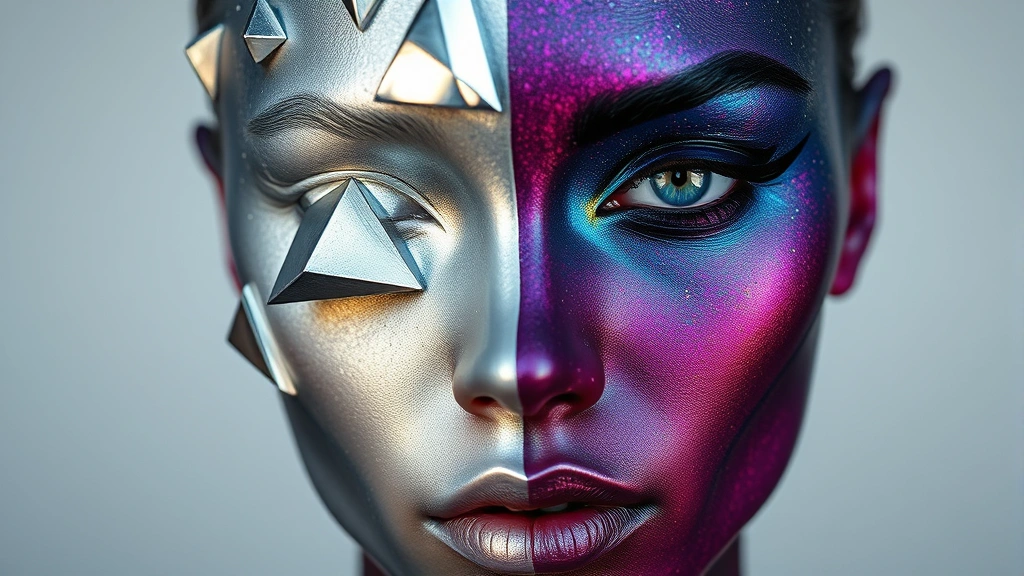
Monochromatic Approaches: Sometimes surrealism works beautifully with single-color saturation taken to extremes. Imagine an entire face rendered in varying shades of silver, from pale highlights to deep metallic shadows, creating an otherworldly, alien appearance.
Neutral Base, Bold Accents: If you’re new to surrealism makeup, start by keeping most of your face relatively neutral while introducing surreal elements in specific areas. This balance makes the bold elements more impactful while maintaining some connection to conventional beauty standards.
When selecting your palette, consider the lighting where your surrealism look will be photographed or viewed. Colors appear dramatically different under natural light, artificial light, and flash photography. Test your combinations in various lighting conditions before committing to your final design.
Technique Breakdown: Creating Surreal Effects
Now that you understand the conceptual and product foundations, let’s explore specific techniques that bring surrealism makeup to life.
Asymmetrical Application: Balance is fundamental to conventional beauty, but surrealism thrives on imbalance. Apply makeup differently on each side of your face. One eye might feature dramatic, exaggerated proportions while the other remains relatively natural. One side of your mouth could be extended beyond natural lip lines while the other stays contained. This asymmetry creates cognitive dissonance—exactly what surrealism aims for.
Impossible Geometry: Use makeup to create shapes and patterns that couldn’t exist in nature. Paint perfect geometric shapes across your face: triangles, circles, and lines that ignore facial contours. Blend these deliberately with natural features, creating a collision between the mathematical and the organic.
Displacement Techniques: Move features away from their natural locations. Paint eyes lower on your cheeks, create lips across your forehead, or extend your eyebrows across unexpected territory. This displacement is quintessentially surrealist and immediately signals that you’re entering a dreamlike realm.
Texture and Dimension: Build texture using cream products, glitter, and special effects materials. Layer matte and glossy finishes to create visual depth. Use highlighter not just on conventional high points but in unexpected locations—the inner corner of your eye, your temple, your jawline—to create unusual light and shadow play.
Blending Versus Sharp Lines: Surrealism makeup often benefits from a mix of both approaches. Blend some areas to create soft, dreamlike transitions while maintaining razor-sharp lines in others. This contrast enhances the surreal quality by combining opposing aesthetics.
Advanced Artistic Elements
Once you’ve mastered basic surrealism techniques, elevate your looks with advanced artistic elements that create truly museum-quality makeup art.
3D Effects and Prosthetics: Surrealism often involves adding dimension that extends beyond the natural face plane. Consider using liquid latex, scar wax, or theatrical prosthetics to create bulges, extensions, or completely new features. A nose that extends impossibly long, cheeks that protrude dramatically, or a third eye created with prosthetics transforms your face into genuine sculpture.
Optical Illusions: Master the art of creating optical illusions through makeup. Use gradient techniques to make flat areas appear dimensional, or use contrasting colors to create motion and movement. The eye naturally follows certain patterns—exploit this by leading viewers’ gaze in unexpected directions across your face.
Storytelling Through Imagery: Incorporate recognizable images or symbols into your surrealism makeup to tell a story. Perhaps your face becomes a landscape, with eyeshadow depicting mountains, a nose representing a river, and lips forming a sunset. This narrative approach adds depth and meaning beyond pure aesthetics.
Mixed Media Integration: Don’t limit yourself to traditional makeup products. Incorporate face paint, body paint, temporary tattoos, gems, foil, and other materials. The key is integration—these elements should feel like part of a cohesive artistic vision rather than random additions.
Understanding high-fashion editorial trends through publications like Vogue exposes you to surrealism makeup at the highest professional levels, where artists push boundaries even further.
Inspiration and Mood Boards
Creating compelling surrealism makeup begins with inspiration gathering. Develop mood boards that combine surrealist artwork, fashion photography, and other visual references that spark your imagination.
Art Historical References: Study actual surrealist artists like Salvador Dalí, René Magritte, and Max Ernst. Their paintings offer endless inspiration for makeup concepts. A melting clock could inspire a makeup design where features appear to drip and distort. Magritte’s floating objects could translate into makeup where elements appear to levitate off your face.
Fashion and Beauty Photography: Follow makeup artists and photographers specializing in avant-garde beauty. Trend forecasting platforms like WGSN showcase cutting-edge surrealism fashion and makeup innovations. Save images that resonate with you, noting specific techniques, color combinations, and conceptual approaches.
Nature and Organic Elements: Paradoxically, surrealism often draws inspiration from nature. How do flowers grow? How do insects appear? How does water flow? Incorporate these organic patterns and forms into your makeup designs to create surreal looks grounded in natural beauty.
Dream Documentation: Keep a dream journal. Upon waking, sketch or write descriptions of your dreams before they fade. These subconscious narratives provide authentic surrealist inspiration directly from your imagination—exactly the source surrealism celebrates.
Collaborative Inspiration: Connect with other makeup artists, photographers, and creative professionals. Collaborative projects often produce more innovative results than solo work. Discuss concepts, share techniques, and push each other creatively.
When gathering inspiration for surrealism fashion makeup, consider how your look will photograph and be perceived by different audiences. What reads as artistic in person might appear confusing in photographs, and vice versa. Test your ideas with both in-person mirror reflection and camera documentation.
FAQ
How long does surrealism makeup typically take to apply?
Surrealism makeup is time-intensive. Simple surrealist looks might require 45 minutes to an hour, while complex designs with special effects, prosthetics, and intricate details can take 2-4 hours or longer. Professional makeup artists often spend even more time perfecting complex surrealist pieces. Plan accordingly and don’t rush the process—surrealism rewards patience and precision.
What’s the best way to remove surrealism makeup?
Because surrealist makeup often involves multiple product types and layers, removal requires care. Start with a gentle makeup remover or oil-based cleanser to dissolve product buildup. Work gently, especially around delicate eye areas and if you’ve used any prosthetics or special effects materials. Follow with a regular facial cleanser and moisturizer. Never scrub aggressively, as this can damage your skin barrier.
Can I wear surrealism makeup for everyday occasions?
Absolutely! While surrealism makeup is often associated with artistic events and editorials, there’s no rule against wearing it daily. Start with subtler surrealist elements if you prefer less dramatic looks. Perhaps incorporate just one surrealist technique—asymmetrical eyeshadow or geometric eyeliner—into otherwise conventional makeup. This allows you to explore the aesthetic while maintaining wearability.
What skin types work best with surrealism makeup?
All skin types can wear surrealism makeup successfully. The key is choosing products formulated for your specific skin type. Oily skin benefits from mattifying primers and powders, while dry skin needs hydrating primers and creamier products. Sensitive skin should prioritize hypoallergenic, dermatologist-tested products. The American Academy of Dermatology offers resources for understanding your skin type and selecting appropriate products.
How do I make surrealism makeup last all day or night?
Longevity requires a strategic product approach. Use a primer suited to your skin type, apply makeup in thin layers (building coverage gradually), set each layer with setting spray or powder, and finish with a professional-grade setting spray formulated for theatrical use. Avoid touching your face throughout the day, and carry touch-up products for any areas that need refreshing.
Are there surrealism makeup styles suitable for beginners?
Yes! Start with geometric designs, asymmetrical eyeshadow, or color blocking—techniques that don’t require advanced blending skills. Practice on yourself repeatedly before attempting surrealism makeup for important occasions. Watch tutorials, study other artists’ work, and be patient with yourself as you develop the skills needed for more complex surrealist designs.
How does surrealism makeup differ from other artistic makeup styles?
Surrealism specifically emphasizes the unconscious mind, illogical juxtapositions, and dreamlike imagery. This distinguishes it from other artistic styles like abstract makeup (which focuses on pure form and color), fantasy makeup (which creates specific characters or creatures), or theatrical makeup (which serves narrative purposes in performance). Surrealism celebrates the impossible and the subconscious, making it uniquely introspective and conceptually driven.

Related Posts
Perfect Old Fashioned Donut: Baker’s Secrets
Old Fashioned Chocolate Pie Recipe? Chef’s Favorite