Cornbread Dressing: A Timeless Recipe Guide
Cornbread Dressing: A Timeless Recipe Guide
Old fashioned cornbread dressing represents the heart of traditional comfort food, bringing generations together around the dinner table. This beloved side dish combines the subtle sweetness of cornbread with savory vegetables, herbs, and broth to create a dish that’s both nostalgic and deeply satisfying. Whether you’re preparing this classic for a holiday gathering or a simple weeknight dinner, mastering the art of cornbread dressing will elevate your cooking repertoire.
The beauty of traditional cornbread dressing lies in its simplicity and versatility. Unlike modern variations that may include trendy ingredients, the old fashioned approach celebrates the fundamental flavors that have made this dish a staple in American kitchens for over a century. Understanding the proper techniques and ingredient ratios will help you create a dressing that’s perfectly moist, flavorful, and texturally balanced every single time you prepare it.
Understanding Traditional Cornbread Dressing
The foundation of any exceptional cornbread dressing begins with understanding what makes this dish truly special. Traditional cornbread dressing is fundamentally different from bread stuffing, with its own distinct character and regional significance. The cornbread base provides a slightly sweeter, more delicate crumb structure compared to wheat bread, which allows it to absorb broths and seasonings more effectively while maintaining its structural integrity during baking.
This classic preparation method has roots in Southern American cuisine, where cornbread holds cultural and culinary significance. The dish emerged from practical kitchen wisdom—using leftover cornbread to create a new, satisfying dish that stretched ingredients and fed families economically. What began as necessity has evolved into a treasured tradition that many families consider non-negotiable at their holiday tables. The culinary heritage of cornbread dressing speaks to how traditional recipes adapt and persist through generations.
Understanding the historical context helps explain why certain flavor combinations work so well together. The addition of sage, celery, and onions isn’t arbitrary—these ingredients were chosen because they complement corn’s subtle sweetness while adding depth and complexity. When you prepare old fashioned cornbread dressing, you’re participating in a cooking tradition that values quality ingredients and proper technique over convenience shortcuts.
Essential Ingredients for Authentic Recipe
Creating authentic old fashioned cornbread dressing requires attention to ingredient quality and proper proportions. Here are the essential components you’ll need:
- Cornbread: Use about 8-10 cups of crumbled cornbread, preferably prepared a day ahead and allowed to dry out slightly. This prevents your dressing from becoming soggy.
- Broth: Chicken or vegetable broth serves as your moisture base. Approximately 3-4 cups ensures proper hydration without creating a mushy texture.
- Onions: Two large onions, finely diced, provide aromatic sweetness and depth.
- Celery: Three to four stalks, diced, add subtle herbal notes and textural contrast.
- Fresh sage: One tablespoon of fresh, chopped sage is essential for authentic flavor. Dried sage can substitute at half the quantity.
- Butter: Four to five tablespoons for sautéing vegetables and enriching the final dish.
- Eggs: Two large eggs act as a binder, helping your dressing hold together during baking.
- Salt and pepper: Season to taste, remembering that broth adds additional sodium.
The quality of your cornbread foundation directly impacts your final dish. Homemade cornbread, made with buttermilk and fresh corn when possible, produces superior results compared to store-bought varieties. The cornbread should have a slightly crumbly texture that breaks apart easily, making it ideal for absorption and even distribution throughout your dressing.
For those exploring how ingredients interact with their preparation environment, understanding environmental factors in cooking can enhance your results. Room temperature and humidity affect how quickly cornbread dries and how ingredients combine.
Step-by-Step Preparation Guide
Proper preparation is crucial for achieving the ideal texture and flavor in your cornbread dressing. Follow these detailed steps for consistent, delicious results:
Day One: Prepare Your Cornbread
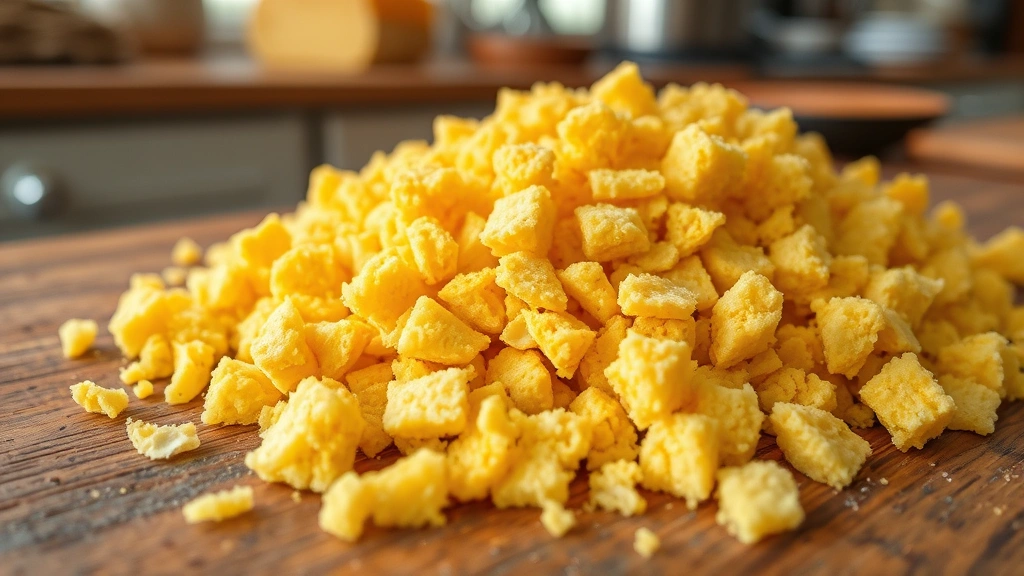
Begin by preparing fresh cornbread using your favorite recipe. Traditional recipes call for cornmeal, flour, buttermilk, eggs, and butter. Bake according to your recipe instructions until golden brown. Once cooled, crumble the cornbread into bite-sized pieces and spread them on a baking sheet. Leave uncovered at room temperature overnight, or for at least 8 hours. This drying process is essential—it prevents your finished dressing from becoming dense and soggy.
Day Two: Sauté Your Aromatics
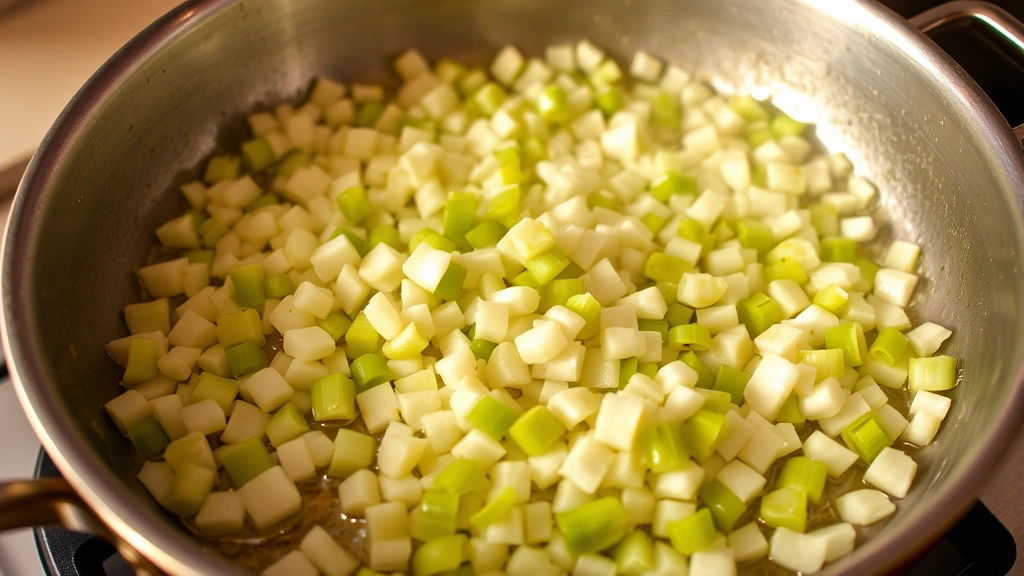
Heat four tablespoons of butter in a large skillet over medium heat. Add your diced onions and celery. Sauté for 8-10 minutes, stirring occasionally, until vegetables are softened and fragrant. This process, called sweating, releases the vegetables’ natural sugars and creates a flavorful base. The butter infuses the vegetables with richness that will distribute throughout your entire dressing.
Combine Cornbread and Vegetables
Transfer your sautéed vegetables to a large mixing bowl. Add the dried cornbread crumbles and fresh sage. Toss gently to combine, being careful not to crush the cornbread pieces excessively. The goal is to maintain some texture variation in your final dish.
Add Binding Elements
In a separate small bowl, whisk together two eggs and gradually add 3-4 cups of warm broth. This mixture serves as your binding agent and moisture provider. Pour the broth mixture over the cornbread mixture gradually, stirring gently after each addition. You want the dressing to be moist but not waterlogged—it should hold together when squeezed but not be soupy.
Baking Techniques for Perfect Results
The baking stage is where your carefully prepared cornbread dressing transforms into the final dish. Proper oven technique ensures even cooking and ideal texture development.
Preparation for Baking
Transfer your mixed dressing to a buttered 9×13 inch baking dish, pressing gently to create an even layer. Don’t compress too firmly—you want to maintain some airiness in the final product. Cover the dish tightly with aluminum foil, which prevents the top from browning too quickly while the interior cooks through.
Baking Instructions
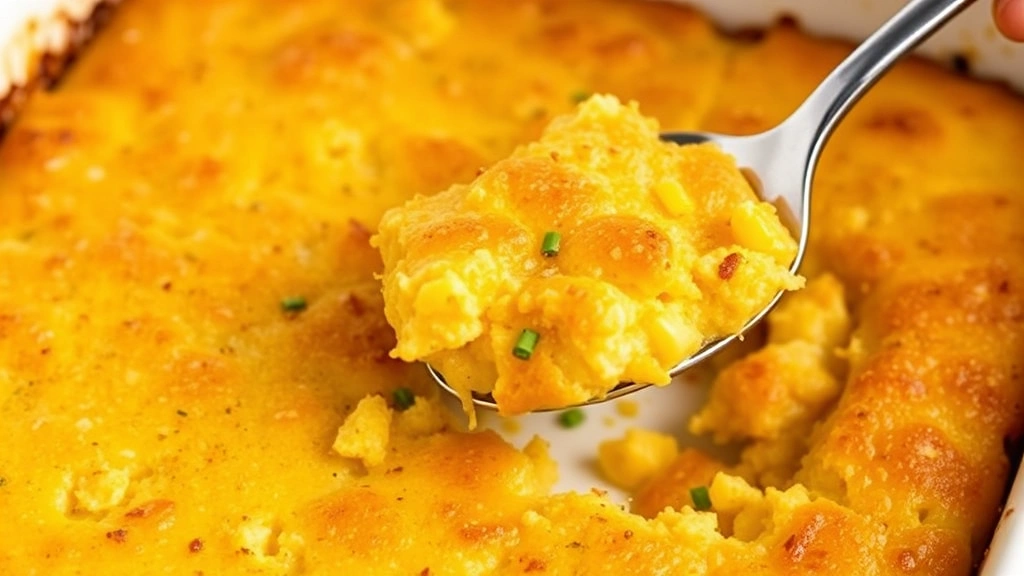
Preheat your oven to 350°F and bake your covered dressing for 30 minutes. After 30 minutes, carefully remove the foil and return the dish to the oven for an additional 20-25 minutes. This two-stage process allows the interior to cook through while the top develops a light golden crust. The top should be lightly browned and slightly crispy, while the interior remains moist and tender.
Testing for Doneness
Your cornbread dressing is ready when a knife inserted into the center comes out clean or with just a few moist crumbs. The internal temperature should reach 165°F when measured with a meat thermometer. Avoid overbaking, which will result in a dry, crumbly texture.
Understanding how heat circulates and affects food preparation relates to broader concepts of human environment interaction in kitchen design and cooking methods. Modern ovens with even heat distribution produce more consistent results than older models.
Tips for Moisture and Flavor Balance
Achieving the perfect moisture level is one of the most challenging aspects of cornbread dressing preparation. Too dry and it becomes unappetizing; too wet and it loses its structure and appeal.
Adjusting Moisture Content
The amount of broth you use depends on several factors: how dry your cornbread is, the humidity level in your kitchen, and your personal preference. Start with 3 cups of broth and add more gradually if needed. Remember that the dressing will absorb additional moisture as it sits, so it’s better to start slightly on the drier side and add more if necessary after mixing.
Enhancing Flavor Depth
Beyond the basic ingredients, consider these flavor-boosting additions: a pinch of poultry seasoning, fresh thyme, or a small amount of finely minced garlic. Some cooks add diced sausage or bacon for additional richness. These additions should complement rather than overpower the traditional sage-forward flavor profile.
Seasoning Strategy
Always taste your mixture before baking and adjust seasonings accordingly. Remember that flavors intensify during baking, so slightly under-season initially. The salt in your broth should provide the base seasoning, with additional salt added only as needed. Fresh cracked black pepper adds subtle complexity without overwhelming the dish.
For those interested in how environmental factors affect ingredient availability and seasonal cooking, environmental awareness in food sourcing ensures you’re using the freshest possible ingredients, particularly fresh herbs like sage and thyme.
Storage and Make-Ahead Instructions
One advantage of cornbread dressing is its make-ahead friendly nature, perfect for busy holiday schedules.
Preparing Ahead
You can assemble your cornbread dressing completely through the mixing stage up to 24 hours before baking. Cover the prepared mixture tightly with plastic wrap and refrigerate. When ready to bake, remove from the refrigerator 30 minutes before baking to allow it to come to room temperature slightly, then bake as directed. Cold dressing may require an additional 5-10 minutes of baking time.
Storing Leftovers
Leftover cornbread dressing keeps well in an airtight container in the refrigerator for up to 4 days. Reheat gently in a 325°F oven, covered with foil, for 15-20 minutes until warmed through. You can also freeze cornbread dressing for up to 3 months. Wrap it tightly in plastic wrap, then aluminum foil, and thaw overnight in the refrigerator before reheating.
Freezing Tips
For best results, freeze dressing after it’s been cooked rather than before. Baked and cooled dressing freezes more successfully and maintains better texture than unbaked mixture. Label your container with the date and contents for easy identification.
Regional Variations Worth Trying
While old fashioned cornbread dressing follows a classic formula, different regions have developed their own distinctive variations that are equally delicious.
Southern Style Dressing
Southern versions often include chicken broth as the primary liquid and emphasize sage and poultry seasoning. Some recipes add finely diced celery heart for additional sweetness. The texture tends toward moist and cake-like rather than crispy.
Texas Jalapeño Variation
Texas cooks sometimes add diced jalapeños and sharp cheddar cheese to their cornbread dressing, creating a spicier, more robust version. This variation works particularly well with smoked turkey or other game birds.
Creole-Influenced Version
Louisiana cooks add the holy trinity of onions, celery, and bell peppers, along with andouille sausage and cayenne pepper. This version celebrates bolder flavors while maintaining the cornbread foundation.
Exploring these variations connects to understanding how humans affect the environment through food traditions—regional ingredients reflect local agriculture and cultural heritage. Each variation uses locally available ingredients that shaped culinary traditions.
For deeper understanding of recipe development and food science principles, Serious Eats offers excellent resources on cooking techniques. Additionally, Bon Appétit Magazine frequently features traditional recipe explorations and variations.
Frequently Asked Questions
Can I use store-bought cornbread for my dressing?
Yes, you can use store-bought cornbread, though homemade typically produces better results due to fresher ingredients and customizable sweetness levels. If using store-bought cornbread, ensure it’s completely cooled and dried before crumbling and using in your dressing.
What’s the difference between dressing and stuffing?
Technically, dressing is cooked separately in a baking dish, while stuffing is cooked inside the bird. Cornbread dressing specifically refers to dressing made with cornbread rather than wheat bread, and is often associated with Southern cooking traditions.
How can I make cornbread dressing vegetarian?
Simply use vegetable broth instead of chicken broth and omit any meat ingredients. The sage, celery, and onions provide plenty of flavor. Consider adding mushrooms for umami depth and additional texture.
Why is my cornbread dressing dry?
Dryness usually results from insufficient broth, cornbread that was over-dried, or excessive baking time. Try increasing broth gradually and monitoring baking time carefully. Covering with foil for the entire baking period can also help retain moisture.
Can I prepare cornbread dressing in a slow cooker?
Yes, you can prepare cornbread dressing in a slow cooker. Assemble your mixture as directed, transfer to a greased slow cooker, cover, and cook on low for 4-5 hours or on high for 2-3 hours. This method is particularly convenient for holiday entertaining.
What herbs pair well with cornbread dressing?
Beyond sage, thyme, poultry seasoning, and marjoram complement cornbread dressing beautifully. Avoid overly strong herbs like rosemary, which can overpower the delicate corn flavor. Fresh herbs generally provide superior results compared to dried varieties.
How much cornbread dressing should I prepare?
Plan for approximately 1 cup of dressing per person. A standard 9×13 inch baking dish serves 8-10 people comfortably, making it ideal for most family gatherings.

Related Posts

Perfect Old Fashioned Donut: Baker’s Secrets
Old Fashioned Chocolate Pie Recipe? Chef’s Favorite