Men’s Fashion 2025: Expert Style Predictions
Men’s Fashion 2025: Expert Style Predictions
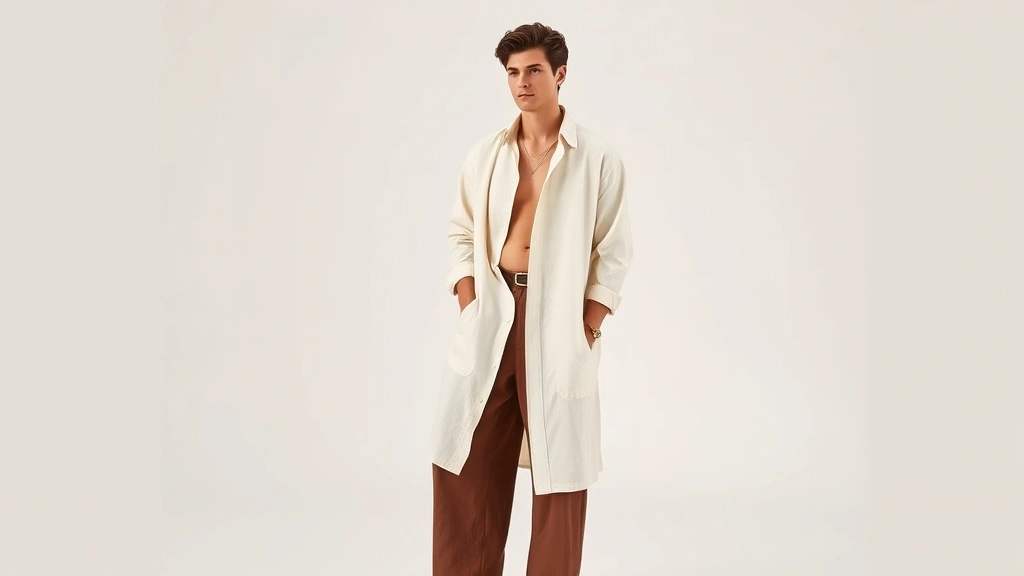
The landscape of men’s fashion is undergoing a dramatic transformation as we move deeper into 2025. From sustainable fabric innovations to bold color palettes and reimagined silhouettes, this year represents a pivotal moment where style meets substance. Whether you’re a fashion enthusiast looking to refresh your wardrobe or simply curious about emerging trends, understanding these predictions will help you navigate the evolving world of men’s style with confidence and purpose.
What makes 2025 particularly exciting is the convergence of three powerful forces: environmental consciousness, technological advancement, and a cultural shift toward authentic self-expression. Men are no longer confined to rigid fashion rules; instead, they’re embracing experimentation while maintaining sophistication. This guide explores the most significant trends shaping men’s fashion this year, backed by insights from industry experts and fashion forecasters.
Sustainable Fabrics Take Center Stage
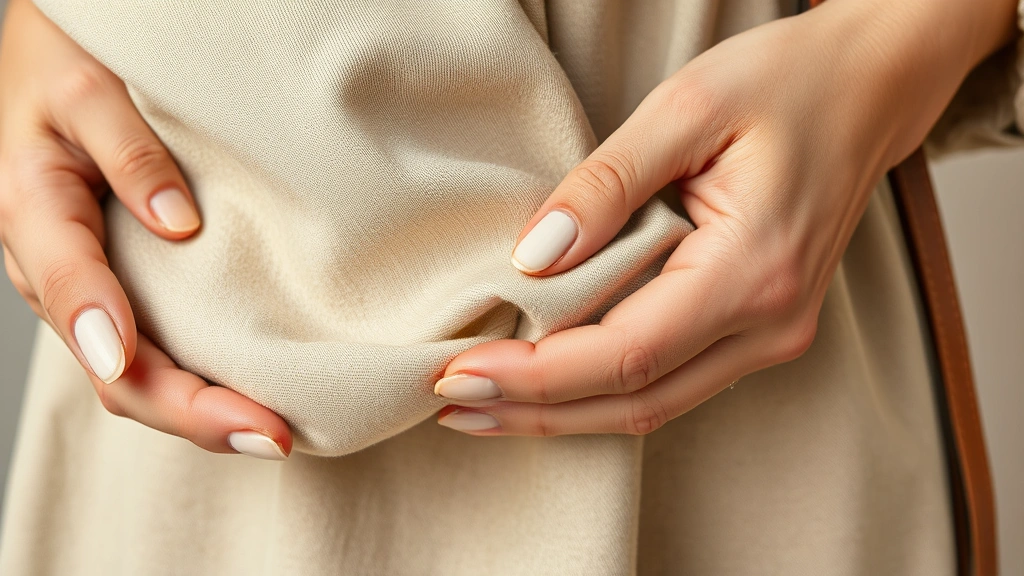
One of the most transformative shifts in men’s fashion 2025 is the mainstream adoption of sustainable and eco-friendly materials. Designers and major brands are moving away from traditional cotton and synthetic blends toward innovative alternatives that reduce environmental impact. Lab-grown leather, mushroom-based materials, and recycled ocean plastics are no longer niche offerings—they’re becoming the standard in luxury and contemporary menswear.
The connection between sustainable fashion brands and environmental responsibility has never been stronger. Men are increasingly conscious of their purchasing decisions, recognizing that style doesn’t have to come at the expense of the planet. Brands like Patagonia, Allbirds, and emerging designers are leading this charge with collections that prioritize both aesthetics and ethics.
What’s particularly noteworthy is that sustainable fabrics are no longer compromising on quality or durability. Advanced manufacturing techniques have made eco-friendly materials perform just as well—if not better—than conventional options. Organic linen, Tencel, and innovative lab-created alternatives offer superior breathability, longevity, and comfort while reducing the carbon footprint associated with traditional garment production.
This shift also ties directly into broader conversations about how human choices affect environmental systems. By choosing sustainable menswear, consumers are actively participating in reducing textile waste and pollution, supporting the movement toward circular fashion economies.
Bold Colors and Unexpected Patterns
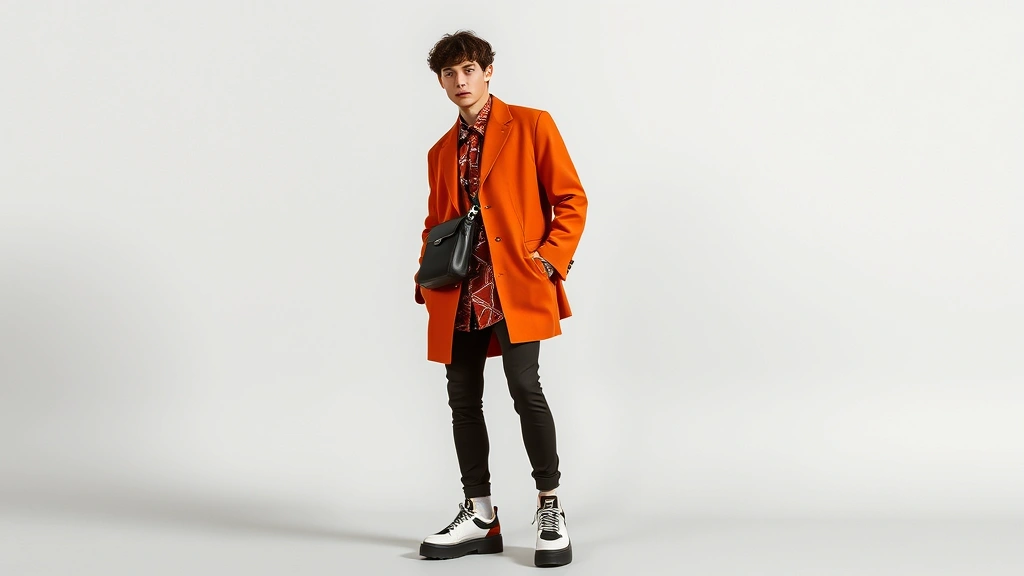
Gone are the days when men’s fashion was limited to neutral palettes of black, gray, navy, and white. 2025 sees an explosion of bold, saturated colors that challenge traditional masculinity norms. Vibrant terracottas, electric blues, rich chocolate browns, and even unexpected pastels are dominating runways and retail spaces worldwide.
Fashion forecasters from Vogue and leading fashion publications are predicting that color confidence will be a defining characteristic of men’s style this year. The psychology behind this shift is fascinating: as men feel more liberated to express themselves through fashion, color becomes a tool for personality projection rather than conformity.
Patterns are equally adventurous in 2025. Floral prints, geometric designs, and even maximalist clashing are gaining acceptance in mainstream menswear. Vintage-inspired prints meet contemporary design sensibilities, creating pieces that feel both nostalgic and forward-thinking. The key to pulling off bold patterns is confidence and intentional styling—pairing a statement piece with neutral accessories ensures the look feels curated rather than chaotic.
Texture also plays a crucial role in this color revolution. Corduroy, velvet, and richly textured fabrics in bold hues add dimension and sophistication to the color-forward trend, preventing outfits from feeling one-dimensional or overly casual.
Oversized Silhouettes and Comfort-First Design
The fitted aesthetic that dominated men’s fashion for over a decade is giving way to relaxed, oversized silhouettes that prioritize comfort without sacrificing style. This represents a fundamental shift in how men approach tailoring and proportion. Oversized blazers, wide-leg trousers, and roomy shirts are becoming wardrobe essentials rather than occasional statement pieces.
This trend reflects broader cultural attitudes about wellness and self-care. Men are increasingly rejecting the discomfort associated with restrictive clothing, recognizing that true style should feel good to wear. The comfort-first philosophy doesn’t mean abandoning structure or sophistication; rather, it means reimagining how garments can be cut to flatter the body while allowing freedom of movement.
Layering becomes essential when working with oversized pieces. A loose linen shirt over a fitted tank creates visual interest and proportion, while an oversized sweater paired with tailored trousers balances volume strategically. The art lies in mixing proportions intentionally rather than defaulting to all-oversized or all-fitted pieces.
Brands are investing heavily in contemporary menswear design that combines luxury fabrics with relaxed cuts. The result is sophisticated casualness—pieces that work equally well at a creative workplace, social gathering, or weekend adventure.
Tech-Integrated Fashion and Smart Textiles
As technology continues to permeate every aspect of our lives, fashion is embracing innovation in unprecedented ways. Smart textiles that regulate temperature, monitor health metrics, and adapt to environmental conditions are moving from concept to commercial reality in 2025. These aren’t gimmicks; they’re functional enhancements that genuinely improve the wearing experience.
Temperature-regulating fabrics that use phase-change materials keep wearers comfortable across varying conditions. Moisture-wicking innovations go beyond basic athletic wear, appearing in everyday casual clothing and even formal pieces. Some brands are experimenting with fabrics embedded with subtle technology that adjusts opacity or color based on temperature or light exposure.
Wearable technology integration is also evolving. Rather than clunky smartwatch bands or visible tech accessories, designers are creating seamless integration where devices become part of the garment itself. Hidden pockets designed specifically for modern tech, built-in cable management, and discrete charging capabilities are becoming standard features in premium menswear.
This technological evolution connects to the broader conversation about how humans interact with their environment through technology. Smart textiles that optimize energy efficiency and reduce waste represent a significant step toward sustainable fashion innovation.
The Rise of Gender-Neutral Fashion
Perhaps the most culturally significant trend in men’s fashion 2025 is the continued dissolution of gender boundaries in clothing. Gender-neutral fashion isn’t a passing fad; it represents a fundamental reimagining of how clothing is designed, marketed, and consumed. Brands are increasingly creating collections that anyone can wear, regardless of gender identity.
This shift challenges the traditional menswear industry to reconsider sizing standards, design aesthetics, and marketing approaches. Skirts, dresses, and traditionally feminine silhouettes are appearing in men’s collections from major designers. Simultaneously, traditionally masculine elements like structured tailoring and bold proportions are being incorporated into clothing marketed toward all genders.
The beauty of gender-neutral fashion is that it prioritizes personal expression over conformity. Men who want to experiment with traditionally feminine elements—whether that’s a flowing fabric, a particular color, or a specific silhouette—can do so without feeling like they’re stepping outside their lane. This freedom creates more authentic personal style.
Leading fashion institutions and major fashion media outlets are increasingly covering gender-neutral collections and celebrating designers who blur these boundaries. The conversation has shifted from “can men wear this?” to “does this piece work for my personal aesthetic?”
Vintage and Archive Pieces Make a Comeback
Sustainability concerns and nostalgia are driving a renaissance in vintage fashion. Men are increasingly seeking one-of-a-kind pieces from past decades, recognizing that vintage clothing offers both environmental benefits and unique style credentials. A well-chosen vintage piece tells a story and immediately elevates an outfit with authenticity.
The vintage trend extends beyond secondhand shopping into designer archive collections. Luxury brands are reissuing classic pieces from their historical collections, allowing new generations to access iconic designs. This bridge between past and present creates a dialogue between fashion history and contemporary style sensibilities.
Styling vintage pieces in 2025 requires intentionality. The goal isn’t to look like you stepped out of a specific era, but rather to integrate vintage elements into a modern aesthetic. A 1990s oversized flannel shirt paired with contemporary tailored trousers and modern footwear creates an interesting temporal mashup that feels current rather than costume-like.
Thrifting and vintage shopping also connect to the broader environmental and natural resources discussion about sustainable consumption and reducing textile waste. Every vintage piece purchased is one fewer new garment that requires manufacturing resources.
Footwear Evolution and Statement Shoes
Shoes have become the primary vehicle for self-expression in men’s fashion 2025. Rather than playing a supporting role, footwear is stepping into the spotlight as a bold statement piece. Chunky sneakers, exaggerated proportions, and unexpected color combinations are defining men’s shoe choices this year.
The sneaker continues its evolution, with brands experimenting with unconventional materials, heights, and silhouettes. Platform soles, oversized proportions, and technical innovations are creating shoes that blur the line between athletic wear and fashion statement. Luxury brands are collaborating with sneaker companies, elevating casual footwear to high-fashion status.
Beyond sneakers, dress shoes are experiencing their own revolution. Loafers with exaggerated shapes, boots with unexpected details, and sandals designed for serious styling are challenging traditional formal footwear conventions. The key is choosing shoes that genuinely reflect personal style rather than defaulting to safe, conventional options.
Footwear sustainability is also a major focus, with brands developing innovative materials and manufacturing processes that reduce environmental impact. From recycled rubber soles to lab-grown leather uppers, the shoe industry is embracing sustainable innovation at scale.
Accessories as the Main Event
In 2025, accessories have transcended their traditional supporting role to become primary style elements. Bags, belts, hats, and jewelry are no longer afterthoughts but rather intentional, statement-making pieces that define an outfit’s personality. This shift reflects a more sophisticated understanding of how individual elements combine to create a cohesive aesthetic.
Bags, particularly, are experiencing a renaissance. Structured leather bags, crossbody styles, and even previously female-coded silhouettes are becoming mainstream in men’s fashion. Designers are creating bags that balance functionality with aesthetic appeal, recognizing that modern men want accessories that work for their lifestyle while expressing personal style.
Jewelry has shed its minimalist constraints. Chains, rings, bracelets, and even earrings are becoming standard components of men’s styling. The approach is less about quantity and more about intentional curation—choosing pieces that feel authentic and contribute to an overall aesthetic vision.
Hats are also making a significant comeback. From classic baseball caps redesigned with contemporary aesthetics to beanies, bucket hats, and even fedoras styled in modern ways, headwear adds both practical and stylistic value. A well-chosen hat can completely transform an outfit and signal fashion awareness.
Visit our fashion and style blog for more trend analysis and styling guides that align with contemporary values and environmental consciousness.
FAQ
What are the most important men’s fashion trends for 2025?
The most significant trends include sustainable fabrics becoming mainstream, bold colors and patterns, oversized silhouettes, tech-integrated textiles, gender-neutral fashion, vintage pieces, statement footwear, and accessories as primary style elements. These trends reflect both cultural shifts toward authenticity and practical concerns about environmental sustainability.
How can I incorporate 2025 trends into my existing wardrobe?
Start by introducing one or two trends gradually. Add a bold-colored oversized shirt, invest in sustainable basics, or choose a statement shoe. Pair trendy pieces with existing neutral items to create balanced outfits. The key is evolution rather than revolution—building a cohesive personal style that incorporates new trends authentically.
Are oversized clothes flattering on all body types?
Absolutely. The key is strategic proportion mixing. If you wear an oversized top, pair it with fitted bottoms. An oversized blazer works with tailored trousers. The goal is creating visual balance rather than drowning in fabric. Tailoring can also adjust oversized pieces to fit your specific proportions perfectly.
Where can I find sustainable men’s fashion brands?
Major retailers now carry sustainable options, and dedicated brands like Patagonia, Allbirds, and Everlane offer comprehensive collections. Research brands that align with your values, read about their environmental practices and scientific approaches to sustainability, and invest in quality pieces designed to last.
How do I style vintage pieces without looking costume-like?
Mix vintage with contemporary pieces intentionally. Pair a vintage band tee with modern tailored trousers and current sneakers. Style a vintage leather jacket with contemporary basics. The goal is creating dialogue between eras rather than recreating a specific time period. Let the vintage piece be the focal point while everything else feels current.
Can men wear traditionally feminine fashion elements in 2025?
Absolutely. 2025 celebrates gender-neutral fashion and personal expression. If a particular silhouette, color, or piece resonates with your aesthetic, wear it confidently. Fashion is becoming increasingly inclusive, and the industry supports self-expression regardless of traditional gender associations.

Related Posts

Perfect Old Fashioned Donut: Baker’s Secrets
Old Fashioned Chocolate Pie Recipe? Chef’s Favorite