Manhattan or Old Fashioned? Bartenders Weigh In
Manhattan or Old Fashioned? Bartenders Weigh In on Classic Cocktails
When it comes to iconic cocktails, few debates are as spirited as the one between Manhattan and Old Fashioned enthusiasts. Both drinks have earned their place in cocktail history, gracing the glasses of everyone from Don Draper to modern mixologists. But which one deserves a spot in your regular rotation? We spoke with professional bartenders across the country to understand what makes each drink special, how they differ, and which might be perfect for your palate.
Whether you’re a seasoned cocktail connoisseur or someone just beginning to explore classic drinks, understanding the nuances between these two beloved options can elevate your appreciation for craft bartending. The Manhattan and Old Fashioned represent two different philosophies of cocktail making, each with devoted followers and compelling reasons for their popularity.
The Manhattan: History and Composition
The Manhattan holds a special place in cocktail culture, with origins tracing back to the late 1870s at the Manhattan Club in New York City. This sophisticated drink has become synonymous with urban elegance and refined taste. According to Smithsonian Magazine’s cocktail history archives, the Manhattan was created during a time when whiskey-based cocktails dominated American bars.
A traditional Manhattan consists of whiskey (typically rye or bourbon), sweet vermouth, and aromatic bitters, garnished with a cherry. The recipe is deceptively simple, yet the proportions matter tremendously. Most bartenders follow a ratio of 2 parts whiskey to 1 part sweet vermouth, with a dash of bitters. This balance creates a drink that’s both spirit-forward and smooth, with the vermouth adding depth and complexity.
The choice of whiskey significantly impacts the Manhattan’s character. Rye whiskey, with its spicy notes, creates a more assertive drink, while bourbon’s sweeter profile produces a rounder, more approachable version. Professional bartenders often experiment with both to understand how they influence the final product. The sweet vermouth acts as both a sweetener and a flavor modifier, introducing notes of caramel, vanilla, and herbal complexity that wouldn’t exist with whiskey alone.
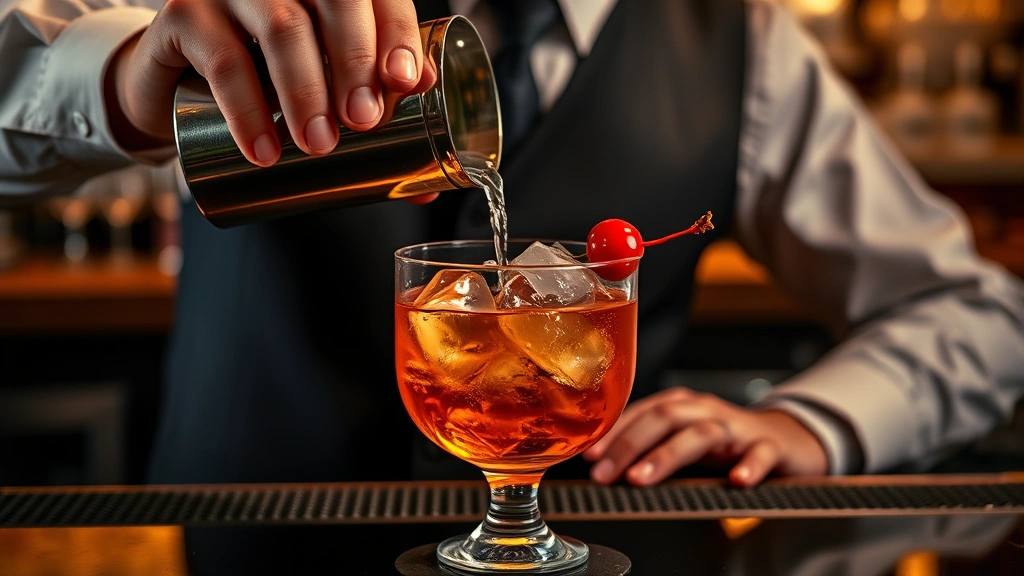
Temperature and dilution are critical elements that bartenders emphasize. A properly made Manhattan should be stirred with ice for about 30 seconds, allowing the ingredients to meld while the ice slightly dilutes the mixture. This creates a silky texture and ensures the flavors integrate seamlessly. Shaking, while sometimes done, is considered less authentic by purists who argue it aerates the drink unnecessarily.
The Old Fashioned: A Timeless Classic
The Old Fashioned represents cocktail making at its most fundamental. Dating back to the 1880s, this drink emerged from bartenders who wanted to craft cocktails using time-honored techniques rather than newfangled methods. It’s a drink that celebrates the whiskey itself, allowing the spirit to take center stage rather than playing a supporting role.
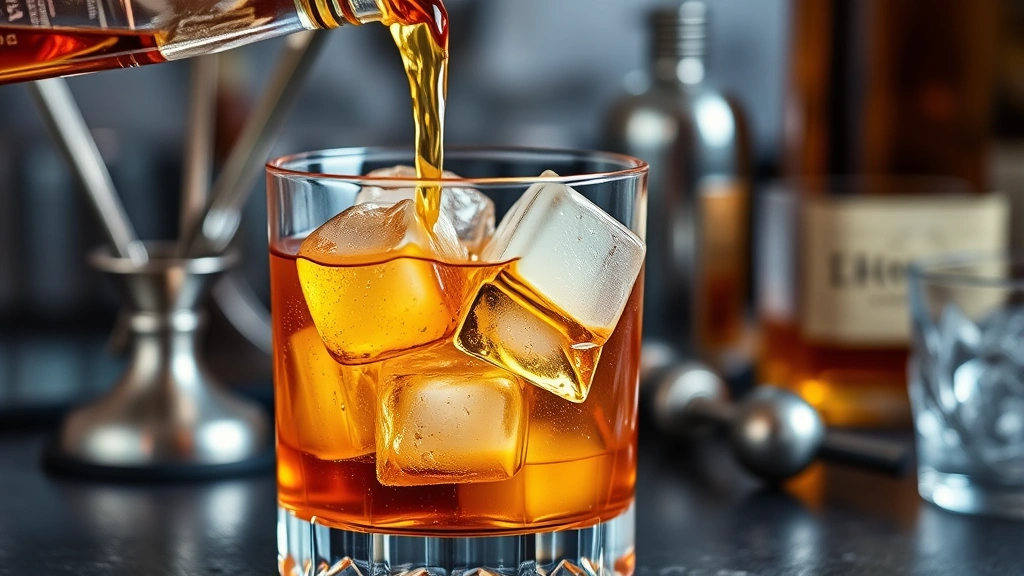
An Old Fashioned combines whiskey with sugar, bitters, and a splash of water, traditionally served over a large ice cube and garnished with a citrus twist. The preparation method is almost ritualistic—a bartender dissolves sugar with bitters and water, then adds whiskey and stirs gently before pouring over ice. This slow, intentional process reflects the drink’s philosophy: quality over complexity.
The beauty of the Old Fashioned lies in its restraint. Unlike drinks that layer multiple ingredients, an Old Fashioned lets the whiskey’s inherent character shine through. The sugar provides just enough sweetness to balance the spirit’s heat, while the bitters add subtle spice and depth. The large ice cube, which melts slowly, allows drinkers to adjust the drink’s strength and temperature as they sip.
Bartenders often note that the Old Fashioned reveals more about their craft than any other drink. There’s nowhere to hide—no vermouth to mask imperfections, no complex layering of flavors. The bartender’s choice of whiskey, the quality of their bitters, and their technique in dissolving the sugar all become immediately apparent to the drinker.
Key Differences in Ingredients
While both drinks feature whiskey as their base, the ingredient lists diverge significantly. The Manhattan includes sweet vermouth, which is fortified wine infused with botanicals, creating an entirely different flavor foundation. This addition makes the Manhattan a true cocktail in the classical sense—a combination of spirits, sweetener, and bitters.
The Old Fashioned, conversely, uses simple syrup or sugar as its sole sweetening agent. This fundamental difference shapes everything about how each drink tastes and feels. The vermouth in a Manhattan contributes herbal notes, slight oxidative qualities from fortification, and a silky mouthfeel that sugar alone cannot provide.
Bitters play different roles in each drink. In a Manhattan, bitters are a background element, adding complexity without dominating. In an Old Fashioned, they’re more prominent, contributing spice and botanical character that becomes more noticeable with each sip. Some bartenders experiment with specialty bitters—orange, chocolate, or aromatic varieties—to customize their Old Fashioneds, while Manhattan drinkers typically stick with traditional Angostura bitters.
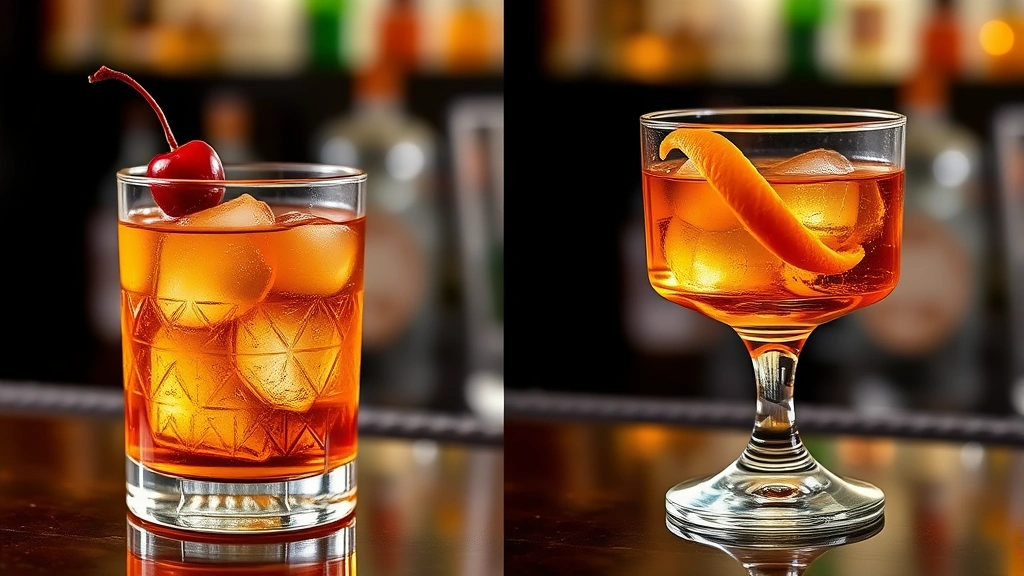
The garnish also differs meaningfully. A Manhattan traditionally features a cherry, which adds a sweet, fruity note that complements the vermouth. An Old Fashioned garnish—usually an orange or lemon twist—provides citrus oils and a bright aroma that contrasts with the drink’s spirit-forward nature. These aren’t mere decorative choices; they’re integral to the sensory experience.
Flavor Profiles Compared
Tasting a Manhattan reveals layers of flavor that unfold across the palate. The initial impression is sweet and smooth, with whiskey warmth underlying the vermouth’s herbal notes. As the drink develops, you notice caramel, vanilla, and subtle spice. The cherry garnish provides a finishing sweetness that lingers pleasantly. This complexity makes the Manhattan an excellent aperitif or digestif, engaging the palate without overwhelming it.
The Old Fashioned presents a more direct flavor journey. The first sip delivers bold whiskey character, followed by subtle sweetness and spice from the sugar and bitters. As the ice melts, the drink evolves, becoming slightly sweeter and more mellow. This progression is part of the Old Fashioned’s appeal—it’s a drink you experience over time, watching it transform as you sip.
Bartenders often describe the Manhattan as more approachable for those new to whiskey cocktails, thanks to the vermouth’s smoothing effect. The Old Fashioned, they note, requires an appreciation for whiskey’s raw character. However, this doesn’t make it superior—it simply appeals to different preferences and occasions.
The mouthfeel differs distinctly between these drinks. A Manhattan feels silky and integrated, with all elements working in harmony. An Old Fashioned feels more textured, with distinct notes of spirit, sweetness, and spice that remain somewhat separate on the palate. This textural difference influences which drink feels right for different moods and settings.
Bartender Preferences and Techniques
Professional bartenders often have strong opinions about these drinks, shaped by their training, regional influences, and personal taste. We consulted several master mixologists who shared their perspectives on what makes each drink special and how they approach making them.
One consistent theme among expert bartenders is the importance of technique. A Manhattan must be stirred properly—not too briefly, not too long. The goal is achieving the right balance of dilution and temperature without over-aerating the drink. Most professionals stir for 25-35 seconds, watching the glass frost slightly as an indicator of proper chilling.
For Old Fashioneds, bartenders emphasize the sugar dissolution step. Some use simple syrup for speed and consistency, while purists insist on muddling sugar with bitters and water to release the sugar’s full sweetness. This debate reflects the broader philosophy of Old Fashioned preparation—whether efficiency or tradition should guide the process.
The choice of whiskey reveals bartender expertise. High-end establishments often feature whiskey selections specifically curated for cocktails. Bartenders might recommend rye for those seeking spice and structure, bourbon for those preferring sweetness and smoothness, or even single malt Scotch for adventurous drinkers. Understanding how different whiskeys perform in each drink separates experienced bartenders from novices.
Temperature control matters more than many casual drinkers realize. Bartenders emphasize using properly chilled glasses and fresh ice, as these elements affect how the drink develops. A warm glass can throw off the entire balance, while old, cloudy ice can impart unwanted flavors.
Which Should You Choose?
Deciding between a Manhattan and Old Fashioned ultimately depends on your personal preferences and the occasion. If you’re seeking a drink that’s smooth, slightly sweet, and complex, the Manhattan delivers. Its vermouth base makes it forgiving and approachable while still offering depth for those who seek it. The Manhattan pairs beautifully with pre-dinner occasions, casual evening drinks, or moments when you want something refined without being austere.
If you prefer spirit-forward drinks that celebrate whiskey’s character, the Old Fashioned is your choice. It’s ideal for those who appreciate whiskey neat or on the rocks and want to explore how subtle additions of sugar and bitters can enhance rather than mask the base spirit. The Old Fashioned works wonderfully as a contemplative drink, something to sip slowly while enjoying conversation or a good book.
Consider also the season and setting. Manhattans, with their smooth sweetness, suit autumn and winter evenings perfectly. Old Fashioneds, with their bold character, work year-round but feel particularly appropriate during cooler months when you want something warming and substantial.
Your whiskey preference also guides the choice. If you’ve found a bourbon you love, an Old Fashioned lets that whiskey shine. If you’re still exploring whiskey options, a Manhattan’s vermouth can help you appreciate whiskey’s nuances without overwhelming your palate.
Don’t feel pressured to choose one permanently. Skilled drinkers appreciate both, understanding that each has moments when it’s the perfect choice. Visit a quality bar with knowledgeable bartenders—they can help you explore both drinks and discover which resonates with your taste.
Making Them at Home
Creating excellent Manhattans and Old Fashioneds at home requires attention to detail but doesn’t demand professional equipment. A mixing glass, bar spoon, strainer, and jigger are your essential tools. Quality ingredients matter more than fancy equipment.
For Manhattans, invest in good rye or bourbon and a quality sweet vermouth. The vermouth matters tremendously—cheaper versions taste thin and artificial. Angostura bitters are essential; they’re inexpensive and work beautifully in this drink. Chill your glass before mixing, stir your ingredients for about 30 seconds, and strain into the glass. Garnish with a cherry, preferably a proper cocktail cherry rather than the bright red maraschino versions.
For Old Fashioneds, start with whiskey you genuinely enjoy drinking straight. Use simple syrup if you prefer convenience, or make your own by combining equal parts sugar and hot water. A few dashes of quality bitters make all the difference. If possible, use a large ice cube or several large cubes rather than crushed ice—they melt more slowly and keep your drink cold without over-diluting it.
Practice your technique by making several drinks in succession. You’ll develop a feel for proper stirring duration and temperature. Watch how the drinks evolve as the ice melts, and note how the flavors change. This hands-on experience teaches more than reading about cocktails ever could.
FAQ
Is a Manhattan or Old Fashioned better for beginners?
The Manhattan is generally more approachable for whiskey cocktail beginners because the vermouth smooths the drink’s edges and adds sweetness. However, if you enjoy whiskey neat or on the rocks, an Old Fashioned might appeal to you more immediately.
Can I make these drinks with other spirits?
While classic recipes use whiskey, bartenders occasionally experiment with other spirits. Brandy or rum Manhattans exist, though they’re non-traditional. Substituting whiskey in an Old Fashioned fundamentally changes the drink’s character, so tradition-minded drinkers prefer sticking with whiskey.
What’s the proper way to serve these drinks?
Both drinks should be served in a coupe or rocks glass. Manhattans are traditionally served straight up (without ice) in a coupe, while Old Fashioneds are served in a rocks glass over ice. Temperature and glassware affect the drinking experience significantly.
How do I choose between rye and bourbon for these drinks?
Rye whiskey produces drier, spicier cocktails with more pronounced botanical notes. Bourbon creates rounder, sweeter drinks. Try both in each cocktail to discover your preference—there’s no objectively correct choice.
Why do bartenders stir rather than shake these drinks?
Stirring properly chills and dilutes the drink without introducing excess air bubbles. Shaking aerates the mixture, creating a cloudy appearance and slightly different mouthfeel. For these drinks, bartenders prefer stirring’s cleaner result.
What’s the difference between sweet vermouth brands?
Different vermouth brands vary significantly in flavor profile. Italian vermouths tend toward caramel and vanilla notes, while French versions offer more herbal character. Experiment with different brands to find your preferred Manhattan style.

Related Posts
Perfect Old Fashioned Donut: Baker’s Secrets
Old Fashioned Chocolate Pie Recipe? Chef’s Favorite