King Birch Fashion: Is It Worth the Hype?
King Birch Fashion: Is It Worth the Hype?
King Birch Fashion has emerged as one of the most talked-about brands in the contemporary fashion landscape, capturing the attention of style enthusiasts and eco-conscious consumers alike. With its distinctive aesthetic, commitment to quality materials, and growing presence in luxury fashion circles, the brand has built a reputation that extends far beyond typical retail buzz. But does the reality live up to the marketing narrative, and is investing in King Birch pieces truly justified?
In this comprehensive guide, we’ll explore every facet of King Birch Fashion—from its design philosophy and product quality to pricing structure and environmental impact. Whether you’re a seasoned fashion collector or someone considering your first King Birch purchase, understanding the brand’s strengths and limitations will help you make an informed decision about whether this fashion line deserves a place in your wardrobe.
The King Birch Fashion Brand Story
King Birch Fashion emerged from a desire to bridge the gap between contemporary design and timeless elegance. The brand’s origin story reflects a commitment to creating garments that transcend seasonal trends while maintaining relevance in modern fashion discourse. Founded by designers with backgrounds in both luxury fashion houses and sustainable production, King Birch positioned itself as a thoughtful alternative to fast fashion retailers.
The brand’s name itself carries symbolic weight—birch trees represent resilience, new beginnings, and natural beauty, qualities the founders sought to embody in their collections. This philosophical foundation has guided every creative decision, from fabric selection to production methods. As you explore the Ecorise Daily Blog, you’ll find numerous discussions about brands that prioritize meaning-driven narratives alongside their product offerings.
What sets King Birch apart in a crowded marketplace is its transparency regarding production processes and material sourcing. The brand regularly publishes detailed information about where fabrics originate, how garments are constructed, and what wages workers receive. This level of openness has cultivated a loyal following among consumers who value accountability in fashion manufacturing.
Design Philosophy and Aesthetic
King Birch Fashion occupies a unique design territory—sophisticated yet approachable, minimalist yet distinctive. The aesthetic emphasizes clean lines, thoughtful proportions, and subtle details that reward close inspection. Rather than relying on bold logos or ostentatious branding, pieces speak through quality craftsmanship and refined silhouettes.
The brand’s seasonal collections follow a thematic approach, with each season exploring specific color palettes, textures, and construction techniques. Recent collections have drawn inspiration from natural landscapes, architectural elements, and the intersection of traditional craftsmanship with contemporary design sensibilities. This curated approach means that King Birch pieces feel intentional rather than derivative.
One distinctive characteristic is the brand’s commitment to versatility. Pieces are designed to layer seamlessly, mix with other brands, and adapt across multiple styling contexts. A King Birch jacket isn’t just a statement piece—it’s a foundational wardrobe element that evolves based on how you combine it with other garments. This philosophy aligns with broader conversations about human environment interaction and how our consumption choices ripple through larger systems, including how we think about garment longevity.
The color palettes tend toward earth tones, jewel tones, and neutral shades that resist dating quickly. While the brand occasionally experiments with unexpected hues, the overall aesthetic remains grounded in timeless principles rather than fleeting trends.
Quality and Materials Analysis
Perhaps the most compelling argument supporting the hype around King Birch Fashion concerns material quality and construction standards. The brand sources fabrics from mills with established reputations for excellence, prioritizing natural fibers and responsible production methods.
Common materials in King Birch collections include:
- Organic cotton: Grown without synthetic pesticides, offering comfort and breathability
- Linen blends: Providing structure and durability while maintaining softness
- Wool: Carefully sourced from suppliers meeting animal welfare standards
- Silk: Selected from producers implementing ethical manufacturing practices
- Recycled fibers: Incorporating sustainable alternatives without compromising aesthetic quality
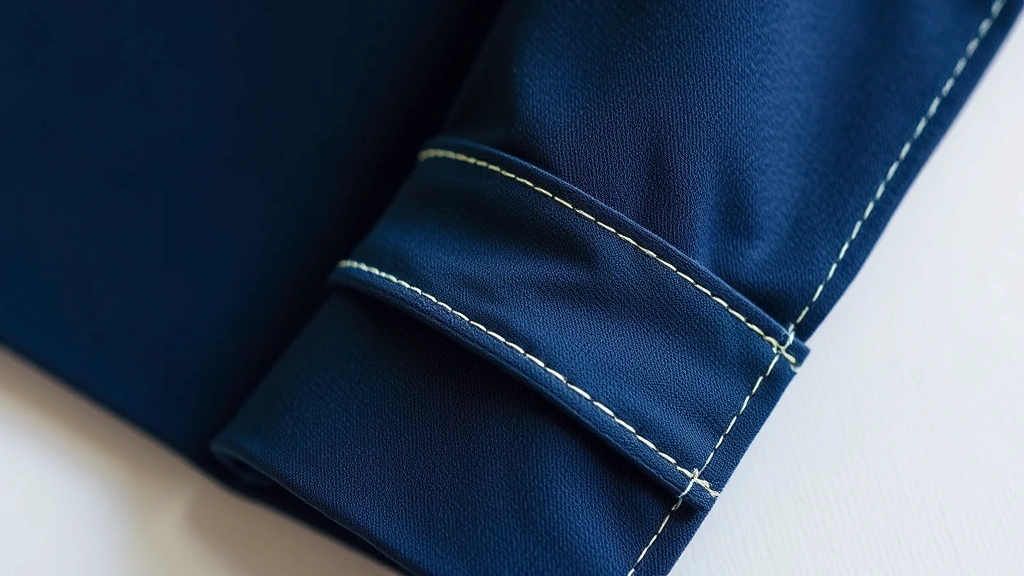
Construction methods reflect investment in skilled labor. Seams are finished with precision, hems are sewn with appropriate techniques for each fabric type, and buttons are secured with reinforced stitching designed to last years of regular wear. When you examine a King Birch garment closely, you notice details like flat-felled seams on structured pieces, bound buttonholes on outerwear, and hand-finished edges on delicate items.
Testing the durability claims requires honest assessment: do these pieces actually withstand years of wear? Consumer reports suggest that King Birch garments maintain their appearance and structural integrity across multiple seasons of regular use. Fabrics soften with washing rather than pilling or deteriorating, and colors remain stable without excessive fading.
This quality foundation justifies the price point more convincingly than marketing alone ever could. A King Birch piece isn’t designed for a single season—it’s engineered for longevity, which fundamentally changes the cost-per-wear calculation.
Pricing: Is It Justified?
King Birch Fashion occupies the contemporary luxury segment, with prices typically ranging from $150 for basics to $800+ for outerwear. This positioning places the brand above mass-market retailers but below haute couture houses. The critical question: does the pricing reflect actual value, or are you paying for brand prestige?
Several factors contribute to King Birch’s price structure:
- Material costs: Premium fabrics sourced from reputable mills inherently cost more than conventional alternatives
- Labor practices: Fair wages and reasonable working conditions increase production expenses
- Production volume: Unlike fast fashion brands producing hundreds of thousands of units, King Birch maintains smaller production runs, reducing economies of scale
- Design investment: Significant resources fund research, sampling, and creative development
- Quality control: Rigorous inspection processes ensure standards are maintained across every piece
When you calculate cost-per-wear over a garment’s actual lifespan, King Birch pricing becomes more defensible. A $400 blazer worn 100 times across three years equals $4 per wear—comparable to or better than fast fashion alternatives when accounting for replacement frequency.
However, pricing isn’t uniformly justified across all categories. Basic items like plain t-shirts command premiums that feel steep compared to quality basics from other brands. Conversely, outerwear and structured pieces offer clearer value propositions given the construction complexity and material quality involved.
Understanding definition of environment science and its relationship to fashion economics helps contextualize pricing decisions. When brands account for environmental costs—water usage, chemical pollution, carbon emissions—conventional pricing appears artificially low rather than King Birch pricing appearing artificially high.
Sustainability and Environmental Impact
The sustainability question sits at the heart of whether King Birch Fashion’s hype is justified. The brand markets itself as environmentally conscious, but does the reality match the messaging?
Positive environmental practices include:
- Transparency in supply chain documentation and third-party audits
- Preference for natural fibers and recycled materials
- Production partnerships with facilities meeting strict environmental standards
- Minimal packaging using recyclable and compostable materials
- Efforts to reduce water consumption and chemical usage in dyeing processes
Areas requiring ongoing improvement:
- Shipping practices still rely primarily on air freight for time-sensitive deliveries
- Return processes don’t emphasize resale or recycling pathways
- Limited information about end-of-life garment management strategies
- Carbon offset programs lack detail regarding verification and impact measurement
King Birch isn’t perfect from an environmental standpoint—no fashion brand currently is. However, the brand demonstrates genuine commitment to minimizing impact compared to industry norms. This aligns with broader discussions about how do humans affect the environment through consumption choices.
For consumers concerned about environmental impact, King Birch represents a meaningful step forward without demanding impossible perfection. The brand’s transparency about limitations is refreshing compared to competitors making unsubstantiated sustainability claims.
Customer Reviews and Real-World Experiences
Beyond marketing narratives and specifications, actual customer experiences provide crucial perspective on whether King Birch Fashion deserves its reputation.
Common praise includes:
- Durability exceeding expectations across multiple seasons
- Comfortable fit that accommodates various body types
- Customer service responsiveness and problem resolution
- Timeless designs that don’t feel dated after brief periods
- Fabric quality noticeably superior to comparable price points
Recurring criticisms involve:
- Limited size range in some collections, particularly for larger sizes
- Occasional inconsistencies in fit across different production batches
- Shipping delays, particularly during peak seasons
- Return processes that feel unnecessarily complicated
- Premium pricing for items that don’t clearly justify the cost
Overall sentiment suggests that King Birch Fashion delivers on core promises—quality, durability, and thoughtful design—though execution occasionally falters in logistics and customer service areas. Most customers who purchased carefully and understood the brand’s positioning report satisfaction with their investments.
Comparing King Birch to Competitors
Understanding King Birch’s position requires context about comparable brands occupying similar market space. Several competitors merit consideration:
Everlane: Emphasizes radical transparency and affordable pricing but sometimes compromises on design innovation and material quality compared to King Birch.
Reformation: Shares King Birch’s sustainability focus and contemporary aesthetic but maintains higher price points with less clear value justification for basic items.
Sustainable brands guide: As detailed in our Sustainable Fashion Brands: A Comprehensive Guide, numerous options exist for environmentally conscious consumers, each with distinct strengths and limitations.
Traditional luxury brands: Houses like Loro Piana and Brunello Cucinelli command higher prices but offer heritage, exclusivity, and sometimes superior craftsmanship in specific categories.
King Birch occupies the sweet spot for many consumers—better than mainstream contemporary brands in quality and values, more accessible than traditional luxury houses, and more design-forward than purely sustainability-focused brands. This positioning explains much of the hype without requiring inflated expectations.
How to Style King Birch Pieces
Maximizing value from King Birch Fashion requires understanding how to integrate pieces into cohesive wardrobes. The brand’s design philosophy facilitates versatile styling across multiple contexts.
Building a King Birch capsule wardrobe:
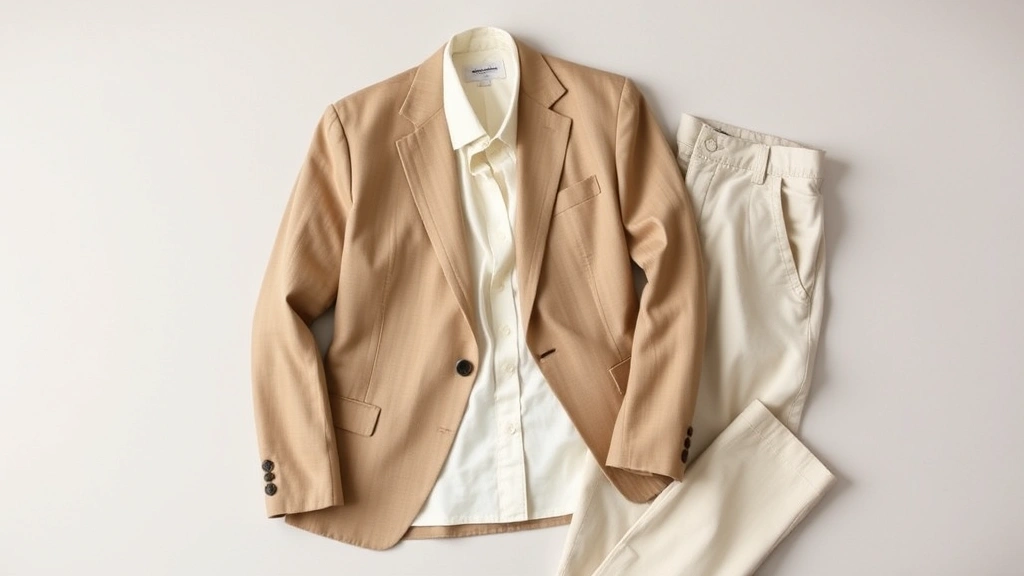
- Start with neutral basics—white t-shirt, cream button-down, black trousers
- Add layering pieces in complementary earth tones
- Invest in one quality outerwear piece that serves multiple seasons
- Include accessories that bridge King Birch with other brands
- Select footwear that works across various outfit combinations
Styling principles: King Birch pieces excel in minimalist compositions where quality and fit take center stage. Rather than competing with bold patterns or logos, let the garment’s construction and proportions shine. Layer thoughtfully, considering how different textures interact. Mix King Birch pieces with other brands—the design language is sophisticated enough to complement various aesthetic traditions.
The sustainability considerations we discussed regarding how to reduce carbon footprint apply directly to styling strategy. By investing in versatile pieces you’ll actually wear repeatedly, you amplify the environmental benefits of King Birch’s responsible production practices.
FAQ
Is King Birch Fashion actually sustainable?
King Birch demonstrates genuine sustainability commitments through transparent supply chains, responsible material sourcing, and ethical labor practices. However, like all fashion brands, environmental impact remains significant. The brand represents meaningful progress rather than perfection, making it a reasonable choice for environmentally conscious consumers without demanding impossible standards.
How does King Birch sizing compare to other brands?
King Birch sizing generally runs true to size with generous proportions on some pieces. The brand offers detailed size guides and maintains liberal return policies, allowing customers to find proper fits. However, size range limitations exist, particularly in extended sizes, which remains an industry-wide challenge.
What’s the return and exchange policy?
King Birch typically allows returns within 30 days of purchase with original tags attached. Return shipping costs vary by region, with free returns for defective items. Exchange processes work smoothly for sizing issues, though timing can extend delivery timelines.
Do King Birch pieces hold their value on resale markets?
Yes, King Birch Fashion pieces maintain strong resale value due to durability and timeless design. Secondary market platforms report consistent demand for the brand, with gently used pieces selling at 50-70% of original prices. This resale potential further justifies the initial investment.
Are there sales or discount periods for King Birch?
King Birch rarely discounts current-season merchandise, maintaining brand positioning and pricing integrity. End-of-season sales typically offer 20-30% reductions on remaining inventory. Patience with purchasing timing can yield better value without compromising access to desired pieces.
How should I care for King Birch garments to maximize longevity?
Follow individual care labels carefully, as different fabrics require specific approaches. Generally, wash in cool water, dry flat when possible, and avoid excessive heat. Proper care significantly extends garment lifespan, maximizing the value proposition of your investment and reducing replacement frequency.
Is King Birch Fashion worth the hype?
For consumers prioritizing quality, durability, and values alignment, King Birch Fashion largely delivers on its promises. The hype isn’t entirely unfounded—the brand genuinely produces well-constructed garments from responsible sources. However, the hype isn’t universally justified for every product category or consumer need. Evaluate specific pieces against your priorities rather than accepting the brand’s reputation wholesale.

Related Posts

Perfect Old Fashioned Donut: Baker’s Secrets
Old Fashioned Chocolate Pie Recipe? Chef’s Favorite