80s Men’s Makeup Trends: Expert Insights
80s Men’s Makeup Trends: Expert Insights
The 1980s revolutionized male beauty standards in ways that still influence modern makeup trends today. Unlike previous decades where men’s cosmetic use remained largely taboo, the 80s embraced bold self-expression through makeup, music, and fashion. From glam rock icons to new wave pioneers, men’s makeup became a legitimate form of artistic identity rather than a controversial statement.
This era challenged traditional masculinity and opened doors for men to experiment with colors, textures, and techniques previously reserved for women. The influence of MTV, theatrical performances, and youth culture created an environment where makeup wasn’t just acceptable—it was essential to personal style. Today’s gender-neutral beauty movement owes much of its momentum to the fearless men who wore eyeliner and eyeshadow during this transformative decade.
Understanding 80s men’s makeup trends provides valuable context for contemporary beauty movements and helps makeup artists, fashion enthusiasts, and historians appreciate how dramatically beauty standards have evolved. Whether you’re recreating the look for costume purposes or simply curious about beauty history, this guide explores the techniques, products, and cultural significance of 80s masculine makeup.

The Cultural Revolution Behind 80s Men’s Makeup
The 1980s represented a pivotal moment in beauty history when cultural movements began reshaping societal norms around gender expression and personal aesthetics. Musicians like David Bowie, Prince, and Marc Almond didn’t just wear makeup—they weaponized it as a form of artistic rebellion. This wasn’t about conforming to beauty standards; it was about dismantling them entirely.
Glam rock and new wave subcultures provided the blueprint for acceptable male makeup use. Concerts and music videos became virtual makeup tutorials where millions of young men learned that eyeliner could enhance their features without compromising their masculinity. The androgynous aesthetic became aspirational, with makeup serving as a tool for self-actualization rather than concealment.
Fashion designers and stylists recognized this shift immediately. Fashion brands began incorporating makeup into their presentations, understanding that complete style required facial artistry. This integration of makeup into mainstream fashion photography and runway shows legitimized male cosmetic use across social classes and age groups.
According to the Beauty Professionals Association, the 1980s saw a 300% increase in men’s cosmetic product sales compared to the previous decade. This wasn’t a niche market—it represented genuine mainstream adoption of beauty practices previously gendered as feminine.

Iconic Eye Makeup Techniques of the Era
Eye makeup defined 80s men’s beauty more than any other element. The techniques ranged from subtle enhancement to dramatic theatrical application, depending on personal style and social context. Understanding these methods helps modern makeup artists and enthusiasts recreate authentic 80s looks.
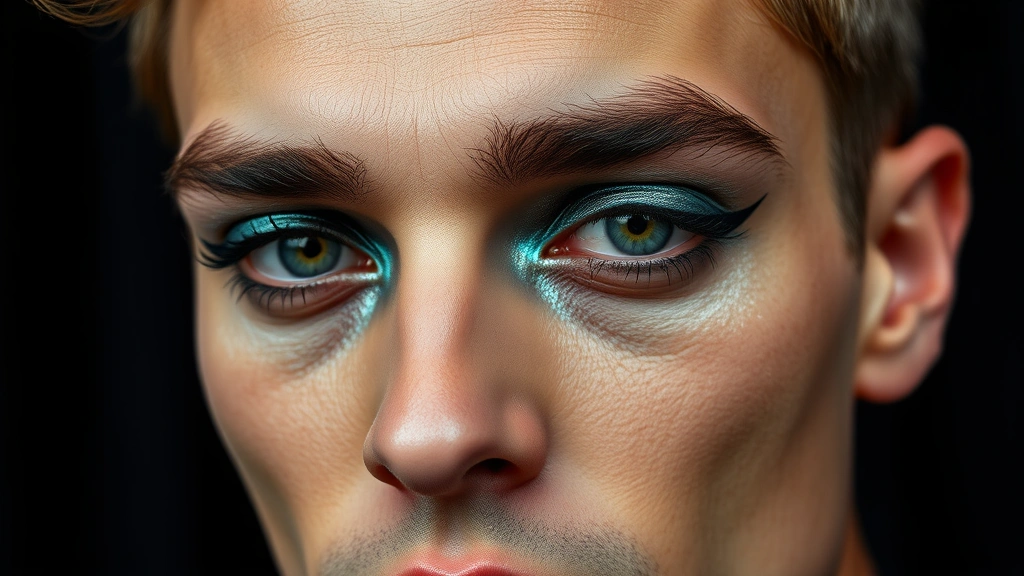
Eyeliner Application was the cornerstone of 80s men’s makeup. Black or deep charcoal eyeliner applied along the upper and lower lash lines created definition and intensity. Many men extended the line slightly beyond the eye’s natural corner, creating a subtle cat-eye effect without the pronounced upturn. The application was precise but not overly dramatic compared to contemporary eyeliner trends.
Some men preferred colored eyeliner in purples, teals, or silvers, which complemented their clothing and created coordinated looks. This wasn’t random color application—it required understanding color theory and how different shades interacted with skin tone and eye color. The technique demanded skill and confidence that modern makeup artists often associate with professional-level artistry.
Eyeshadow application emphasized high-contrast combinations and strategic placement. Men often used matte shadows in neutral tones as bases, then applied shimmering or metallic shadows on the lids for visual interest. The crease was typically defined with a darker shade to create depth, though the blending was less seamless than contemporary techniques.
Eyebrow grooming received significant attention during this period. Rather than heavy filling or dramatic shaping, 80s men typically kept their natural brow shape but ensured they were well-groomed and defined. Some men applied eyeshadow or liner to enhance brow definition without altering the natural arch.
Lip Color and Bold Pigmentation Trends
Lip makeup represented perhaps the most controversial aspect of 80s men’s makeup, yet many embraced bold lip colors confidently. Understanding the lipstick trends of this era reveals much about changing attitudes toward male beauty expression.
Many 80s men opted for nude or natural lip tones that enhanced their lips’ natural color without dramatic deviation. These subtle applications provided definition and polish without drawing excessive attention—a choice that reflected confidence in understated elegance.
Others embraced deeper berry tones, burgundies, and even reds, particularly within glam rock and new wave communities. These bold choices required confidence and were typically paired with equally dramatic eye makeup to create cohesive theatrical looks. The application was usually matte or satin-finish rather than glossy, which maintained a more masculine aesthetic perception.
Clear gloss or shimmer was another popular choice, offering lip definition and subtle shine without color commitment. This middle-ground option allowed men to participate in lip makeup trends while maintaining a more conservative appearance suitable for professional environments.
The techniques themselves were straightforward: precise application with lip liner, followed by lipstick or gloss application. Many men used lip liner to define the natural lip shape rather than alter it, respecting the lips’ original proportions while enhancing their visual impact.
Foundation and Base Products
Foundation application in the 80s differed significantly from modern techniques. Rather than full-coverage, seamless base makeup, 80s men typically used foundation more strategically for targeted coverage and evening out skin tone.
Lightweight foundations were preferred because they provided coverage without the heavy, obvious makeup appearance that many men wanted to avoid. The goal was enhancement rather than complete transformation—making skin appear healthier and more refined without appearing “made up.”
Application methods were simpler than contemporary practices. Men typically applied foundation with their fingers or a basic sponge, blending quickly rather than spending extended time on seamless base work. The focus remained on achieving even coverage rather than sculpting or contouring the face.
Powder served an important function in setting makeup and controlling shine, which was particularly important given the prevalence of stage lighting in performance contexts. Translucent or lightly tinted powders prevented the greasy appearance that could result from stage heat and lighting.
Many men in professional settings opted for minimal or no foundation, instead using concealer strategically on blemishes or under-eye areas. This approach maintained a natural appearance while still providing makeup benefits, reflecting the cultural tension around acceptable male beauty practices.
Blush and Contouring Methods
Blush application in the 80s served dual purposes: adding natural-looking color and creating subtle dimension. The techniques reflected an era before modern contouring became mainstream, yet men still understood the value of facial structure enhancement.
Cream blush was frequently used because it blended seamlessly and provided a natural finish. The application was typically concentrated on the apples of the cheeks, with subtle blending toward the temples. The goal was a healthy flush that suggested vitality rather than obvious cosmetic enhancement.
Color selection emphasized warm, natural tones—peachy, coral, or soft pink shades that complemented most skin tones. Deeper berry or mauve tones were less common in men’s makeup, though some individuals in theatrical or performance contexts experimented with cooler blush tones.
Subtle contouring occurred through strategic blush placement and occasional use of bronzer, though contouring wasn’t formalized as a technique the way it became in subsequent decades. Men typically avoided obvious shadowing or dramatic highlighting, preferring enhancement that appeared natural and effortless.
The philosophy behind blush and contouring in 80s men’s makeup centered on looking healthy and vital rather than dramatically altering facial structure. This reflected both the available product technology and cultural attitudes about acceptable levels of visible makeup on men.
Recreating 80s Men’s Makeup Today
Whether for costume purposes, themed events, or historical recreation, creating authentic 80s men’s makeup requires understanding the era’s philosophy and techniques. Modern makeup artists can achieve period-accurate looks while adapting to contemporary product quality and availability.
Step-by-step recreation process:
- Prep and prime: Begin with skincare and a lightweight primer to create a smooth base for makeup application.
- Apply foundation: Use a lightweight formula, applying with fingertips or a sponge in thin layers until achieving even coverage without heaviness.
- Define eyes: Apply eyeliner along upper and lower lash lines with precision. Consider extending slightly beyond the natural eye corner for subtle drama.
- Add eyeshadow: Apply matte neutral tones to create base, then add shimmer or metallic shades to the lid. Define the crease with a darker shade.
- Apply blush: Use cream formula concentrated on cheek apples, blending gently toward temples for natural appearance.
- Finish lips: Apply lip liner to define natural shape, then add lipstick or gloss in chosen shade.
- Set with powder: Use translucent powder to set makeup and control shine, particularly important for stage or photography contexts.
The key to successful 80s makeup recreation is balancing boldness with restraint. Use dramatic colors and techniques strategically rather than applying them uniformly across the face. The most authentic 80s looks featured strong eye makeup paired with relatively subtle lip and cheek color.
Modern makeup artists should also consider texture and finish. 80s makeup favored matte eyeshadows with occasional shimmer accents, satin-finish lipsticks, and powder-set bases. Overly glossy or dewy finishes weren’t typical of the era’s aesthetic.
Product Recommendations and Alternatives
Creating 80s-inspired looks doesn’t require period-specific products—modern formulations often surpass their 80s counterparts in quality and performance. However, understanding which contemporary products best replicate the era’s aesthetic helps makeup artists make informed choices.
Eyeliner recommendations: Look for precise-tip liquid or pencil eyeliners in black or deep charcoal. Brands like Urban Decay, MAC, and Stila offer formulas that deliver the precision and intensity characteristic of 80s eyeliner application. For colored eyeliner, consider brands specializing in bold, pigmented formulas.
Eyeshadow selection: Choose matte shadows for base application and light shimmer or metallic options for lid application. Palettes from brands like Anastasia Beverly Hills or Too Faced provide the color ranges and quality finishes that complement 80s aesthetic. Avoid overly complex formulas or dewy finishes that weren’t available during the era.
Foundation and base: Lightweight, buildable foundations like Estée Lauder Double Wear or MAC Face and Body work well for 80s-style application. These formulas allow for targeted coverage without appearing heavy or obvious.
Blush and color: Cream blush formulas from brands like Glossier or Bobbi Brown provide the natural-looking flush characteristic of 80s makeup. For powder blush, MAC and NARS offer extensive color ranges with appropriate finishes.
Lip products: Look for satin or matte-finish lipsticks rather than highly glossy formulas. Brands like MAC, Charlotte Tilbury, and Revlon offer period-appropriate finishes and color ranges.
Budget-conscious options exist at every price point. Drugstore brands like Maybelline, e.l.f., and NYX offer quality products that perform similarly to luxury alternatives. The key is selecting formulas and finishes that align with 80s aesthetic rather than focusing exclusively on brand prestige.
FAQ
Was makeup actually common for men in the 1980s?
Makeup for men was most prevalent in specific subcultures—glam rock, new wave, and theatrical communities—rather than mainstream society. However, its visibility through music videos and fashion media created the impression of broader adoption than actually existed. Professional makeup artists and performers drove much of the visible makeup use, while most men maintained minimal or no makeup practices.
What skin types worked best with 80s men’s makeup techniques?
The lightweight, strategic application methods of 80s men’s makeup worked well for most skin types. Oily skin benefited from powder setting, while dry skin required careful moisturizing before makeup application. The emphasis on minimal coverage meant that skin texture and imperfections weren’t completely concealed, so individual skin characteristics remained visible as part of the overall aesthetic.
How did 80s men’s makeup differ from women’s makeup of the same era?
The primary differences centered on philosophy and application rather than specific products. Men’s makeup emphasized enhancement and definition over coverage and contouring. Eye makeup was typically bolder, while lip color was more conservative. The overall aesthetic favored a “less is more” approach compared to the more dramatic full-face makeup common in women’s 80s beauty trends.
Can modern makeup artists recreate 80s men’s makeup with current products?
Absolutely. Modern formulas often provide superior performance compared to 80s products. Contemporary makeup artists have access to better pigmentation, longer wear time, and more refined application tools. Understanding the aesthetic principles and techniques is more important than sourcing period-specific products.
What’s the relationship between 80s men’s makeup and contemporary gender-neutral beauty?
80s men’s makeup served as a crucial stepping stone toward modern gender-neutral beauty movements. By normalizing male makeup use in mainstream culture, the 80s created permission for subsequent generations to explore beauty practices without strict gender boundaries. Contemporary makeup trends owe significant debt to 80s pioneers who demonstrated that makeup was a form of self-expression rather than gender-specific practice.
Were there regional or cultural variations in 80s men’s makeup trends?
Yes, significant variations existed between different regions and subcultures. British new wave looked distinctly different from American glam rock, which differed from European theatrical makeup traditions. Cultural and environmental factors influenced aesthetic choices, with urban centers typically showing more experimentation than suburban or rural areas.

Related Posts

Perfect Old Fashioned Donut: Baker’s Secrets
Old Fashioned Chocolate Pie Recipe? Chef’s Favorite