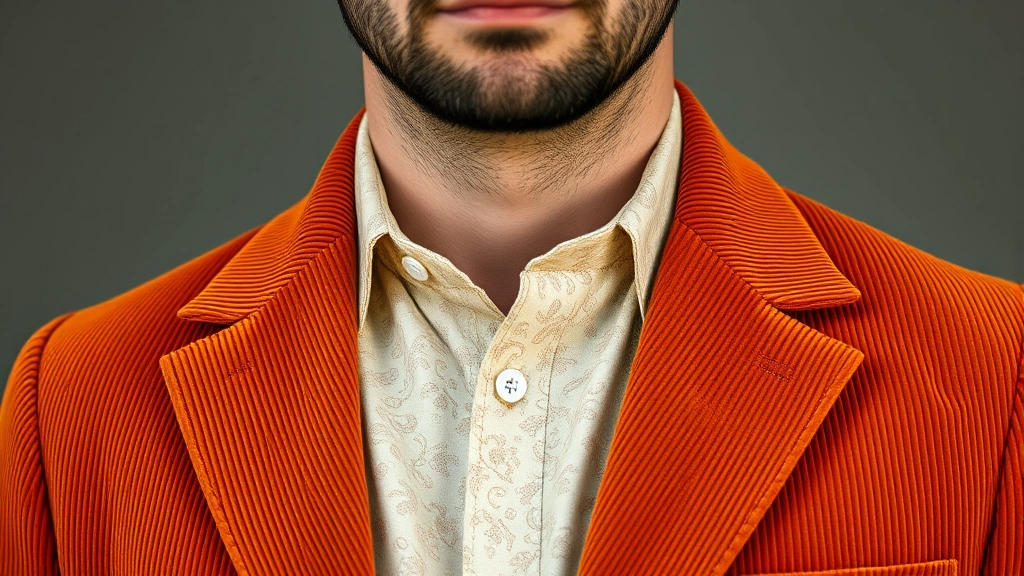
70s Fashion Men: Timeless Looks, Expert Tips
70s Fashion Men: Timeless Looks, Expert Tips
The 1970s represent one of the most influential decades in men’s fashion history, a period when bold self-expression, vibrant colors, and relaxed silhouettes dominated wardrobes across the globe. From disco fever to bohemian influences, 70s fashion for men continues to inspire contemporary style, offering a rich palette of aesthetics that modern gentlemen can authentically adopt. Whether you’re drawn to the groovy disco aesthetic, the earthy minimalism of the early decade, or the punk rebellion that emerged late in the era, understanding the nuances of 70s menswear allows you to curate a wardrobe that feels both nostalgic and fresh.
What makes 70s fashion particularly appealing today is its emphasis on individuality and confidence. Men in the seventies weren’t afraid to experiment with textures, patterns, and silhouettes that would have seemed unconventional in previous decades. This spirit of fashion liberation created a foundation for personal style expression that remains relevant. By incorporating key pieces and styling principles from this iconic era, you can develop a distinctive aesthetic that celebrates the best elements of 70s menswear while maintaining contemporary relevance.
Key Silhouettes and Cuts of the 70s
The silhouette of 70s menswear fundamentally differed from the fitted, structured looks of the 1960s. Wide lapels, oversized proportions, and relaxed fits became the defining characteristics of the decade. Suits featured dramatically broader shoulders and lapels that extended nearly to the armpit, creating a commanding presence that conveyed confidence and style authority. These generous proportions weren’t accidental but rather reflected a cultural shift toward comfort, movement, and anti-establishment values.
Flared trousers, often called bell-bottoms, became iconic during this period, particularly in the mid-to-late 70s. Starting at a normal width at the thigh, these pants expanded significantly from the knee downward, creating dramatic silhouettes that paired perfectly with platform shoes. While bell-bottoms might seem extreme to modern sensibilities, understanding their proportional relationships with oversized tops and platform footwear reveals a balanced aesthetic logic. Straight-leg pants remained popular throughout the decade as well, offering a slightly more conservative alternative while still maintaining the relaxed fit that defined the era.
Shirts underwent similar transformations, with camp collars (also called Cuban collars) emerging as a signature style. These shirts featured open necklines and short sleeves, often in bold prints or vibrant colors, embodying the era’s casual sophistication. Long-sleeved shirts featured wider collars and looser cuts, encouraging layering and creative combinations. Understanding these foundational silhouettes helps modern wearers adapt 70s aesthetics without appearing like costume enthusiasts—the key lies in selecting proportions that complement your body type while maintaining the relaxed confidence the era represented.
Color Palettes and Patterns
The 70s embraced color in ways that previous decades had largely avoided, particularly for menswear. Earth tones dominated the early part of the decade—rust, burnt orange, mustard yellow, olive green, and rich browns created warm, organic palettes that reflected growing environmental consciousness and a return-to-nature aesthetic. These colors appeared in everything from corduroy blazers to suede jackets, establishing a foundation of warm, approachable tones that remain flattering and versatile.
As the decade progressed, particularly toward the mid-to-late 70s, brighter colors emerged alongside the earthy foundation. Avocado green, harvest gold, and peachy tones became fashionable, while disco culture introduced jewel tones like deep purples, teals, and electric blues. The key to successfully incorporating these colors into a modern wardrobe involves strategic application—use bold colors as accent pieces or in specific garments rather than head-to-toe saturation.
Patterns played an equally important role in 70s menswear aesthetics. Geometric prints, abstract designs, and bold florals appeared on shirts, ties, and accessories. Plaid and herringbone patterns offered slightly more conservative options, while animal prints occasionally appeared in more adventurous ensembles. Paisley, inspired by psychedelic art and Eastern influences, became synonymous with 70s style. When combining patterns, 70s menswear often embraced multiple prints in complementary color families, creating visually complex but harmonious outfits. This approach requires confidence and understanding of color theory but rewards bold dressers with distinctive, memorable style.
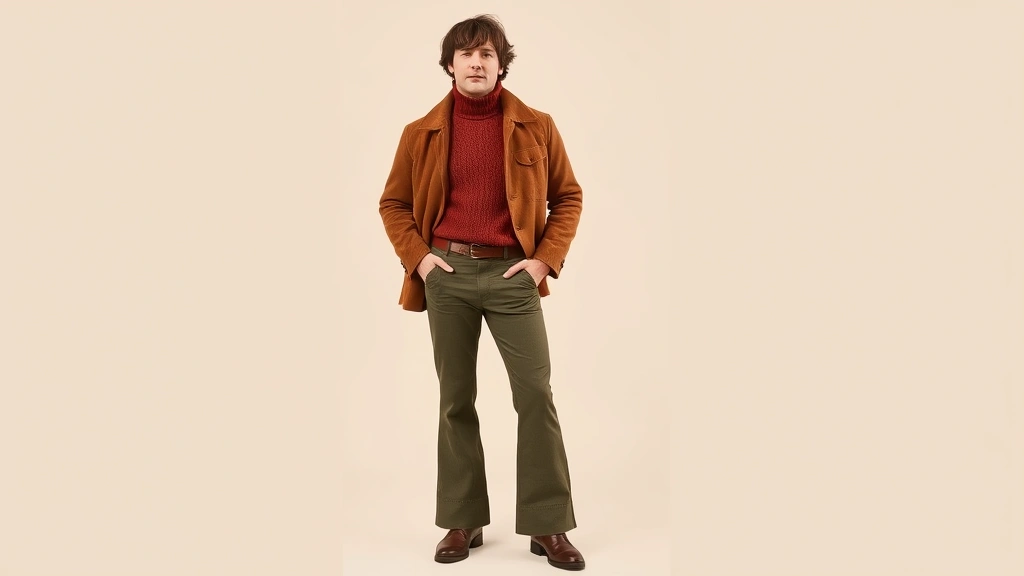
Essential Pieces for a 70s Wardrobe
Building a 70s-inspired wardrobe requires understanding which pieces serve as foundational elements and which function as statement items. Sustainable fashion brands today often draw inspiration from 70s construction methods, emphasizing quality pieces designed for longevity rather than trend cycles.
The blazer remains the cornerstone of 70s menswear. Wide lapels, slightly oversized cuts, and rich textures like corduroy, suede, or wool define the era’s approach to tailoring. These blazers work beautifully in earth tones or jewel tones, often featuring interesting details like contrasting stitching or textured fabrics. A well-chosen 70s-inspired blazer can anchor an entire outfit, whether paired with tailored trousers or casual denim.
Shirts represent another essential category, with camp collar styles and wide-collar dress shirts serving as statement pieces. Look for quality fabrics with interesting weaves or subtle patterns. Solid-colored shirts in warm tones provide versatile basics, while patterned options add personality and visual interest. Knit shirts, including turtlenecks in various colors, offered warmth and texture, particularly during cooler months.
Trousers deserve careful consideration, as proportions significantly impact overall aesthetic success. Straight-leg pants in neutral colors provide a foundation, while flared options in bold colors or patterns create statement pieces. Corduroy pants in earth tones perfectly capture 70s casual sophistication, working equally well in professional or relaxed settings.
Outerwear options expanded during the 70s, with suede jackets, leather blazers, and oversized denim jackets becoming wardrobe staples. These pieces often featured interesting details like fringe, contrasting stitching, or unique closures. A quality outerwear piece can define your entire aesthetic while providing practical functionality.
Disco and Evening Wear
The disco phenomenon fundamentally transformed evening wear, introducing glamorous, body-conscious silhouettes that contrasted sharply with daytime fashion. Disco shirts featured deep V-necklines, often left partially unbuttoned to showcase body confidence and create visual drama. Shiny fabrics like polyester and satin reflected light, creating eye-catching effects perfect for dance floors and evening venues. Jewel tones—deep purples, teals, and sapphires—dominated disco wardrobes, often paired with metallic accents and bold jewelry.
Leisure suits emerged as disco’s most distinctive contribution to menswear, featuring matching shirts and pants in coordinated fabrics and colors. While leisure suits might seem excessive to contemporary sensibilities, they represented a democratization of formal wear, allowing men without access to traditional tailoring to achieve polished, coordinated evening looks. Modern interpretations of disco style focus on the key elements—bold colors, shiny fabrics, and body-conscious silhouettes—without requiring full leisure suit adoption.
Platform shoes became essential disco accessories, adding height and creating visual drama with their chunky soles and metallic or shiny finishes. These shoes paired with flared trousers to create elongated leg lines while accommodating the movement required for dancing. Wide-collared dress shirts in metallic or shiny fabrics, worn with statement jewelry and bold accessories, completed the disco aesthetic.
Casual and Everyday Looks
Beyond disco’s glamor, 70s menswear embraced comfortable, approachable casual wear that prioritized relaxation and self-expression. Denim became increasingly important during this period, with various washes and fits offering versatility. Light-washed denim paired with earthy-toned shirts created casual but intentional looks, while darker denim offered slightly more formal options suitable for semi-dressy occasions.
Corduroy emerged as a signature 70s fabric, appearing in blazers, shirts, and trousers. The textured weave creates visual interest while maintaining a sophisticated, approachable aesthetic. Corduroy’s natural warmth and rich color saturation made it perfect for creating cohesive outfits in earth-tone palettes.
Sweaters and knits played crucial roles in 70s casual wear, with chunky knit textures, interesting stitch patterns, and bold colors defining the era. Crew neck sweaters in warm tones provided versatile layering options, while turtlenecks added sophistication and visual drama. Cable knits and textured patterns added dimension and interest to otherwise simple outfits.
Layering represented a key styling principle in 70s menswear, with shirts worn under sweaters, blazers over patterned shirts, and jackets layered for both practical and aesthetic purposes. This approach to dressing allowed for creative combinations and personal expression while maintaining comfort and functionality.
Accessories and Finishing Touches
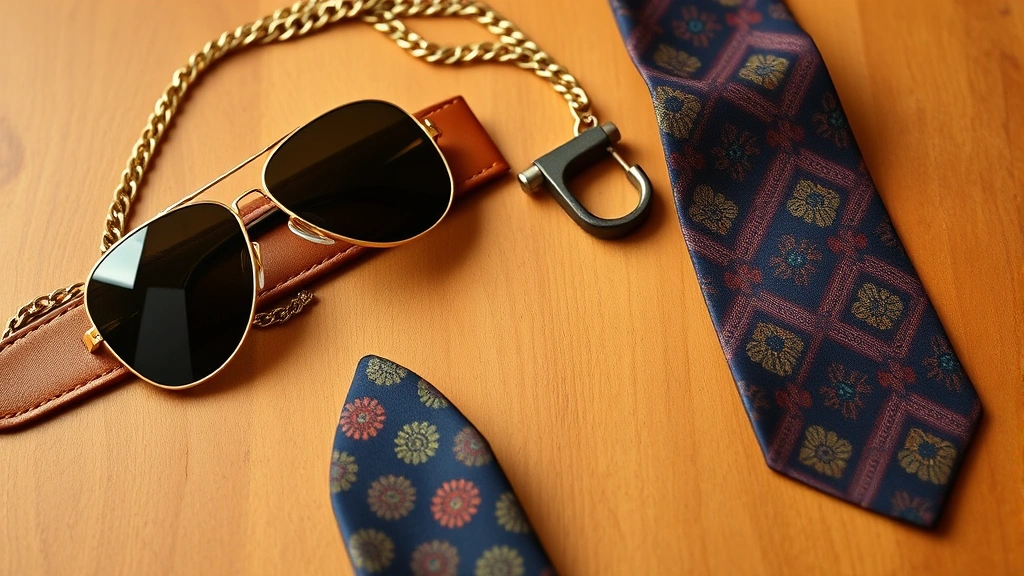
Accessories elevated 70s menswear from basic to distinctive, with bold choices reflecting individual personality and style confidence. Ties underwent significant evolution, with wider cuts and bolder patterns becoming standard. Wide ties featuring geometric patterns, paisleys, or abstract designs created visual impact while coordinating with oversized blazers and wide-collared shirts. Tie clips and bars added metallic accents and practical functionality.
Belts featured wide leather construction, often with substantial buckles that served as statement pieces. Leather quality and distinctive buckle designs mattered significantly, with tooled leather, chain details, or oversized metal buckles creating focal points. Earth-toned leather in cognac, tan, or rich brown complemented the era’s color palette while providing visual grounding.
Jewelry became increasingly important in 70s menswear, with chains, rings, and pendants adding personal expression. Gold-toned metals dominated, appearing in bracelets, necklaces, and rings that conveyed affluence and confidence. The key to modern success with 70s jewelry involves restraint—select one or two statement pieces rather than layering multiple items, which can appear costume-like.
Hats remained relevant throughout the 70s, with wide-brimmed styles, fedoras, and caps offering functional and aesthetic benefits. Suede or corduroy construction in warm earth tones complemented casual outfits, while felt options worked with more formal ensembles. Sunglasses evolved significantly during this period, with oversized frames and tinted lenses becoming increasingly popular, particularly in disco and evening contexts.
Footwear options expanded dramatically, with platform shoes, boots, and leather loafers offering versatility. Platform construction appeared across shoe styles, from dress shoes to casual sneakers, creating the vertical emphasis that defined the era’s proportions. Suede boots in earth tones provided texture and warmth, while leather loafers offered polished casualness suitable for various occasions.
Styling Tips for Modern Men
Successfully incorporating 70s fashion into contemporary wardrobes requires understanding which elements translate effectively and which need adaptation for modern sensibilities. The first principle involves embracing proportion confidence—70s menswear’s oversized silhouettes and wide cuts were intentional design choices that created visual impact. Modern men should select pieces that fit comfortably while maintaining the era’s relaxed aesthetic, avoiding overly tight cuts that undermine the foundational philosophy.
Color selection deserves careful attention, as the 70s palette differs significantly from contemporary minimalism. Start with earth tones as your foundation—these warm, organic colors remain flattering and versatile. Gradually introduce bolder colors and patterns as you develop comfort with the aesthetic. A single statement piece in a bold color or pattern, paired with neutral basics, creates approachable 70s style without appearing costume-like.
Quality matters tremendously when assembling a 70s-inspired wardrobe. Seek out vintage and contemporary pieces with quality construction, focusing on natural fabrics like corduroy, suede, and quality wool blends. These materials age beautifully and convey intentionality and sophistication. Avoid synthetic fabrics that characterized lower-quality 70s production, as they can appear dated rather than vintage.
Mixing eras represents a sophisticated approach to 70s style, combining 70s pieces with contemporary basics to create balanced, modern-appropriate outfits. A 70s-inspired blazer paired with modern tailored trousers and contemporary footwear creates visual interest while maintaining contemporary relevance. This approach honors the era’s aesthetic while acknowledging modern sensibilities and practical requirements.
Context awareness ensures your 70s styling choices remain appropriate. Disco-inspired evening wear works beautifully for nightlife and special occasions, while earth-toned casual pieces suit professional and everyday settings. Understanding which 70s elements fit specific contexts allows you to express personal style while navigating social and professional expectations.
Confidence represents the most essential element in successfully wearing 70s-inspired fashion. The decade’s spirit emphasized personal expression and individuality, celebrating distinctive choices over conformity. Modern men adopting 70s aesthetics should embrace this confidence, selecting pieces that resonate personally while wearing them with conviction. This attitude transforms potential costume choices into authentic personal style.
Consider exploring contemporary menswear trends that draw inspiration from the 70s, as modern designers continually reinterpret this era’s key elements. Understanding how contemporary fashion engages with 70s aesthetics helps you identify pieces that honor the era while maintaining modern relevance.
FAQ
How can I wear 70s fashion without looking like a costume?
Focus on quality pieces in earth tones as your foundation, then introduce bolder colors and patterns strategically. Mix 70s elements with contemporary pieces—pair a 70s blazer with modern tailored trousers. The key lies in confidence and intentionality rather than head-to-toe recreation. Select pieces that genuinely resonate with your personal aesthetic rather than accumulating items simply because they’re from the era.
What’s the best starting point for building a 70s-inspired wardrobe?
Begin with a quality corduroy or wool blazer in an earth tone like rust, burnt orange, or olive green. Add tailored straight-leg trousers in neutral colors, comfortable shirts with interesting textures, and quality leather footwear. These foundational pieces work across various contexts while establishing the era’s aesthetic. From this foundation, gradually introduce bolder colors, patterns, and statement pieces as you develop comfort.
Are bell-bottoms and flared pants still wearable today?
Yes, but proportions matter significantly. Modern interpretations often feature slightly less extreme flares than 1970s originals, creating a more balanced silhouette. Pair flared trousers with fitted or standard-width tops to maintain proportion and visual balance. Dark-washed flares in quality denim work particularly well in contemporary contexts, offering vintage appeal without appearing costume-like.
Can I wear 70s style in professional settings?
Absolutely. Earth-toned blazers, quality corduroy, and tailored trousers create sophisticated professional looks. Focus on classic pieces rather than bold patterns or disco-inspired elements. A 70s-influenced blazer with contemporary dress trousers and modern footwear creates distinctive professional style that conveys confidence and individuality while maintaining workplace appropriateness.
What fabrics best capture 70s aesthetics?
Corduroy, suede, wool blends, and quality denim represent signature 70s fabrics. These materials age beautifully and convey intentionality and quality. Avoid synthetic polyester and satin unless specifically aiming for disco evening wear. Natural fabrics in rich earth tones create the authentic 70s aesthetic most effectively while remaining practical and comfortable.
How do I accessorize a 70s-inspired outfit?
Select one or two statement pieces rather than multiple accessories. A quality leather belt with an interesting buckle, a bold tie, or distinctive jewelry creates focal points without overwhelming the outfit. Gold-toned metals, leather in warm earth tones, and carefully selected statement pieces work most effectively. Avoid excessive layering of multiple accessory items, which can appear costume-like.
Where can I find authentic 70s pieces today?
Vintage shops, online marketplaces specializing in vintage fashion, and contemporary designers creating 70s-inspired collections all offer options. Specialized menswear platforms feature extensive vintage selections, while thrift stores occasionally yield quality finds. When shopping vintage, prioritize quality construction and condition, examining seams, fabrics, and fit carefully before purchasing.
Should I embrace disco style for everyday wear?
Disco elements work best for evening and special occasions rather than everyday contexts. Save shiny fabrics, deep jewel tones, and body-conscious silhouettes for nightlife and formal events. Everyday 70s style draws more effectively from casual and business-casual elements—earth tones, quality textures, and relaxed silhouettes that work across various settings.

Related Posts

Perfect Old Fashioned Donut: Baker’s Secrets
Old Fashioned Chocolate Pie Recipe? Chef’s Favorite