50s Hair Fashion: Iconic Styles Explained
50s Hair Fashion: Iconic Styles Explained
The 1950s represent one of the most glamorous and distinctive eras in beauty history, and nowhere is this more evident than in the iconic hairstyles that defined the decade. From the perfectly sculpted victory rolls to the voluminous pin curls that required hours of meticulous styling, 50s hair fashion established trends that continue to influence modern beauty culture today. These styles weren’t merely aesthetic choices—they represented femininity, sophistication, and a return to polished elegance following the austerity of World War II.
Understanding 50s hair fashion means exploring the cultural context, styling techniques, and products that made these looks possible. Women of the era embraced structured curls, dramatic waves, and carefully pinned updos that showcased their commitment to beauty and self-presentation. Whether you’re interested in recreating these vintage styles for special occasions, understanding beauty history, or simply appreciating the artistry behind these iconic looks, this comprehensive guide will walk you through everything you need to know about authentic 1950s hairstyling.
The Cultural Context of 1950s Hairstyling
The 1950s emerged as a transformative decade for beauty standards and personal grooming. After the practicality-focused 1940s, when women had to manage their appearance while working in factories and contributing to the war effort, the 1950s brought a return to femininity and meticulous beauty routines. Cultural shifts in personal presentation reflected broader social changes as women were encouraged to embrace their roles as homemakers and fashionable companions.
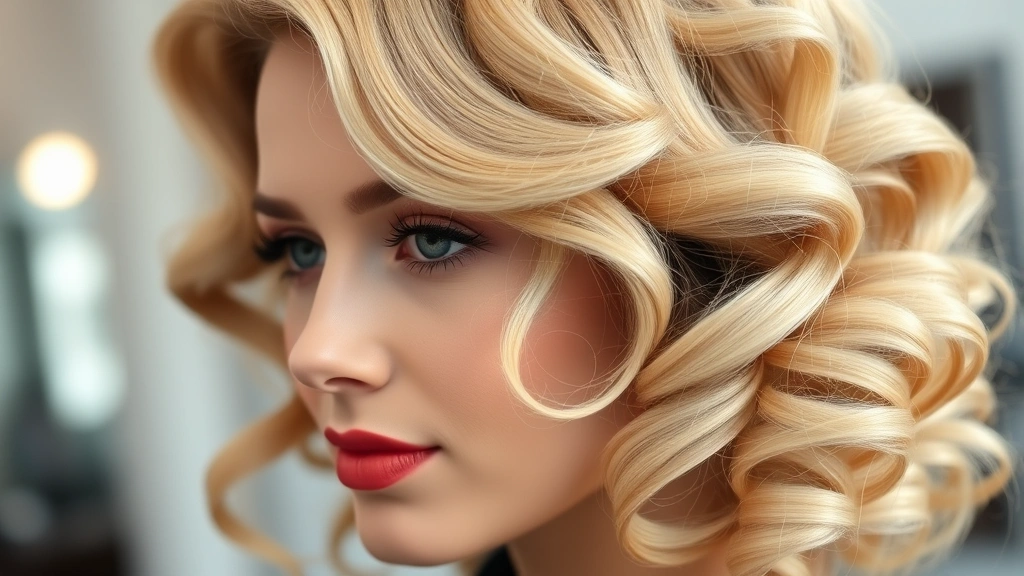
The influence of Hollywood cannot be overstated when discussing 50s hair fashion. Actresses like Audrey Hepburn, Grace Kelly, and Marilyn Monroe became style icons whose hairstyles were meticulously recreated by women across America and beyond. The blonde bombshell aesthetic, characterized by voluminous curls and dramatic waves, became synonymous with desirability and glamour. Simultaneously, the rise of television meant that beauty standards were broadcast directly into living rooms, making hairstyling a form of popular entertainment and aspiration.
Professional salon visits became a weekly ritual for many women during this era. The salon wasn’t just a place to get hair done—it was a social destination where women could relax, gossip, and emerge looking completely transformed. This emphasis on professional styling and maintenance meant that 50s hair fashion required significant time and financial investment, which itself became a status symbol.
Victory Rolls: The Signature Style
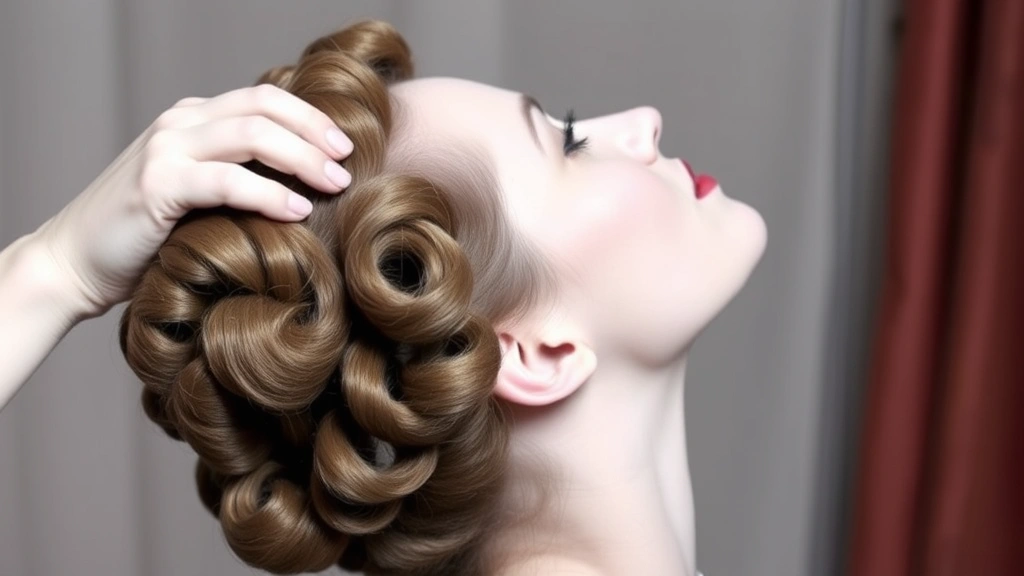
Victory rolls represent perhaps the most iconic and recognizable style of 50s hair fashion, though their origins actually date back to the 1940s. These distinctive spiral curls, rolled upward on either side of the head, created a bold and unmistakably vintage silhouette. The name itself references the victory rolls performed by military aircraft during World War II, making this style a patriotic choice that evolved into a fashion statement.
Creating authentic victory rolls requires precision, patience, and practice. The process begins with sectioning clean, damp hair into two equal parts down the center of the head. Each section is then rolled tightly upward, with the curl pinned in place at the crown. The signature look features the rolls positioned vertically, creating height and visual drama. What made victory rolls particularly appealing in the 1950s was their versatility—they could be dressed up for special occasions or worn as an everyday style that still conveyed sophistication.
The structural integrity of victory rolls depended heavily on proper setting products and techniques. Women would apply setting lotions before rolling their hair, ensuring the curls held throughout the day. The rolls could be combined with various hairstyles—worn with the back hair left down in waves, pinned up in an elaborate updo, or even with the back section styled in pin curls for maximum volume and texture.
For those interested in mastering this classic look, understanding the relationship between hair type, product formulation, and styling tools becomes essential. Thicker hair required more product and firmer pinning, while finer hair benefited from lighter setting solutions that wouldn’t weigh the style down.
Pin Curls and Setting Techniques
Pin curls formed the foundation of most 50s hair fashion styles, serving as the primary method for creating the voluminous, structured curls that defined the decade. Unlike modern heat-styling tools, women of the 1950s relied entirely on wet-setting techniques, which meant that pin curl placement, size, and tension directly determined the final result. This method actually produced incredibly long-lasting curls that could maintain their shape for several days with proper care.
The pin curl process began with freshly shampooed hair. Women would apply a setting lotion throughout, then section their hair into manageable portions. Each section would be rolled around the finger or a curling rod, then secured with a metal or plastic pin at the base. The size of the curl determined the final wave pattern—larger curls created soft, flowing waves, while smaller, tighter curls produced the structured, sculptural look favored for more formal occasions.
Setting patterns varied depending on the desired outcome. The spiral setting created uniform waves across the entire head, while pin curl waves could be arranged to follow the natural contours of the face. Some women used a combination of techniques, creating victory rolls at the front with pin curls in the back, or alternating curl directions to produce dimensional, textured waves.
The time investment for proper pin curling was substantial. A full head of pin curls could take thirty minutes to an hour to set, and then the hair had to dry completely—either naturally overnight or under a hood dryer at the salon. Once dry, women would carefully remove the pins and either finger-comb the curls into place or use a teasing brush to create additional volume and texture. Many women slept in their pin curls, protecting them with a silk scarf or bonnet to prevent disruption during the night.
The Poodle Cut and Modern Variations
The poodle cut emerged in the mid-1950s as a shorter, more practical alternative to the elaborate updos and long styles that had dominated earlier in the decade. This style featured tightly permed curls that created a rounded, voluminous silhouette reminiscent of a poodle’s groomed coat—hence the name. The poodle cut represented a shift toward modernized beauty standards that balanced femininity with practicality.
The poodle cut required a permanent wave or perm to achieve its characteristic texture. This chemical process allowed women to maintain the curly style with minimal daily styling effort, making it appealing to busy women who still wanted to look fashionable. The cut itself was quite short, usually chin-length or shorter, and the permed texture meant that hair could be quickly finger-combed into place after shampooing.
What made the poodle cut particularly interesting from a beauty history perspective is how it represented an evolution in 50s hair fashion toward more wearable, maintenance-friendly styles. While early 1950s styles required weekly salon visits and nightly pin curling, the poodle cut could be maintained with less frequent salon visits and daily styling that took only minutes. This democratization of style meant that women without the time or financial resources for elaborate weekly salon treatments could still achieve a fashionable, contemporary look.
Modern interpretations of the poodle cut have experienced a resurgence in recent years, with contemporary stylists adapting the concept for current beauty standards. Today’s versions often feature softer curls, more textured variations, and blended lengths that create a more flattering silhouette while maintaining the essence of the original 1950s style.
Finger Waves and Glamorous Styling
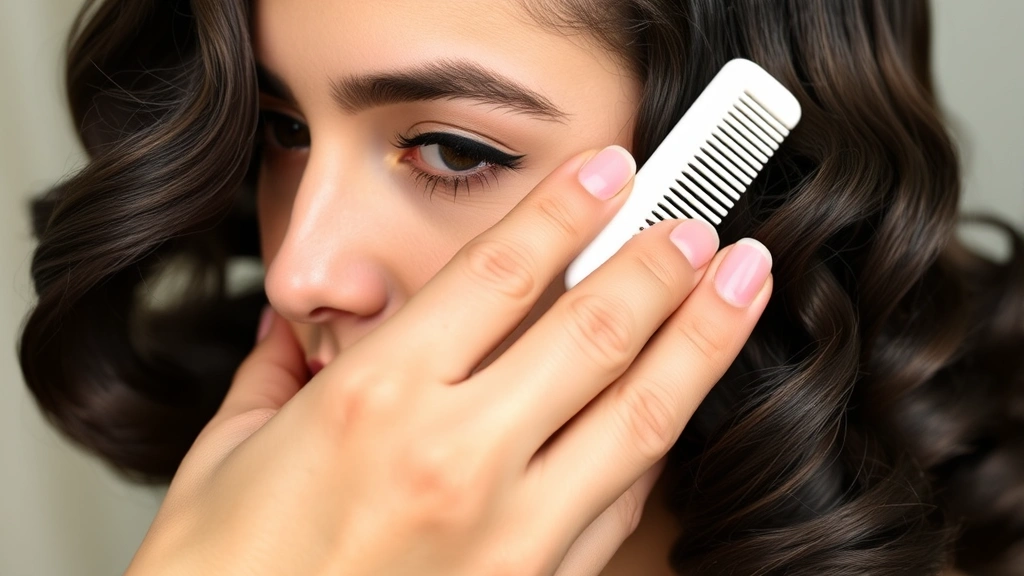
Finger waves represented another cornerstone technique of 50s hair fashion, particularly for creating the sleek, sophisticated waves associated with Old Hollywood glamour. This technique involved using only fingers, a comb, and setting lotion to create S-shaped waves that lay close to the head. When executed perfectly, finger waves produced an incredibly elegant, polished appearance that conveyed both sophistication and femininity.
Creating finger waves required considerable skill and practice. The stylist would apply setting lotion to damp hair, then use a fine-tooth comb to direct the hair into wave formations. Using only the fingers and comb—no heat tools—they would guide the hair into the desired S-pattern, then secure it with pins while the lotion dried. The result was a style that hugged the head closely, creating clean lines and visible wave patterns that could be arranged in various configurations.
Finger waves could be worn in multiple ways. Some women wore them as a complete hairstyle, with waves covering the entire head in an intricate pattern. Others combined finger waves with updos, creating waves at the front and sides while pinning the back section up for an elegant evening look. The versatility of this technique made it a staple in every professional stylist’s repertoire.
The relationship between hair texture, moisture content, and setting products was crucial for successful finger waving. Finer hair responded beautifully to this technique, while coarser hair required more product and sometimes additional styling methods to achieve the desired effect. Professional stylists developed an intuitive understanding of how different hair types behaved, allowing them to customize their approach for each client.
Products and Tools of the Era
Understanding 50s hair fashion requires knowledge of the specific products and tools that made these styles possible. The cosmetic industry of the 1950s was experiencing rapid innovation, with new products being introduced regularly to meet the growing demand for beauty solutions. Unlike modern hair care, which emphasizes conditioning and hair health, 1950s products prioritized hold, structure, and lasting style.
Setting lotions were absolutely essential to 50s hair fashion. These products, typically made from gum arabic, gelatin, or synthetic polymers, provided the hold necessary to maintain curls throughout the day or night. Women would apply setting lotion to damp hair before pin curling or finger waving, and the lotion would dry to create a flexible but firm structure. Brands like Toni and Lilt offered home permanent wave kits, democratizing access to the permed curls that had previously required expensive salon treatments.
Hair oils and pomades served different purposes in the 1950s beauty routine. While some women used oils to add shine and smoothness to their waves, others preferred the matte finish that came from not using additional products. Pomades were particularly useful for men’s hairstyles but also appeared in some women’s styling routines, particularly for creating sleek, controlled waves.
The tools of the era included metal pin curls in various sizes, fine-tooth combs for creating finger waves, and hood dryers that could be found in every salon. Many women invested in home hood dryers, which allowed them to set their hair at home and dry it while reading or doing other activities. Curling irons heated on stove tops or electric plates provided an alternative styling method, though they were generally less precise than pin curling for creating the structured waves favored during this period.
Modern recreations of vintage styling products have emerged as consumers have developed renewed interest in 1950s aesthetics. Contemporary formulations aim to capture the holding power of original products while incorporating modern hair-health benefits.
Recreating 50s Hair at Home
For those interested in recreating authentic 50s hair fashion for special occasions or simply as a fun styling challenge, several approaches can work effectively. The key is understanding that these styles require preparation, patience, and proper products. Modern beauty enthusiasts have access to both vintage-inspired products and contemporary tools that can help achieve authentic results.
Step-by-step pin curl technique: Begin with freshly shampooed, damp hair. Apply a setting lotion throughout, distributing it evenly. Divide hair into sections using clips. Taking one section at a time, wrap hair around your finger or a curling rod, then secure with a pin. Work methodically through all sections. Allow hair to dry completely—this can take several hours or overnight. Once dry, carefully remove pins and finger-comb curls into your desired shape. Use a light hairspray to set the final style.
Victory roll creation: Shampoo and dry your hair completely. Create a center part. Section one side of your hair away from the other. Beginning at the front, roll the section tightly upward, securing with pins as you go. Repeat on the other side. Style the back section according to your preference—leave it down in waves, pin it up, or create additional curls. Finish with hairspray.
Finger wave technique: Apply setting lotion to damp hair. Using a fine-tooth comb, create S-shaped waves by directing the hair with your fingers. Secure waves with pins while they dry. This technique benefits from practice—don’t be discouraged if your first attempts aren’t perfect. Modern stylists who specialize in vintage hairstyles often offer tutorials and workshops for those wanting to master these techniques.
For those without the time or inclination to set their own hair, many contemporary salons now offer vintage styling services. Stylists trained in 1950s techniques can recreate authentic looks for weddings, parties, or special events. This option provides professional results without requiring home practice.
The relationship between personal beauty choices and self-expression remains relevant today. Whether you’re recreating 50s hair fashion for authenticity or adaptation, the process itself becomes a form of creative engagement with beauty history. Modern technology and product innovation mean that contemporary recreations can be more comfortable and healthier for your hair than original 1950s methods, while still capturing the essence of these iconic styles.
When attempting these styles, invest in quality products specifically designed for vintage styling. Modern setting lotions formulated for hold without damage work better than many original products. Silk pins and bobby pins designed for secure holding without snagging will protect your hair. If you have fine or fragile hair, consult with a professional stylist before attempting extensive pin curling, as the tension required can potentially cause damage.
FAQ
What made 1950s hairstyles so elaborate and time-consuming?
The 1950s emphasized femininity and meticulous grooming as cultural ideals. Without modern heat-styling tools, women relied on wet-setting techniques that required hours to dry. The social importance of appearance, combined with limited styling technology, meant that elaborate styles represented both beauty and status. Women invested significant time in their appearance as a form of self-care and social participation.
Can I recreate 50s hair fashion with modern tools like blow dryers and curling irons?
Absolutely! While traditional 1950s styling used pin curls and setting lotions exclusively, modern tools can achieve similar results more quickly. A blow dryer with a concentrator nozzle can dry pin curls faster, and modern curling irons can create the wave patterns characteristic of the era. The key is understanding the desired silhouette and texture, then using whatever tools work best for your hair type and lifestyle.
Which 50s hairstyle would work best for fine or thin hair?
Finger waves and softer pin curls work beautifully for fine hair, as they don’t require the tension of tighter curls. The poodle cut also suits fine hair well, as the permed texture creates the illusion of volume without requiring elaborate setting techniques. Avoid very tight victory rolls if your hair is fragile, as the pulling can cause breakage.
What products do modern stylists recommend for achieving authentic 1950s looks?
Contemporary setting lotions designed for vintage styling provide excellent hold without the potential damage of original formulations. Brands like Camille Rose and Aunt Jackie’s offer products inspired by vintage aesthetics. Professional stylists often recommend lightweight hairsprays and gel-based setting products that provide hold while allowing flexibility for styling.
How long would a professionally styled 50s hairstyle typically last?
A professionally set style could last three to five days with proper care. Women would sleep in pin curls or bonnets to preserve their waves. Modern recreations, particularly those using contemporary products, often last two to three days before requiring refreshing. Sleeping on a silk pillowcase helps maintain style longevity.
Were there different 50s hair fashion styles for different occasions?
Yes, absolutely. Everyday styles tended to be simpler—perhaps a poodle cut or soft waves. Special occasions called for more elaborate updos, victory rolls, or intricate finger-wave patterns. Professional women sometimes wore styles that balanced femininity with practicality. The era offered surprising diversity in styling choices, though all maintained the characteristic volume and structure that defined the decade.

Related Posts
Perfect Old Fashioned Donut: Baker’s Secrets
Old Fashioned Chocolate Pie Recipe? Chef’s Favorite