50s Fashion for Men: Expert Styling Tips
50s Fashion for Men: Expert Styling Tips
The 1950s represent one of the most iconic and influential decades in men’s fashion history. This era brought a perfect blend of sophistication, rebellion, and timeless elegance that continues to inspire modern style enthusiasts today. Whether you’re drawn to the clean-cut Ivy League aesthetic, the rebellious greaser look, or the polished business casual vibe, 50s fashion for men offers something for every personality and occasion.
Understanding 50s men’s style goes beyond simply throwing on vintage pieces—it’s about capturing the essence of an era when menswear was undergoing a dramatic transformation. Post-war prosperity fueled a desire for quality tailoring, bold colors, and distinctive silhouettes that broke away from previous decades’ conventions. The decade saw the rise of teen culture, Hollywood influence, and a growing middle class that had disposable income to invest in their wardrobes.
This comprehensive guide will walk you through the essential elements of authentic 50s fashion for men, providing practical styling tips you can incorporate into your wardrobe today. From understanding the key silhouettes to mastering color palettes and accessories, you’ll learn how to channel this legendary era with confidence and authenticity.
Understanding 50s Silhouettes and Fits
The foundation of authentic 50s fashion for men lies in understanding the distinctive silhouettes that defined the decade. The most characteristic shape featured broad, structured shoulders that created a powerful frame, paired with a tapered waist and slightly cropped leg length. This silhouette emphasized the masculine form while maintaining an elegant, refined appearance.
The key to nailing 50s fits is recognizing that tailoring was paramount during this era. Suits featured high button stances—typically three-button or two-button designs—with lapels that were neither too wide nor too narrow. The jacket length fell just below the knuckles, and the overall construction prioritized structure and definition. Trousers featured a higher rise than modern standards, typically sitting at or above the natural waist, with a straight leg that gently tapered at the ankle.
When shopping for 50s-inspired pieces today, focus on finding garments with structured shoulders and defined waistlines. Many modern brands offer “vintage-inspired” collections that capture this aesthetic without requiring you to hunt through thrift stores exclusively. The fit should feel snug through the chest and waist while allowing freedom of movement—this is not about restrictive clothing, but rather intentional tailoring that flatters the body.
Understanding how human environment interaction shaped fashion trends helps contextualize why 50s silhouettes looked the way they did. Post-war manufacturing capabilities and social attitudes toward masculinity directly influenced design choices. The prosperity of the era meant that quality construction and attention to detail were accessible to the average man, not just the wealthy elite.
Essential Clothing Pieces for Authentic Style
Building an authentic 50s wardrobe requires understanding which pieces form the foundation of the era’s aesthetic. Let’s explore the essential garments that defined 50s men’s fashion:
Sport Coats and Blazers: The sport coat was the workhorse of 50s menswear. Unlike modern blazers, 50s sport coats featured more texture, bolder colors, and interesting patterns. Tweed, herringbone, and glen plaid were popular choices. A well-fitted sport coat in navy, charcoal, or earth tones serves as the anchor piece for countless outfits.
Suits: The classic suit remains non-negotiable for authentic 50s style. Single-breasted suits with two or three buttons dominated the decade. Look for suits with subtle patterns—thin stripes, windowpane checks, or solid colors in jewel tones and pastels. The key is ensuring proper tailoring to achieve that signature tapered silhouette.
Dress Shirts: Crisp cotton dress shirts in white, light blue, and pastel shades were staples. The 50s saw the introduction of the button-down collar shirt, which became particularly popular in the Ivy League aesthetic. Look for shirts with a slight sheen that suggests quality fabric. Point collars and spread collars were both common.
Casual Shirts: Bowling shirts, camp collar shirts, and Hawaiian prints represented the casual side of 50s fashion. These short-sleeved shirts featured bold colors and geometric patterns. Plaid and striped casual shirts offered more versatile options for everyday wear.
Trousers: Beyond suit trousers, standalone dress pants in neutral colors were essential. Khakis, charcoal, and navy options provided versatility. Chinos in tan, olive, and even pastel shades worked for more casual occasions. The high-waisted, tapered cut was consistent across all trouser styles.
Sweaters and Cardigans: Wool cardigans, crew neck sweaters, and v-neck designs provided layering options. Argyle patterns, cable knits, and solid colors in jewel tones were particularly popular. The cardigan worn open over a dress shirt created a distinctly 50s silhouette.
The Ecorise Daily Blog explores how consumer culture evolved, which directly impacted fashion accessibility. The 1950s marked a turning point where average men could afford quality garments, fundamentally changing how menswear was designed and marketed.
Denim: James Dean and Marlon Brando popularized denim as a symbol of rebellion. Dark indigo jeans, worn with white t-shirts, became iconic. The fit was typically a straight leg with a higher waist than contemporary styles. Denim jackets, often adorned with studs and embroidery, completed the greaser aesthetic.
Color Palettes and Patterns
Color selection separates authentic 50s style from generic vintage attempts. The decade embraced both bold, saturated hues and soft pastels—often within the same outfit. Understanding color trends of the era is crucial for achieving genuine 50s fashion.
Classic Neutrals: Navy, charcoal, gray, black, tan, and cream formed the foundation of most 50s wardrobes. These colors provided versatility and worked across all aesthetic categories. A charcoal suit could transition from boardroom to evening with simple accessory changes.
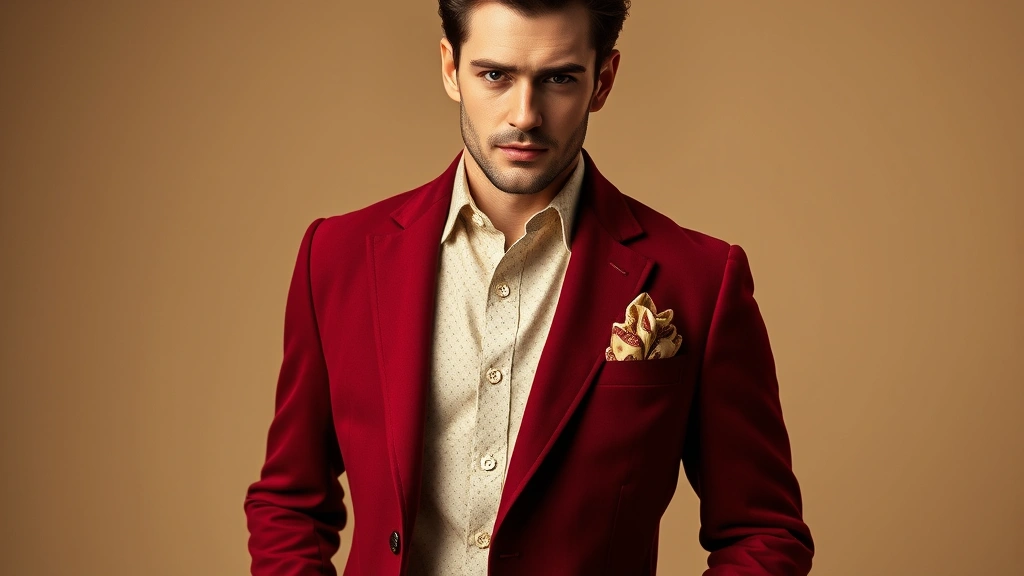
Bold Jewel Tones: Emerald green, sapphire blue, and burgundy represented the more daring side of 50s color choices. These rich colors appeared in sport coats, shirts, and sweaters, often paired with neutral trousers for balance.
Pastels and Soft Shades: Mint green, pale pink, soft yellow, and light blue offered a lighter alternative. These colors dominated casual wear and represented the optimistic, youthful spirit of the decade. Pastel shirts paired with darker trousers created a sophisticated yet approachable look.
Pattern Mastery: The 50s embraced patterns boldly. Herringbone, tweed, plaid, gingham, argyle, and houndstooth appeared throughout the decade’s garments. Horizontal stripes, thin vertical stripes, and geometric prints were particularly common. The key was ensuring patterns didn’t clash—typically, one patterned piece anchored an outfit while other elements remained solid.
Contrasting Combinations: 50s style often featured unexpected color combinations. A burgundy sport coat with khaki trousers, or a mint green shirt with charcoal suit, created visual interest while maintaining sophistication. This willingness to experiment with color separated the stylish from the conservative.
Footwear and Accessories
Details elevate 50s fashion from costume to authentic style. Footwear and accessories deserve careful consideration when building your wardrobe.
Essential Shoes: Oxford shoes in black, brown, and burgundy provided formal options. Loafers, particularly penny loafers, offered a more relaxed alternative suitable for casual occasions. White bucks—cream-colored suede shoes—represented youthful, fashionable style. Saddle shoes, with contrasting color blocking, embodied the playful side of 50s footwear. For a greaser aesthetic, white leather sneakers or motorcycle boots were essential.
Socks: Socks deserve more attention than modern menswear typically affords them. Colorful, patterned socks in argyle, stripes, and geometric designs were visible and celebrated. Matching socks to shirt colors or creating complementary color combinations added sophistication. Avoid athletic socks—opt for dress socks with texture and personality.
Hats: The fedora, trilby, and Panama hat represented classic 50s style. Felt hats in gray, tan, and black worked with dress wear, while straw hats suited summer occasions. The hat provided both practical sun protection and a statement of style. Younger men sometimes wore baseball caps or beanies for casual wear.
Ties and Neckwear: Ties featured bold patterns and rich colors. Skinny ties, particularly in the early 50s, gave way to slightly wider widths later in the decade. Knit ties, bow ties, and bolo ties offered alternatives. String ties with turquoise or silver slides represented Western-influenced style. The tie clip or bar, often silver or gold, secured the tie and added a functional accessory element.
Belts: Quality leather belts in brown, black, and cordovan were essential. The belt buckle received attention—silver, gold, or brass finishes worked depending on the overall outfit. Western-style buckles with ornate designs suited casual wear.
Watches and Jewelry: A quality watch served as both functional tool and status symbol. Stainless steel or gold-plated watches with clean, classic designs were preferred. Rings were minimal—perhaps a wedding band or class ring. Cufflinks and tie clips in silver or gold added polish to formal wear.
Hairstyles and Grooming
50s fashion extends beyond clothing to encompass grooming and hairstyle choices. The decade’s distinctive looks were as much about hair as about garments.
The Greaser Look: Slicked-back hair, heavily pomaded and styled with a pronounced wave, defined the rebellious greaser aesthetic popularized by James Dean and Marlon Brando. Hair was typically longer on top, shorter on the sides, and styled with products that created shine and hold. The ducktail—a style where hair was combed back and up on both sides—represented an extreme version of this look.
The Ivy League Cut: Conservative, preppy style called for shorter, neater hair. The crew cut—very short on the sides and back with slightly longer hair on top—represented the ultimate Ivy League choice. The side part, with hair neatly combed and held with minimal product, conveyed education and refinement.
The Flat Top: A distinctive military-influenced style featuring flat, cropped hair on top, the flat top worked across different style categories. It projected confidence and strength while remaining neat and respectable.
Grooming Essentials: Facial hair was largely absent in 50s style—clean-shaven faces were the norm for most occasions. However, a light five o’clock shadow could work for greasier aesthetics. Eyebrows were typically natural and well-groomed. Skincare, while less discussed than today, was important—clean skin and a healthy complexion were expected.
Product Choices: Hair pomade, brilliantine, and Brylcreem provided styling hold and shine. These products were specifically designed for men’s hair and created the distinctive appearance of 50s styles. The smell of these products became iconic, associated with masculine grooming of the era.
Styling Different 50s Aesthetics
The beauty of 50s fashion lies in its diversity. Different subcultures and social groups adopted distinct styles, each valid and authentic to the era.
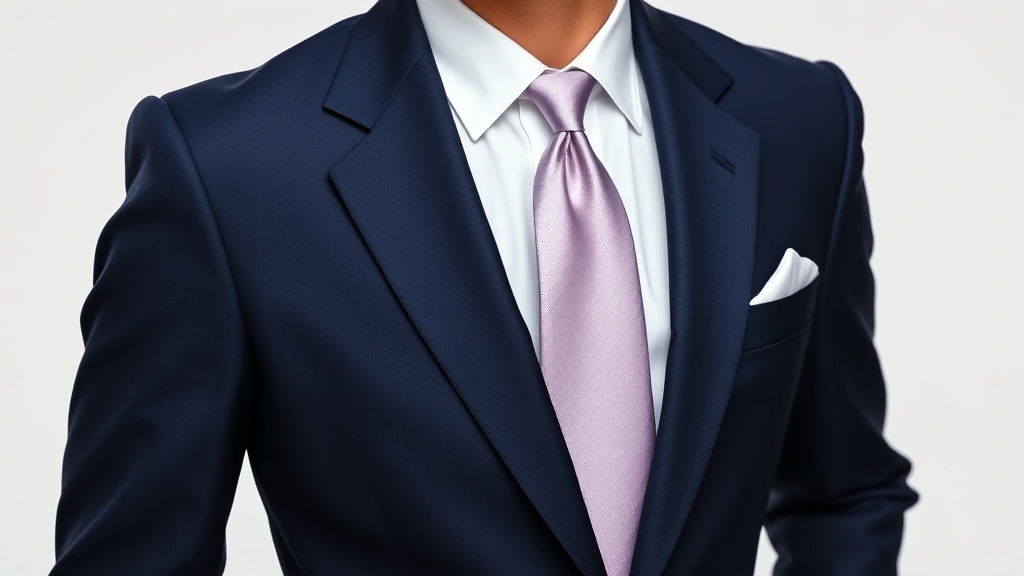
The Ivy League Look: This preppy, conservative aesthetic emphasized quality and restraint. Start with a well-tailored navy or charcoal suit. Pair it with a white or light blue button-down dress shirt. Add a silk tie in a subtle pattern or solid color. Finish with oxfords or loafers in brown or black. A crew neck sweater over the shirt, sleeves pushed up slightly, added casual sophistication. Minimal jewelry, a quality watch, and a leather belt completed the look. This aesthetic emphasized education, refinement, and traditional values.
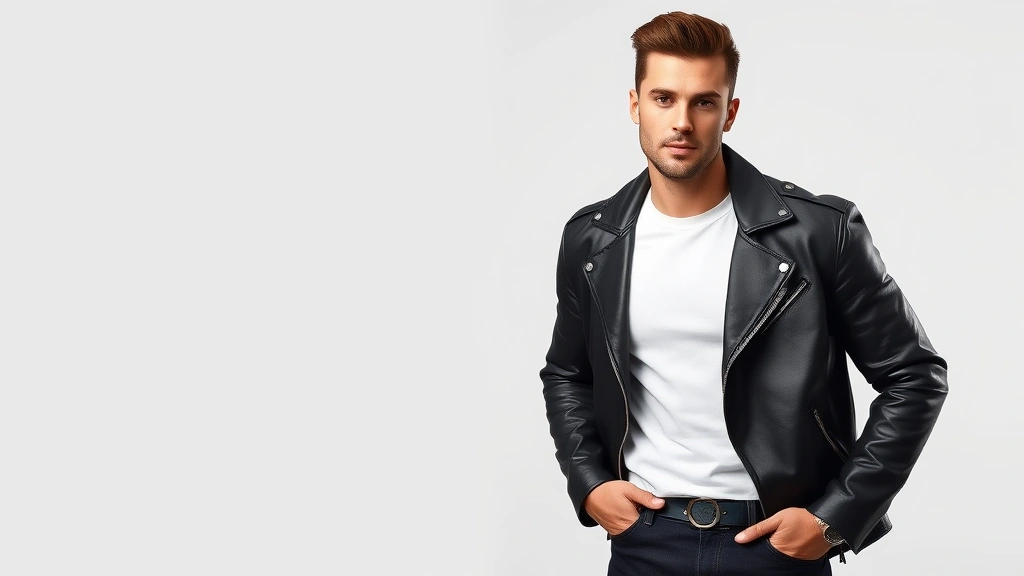
The Greaser Style: Bold, rebellious, and youth-focused, the greaser aesthetic rejected conservative norms. Dark indigo jeans, cuffed at the ankle, paired with a white t-shirt formed the foundation. A black leather jacket, studded or embellished, completed the iconic look. White sneakers or black motorcycle boots worked equally well. A bandana in the back pocket, slicked-back hair, and a cigarette pack rolled into the t-shirt sleeve finished the rebellious image. This look represented youthful defiance and working-class authenticity.
The Business Professional: For work and formal occasions, a well-tailored suit in neutral colors was essential. A crisp dress shirt, quality tie, and polished shoes conveyed competence and reliability. A pocket watch chain, cufflinks, and a quality leather briefcase added professional touches. The business look emphasized stability and success—the promise of post-war prosperity.
The Casual Sportsman: For weekend activities, a bowling shirt in bold colors and patterns paired with khakis created an approachable, friendly aesthetic. A light sport coat over a casual shirt worked for less formal occasions. Loafers or casual leather shoes completed the look. This style suggested leisure time and disposable income—the ability to enjoy life beyond work.
The Western-Influenced Style: Particularly popular in certain regions, Western wear influenced 50s fashion. Pearl-snap shirts, bolo ties with turquoise or silver, jeans, and cowboy boots created a distinctive look. This aesthetic celebrated American frontier mythology and regional pride.
Modern Integration Tips
You don’t need to dress like you stepped out of a time machine to incorporate 50s style into your modern wardrobe. Strategic integration allows you to capture the era’s best elements while remaining contemporary.
Build Your Foundation: Start by investing in well-tailored pieces with structured shoulders and defined waistlines. A quality navy sport coat serves as an anchor piece that works with modern and vintage items alike. Build outfits around this foundation, gradually adding 50s-specific pieces as your comfort grows.
Mix Eras Thoughtfully: Pairing a 50s-inspired sport coat with modern jeans creates a balanced look that honors the era without appearing costume-like. A vintage-style tie with a contemporary dress shirt works beautifully. The key is ensuring one era dominates while the other provides subtle influence.
Update Silhouettes: Modern tailoring can capture 50s essence without exact replication. A contemporary suit with slightly structured shoulders and a tapered waist channels 50s style without appearing dated. Brands now offer vintage-inspired collections that blend 50s aesthetics with modern comfort and construction.
Accessory Strategy: Accessories offer the easiest entry point for 50s style. A vintage-inspired watch, quality leather belt, and patterned socks add character without committing to full period dress. A fedora or trilby can complete outfits while remaining fashionable in contemporary contexts.
Understand Context: 50s style works beautifully for specific occasions—cocktail parties, vintage-themed events, retro diners, or simply expressing personal style. Understanding when and where 50s fashion makes sense prevents it from feeling out of place in modern settings.
Quality Over Quantity: The 50s valued quality construction and lasting garments. Investing in fewer, better-made pieces honors this philosophy while ensuring your wardrobe actually lasts. This approach also aligns with sustainability principles—purchasing durable clothing reduces consumption and waste.
Learning about positive human impact on the environment includes understanding sustainable fashion practices. The 50s culture of quality, durable goods actually represents a more sustainable approach than contemporary fast fashion. By embracing 50s values of longevity and craftsmanship, you’re making environmentally conscious choices.
FAQ
What’s the difference between Ivy League and greaser 50s style?
Ivy League style emphasized conservative, preppy aesthetics with structured suits, button-down shirts, and minimal jewelry. Greaser style rejected these norms, embracing leather jackets, jeans, and rebellious attitude. Both are authentically 50s but represent opposing cultural values—establishment versus counterculture.
Where can I find authentic 50s clothing today?
Thrift stores, vintage boutiques, and online retailers specializing in vintage menswear offer authentic pieces. Brands like Levi’s, Dockers, and heritage menswear companies also produce modern reproductions that capture 50s aesthetics. A good tailor can adjust vintage finds for proper fit.
How do I avoid looking like I’m wearing a costume?
Balance is key. Mix 50s pieces with modern items, ensure proper fit through tailoring, and understand the context where you’re wearing the outfit. Avoid going “full costume” by keeping some contemporary elements. A 50s sport coat with modern jeans reads as stylish, not costume-like.
Are there 50s styles that work for different body types?
Absolutely. While 50s silhouettes featured structured shoulders and tapered waists, variations existed. Broader men could wear looser-fitting sport coats, while slimmer men could emphasize the tapered silhouette. Working with a good tailor ensures 50s style flatters your specific body type rather than fighting against it.
What’s essential versus optional for 50s style?
Essential elements include proper fit with structured shoulders, tapered waistline, and appropriate proportions. Optional elements include specific accessories, patterns, or the most extreme style choices. You can capture 50s essence with just a well-fitted suit and quality shoes—everything else builds on that foundation.
How do I style 50s fashion for different seasons?
Summer calls for lighter fabrics—cotton suits, short-sleeved shirts, Panama hats, and white bucks. Spring and fall work with light wool blazers and layering pieces like cardigans. Winter requires heavier fabrics—wool suits, overcoats, sweaters, and fedoras. The silhouettes remain consistent; fabrics and layering adjust seasonally.
Can I wear 50s style to work?
Depending on your workplace, absolutely. The business professional 50s aesthetic—well-tailored suits, quality dress shirts, and polished shoes—works in most office environments. Even more casual workplaces can incorporate 50s elements through accessories or sport coats. Context and dress code should guide your choices.
What external resources help understand 50s menswear better?
Publications like Esquire and GQ feature articles on vintage style and menswear history. Fashion historians and vintage menswear experts share knowledge through blogs and YouTube channels. Museums with fashion collections sometimes feature 50s exhibits that provide authentic visual reference.

Related Posts

Perfect Old Fashioned Donut: Baker’s Secrets
Old Fashioned Chocolate Pie Recipe? Chef’s Favorite