2007 Makeup Trends: What Experts Remember
2007 Makeup Trends: What Experts Remember
The year 2007 marked a pivotal moment in beauty history, when makeup artistry embraced bold experimentation and celebrity culture reached unprecedented influence over cosmetic choices. From smoky eyes that dominated red carpets to the rise of contouring techniques that would reshape the industry, this era established foundational trends that continue to influence modern beauty. Beauty editors, professional makeup artists, and dermatologists still reference 2007 as a turning point when makeup became more about artistic expression and less about conventional rules.
What made 2007 particularly special wasn’t just the trends themselves, but how they democratized high-fashion beauty for everyday consumers. YouTube beauty tutorials were gaining momentum, celebrity makeup looks became instantly replicable, and the indie beauty movement was quietly building momentum. Whether you’re nostalgic for this era or discovering these techniques for the first time, understanding 2007 makeup trends provides valuable context for today’s beauty landscape and reveals how cyclical fashion truly is.
The Smoky Eye Revolution
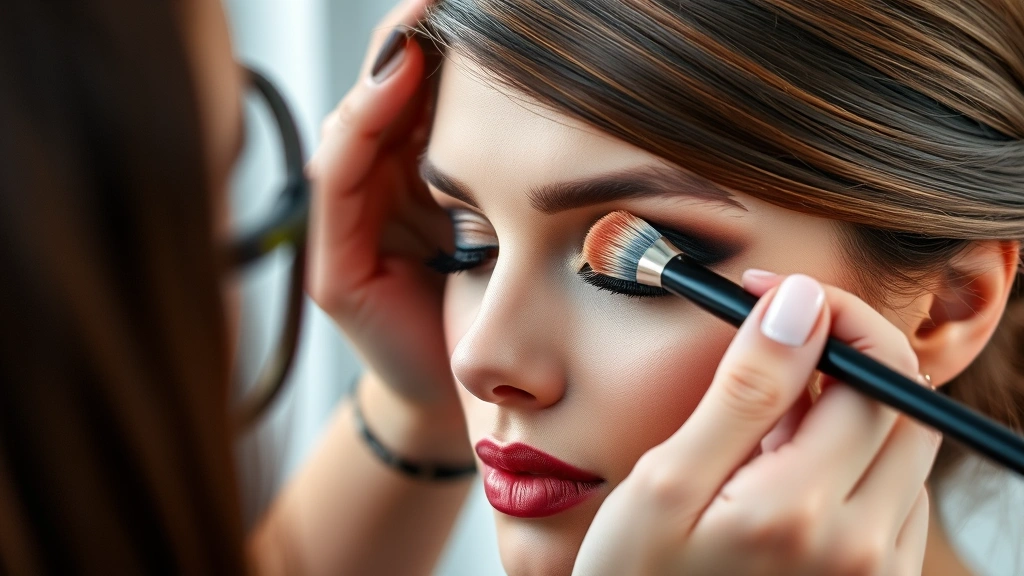
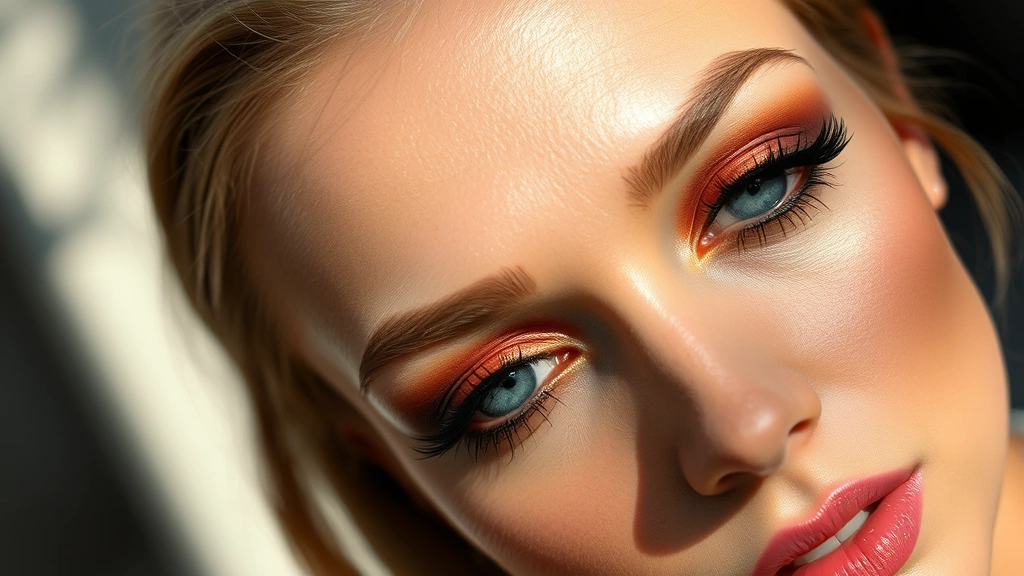
The smoky eye wasn’t invented in 2007, but it absolutely dominated the year in ways that transformed it into a signature look of the decade. Professional makeup artists credit this period with perfecting the technique and making it accessible to mainstream audiences. The smoky eye represented a departure from the lighter, more neutral eyeshadows of the early 2000s, introducing drama and sophistication to everyday makeup routines.
What made the 2007 smoky eye distinctive was its emphasis on gradient blending and the use of multiple shades in harmony. Makeup artists would layer charcoal, taupe, bronze, and black eyeshadows, creating a seamless transition from lid to brow bone. The technique required skill and patience, but tutorials were becoming increasingly available online, allowing beauty enthusiasts to practice and perfect their application. According to Allure Magazine, the smoky eye became the most requested look at professional makeup counters during this period.
The beauty of the smoky eye was its versatility. It could be worn casually with neutral lips for daytime or intensified with darker shades and liner for evening wear. This adaptability made it perfect for the diverse social landscape of 2007, whether you were attending a casual brunch or a formal event. The technique also worked across different skin tones when makeup artists adjusted their shade selections appropriately, making it truly universal.
Blending tools became essential during this era. While many artists used brushes, the beauty sponge—particularly the damp application method—gained significant traction for creating seamless transitions. This period saw innovation in makeup brush technology, with brands introducing specialized blending brushes that made the smoky eye more achievable for beginners. Sustainable fashion brands also began emerging with eco-conscious makeup brush options, reflecting growing consumer awareness.
Bold Lip Colors and Glossy Finishes
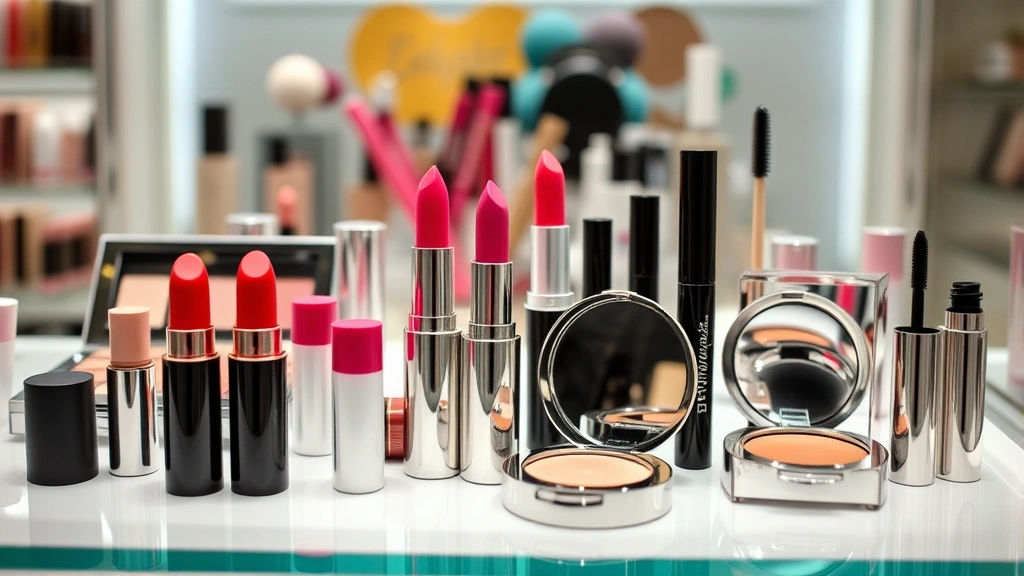
While smoky eyes dominated the eye area, 2007 lips were equally commanding. This was the era of statement lips—whether bold reds, deep plums, or shimmering nudes. The glossy finish reigned supreme, with matte lips considered somewhat dated compared to the reflective, dimensional quality of high-shine formulas. Lip gloss wasn’t just a trend; it was the default finish for most lip applications.
The color palette of 2007 lips reflected the year’s overall aesthetic sensibility. Rich berry tones were particularly popular, offering sophistication while maintaining the playfulness the era was known for. Nude glosses with subtle shimmer became the safe choice for professional settings, while deeper tones emerged for evening occasions. Makeup artists frequently combined lip liners with glosses, creating defined lips with enhanced dimension and longevity.
Volumizing lip glosses gained popularity during this time, with formulations designed to create a plumper appearance. These products often contained ingredients like capsicum or cinnamon that created a mild tingling sensation, giving the illusion of fuller lips. While results were temporary and subtle, the psychological boost of feeling like your lips were enhanced made these glosses bestsellers. Brands competed fiercely to develop the most effective volumizing formulas.
The application technique was equally important as the product itself. Makeup professionals would apply gloss strategically—concentrating more product in the center of the lips to create a gradient effect that enhanced natural fullness. This technique, combined with proper lip liner placement, created the illusion of larger, more defined lips. For those interested in sustainable beauty practices, exploring how to reduce carbon footprint in beauty consumption became relevant as eco-conscious brands emerged.
Bronzed Skin and Contouring Foundations
The bronzed, sun-kissed complexion was quintessentially 2007, representing the era’s aspirational lifestyle of luxury and leisure. While contouring as we know it today hadn’t been formally codified, makeup artists were already using bronzer strategically to create dimension and definition. This foundational work would eventually evolve into the contouring craze that dominated the 2010s.
Bronzer application in 2007 was more about creating an overall warmth and glow rather than precise sculpting. Artists would apply bronzer to the hollows of cheeks, temples, and jawline, but with a lighter hand than contemporary contouring techniques. The goal was subtle enhancement rather than dramatic transformation. Powder bronzers dominated the market, though cream formulations were gaining ground among professional makeup artists who appreciated their blendability.
The foundation landscape of 2007 was shifting toward fuller coverage without appearing heavy. BB creams hadn’t yet invaded Western markets, but tinted moisturizers were becoming increasingly popular for those seeking lighter coverage. For those wanting full coverage, foundations were becoming more sophisticated in their formulations, with better shade ranges and improved staying power. Dermatologists began noting that improved foundation technology was reducing skin irritation for many consumers.
Primer products were beginning to gain prominence during this period, though they hadn’t yet become the essential step they are today. Makeup artists recognized that a good primer could extend wear time and create a smoother canvas for foundation application. This era marked the beginning of the multi-step makeup preparation routine that would become standard practice. The emphasis on skin preparation reflected a broader shift toward viewing makeup application as a skincare-adjacent practice.
Highlighting also emerged during 2007, though it was more subtle than contemporary versions. Rather than the dramatic strobing techniques of later years, 2007 highlights were about creating a natural glow on high points of the face. Shimmer powders applied to cheekbones, brow bones, and the bridge of the nose created a luminous quality that complemented the bronzed aesthetic perfectly.
The Rise of Eyebrow Definition
Eyebrow grooming entered a new era in 2007, moving away from the overly thin brows of the 1990s and early 2000s toward slightly fuller, more defined shapes. This shift reflected broader fashion changes and represented a return to more natural brow architecture. Makeup artists began emphasizing brow structure and shape, recognizing that well-groomed brows could frame the entire face and enhance other makeup elements.
The tools and products available for brow work expanded significantly during this period. While basic eyebrow pencils had existed for decades, 2007 saw the introduction of more sophisticated products like brow powders and tinted gels. Makeup artists could now create more natural-looking brows with better color matching and dimensional application. Dermstore and similar retailers began dedicating entire sections to eyebrow products, reflecting consumer interest in this category.
The professional eyebrow shaping service industry also expanded during 2007. Threading gained popularity as an alternative to waxing, offering precision and longer-lasting results. Makeup artists and beauty professionals began collaborating more closely, recognizing that proper brow shape could completely transform a face’s appearance. This period established the foundation for the eyebrow obsession that would characterize the following decade.
Color selection for brows became more nuanced during this era. Rather than simply matching hair color, makeup artists began considering undertones and skin depth to select the most flattering brow shade. This attention to detail reflected the overall professionalization of makeup artistry and the increasing sophistication of beauty consumers who wanted to understand the reasoning behind product choices.
Mascara Maximalism
Mascara technology advanced significantly in 2007, with brands competing to create formulas that would deliver dramatic lash enhancement. The era celebrated maximalist approaches to mascara application, with multiple coats and specialized brushes designed to separate and volumize individual lashes. This period established mascara as the hero product for many makeup enthusiasts, capable of transforming an entire look.
Waterproof mascaras gained particular prominence during 2007, with celebrities and makeup artists relying on these formulas for red carpet events and long-lasting wear. The technology had improved to the point where waterproof mascaras no longer felt stiff or uncomfortable, making them viable for everyday use. Professional makeup artists often used waterproof formulas even for daytime applications, appreciating their reliability and longevity.
The brush design of mascara wands became increasingly innovative during this period. Spiral brushes, curved brushes, and brushes with varying bristle thicknesses all emerged to address different lash needs. Makeup artists would often apply mascara with multiple products—using a volumizing mascara first, then a lengthening formula, or layering different brushes for enhanced definition. This multi-step approach to mascara application became standard practice among beauty professionals.
Lash primers also began gaining traction during 2007, with products designed to coat lashes before mascara application for enhanced hold and appearance. These primers typically contained conditioning ingredients and created a base that helped mascara adhere more effectively. The development of lash primers reflected the broader trend of multi-step makeup routines and the professionalization of beauty application techniques.
Celebrity Influence on Beauty Standards
Celebrity culture reached fever pitch in 2007, with every red carpet appearance scrutinized by beauty media and replicated by fans. Stars like Nicole Richie, Paris Hilton, and Mischa Barton set trends that influenced makeup choices across demographic groups. The accessibility of celebrity images through magazines, websites, and the emerging social media platforms meant that makeup trends spread faster than ever before.
Reality television also played a crucial role in 2007 makeup trends. Shows like “The Hills” and “Gossip Girl” influenced beauty choices among younger audiences, with viewers attempting to recreate their favorite characters’ looks. Makeup artists working on these productions became influential figures in their own right, with their techniques studied and copied by aspiring beauty professionals and enthusiasts.
The democratization of celebrity makeup knowledge accelerated during 2007 as makeup artists began sharing their techniques more openly. Interviews with celebrity makeup artists revealed the products and methods used to create iconic looks, making high-fashion beauty more accessible to average consumers. This transparency helped bridge the gap between professional makeup artistry and everyday application.
Product Innovations of the Era
2007 brought significant innovations in makeup formulation and product technology. Mineral makeup gained mainstream acceptance during this period, with brands like Bare Minerals revolutionizing the foundation market. These products promised better skin compatibility and easier application, appealing to consumers seeking simpler beauty routines. Dermatologists began studying mineral makeup’s effects on various skin types, generally finding them to be well-tolerated.
Cream shadows and sticks emerged as alternatives to traditional powder formulations, offering easier application and longer wear time. These products became particularly popular among makeup artists working on set, where durability and quick application were essential. The innovation in shadow formulations reflected broader trends toward more user-friendly makeup products that didn’t require extensive blending skills.
Long-wear formulas became increasingly sophisticated during 2007, with brands developing technologies that kept makeup in place throughout the day without frequent touch-ups. These innovations addressed a persistent consumer frustration and represented genuine advances in cosmetic chemistry. The Society of Cosmetic Chemists published research during this period exploring the science behind improved wear time.
Tinted primers gained traction as hybrid products that combined skincare benefits with subtle color correction. These innovations reflected the beauty industry’s movement toward multi-functional products that addressed multiple concerns simultaneously. Consumers appreciated products that simplified their routines while delivering visible results.
The emergence of beauty subscription services and online retailers during 2007 changed how consumers discovered and purchased makeup. Brands that had previously been available only in department stores became accessible through online channels, democratizing access to professional-quality products. This shift in distribution channels influenced which trends gained traction, as consumers could now experiment with products from brands beyond their local retail availability.
FAQ
What was the most iconic 2007 makeup look?
The smoky eye combined with bronzed skin and glossy lips represents the quintessential 2007 makeup look. This combination appeared on countless celebrities and in beauty editorials throughout the year, making it the most recognizable aesthetic of the period.
Are 2007 makeup trends coming back?
Yes, many elements of 2007 makeup are experiencing a resurgence. The smoky eye remains timeless, glossy lips have returned after years of matte dominance, and bronzed skin continues to be popular. Beauty is inherently cyclical, and 2007 aesthetics regularly influence contemporary trends.
How can I recreate 2007 makeup looks with modern products?
Start with a good primer to ensure longevity. Apply eyeshadow in gradients using modern blending techniques. Use contemporary bronzers and highlighters to create dimension. Finish with a glossy lip product and waterproof mascara. Modern formulations are often superior to 2007 products, making recreation easier with better results.
What products from 2007 are still worth using today?
Many cult favorites from 2007 remain excellent choices. Products like Urban Decay eyeshadow palettes, MAC Fix+, and various mascara formulas have maintained their quality and relevance. Exploring products with blog recommendations can help identify which vintage products still deliver results.
Did 2007 makeup techniques influence modern contouring?
Absolutely. The bronzing and dimension-creating techniques of 2007 directly influenced the contouring trend that dominated the 2010s. While 2007 was more subtle, it established the foundational concepts that evolved into contemporary contouring practices.
How did skincare routines differ in 2007 compared to today?
2007 routines were generally simpler, with fewer specialized products. The multi-step Korean beauty routines and elaborate skincare regimens common today hadn’t yet gained mainstream Western adoption. However, the emphasis on primer and skin preparation in 2007 reflected early recognition of skincare’s importance to makeup application.

Related Posts

Perfect Old Fashioned Donut: Baker’s Secrets
Old Fashioned Chocolate Pie Recipe? Chef’s Favorite