2000s Hip Hop Fashion: Makeup Trends Explored
2000s Hip Hop Fashion: Makeup Trends Explored
The 2000s hip hop fashion era wasn’t just about oversized baggy jeans, chain necklaces, and fitted baseball caps—it was a complete cultural movement that transformed makeup aesthetics in ways that still influence beauty trends today. During this golden decade of hip hop, makeup became a powerful form of self-expression and cultural identity, with artists and fans alike embracing bold, statement-making looks that pushed boundaries and challenged conventional beauty standards. From shimmering eyeshadow to defined eyebrows and glossy lips, the makeup trends of 2000s hip hop culture created a distinctive visual language that celebrated confidence, individuality, and unapologetic style.
What made 2000s hip hop makeup particularly revolutionary was its intersection with broader fashion movements and the way it democratized beauty through music videos, magazine spreads, and concert performances. Whether you were inspired by Missy Elliott’s futuristic eye makeup, Nelly’s face paint experiments, or the glamorous looks of female hip hop icons, this era proved that makeup was just as important as any designer piece in completing an authentic hip hop aesthetic. Today, we’re witnessing a resurgence of these iconic trends, with modern makeup artists and beauty enthusiasts rediscovering the bold, fearless approach to cosmetics that defined a generation.
The Golden Era of Hip Hop and Beauty Culture
The 2000s marked a transformative period where hip hop transcended music and became a dominant force in global fashion and beauty standards. This era saw artists like Missy Elliott, Nelly, Usher, and the Ying Yang Twins not only dominating the charts but also setting trends that influenced millions of fans worldwide. Makeup, in particular, became a crucial component of the hip hop aesthetic, with artists using cosmetics to create distinctive visual identities that complemented their musical personas. The beauty industry began to take notice, with major cosmetic brands recognizing the influence of hip hop culture and creating products specifically designed to cater to the bold, vibrant looks that dominated this era.
Unlike previous decades where makeup trends were primarily dictated by high fashion runways and celebrity gossip magazines, the 2000s saw hip hop culture democratize beauty standards. Music videos became the primary platform for makeup inspiration, allowing fans from all socioeconomic backgrounds to access and recreate these looks. The rise of digital media and the early internet made it easier than ever to share makeup tutorials and product recommendations within hip hop communities. This period also coincided with increasing diversity in the beauty industry, with brands finally recognizing that makeup trends weren’t one-size-fits-all and that different skin tones and face shapes required varied approaches to cosmetics.
The connection between sustainable fashion brands and hip hop aesthetics also emerged during this time, as conscious consumers began questioning where their makeup products came from and what ingredients they contained. This awareness laid the groundwork for the modern beauty movement’s emphasis on ethical sourcing and cruelty-free cosmetics.
Iconic Eye Makeup Trends from the 2000s
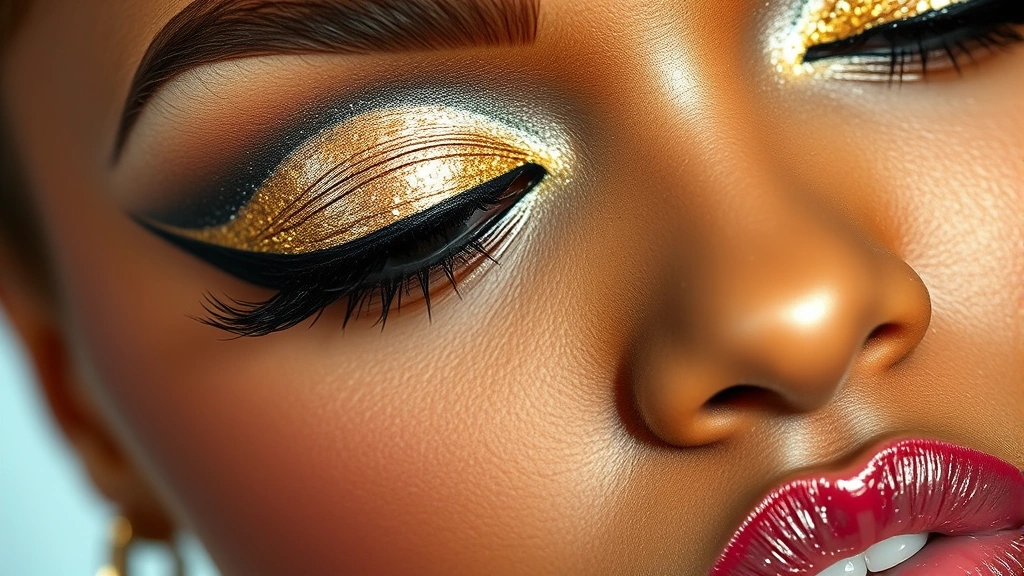
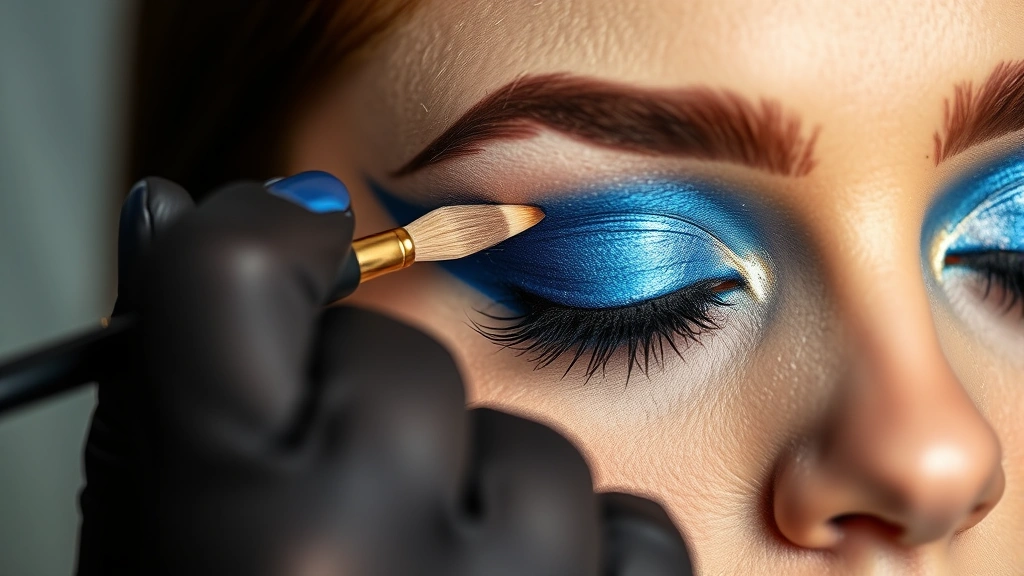
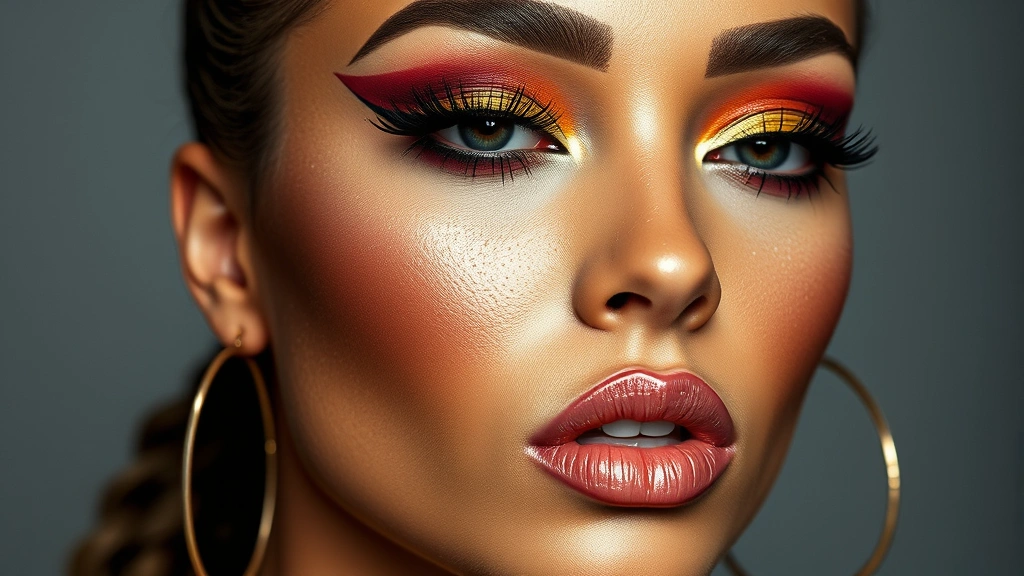
Eye makeup was absolutely central to 2000s hip hop fashion, with bold, shimmering eyeshadow looks becoming the signature of the era. Artists embraced metallic finishes, bright blues, silvers, golds, and even neon colors that would have been considered outrageous in previous decades. Missy Elliott became an icon for futuristic eye makeup, often sporting geometric shapes, holographic finishes, and avant-garde designs that pushed the boundaries of conventional beauty. Her makeup choices weren’t just about aesthetics—they were artistic statements that complemented her innovative music videos and challenged viewers to think differently about what makeup could be.
The eyeshadow application technique during this period often featured bold color blocking, where multiple contrasting shades were applied in distinct sections across the eyelid without blending. This created a striking, graphic effect that was perfect for stage performances and music videos where makeup needed to be visible from a distance. Shimmer and gloss were essential components of 2000s eye makeup, with frosted finishes dominating over matte formulas. Many artists paired bright eyeshadow with heavy black eyeliner, creating dramatic definitions that made eyes pop on camera and in person.
Eyeshadow primers weren’t as sophisticated as they are today, so achieving that long-lasting, vibrant color required layering products and using setting sprays. Makeup artists working with hip hop artists became experts at creating looks that could withstand hours of performing under hot stage lights and in humid environments. The importance of proper makeup preparation techniques became evident during this era, as artists who invested in quality products and professional application maintained their looks throughout performances and events.
Colored eyeliner was another signature element of 2000s hip hop eye makeup. Rather than sticking to traditional black or brown, artists experimented with white, silver, gold, and even colored pencil liners in shades like blue and purple. The waterline—the inner rim of the eye—became a canvas for creative expression, with many artists applying contrasting colors to make their eyes appear larger and more striking. This technique required steady hands and quality products that wouldn’t smudge or irritate sensitive eye areas.
Lip and Gloss Statements in Hip Hop
If eyes were one focal point of 2000s hip hop makeup, lips were equally important in creating the complete aesthetic. Glossy lips dominated this era, with artists favoring shiny, reflective finishes over matte lipsticks. Clear gloss, nude gloss with shimmer, and bold colored glosses in shades like hot pink, burgundy, and bronze were all popular choices. The appeal of gloss went beyond aesthetics—the glossy finish created a youthful, fresh appearance that complemented the overall vibe of hip hop fashion. Additionally, glossy lips photographed beautifully in music videos and on magazine covers, with the light-reflecting properties creating an almost three-dimensional effect.
Lip liners played a crucial role in achieving the perfect lip look during this period. Many artists used lip liners in contrasting shades to create definition and sometimes to slightly overline the lips for a fuller appearance. The combination of a defined lip liner with glossy gloss created a polished, intentional look that required skill and precision. Some artists embraced the ombré lip effect, using darker shades on the outer edges and lighter glosses in the center to create dimension and depth.
The durability of lip products was a significant concern for performers, as sweat, movement, and stage performance could easily smudge or remove makeup. This led to innovations in long-wearing gloss formulas and lip stains that could withstand hours of activity. Many hip hop artists worked with makeup artists to develop custom lip colors and finishes that became part of their signature look. The investment in quality lip products became essential for anyone serious about maintaining their 2000s hip hop aesthetic throughout the day or night.
Bold lip colors weren’t limited to glosses—many artists also embraced vibrant lipstick shades in reds, oranges, and deep plums. The key was the finish, with shimmery and satin finishes being preferred over completely matte formulas. This allowed for versatility in creating different moods while maintaining that signature glossy, statement-making lip look that defined the era.
Face Contouring and Highlighting Innovations
While contouring as we know it today wasn’t formally named or widely practiced during the 2000s, hip hop makeup artists were experimenting with shading and highlighting techniques that laid the groundwork for modern contouring. Using bronzer, blush, and highlighter strategically, makeup artists created dimension and definition on the face that enhanced cheekbones, jawlines, and facial structure. The approach was often more dramatic than subtle, with visible color placement that complemented the bold eye and lip looks that dominated the era.
Highlighter became increasingly popular during the 2000s, with artists embracing dewy, luminous skin that looked fresh and youthful. The placement of highlighter on cheekbones, brow bones, and the bridge of the nose created a lifted, radiant appearance. Unlike modern highlight trends that sometimes favor an almost blinding effect, 2000s hip hop highlighting was typically more blended and natural-looking, though still definitely present and noticeable. The goal was to create skin that looked healthy, vibrant, and glowing under stage lights.
Bronzer served multiple purposes in 2000s hip hop makeup—it was used for contouring to create definition, but also as a warm, sun-kissed element that gave skin a healthy appearance. The application was often heavier on the hollows of the cheeks and along the jawline, creating definition without looking overly constructed. This technique required understanding face shapes and how to use color and shadow to enhance natural features while maintaining an authentic, confident appearance.
The foundation choices during this era also reflected the emphasis on radiance and glow. Full-coverage foundations were popular, but they were often applied in a way that allowed skin texture and natural luminosity to show through. Mixing foundation with highlighter or luminizing primers created a dewy base that complemented the overall aesthetic. The approach to base makeup was all about creating a flawless canvas while maintaining that coveted “lit from within” glow that became synonymous with 2000s hip hop beauty.
Eyebrow Evolution in Hip Hop Fashion
Eyebrows underwent significant transformation during the 2000s hip hop era, moving away from the thin, over-plucked brows of the 1990s toward fuller, more defined shapes. Artists began embracing thicker, more prominent eyebrows that created a stronger frame for the face and complemented bold eye makeup looks. The eyebrow shape was often angular and dramatic, with a pronounced arch that lifted the face and created a more youthful appearance. This shift toward fuller brows actually preceded the broader eyebrow renaissance by several years, with hip hop culture leading the charge toward rejecting the extreme plucking trends of previous decades.
Eyebrow color also became more intentional and varied during this period. While black and dark brown remained popular, artists experimented with warmer tones, auburn shades, and even colored brows that matched eye makeup looks. The application technique often involved using eyebrow pencils or powders to fill in and define the brows, creating a polished, intentional appearance. The goal was brows that looked bold and present without appearing obviously drawn on or artificial.
The positioning of the eyebrow arch became a key element of 2000s hip hop makeup aesthetics. A higher, more dramatic arch created a surprised or lifted expression that complemented the overall energetic vibe of the era. Some artists experimented with more angular brow shapes, while others preferred softer curves. The diversity in eyebrow styles reflected the broader hip hop ethos of individual expression and rejecting one-size-fits-all beauty standards. The emphasis on fuller, more defined brows also complemented the bold eye makeup looks by creating a strong frame that didn’t get lost against dramatic eyeshadow and eyeliner.
Face Paint and Artistic Expression
Some of the most memorable 2000s hip hop makeup moments involved artists using face paint and unconventional makeup applications as artistic statements. Nelly’s famous face paint designs, which featured stars, stripes, and other geometric patterns, became iconic representations of the era’s willingness to experiment with makeup beyond traditional beauty standards. These weren’t subtle enhancements—they were bold declarations of individuality and creativity that challenged conventional notions of beauty and femininity.
Face paint offered a level of artistic freedom that traditional makeup didn’t allow, enabling artists to create custom designs that became part of their visual brand. The application required special products designed to withstand sweat, movement, and extended wear, leading to innovations in face paint formulas and application techniques. Makeup artists became true artists, using faces as canvases to create designs that complemented stage performances, music videos, and public appearances.
The use of face paint also reflected hip hop culture’s emphasis on authenticity and self-expression. By choosing to wear face paint that clearly wasn’t attempting to enhance natural features in conventional ways, artists were making statements about rejecting mainstream beauty standards and embracing their own creative visions. This artistic approach to makeup influenced a generation of fans who recognized that makeup could be a form of art and self-expression rather than merely a tool for achieving conventional beauty.
Beyond geometric patterns, some artists experimented with face paint that created entirely new looks or complemented their stage costumes and personas. Glitter, metallics, and bold colors were all fair game, with the only limitation being imagination and the artist’s willingness to take risks. This period celebrated makeup as performance art, where the boundary between fashion, music, and visual art became beautifully blurred.
Recreating 2000s Hip Hop Makeup Today
If you’re interested in recreating authentic 2000s hip hop makeup looks, the first step is understanding the core principles that defined the era: boldness, self-expression, and confidence. Start by investing in quality eyeshadow palettes with shimmer and metallic finishes in shades like silver, gold, bronze, and jewel tones. Modern makeup brands have recognized the resurgence of 2000s trends and created products specifically designed to achieve these looks with contemporary formulations that offer better pigmentation and longevity than products from the original era.
For eyes, begin with an eyeshadow primer to ensure your colors stay vibrant throughout the day. Apply your brightest or most metallic shade across the lid, using a wet brush to intensify the color and create more dimension. Don’t be afraid to use multiple colors—color blocking was a signature technique of the era. Layer a darker shade in the crease for definition, and apply a shimmer or highlight shade on the inner corner and brow bone. Finish with black eyeliner on the upper lash line and consider adding a pop of color in the waterline or lower lash line.
For lips, choose a glossy formula in either a nude shimmer, bright color, or clear gloss with sparkle. Lip liners in complementary shades will help define your lips and ensure the gloss stays in place. The key is embracing shine and dimension—matte lips won’t achieve that authentic 2000s hip hop aesthetic. Consider layering different glosses or mixing gloss with shimmer eyeshadow for custom colors that capture the inventive spirit of the era.
Don’t neglect your brows—fuller, more defined brows are essential for framing 2000s hip hop makeup looks. Use an eyebrow pencil or powder to fill in and define your brows, creating a clear arch and bold shape. Your brows should be visible and confident, not subtle or natural-looking. This creates the perfect frame for dramatic eye makeup and ties the entire look together.
When creating a complete 2000s hip hop makeup look, remember that the era celebrated individuality and creative expression. You don’t need to replicate a specific look exactly—instead, use the principles and techniques to create something that feels authentic to your personal style while honoring the boldness and confidence that defined the era. Experiment with colors, finishes, and placements to discover what makes you feel most confident and expressive.
For those interested in the broader fashion context, exploring sustainable approaches to fashion can help you source eco-friendly makeup products that align with conscious consumerism while achieving 2000s hip hop aesthetics. Many modern makeup brands now offer vegan, cruelty-free alternatives that deliver the same bold colors and finishes as products from the original era.
FAQ
What were the most popular eyeshadow colors in 2000s hip hop makeup?
Metallic finishes dominated, including silver, gold, bronze, and copper. Bright colors like electric blue, hot pink, and lime green were also popular, along with jewel tones like emerald and sapphire. The emphasis was on shimmer and shine rather than matte finishes, with many artists layering multiple colors for dramatic effect.
How can I make 2000s hip hop makeup look modern instead of costume-like?
Focus on blending your eyeshadow colors while maintaining the bold, shimmery aesthetic. Use modern formulations that offer better pigmentation and blendability than products from the original era. Pair 2000s-inspired eye makeup with contemporary skin care and a natural, glowing base. Choose one or two bold elements—either dramatic eyes or statement lips—rather than combining all trends at once.
What products do modern makeup brands offer for 2000s hip hop looks?
Contemporary brands like Fenty Beauty, MAC, Urban Decay, and others have created eyeshadow palettes with the metallic and shimmer finishes essential for 2000s aesthetics. Look for products labeled as “glitter,” “metallic,” or “shimmer” finishes. Glossy lip products are widely available from brands ranging from drugstore to luxury, making it easy to find authentic gloss formulations.
Was face paint commonly used in everyday 2000s hip hop makeup?
Face paint was primarily used by artists for performances, music videos, and special events rather than everyday wear. However, the spirit of creative expression and artistic makeup application influenced everyday makeup choices, with fans incorporating elements of that artistic approach into their regular makeup routines.
How do I choose the right shades for 2000s hip hop makeup with my skin tone?
The beauty of 2000s hip hop makeup is that it celebrates bold colors across all skin tones. Warm skin tones might lean toward gold, bronze, and warm metallics, while cool skin tones might prefer silver, cool-toned blues, and jewel tones. Ultimately, choose colors that make you feel confident and that complement your personal undertones, using the era’s principle of boldness and self-expression as your guide.
Can I achieve 2000s hip hop makeup looks without professional makeup artist skills?
Absolutely! Start with eyeshadow primers and quality brushes, which make application easier. Practice blending techniques and watch tutorial videos that specifically focus on 2000s makeup aesthetics. Begin with simpler looks—maybe bold eyeshadow with a natural lip—before attempting more complex multi-color designs. The era’s emphasis on confidence and self-expression means your personal interpretation matters more than perfect technical execution.

Related Posts
Perfect Old Fashioned Donut: Baker’s Secrets
Old Fashioned Chocolate Pie Recipe? Chef’s Favorite