1960s Eye Makeup Trends? Expert Insights
1960s Eye Makeup Trends: Expert Insights & Tutorial Guide
The 1960s revolutionized beauty standards in ways that still influence makeup artistry today. This iconic decade brought us the mod movement, the rise of youth culture, and most importantly, a dramatic shift in how we approached eye makeup. From Twiggy’s famous lower lash emphasis to the bold graphic eyeliner that defined the era, the 1960s eye makeup aesthetic remains one of the most recognizable and recreated looks in beauty history. Whether you’re a makeup enthusiast, a professional artist, or simply curious about beauty evolution, understanding these trends provides valuable insight into how cultural movements shape our approach to self-expression through cosmetics.
What made 1960s eye makeup so distinctive was its emphasis on youth, geometry, and bold experimentation. Unlike the softer, more romantic makeup of previous decades, the sixties celebrated sharp lines, dramatic shadows, and eyes that literally seemed to take up half the face. This wasn’t just makeup—it was a statement. The eyes became the focal point of the entire face, with lips often playing a supporting role. Today’s makeup artists continue to draw inspiration from this transformative period, adapting classic 1960s techniques for modern looks that feel both retro and contemporary.
The Mod Revolution and Eye Makeup
The 1960s marked a cultural explosion that fundamentally changed beauty standards, particularly when it came to eye makeup. The mod movement, originating in London, celebrated youth rebellion and artistic expression. Young women began experimenting with makeup in ways their mothers never had—bold, graphic, sometimes even androgynous. The shift was revolutionary: instead of enhancing natural features subtly, makeup became art. Eyes were no longer just a feature to be beautified; they were a canvas for creative expression.
This cultural moment coincided with the rise of fashion icons like Twiggy, Jean Shrimpton, and Edie Sedgwick, whose makeup looks became instantly recognizable and widely copied. Fashion magazines like Vogue and Harper’s Bazaar featured these innovative eye makeup techniques prominently, and suddenly, having dramatic, heavily lined eyes became the ultimate sign of being fashionable and modern. The mod movement’s influence on beauty trends demonstrated how deeply interconnected fashion and makeup truly are.
The emphasis on the eyes was partly practical: with so many graphic eyeliners and bold shadows being applied, the eyes naturally became the focal point of the face. Lips were often kept simple—nude, pale pink, or white—to allow the eye makeup to shine. This was a stark contrast to the 1950s, when red lips dominated and eyes were secondary. The 1960s essentially flipped that hierarchy, and it fundamentally changed how makeup artists approached face composition.
Classic Techniques That Defined the Era
Understanding the specific techniques used in 1960s eye makeup is essential for anyone wanting to recreate or appreciate these looks. The decade introduced several signature methods that became hallmarks of the era. One of the most important was the emphasis on lower lash definition. While upper lashes received dramatic attention with thick black eyeliner, the lower lash line became equally important, often emphasized with white or nude eyeliner to create the illusion of larger, more open eyes.
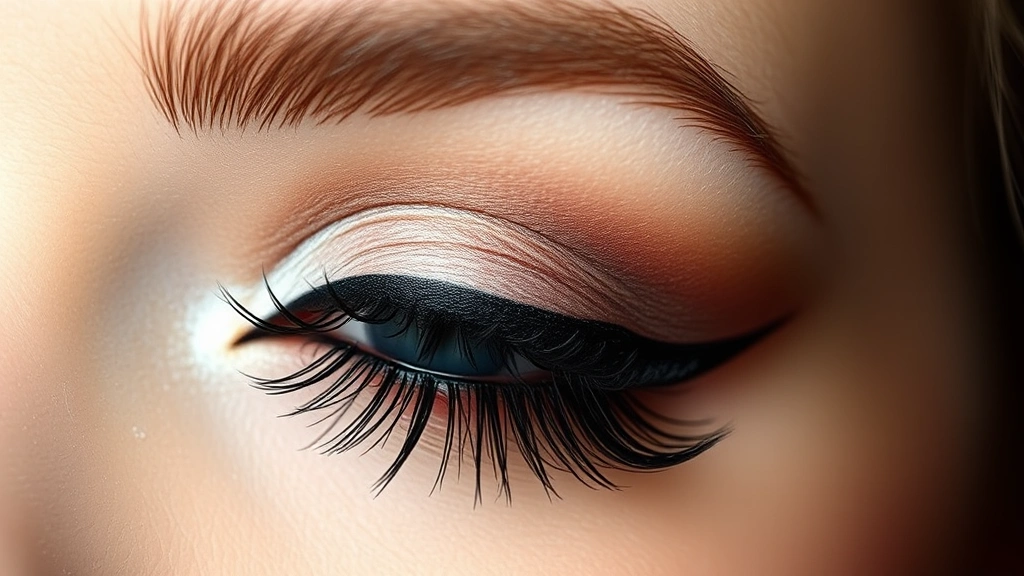
The double eyelid technique was another crucial innovation. Makeup artists would apply dark shadow on the lid, then add a contrasting light color (often white, cream, or silver) on the inner corner and sometimes across the center of the lid. This created a dimensional, almost three-dimensional effect that made eyes appear enormous. The technique required precision and blending skills that modern makeup artists still practice today.
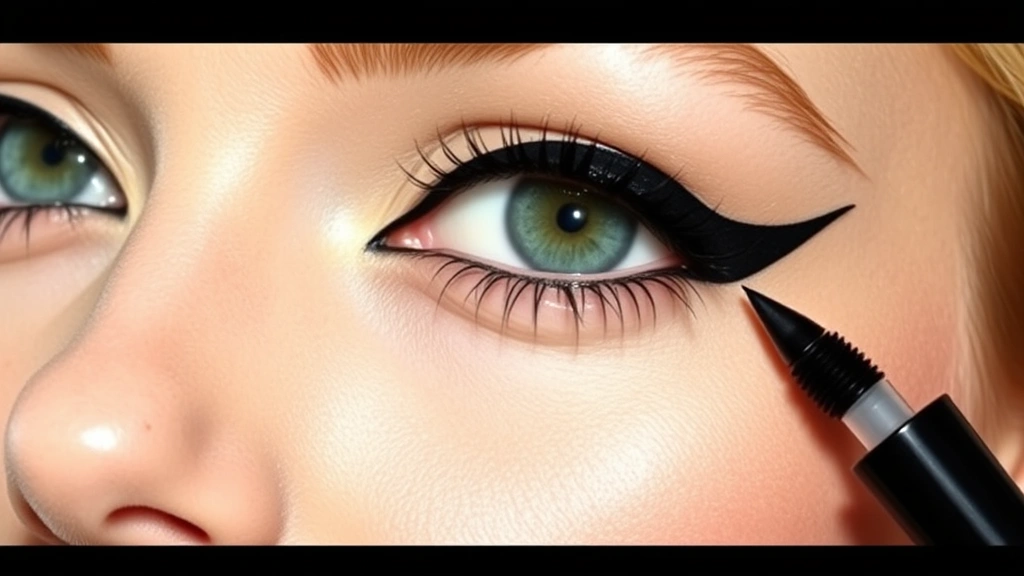
Graphic eyeliner was perhaps the most iconic element of 1960s eye makeup. These weren’t subtle winged lines; they were bold, geometric shapes that extended beyond the natural eye shape. The famous “cat eye” was refined during this period, but artists also experimented with thick horizontal lines, dramatic wings that extended far beyond the outer corner, and even graphic designs that covered the entire lid area. Creating these looks required steady hands, precise tools, and products with excellent staying power.
Another key technique was shadow contouring, which involved using darker shades to create definition and depth. Browns, blacks, and deep purples were applied to the crease and outer corner to add drama and dimension. This technique, which originated in the 1960s, became the foundation for modern eyeshadow application methods that makeup artists teach in professional settings today.
Creating the Iconic Twiggy Look
No discussion of 1960s eye makeup is complete without addressing the Twiggy phenomenon. The British model became an international icon not just for her revolutionary androgynous look, but specifically for her groundbreaking eye makeup. Twiggy’s signature look featured dramatically extended lower lashes, often achieved through false lashes or extremely careful application of multiple coats of mascara and individual lashes.
The Twiggy eye makeup look included several distinctive elements working in harmony. First, the upper lash line featured a thick black eyeliner that created a bold frame. Second, and most notably, the lower lash area was heavily emphasized—sometimes with black eyeliner on the waterline, sometimes with false lashes applied to the lower lash line, creating an almost doll-like effect. Third, eyeshadow was kept relatively minimal on the lid itself, allowing the lashes to be the star of the show. Finally, the entire look was finished with multiple coats of black mascara to create maximum drama and volume.
What made Twiggy’s look revolutionary was that it challenged conventional beauty standards. By emphasizing the lower lashes more than the upper lashes, she created a youthful, almost childlike appearance that contradicted the sultry, sophisticated eye makeup of previous eras. This approach became so popular that it influenced makeup trends globally and established lower lash definition as an essential component of modern eye makeup techniques. Many contemporary makeup artists still reference Twiggy’s technique when creating vintage-inspired or theatrical looks.
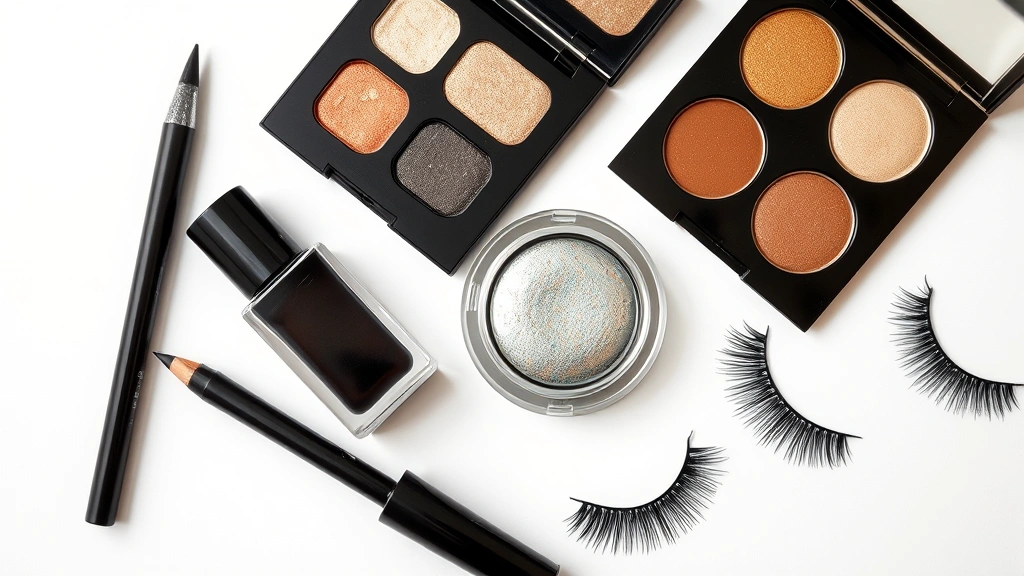
Recreating the Twiggy look requires several key products: a waterproof black eyeliner for precision, volumizing mascara, and optionally, false lashes designed specifically for the lower lash line. The technique demands patience and a steady hand, but the results are instantly recognizable and timelessly chic. Modern makeup enthusiasts often experiment with this look for special occasions, photo shoots, or simply to channel the spirit of 1960s rebellion and innovation.
Color Palettes and Eyeshadow Innovation
While black eyeliner dominated 1960s eye makeup, the color palettes used in eyeshadow were surprisingly diverse and experimental. Metallic eyeshadows became incredibly popular during this period, with silvers, golds, and bronzes adding a futuristic quality to looks. These shimmery shadows were often applied wet to intensify their color and shine, creating an almost liquid effect that caught light dramatically.
Jewel tones also became fashionable during the 1960s. Deep teals, emerald greens, rich purples, and sapphire blues appeared in collections from major cosmetic brands. These bold colors were often applied heavily to the entire lid, sometimes extending into the brow bone area. The application was less about blending and subtle transitions—more about making a bold color statement. This approach was revolutionary compared to the more conservative neutral palettes of the 1950s.
Brown eyeshadows, particularly in warm bronze and copper tones, became staples for creating depth and definition. These browns were often used in the crease to create shadow and add dimension to the eye area. The technique of using a darker shade in the crease to add definition became so established during the 1960s that it remains a fundamental principle of eyeshadow application today.
White and cream eyeshadows served multiple purposes in 1960s makeup. They were used as highlighters on the inner corner to brighten and open the eyes, applied to the lid to create contrast with darker colors, and sometimes used as a base or primer to help other colors adhere better and appear more vibrant. The versatility of these light shades made them essential products for any 1960s makeup enthusiast.
The innovation in eyeshadow formulas during this era also contributed to the bold looks we see in photographs. Cream eyeshadows became increasingly popular, offering rich pigmentation and easy blending. These products allowed makeup artists to create smooth transitions between colors and achieve the dimensional effects that define 1960s eye makeup. Many modern makeup brands have returned to cream shadow formulas, recognizing their superior blendability and color payoff compared to some powder formulas.
Eyeliner Styles of the 1960s
Eyeliner was perhaps the single most important product in 1960s eye makeup, and the styles created during this decade remain iconic and widely replicated. The classic black liquid eyeliner was the foundation of most looks, applied with precision to create clean, graphic lines. Liquid eyeliner offered the control and precision that cream or pencil liners couldn’t match, making it the preferred choice for the geometric designs that defined the era.
The winged eyeliner, often called a “cat eye,” became synonymous with 1960s beauty. However, the wings created during this period were often much more dramatic than modern interpretations. Rather than a subtle flick at the outer corner, 1960s wings often extended far beyond the eye’s natural shape, sometimes reaching toward the temples. These wings were bold, confident, and unapologetically dramatic.
Some makeup artists experimented with graphic geometric designs that went beyond the traditional winged eyeliner. Thick horizontal lines, angular shapes, and even designs that extended across the entire lid area were popular, particularly among fashion models and in editorial photography. These looks pushed the boundaries of what makeup could be, treating the eye area as a canvas for artistic expression rather than simply a feature to enhance.
The upper and lower eyeliner technique was essential to 1960s makeup. Both the upper and lower lash lines were defined with eyeliner, often in black but sometimes in complementary colors. This created a “frame” around the entire eye, making it appear larger and more dramatic. The lower lash line was sometimes emphasized even more heavily than the upper line, particularly in the Twiggy-inspired looks that dominated the latter part of the decade.
White and colored eyeliners also appeared during the 1960s, though black remained the most popular choice. White eyeliner applied to the inner corner or waterline created the illusion of larger, brighter eyes. Occasionally, colored eyeliners in navy, purple, or green were used for more experimental looks, particularly in fashion photography and on the runway. These alternatives to black eyeliner allowed makeup artists to add unexpected color while maintaining the bold graphic style the era demanded.
Tools and Products: Then vs. Now
The products and tools available to makeup artists in the 1960s were dramatically different from what we have access to today, yet many of the techniques pioneered during that era are still relevant. Black liquid eyeliner was the primary eyeliner product, and it worked similarly to modern liquid liners, though formulations have improved significantly. Modern liquid eyeliners offer better staying power, more precise applicators, and easier removal without damaging lashes.
Eyeshadow during the 1960s was primarily available in cream formulas, as powder eyeshadow technology hadn’t fully developed. These cream shadows offered rich pigmentation and were easy to blend, but they had limitations in terms of longevity and variety. Today’s makeup artists benefit from both cream and powder formulas, allowing them to choose based on their specific needs and preferences.
Mascara technology has evolved tremendously since the 1960s. The mascaras available then were significantly different from modern formulas. Early mascaras required water activation and came in cake form that needed to be brushed with a wet brush. Despite these limitations, makeup artists created incredibly dramatic lashes, often relying on multiple coats and false lashes to achieve the iconic 1960s look.
False eyelashes were essential tools in 1960s makeup, particularly for creating the Twiggy effect. These lashes were often thicker and more dramatic than modern lashes, designed to make a bold statement rather than appear natural. The application process was more challenging without modern lash adhesives, but skilled makeup artists created seamless applications that looked part of the natural lash line.
Modern makeup artists recreating 1960s looks benefit from superior product formulations, better applicators, and more shade variety. However, the fundamental techniques remain the same: precision eyeliner application, strategic eyeshadow placement, and emphasis on creating dramatic, dimensional eyes. Understanding how makeup artists worked with limited products in the 1960s can actually improve modern technique by encouraging precision and intentionality in product application.
Adapting Vintage Techniques for Modern Makeup
While 1960s eye makeup is iconic and beautiful, modern makeup artists often adapt these techniques to suit contemporary preferences and product availability. The key to successfully modernizing vintage looks is understanding the principles behind them while adjusting execution to current standards and tools. Blending is one area where modern makeup differs significantly from 1960s application. While 1960s looks sometimes featured bold, unblended color transitions, contemporary makeup often emphasizes smoother blending while maintaining the graphic quality that defines the era.
Modern makeup artists can achieve 1960s-inspired looks by starting with eyeshadow primer, a product that didn’t exist in the 1960s but dramatically improves longevity and color payoff. Primer helps eyeshadow stay in place throughout the day and intensifies color, making it easier to achieve the bold, saturated looks that define the era. Applying a light neutral shade across the entire lid as a base creates a smooth surface for applying darker colors and helps with blending.
For the eyeliner application, modern makeup artists benefit from improved liquid eyeliner formulas with better applicator tips. Creating the graphic eyeliner looks of the 1960s is actually easier with contemporary products than it was during the actual decade. The key is practice and confidence—the same qualities that made 1960s makeup artists successful.
Using eyeshadow in both cream and powder formulas allows modern artists to combine the best of both worlds. A cream shadow can provide the rich color and easy blending of 1960s-era cream products, while powder shadows offer precision and variety. Layering these products creates dimensional, long-lasting eyes that capture the essence of 1960s makeup while benefiting from modern formulation technology.
Modern false lashes offer incredible variety compared to the limited options available in the 1960s. Contemporary makeup artists can choose lashes that range from natural-looking to extremely dramatic, allowing them to adapt the Twiggy look to their preferences. Applying false lashes to both the upper and lower lash lines, or just the lower lashes for a more subtle interpretation, creates the signature eye-enlarging effect that defined the era.
The color palette approach can also be modernized. While 1960s makeup often featured bold, single-color application, contemporary artists might blend multiple shades to create dimension while maintaining the bold color statement. For example, applying a vibrant teal eyeshadow and blending a darker teal or navy into the crease creates depth while preserving the jewel-tone aesthetic of the era.
Incorporating 1960s techniques into everyday makeup is absolutely possible and increasingly popular. A modern everyday look might feature a subtle winged eyeliner with just a hint of the dramatic extension characteristic of the era, paired with neutral eyeshadow and black mascara. For special occasions or creative looks, makeup artists can fully embrace the bold graphic eyeliner, colorful eyeshadow, and dramatic lashes that define 1960s aesthetic.
Understanding the cultural context of 1960s makeup helps modern artists appreciate why these techniques work so well. The emphasis on eyes reflected a cultural moment that celebrated youth, rebellion, and artistic expression. By understanding this context, contemporary makeup artists can apply these techniques authentically, creating looks that feel both respectful to the original era and relevant to modern beauty standards.
Professional makeup artists often study 1960s techniques to expand their skill set and offer clients historically accurate looks for themed events, photo shoots, or costume design. The technical skills required to execute perfect graphic eyeliner, precise eyeshadow placement, and seamless false lash application are valuable regardless of the era being recreated. Mastering 1960s makeup techniques actually improves overall makeup artistry by developing precision, steadiness, and understanding of color theory.
FAQ
What eyeshadow colors were most popular in the 1960s?
Metallic shades including silver, gold, and bronze were extremely popular, along with jewel tones like emerald green, sapphire blue, and deep purple. Neutral browns were used for creating definition and depth, while white and cream eyeshadows served as highlighters and bases. Bold, saturated colors were preferred over subtle, neutral tones.
How do I recreate the Twiggy eye makeup look?
Start with a black eyeliner on the upper lash line, then emphasize the lower lash line heavily with black eyeliner or false lashes. Apply black mascara to both upper and lower lashes in multiple coats. Keep eyeshadow minimal—the focus should be on the lashes. For maximum impact, apply false lashes to the lower lash line to create that iconic doll-like effect.
What type of eyeliner did makeup artists use in the 1960s?
Black liquid eyeliner was the primary choice for creating the precise, graphic lines that defined the era. This product allowed for clean, controlled application and created the bold, dramatic looks that became synonymous with 1960s beauty. Cream and pencil eyeliners were also available but were less popular for creating graphic designs.
Can I wear 1960s eye makeup in everyday life?
Absolutely! While the most dramatic 1960s looks are perfect for special occasions, you can adapt these techniques for everyday wear. A subtle winged eyeliner with a touch of eyeshadow and black mascara captures the essence of the era without being overly dramatic. The key is adjusting the intensity to suit your comfort level and lifestyle.
What modern products work best for creating 1960s-inspired eye makeup?
A waterproof black liquid eyeliner with a precise tip is essential for graphic designs. Volumizing mascara in black creates dramatic lashes. Eyeshadow primer helps colors stay in place. A mix of cream and powder eyeshadows allows for both rich color and precision application. False lashes, particularly those designed for the lower lash line, help achieve the iconic eye-enlarging effect.
Were false lashes essential for 1960s makeup?
While not absolutely essential, false lashes were extremely popular and helped achieve the dramatic eye looks that defined the era. Many iconic 1960s looks featured false lashes on the upper and lower lash lines. However, skilled application of mascara alone, particularly with multiple coats, could create dramatic results without false lashes.
How did eyeshadow application differ in the 1960s compared to today?
1960s eyeshadow was often applied more boldly and with less blending than contemporary standards. Color was applied liberally to create impact, and transitions between shades were sometimes less subtle. Modern makeup tends to emphasize smoother blending, though 1960s-inspired looks can maintain their bold character while incorporating contemporary blending techniques.

Related Posts
Perfect Old Fashioned Donut: Baker’s Secrets
Old Fashioned Chocolate Pie Recipe? Chef’s Favorite