1960s Makeup Trends: Timeless Beauty Tips
The 1960s revolutionized beauty standards in ways that still influence makeup artistry today. This iconic decade brought bold experimentation, youthful energy, and a complete departure from the conservative beauty norms of previous generations. From the mod London look to the glamorous Hollywood aesthetic, 1960s makeup trends offered something for every woman willing to embrace change.
Whether you’re interested in recreating vintage looks for a themed event, studying makeup history, or simply seeking timeless beauty inspiration, understanding 1960s makeup techniques will elevate your cosmetic application skills. The decade’s emphasis on precision, color theory, and individual expression created a foundation for modern makeup artistry that remains relevant decades later.
The Evolution of 1960s Makeup Aesthetics
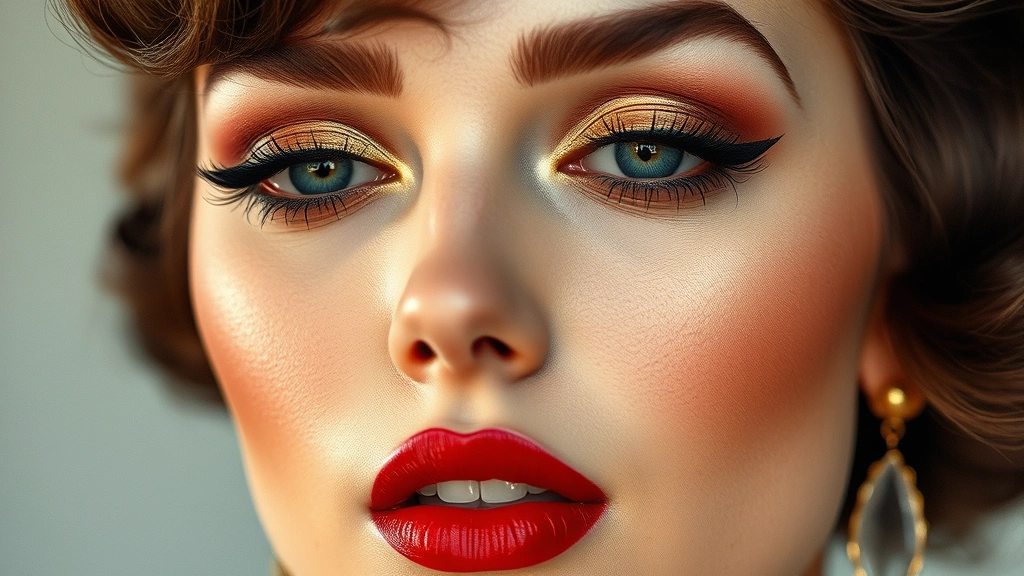
The 1960s marked a transformative period in beauty culture, largely driven by youth movements and cultural shifts. Early in the decade, makeup remained relatively conservative, but as the years progressed, boldness became the ultimate beauty statement. The mod movement emerging from London introduced geometric shapes, dramatic eyes, and a fresh-faced approach that contrasted sharply with the heavily contoured looks of the 1950s.
This era saw makeup transition from being purely about enhancing natural features to becoming an art form of self-expression. Young women used cosmetics as a tool for rebellion, independence, and identity formation. The influence of fashion icons like Twiggy, Audrey Hepburn, and Brigitte Bardot created multiple aesthetic directions within the decade, allowing women to choose which 1960s makeup style resonated most with their personal vision.
Understanding contemporary beauty standards requires acknowledging how the 1960s shaped modern cosmetic preferences. The decade’s experimentation with color, texture, and application methods established principles still taught in makeup schools worldwide. Professional makeup artists frequently reference 1960s techniques when creating vintage-inspired looks or teaching foundational eyeshadow blending methods.
Iconic Eye Makeup Techniques
Eyes became the focal point of 1960s makeup artistry, with eyeshadow application reaching unprecedented levels of creativity. The decade introduced the concept of using multiple eyeshadow shades to create dimension and depth, a technique that revolutionized how makeup artists approached eye makeup. Neutral bases combined with dramatic crease definition became standard practice, allowing eyes to appear larger and more expressive.
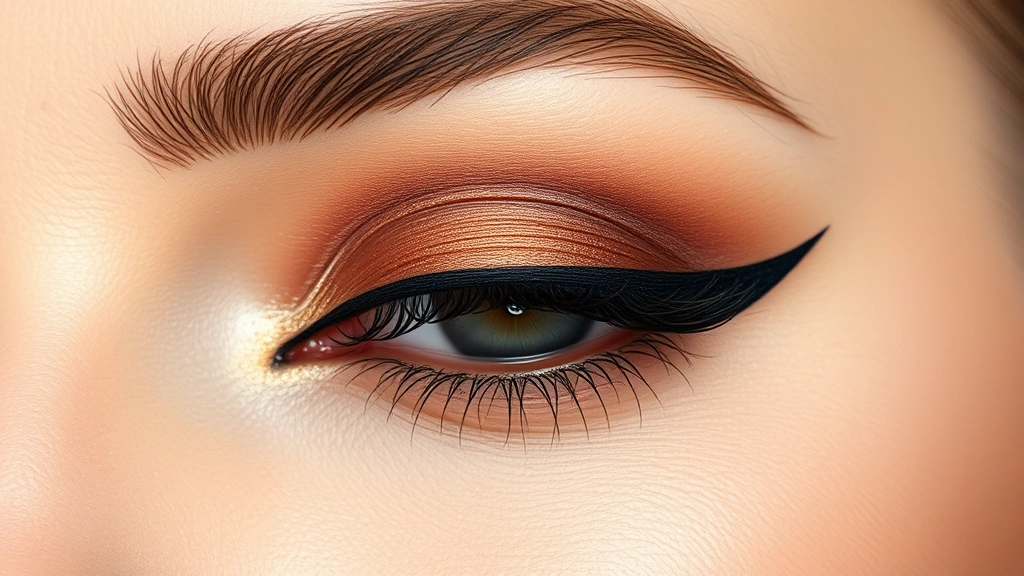
The color palette for 1960s eyeshadow included earthy tones like bronze, gold, and copper, alongside jewel tones such as emerald, sapphire, and amethyst. Shimmer and metallic finishes were embraced enthusiastically, with frosted eyeshadows becoming a signature element of the era. Makeup application focused on creating clean lines and precise color placement, reflecting the geometric design influences prevalent in 1960s fashion and cultural expression.
White or nude eyeshadow on the inner corner became a technique used to brighten and enlarge the eye area. This highlighting method preceded modern makeup highlighting practices by decades, demonstrating how 1960s artists understood light reflection and facial anatomy. Layering complementary shades created depth without appearing heavy, a skill that required understanding color theory and blending techniques.
Applying eyeshadow in the 1960s demanded precision and patience. Artists used small brushes to define crease areas and create sharp color transitions. Unlike today’s emphasis on blended gradients, 1960s technique often celebrated distinct color blocks, creating bold, graphic eye looks that photographed beautifully and commanded attention in person.
Perfecting the Winged Eyeliner
No element defines 1960s makeup more distinctly than the winged eyeliner, an iconic graphic line that extended beyond the natural eye shape. This technique required steady hands, quality products, and understanding of facial proportions. The winged eyeliner wasn’t merely decorative; it served to lift and elongate the eye area, creating an illusion of larger, more youthful eyes.
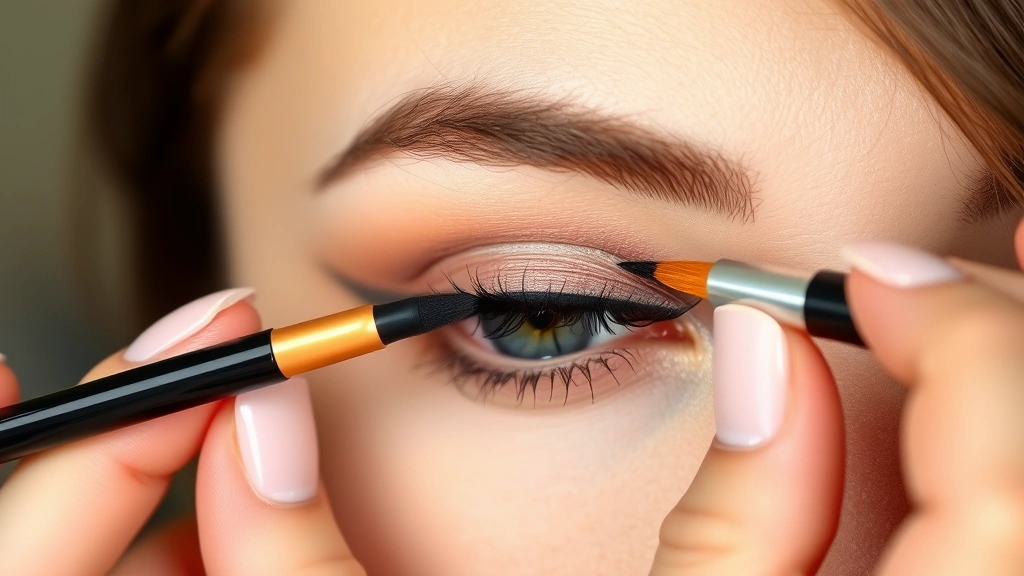
Creating the perfect winged eyeliner involves several key steps that makeup artists still teach today. Begin with a steady hand and high-quality liquid or gel eyeliner that provides precise application. The line should start thin at the inner corner, gradually thickening as it moves across the lid, then extend upward and outward at the outer corner. The wing’s angle and length varied based on face shape and personal preference, but most 1960s looks featured wings that extended slightly above the natural brow bone.
The technique for creating wings involved mapping the line’s trajectory before full application. Many makeup artists would lightly sketch the wing’s angle using eyeshadow or a lighter eyeliner shade first. This allowed for adjustments before committing to the final dramatic line. The wing’s tip should appear sharp and defined, emphasizing the graphic quality that made this look so distinctive and recognizable.
Eyeliner color in the 1960s wasn’t limited to black. While black remained the most popular choice, brown, navy, and even colored eyeliners appeared in fashion-forward looks. The key was choosing a shade that created sufficient contrast with the eye color and skin tone while complementing the overall makeup color scheme. Waterproof formulations were less available, making product selection crucial for maintaining the look throughout the day.
Lip Color Trends and Application
Lipstick application in the 1960s represented a study in precision and color coordination. While the early part of the decade favored pale, nude lip colors that emphasized the eyes, the mid-to-late 1960s introduced bolder lip shades including bright reds, oranges, and even unconventional purples. The mod movement popularized paler lip colors that created a stark contrast with heavily lined and shadowed eyes.
The application technique for 1960s lips required a lip liner to define and shape the mouth precisely. Lip liners created clean edges and prevented color feathering, essential for maintaining the polished appearance 1960s makeup demanded. Overdrawn lips were sometimes used to create fuller-looking mouths, a technique that predated modern lip plumping trends by decades.
Matte and satin finishes dominated 1960s lip products, with glossy formulations reserved for specific looks or occasions. The matte finish provided a sophisticated appearance and stayed in place longer, important for busy women navigating the decade’s social and professional demands. Lipstick shades coordinated with eyeshadow colors, creating cohesive color stories that demonstrated understanding of color harmony and makeup artistry.
Pale pink, coral, and nude-red shades complemented the natural lip tone while making teeth appear whiter and brighter. These neutral options paired beautifully with dramatic eye makeup, allowing eyes to remain the dominant feature. For evening looks or special occasions, deeper reds and wine tones created sophisticated, glamorous effects that photograph beautifully in black-and-white photography, which was still predominant during much of the decade.
Foundation and Base Preparation
The foundation of any successful 1960s makeup look began with proper base preparation. Unlike modern full-coverage foundations, 1960s makeup often featured lighter coverage that allowed natural skin texture to show through slightly. The focus was on evening skin tone and creating a smooth canvas for eyeshadow and eyeliner application rather than completely obscuring the skin.
Foundation shades in the 1960s were typically limited compared to today’s extensive color ranges. Women often selected foundations based on skin undertone rather than exact matching, resulting in looks that sometimes appeared slightly different from modern standards. Powder application followed foundation, with loose powder setting the base and creating the matte finish characteristic of 1960s makeup.
Primer products didn’t exist in the 1960s, so makeup artists relied on proper skincare and moisturization to create a suitable foundation base. A light moisturizer allowed foundation to glide smoothly across the skin and blend seamlessly. Some makeup artists applied foundation with sponges, while others used brushes or fingertips, each method creating slightly different finishes and coverage levels.
Concealer, when used, was applied sparingly to target specific areas like under-eye circles or blemishes. The goal was creating an even base without appearing cakey or heavily made-up. This balanced approach to base makeup allowed the focus to remain on eyes and lips, where 1960s makeup artistry truly excelled and commanded attention.
Cheek and Contouring Methods
Blush application in the 1960s followed specific placement patterns that enhanced facial structure and created youthful, healthy-looking cheeks. The most popular placement involved applying blush to the apples of the cheeks, creating a rounded appearance that emphasized youth and vitality. This technique differed from modern contouring practices that often emphasize cheekbone structure and facial definition.
Blush colors ranged from soft pinks and peaches to deeper roses and berries, depending on skin tone and overall makeup color scheme. The application typically used a fluffy brush to diffuse color gradually, avoiding harsh lines or obvious placement. Blending was essential, creating a natural flush that appeared as though it came from within rather than applied on top of the skin.
Contouring as a distinct makeup technique wasn’t emphasized in the 1960s the way modern makeup artistry prioritizes it. However, subtle shading was sometimes applied to create facial dimension. Bronzer wasn’t a standard product, but some makeup artists used darker foundation shades or eyeshadow to add subtle definition to the hollows of the cheeks or sides of the nose.
The overall effect of 1960s cheek makeup was creating a fresh, youthful appearance that complemented rather than competed with bold eye and lip colors. The focus remained on enhancing natural features rather than dramatically reshaping facial structure. This approach created makeup looks that aged gracefully and remained flattering across different face shapes and ages.
Eyebrow Styling for the Era
Eyebrows in the 1960s underwent significant changes as beauty standards shifted. Early in the decade, eyebrows remained relatively full and natural, but as the mod movement gained influence, thinner, more arched brows became fashionable. The arch was often quite pronounced, creating a surprised or lifted expression that complemented the dramatic eye makeup of the era.
Eyebrow shaping involved plucking to create the desired arch and thinness, a technique that sometimes resulted in over-plucked brows that looked harsh by modern standards. The goal was creating a clean line with minimal hair, emphasizing the arch and allowing eye makeup to take center stage. Eyebrow pencils were used to define and fill in brows, creating precise shapes that complemented eye makeup colors.
The color of eyebrow products typically matched natural brow color or was slightly darker to create definition. Unlike modern trends that sometimes feature bold, contrasting eyebrow colors, 1960s eyebrows remained relatively neutral and complementary to overall coloring. The emphasis was on shape and arch rather than color variation or gradient effects.
Proper eyebrow maintenance required regular plucking and grooming, making professional eyebrow services increasingly popular during the 1960s. Makeup artists understood that eyebrow placement affected the entire face’s perceived proportions, making precise shaping crucial for successful makeup application. Eyebrows framed eyes and influenced how dramatic eye makeup appeared, making their styling an integral part of the overall look.
Recreating the Look Today
Modern makeup enthusiasts and professionals frequently recreate 1960s looks for themed events, editorial shoots, and personal enjoyment. Creating an authentic 1960s makeup requires understanding the era’s aesthetic principles while using contemporary products that offer improved formulations and easier application. The key is balancing historical accuracy with modern makeup techniques and comfort.
To recreate 1960s makeup, start with a well-prepared base using modern primer and foundation products that provide better longevity than 1960s formulations. Choose eyeshadow shades that reflect the era’s color palette—think metallics, earth tones, and jewel shades. Invest in quality eyeliner products that allow precise application, as the winged eyeliner is non-negotiable for an authentic 1960s look.
Brush selection significantly impacts the final result. Use small, precise brushes for eyeliner application and crease definition, and fluffy brushes for blending and blush application. Modern makeup brush technology makes achieving 1960s precision easier than it was during the actual decade, allowing contemporary makeup artists to create cleaner lines and more defined looks.
Practice the winged eyeliner technique extensively before attempting a full 1960s look. This single element defines the entire aesthetic, and mastering it ensures your recreation appears authentic and polished. Consider watching tutorials from beauty publications specializing in vintage makeup to understand modern interpretations of classic techniques.
Lighting and photography play important roles in how 1960s makeup appears. The era’s makeup was designed for photography and stage lighting, which means it often appears more dramatic in person than in natural daylight. Understanding this context helps when recreating looks, as you may need to adjust intensity based on your intended environment and lighting conditions.
Modern makeup artists benefit from understanding comprehensive beauty history and technique evolution when attempting vintage recreations. This knowledge allows for informed decisions about which aspects of 1960s makeup to embrace and which to adapt for contemporary comfort and wearability. The goal is honoring the era’s aesthetic while creating looks that feel authentic to your personal style.
Color Theory and Coordination
Understanding color theory was essential for 1960s makeup artists, though the formal study of makeup color coordination wasn’t as developed as it is today. Makeup colors were chosen based on intuition, fashion trends, and observation of what looked flattering on different skin tones. Complementary colors were often paired intuitively, creating harmonious makeup looks that pleased the eye.
Cool-toned eyeshadows paired beautifully with cool-toned lipsticks, while warm eyeshadows complemented warm lip colors. This basic color coordination principle created cohesive looks that appeared intentional and professional. Metallic eyeshadows in silver and gold worked with virtually any lip color, making them versatile choices for everyday and special occasion makeup.
Skin undertone influenced which colors appeared most flattering, though this concept wasn’t explicitly discussed in 1960s beauty literature the way it is in modern makeup education. Makeup artists developed intuitive understanding of which shades flattered different complexions through experience and observation. This knowledge forms the foundation of modern color-matching practices in makeup artistry.
Experimentation with unexpected color combinations created fashion-forward looks that defined the era’s most innovative makeup artistry. Pairing orange eyeshadow with purple lips or blue eyeshadow with coral lipstick created bold statements that required confidence and understanding of color relationships. These experimental looks influenced fashion and beauty magazines, inspiring women to take creative risks with their own makeup.
Professional Makeup Application Tools
The tools available to makeup artists in the 1960s were considerably more limited than modern options, yet skilled professionals created stunning looks with minimal equipment. Natural hair brushes dominated, as synthetic options weren’t widely available until later decades. Sponges, typically made from latex or natural materials, provided foundation application and blending.
Eyeliner application in the 1960s relied primarily on liquid products and brushes, as gel eyeliners and mechanical pencils weren’t standard options. This meant achieving the era’s signature winged eyeliner required significant skill and practice. Modern makeup artists attempting 1960s looks benefit from using contemporary eyeliner products while maintaining the original technique and aesthetic.
Makeup sponges in the 1960s were larger and less precise than modern beauty sponges, affecting how foundation was applied and blended. Professional makeup artists often used their fingertips for final blending, relying on body heat and tactile feedback to create seamless coverage. This hands-on approach developed exceptional blending skills and intimate understanding of product behavior.
Eyeshadow application traditionally used fingers or small brushes, with many makeup artists preferring fingertips for precise placement and blending. This technique allowed for better control and understanding of product texture. Modern makeup artists sometimes return to this method when recreating 1960s looks, as it creates the specific blending patterns and finish characteristic of the era.
Seasonal and Occasion-Based Variations
1960s makeup wasn’t one-size-fits-all; variations emerged based on season, occasion, and personal preference. Summer looks often featured lighter, more neutral eyeshadow shades with emphasis on bronzing and warm blush tones. Winter looks incorporated deeper, richer eyeshadow colors and more dramatic eye makeup suitable for evening events and holiday celebrations.
Daytime makeup in the 1960s remained relatively subtle compared to evening looks, though the winged eyeliner remained a staple even for everyday wear. Office-appropriate makeup emphasized professional appearance while still incorporating some of the era’s characteristic elements. Women working in fashion, media, and entertainment pushed boundaries more aggressively than those in conservative industries.
Evening and special occasion makeup allowed for maximum drama and experimentation. Bolder eyeshadow colors, thicker eyeliner application, and more pronounced winged eyeliner characterized special event makeup. False eyelashes became increasingly popular for evening looks, adding drama and dimension to eyes. Coordinating makeup with outfit color and style was essential for creating cohesive, polished appearances.
Bridal makeup in the 1960s maintained the era’s signature elements while ensuring the bride appeared radiant and photograph-ready. Winged eyeliner, bold eyeshadow, and coordinated lip color created timeless bridal looks that remain beautiful in wedding photographs from the era. Modern brides occasionally choose 1960s-inspired makeup for vintage-themed weddings, proving the enduring appeal of these classic techniques.
Product Formulations and Innovation
Makeup formulations in the 1960s differed significantly from modern products, affecting application, longevity, and finish. Eyeshadow often featured heavy pigmentation and shimmery finishes that could appear chalky or patchy without proper application technique. Frosted eyeshadows, extremely popular during the era, contained mica and other reflective ingredients that created the signature sparkly finish.
Foundation in the 1960s offered limited shade ranges and often featured heavier formulations than contemporary foundations. Coverage varied significantly between products, and matching undertones exactly was nearly impossible given the limited options. Many women simply selected the closest available shade, accepting slight mismatches that would be considered unacceptable by modern makeup standards.
Eyeliner products included liquid formulations with brush applicators, pencils, and cake eyeliner that required wetting before application. Liquid eyeliner was preferred for creating the precise winged lines characteristic of the era, though it required considerable skill to apply evenly. The lack of modern gel eyeliner formulations meant achieving perfect wings required exceptional hand-eye coordination and practice.
Lipstick formulations in the 1960s tended toward drier finishes compared to modern moisturizing lipsticks. This meant reapplication was frequently necessary, and lip balm use was essential for preventing dryness. The matte finish was preferred for its longevity and sophisticated appearance, even though it required more frequent touch-ups than glossy alternatives.
Understanding how historical product limitations influenced 1960s makeup aesthetics helps modern makeup artists appreciate the skill required to create polished looks with inferior formulations. Contemporary makeup artists attempting vintage recreations benefit from using modern products that offer superior performance while maintaining authentic 1960s aesthetics and techniques.

Related Posts
Perfect Old Fashioned Donut: Baker’s Secrets
Old Fashioned Chocolate Pie Recipe? Chef’s Favorite