1950s Makeup Styles? Influencer Insights
1950s Makeup Styles: Influencer Insights & How to Master Vintage Beauty
The 1950s remain one of the most iconic decades for beauty and fashion, representing an era of elegance, femininity, and carefully crafted glamour. From the perfectly winged eyeliner to the signature red lip, 1950s makeup styles continue to influence modern beauty trends and inspire makeup artists worldwide. Whether you’re drawn to vintage aesthetics or simply curious about how this golden age of Hollywood shaped contemporary makeup, understanding 1950s beauty techniques offers valuable insights into timeless makeup application.
Today’s beauty influencers frequently reference 1950s makeup as the gold standard for classic femininity. The decade’s makeup philosophy emphasized symmetry, precision, and enhancement of natural features—principles that remain relevant in current beauty culture. This comprehensive guide explores authentic 1950s makeup styles, breaks down the techniques used by beauty influencers recreating these looks, and provides step-by-step tutorials to help you master this timeless aesthetic.
The Iconic 1950s Beauty Philosophy
The 1950s represented a cultural shift toward idealized femininity after World War II. Beauty standards of this era emphasized a polished, put-together appearance that required dedication and skill. Unlike modern makeup trends that often celebrate minimalism or bold experimentation, 1950s makeup followed strict aesthetic rules that created a uniform look of sophistication.
Understanding the philosophy behind 1950s makeup is essential for authentic recreation. The era valued symmetry above all else—every element was carefully balanced and precisely applied. Women spent considerable time perfecting their makeup routines, viewing beauty application as both an art form and a daily responsibility. This approach to makeup contrasts sharply with contemporary beauty culture, where sustainable fashion brands now emphasize individuality and self-expression over conformity.
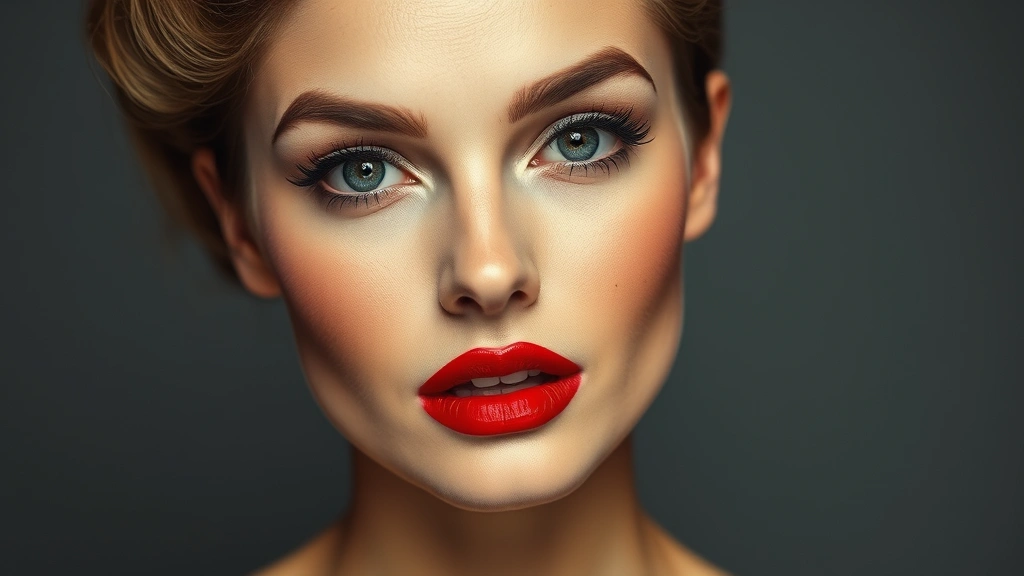
The makeup aesthetic of the 1950s was heavily influenced by Hollywood glamour. Film stars like Audrey Hepburn, Marilyn Monroe, and Grace Kelly set beauty standards that women attempted to replicate through makeup techniques. Professional makeup artists developed specific formulas and application methods to achieve these looks on camera, which eventually became accessible to everyday consumers through beauty publications and cosmetic innovations.
Key Makeup Elements of the Era
1950s makeup consisted of several essential components that worked together to create the decade’s signature aesthetic. Each element served a specific purpose and required particular products and techniques to execute properly.
Foundation and Base: The 1950s demanded an immaculate complexion, achieved through heavy foundation application. Unlike today’s trends toward natural skin texture, 1950s makeup emphasized complete coverage and a matte finish. Pancake makeup and thick foundations were standard, creating a smooth, porcelain-like appearance.
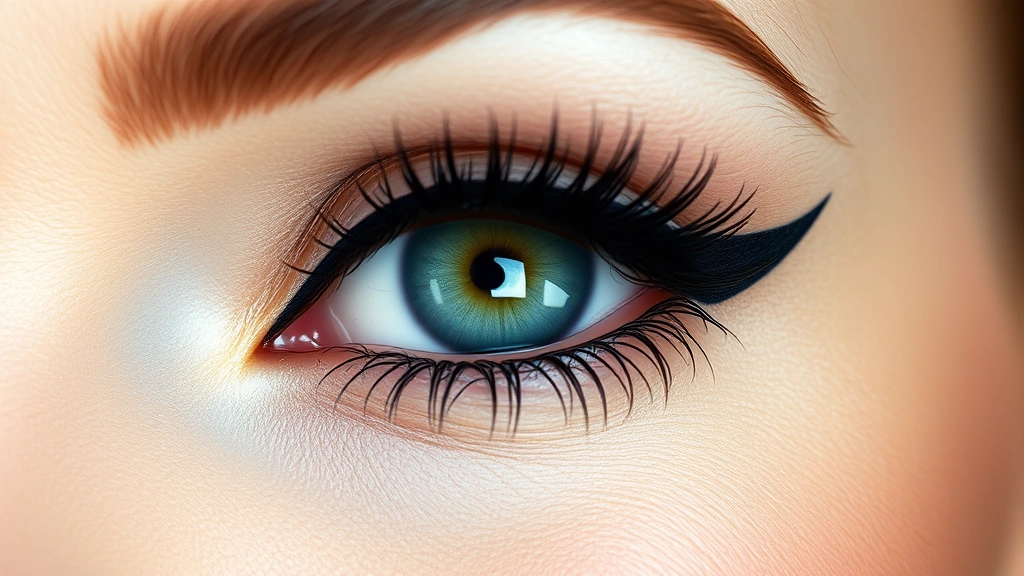
Eye Makeup: Dramatic eyes were central to 1950s beauty. Heavy black eyeliner, winged at the outer corners, combined with generous mascara application created the iconic cat-eye effect. Eyeshadow, when used, typically featured neutral shades that enhanced the eye shape without competing with the eyeliner.
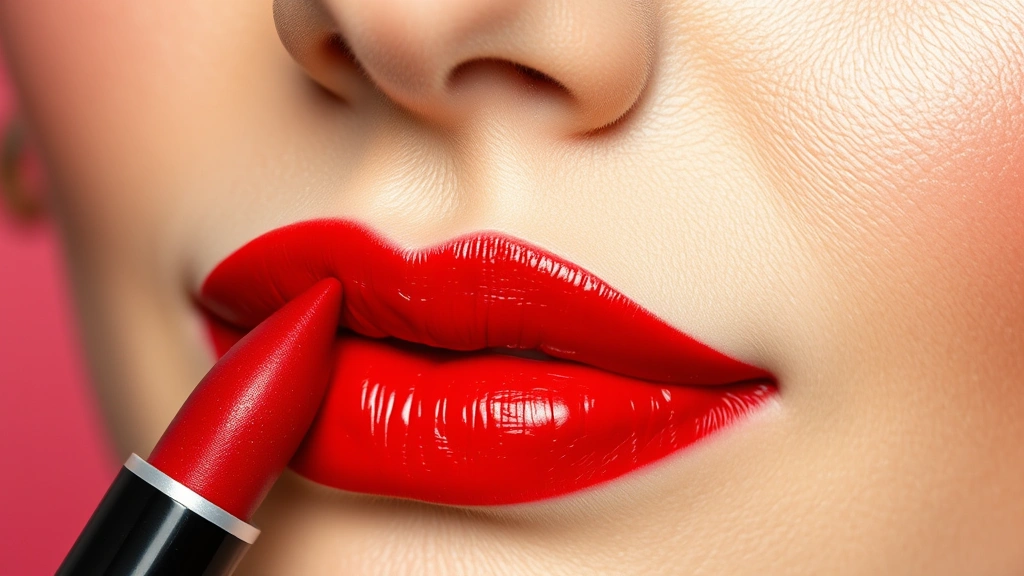
Lips: Bold red lips were non-negotiable in 1950s makeup. The specific shade varied slightly depending on skin tone, but the intensity and precision of application remained consistent. Lip liner was essential for creating sharp, defined edges.
Cheeks and Brows: Cheek color was applied in a specific placement—slightly higher than natural cheekbones and blended carefully. Eyebrows were shaped dramatically, often plucked into thin, arched lines that framed the eye makeup.
For those interested in how vintage aesthetics intersect with modern consciousness, learning about how to reduce carbon footprint in beauty consumption provides context for sustainable vintage recreation.
Achieving the Perfect 1950s Base
The foundation of any successful 1950s makeup look is flawless skin preparation. Begin with thorough cleansing and moisturizing—even though 1950s makeup emphasized heavy coverage, proper skincare underneath ensures the makeup applies smoothly and lasts throughout the day.
Step-by-Step Base Application:
- Primer: Apply a pore-minimizing primer across the entire face. While not available during the 1950s, modern primers help achieve the smooth canvas that era makeup required.
- Foundation: Use a full-coverage foundation in a shade matching your skin tone exactly. Apply with a damp beauty sponge, building coverage gradually. The goal is complete, even coverage without visible texture.
- Concealer: Apply concealer under the eyes and on any blemishes, blending seamlessly into the foundation.
- Powder: Set the entire face with translucent powder, using a fluffy brush to ensure an even, matte finish. This step is crucial for achieving the characteristic 1950s complexion.
- Contour (Optional): Subtle contouring can enhance cheekbones, though 1950s makeup typically relied on less dramatic contouring than modern techniques.
The key to an authentic 1950s base is patience and precision. Blend thoroughly at each step, ensuring no visible lines or patches. The result should appear as a second skin—flawless, smooth, and luminous without shine.
Mastering the Winged Eyeliner
The winged eyeliner, or cat-eye, is perhaps the most recognizable element of 1950s makeup. This technique requires steady hands, quality products, and practice to perfect. Understanding the anatomy of the winged eyeliner helps with successful application.
Winged Eyeliner Breakdown:
The winged eyeliner consists of three parts: the base line along the upper lash line, the wing extension at the outer corner, and the precise point where the wing ends. The angle of the wing typically follows the natural bone structure from the outer eye toward the temple.
Application Technique:
- Prepare the Eye Area: Apply eyeshadow primer to the eyelid to prevent creasing and ensure the eyeliner adheres properly.
- Create the Base Line: Using a liquid or gel eyeliner, draw a thin line along the upper lash line from the inner corner to the outer corner. Keep the line as close to the lashes as possible.
- Determine Wing Angle: Imagine a line extending from the outer corner of your eye toward your temple. This determines your wing’s direction.
- Draw the Wing: Starting at the outer corner where your base line ends, draw the wing upward and outward, following the imaginary angle line. Make the wing sharp and defined.
- Connect and Thicken: Go back and thicken the base line if needed, creating a smooth transition from the base to the wing.
- Perfect the Point: The wing’s endpoint should be sharp and precise. Use a thin brush or eyeliner pen for maximum control.
Product recommendations matter significantly for winged eyeliner success. Liquid eyeliners with fine brushes or felt-tip pens provide the precision necessary for sharp wings. Gel eyeliners offer excellent staying power, while pencil liners are more forgiving for beginners.
Pro Tips from Beauty Influencers: Many makeup artists recommend practicing the wing on paper first, understanding the angle and pressure needed before applying to the eye. Some influencers suggest using tape on the outer corner as a guide—place a small piece of tape at your desired wing angle, apply eyeliner up to the tape, then remove it for a perfectly straight line.
The Signature Red Lip
The 1950s red lip is more than just a color choice; it’s a statement of confidence and sophistication. Achieving the perfect vintage red lip requires understanding undertones, lip preparation, and precise application techniques.
Selecting the Right Red: Not all reds suit every skin tone. For cool undertones, blue-based reds like true red or burgundy-red work best. For warm undertones, orange-based reds or coral-reds are more flattering. The 1950s featured various red shades, though blue-toned reds dominated the era’s aesthetic.
Lip Preparation and Application:
- Exfoliate and Moisturize: Gently exfoliate lips to remove dead skin, then apply lip balm and let it set for a few minutes.
- Prime the Lips: Apply a lip primer or concealer to create an even base and improve longevity.
- Outline with Lip Liner: Use a lip liner matching your chosen red shade. Start at the center of the upper lip and work outward toward the corners, following your natural lip line. Then outline the lower lip similarly. Create sharp, defined edges.
- Fill in the Lips: Fill the entire lip area with lip liner for added staying power.
- Apply Lipstick: Using a lip brush for precision, apply lipstick from the center outward. Press lips together to blend the color evenly.
- Blot and Reapply: Blot with a tissue, then apply a second coat for maximum color payoff and longevity.
The importance of lip liner cannot be overstated in achieving authentic 1950s lips. The sharp, defined edge created by lip liner is essential to the era’s aesthetic. Many modern makeup artists recommend keeping a lip brush in your makeup bag for touch-ups throughout the day.
For those exploring vintage fashion more broadly, understanding beauty blog resources helps contextualize makeup within overall 1950s women’s fashion aesthetic choices.
Cheeks, Brows, and Finishing Touches
While eyes and lips dominated 1950s makeup attention, cheeks and brows played crucial supporting roles in completing the look. These elements required precision and careful color selection to maintain the era’s aesthetic harmony.
Cheek Application: 1950s cheek color was applied in a specific location—slightly above the natural cheekbone, creating a lifted, youthful appearance. The placement was higher than modern contouring techniques suggest, positioned almost at temple height. Cream or powder blush worked equally well, though the finish was always matte, never shimmery.
Apply blush using a fluffy brush, starting with less product than you think you need. Build the color gradually, blending carefully to avoid harsh lines. The goal is a natural-looking flush that appears to come from within, despite the heavy makeup surrounding it.
Eyebrow Shaping: 1950s eyebrows were dramatically arched and thin by modern standards. The brow began at the inner corner of the eye, rose sharply to create a high arch, then tapered to a thin point at the tail. This shape required significant plucking and was often maintained through regular salon visits.
Modern eyebrow products make recreating this shape easier than during the 1950s. Use a brow pencil or powder to define the shape, following your natural brow bone as a guide. The arch should be prominent but not unnatural-looking.
Final Touches: Complete the 1950s makeup look with generous mascara application. Black mascara, applied to both upper and lower lashes, intensified the eye makeup. A light dusting of translucent powder on the T-zone helped control shine throughout the day.
Setting spray was not available in the 1950s, but modern makeup artists frequently use it to ensure their vintage-inspired looks last through events and photography sessions. A light mist of setting spray helps all elements stay in place without disturbing the carefully applied makeup.
Influencer Tips for Modern Recreation
Contemporary beauty influencers have developed innovative approaches to recreating 1950s makeup while incorporating modern products and techniques. Their insights provide valuable guidance for anyone attempting this vintage aesthetic.
Product Recommendations: Many influencers recommend using modern, long-wearing formulas for 1950s makeup recreation. Liquid eyeliners with precision applicators make winged eyeliner more accessible than traditional pencil or gel formulas. Long-wear lipsticks in classic red shades provide the color intensity and staying power necessary for authentic looks.
Blending Modern and Vintage: Successful influencers often blend 1950s makeup techniques with modern beauty standards. They might use current contouring methods to enhance the base while maintaining authentic eye and lip application. This hybrid approach allows for personal interpretation while respecting the era’s aesthetic principles.
Skin Tone Variations: Beauty influencers of diverse backgrounds have expanded understanding of how 1950s makeup translates across different skin tones. While historical 1950s makeup often reflected limited beauty standards, modern recreation celebrates diverse interpretations. Red lipstick shades vary by skin tone, and eyebrow shapes can be adapted while maintaining the dramatic arch characteristic of the era.
Video Tutorials and Practice: Many influencers emphasize that mastering 1950s makeup requires practice. They recommend watching video tutorials multiple times, practicing individual elements separately, then combining them into complete looks. Patience with the learning process prevents frustration and allows for gradual skill development.
Accessory Coordination: Beauty influencers note that 1950s makeup looks best when coordinated with appropriate styling. Hair styling, clothing choices, and accessories should complement the makeup aesthetic. Understanding how human environment interaction shapes fashion choices helps contextualize why 1950s makeup paired with specific silhouettes and accessories.
For those interested in sustainable approaches to beauty, exploring sustainable fashion brands offers options for vintage-inspired styling that aligns with modern values.
Common Mistakes to Avoid: Influencers frequently address typical errors in 1950s makeup recreation. Over-applying foundation creates a cakey appearance rather than the smooth, natural-looking finish desired. Drawing wings too thick or at incorrect angles disrupts the overall balance. Using lipstick shades that don’t complement skin tone undermines the entire look. Neglecting to blend properly between makeup elements creates visible lines that break the cohesive aesthetic.
FAQ
What products should I use for authentic 1950s makeup?
While modern products are superior to those available in the 1950s, you can achieve authentic looks using contemporary cosmetics. Focus on full-coverage foundation, liquid or gel eyeliner for precise wings, classic red lipstick, and matte blush. Brands like MAC, Urban Decay, and Revlon offer products that work well for vintage-inspired looks.
Can I wear 1950s makeup with modern clothing?
Absolutely. While 1950s makeup pairs beautifully with vintage fashion, it also works with contemporary styles. The key is confidence and intentionality—wear vintage makeup as a deliberate style choice rather than costume. Pairing 1950s makeup with modern clothing creates an interesting, fashion-forward aesthetic.
How long does it take to master 1950s makeup?
The timeline varies by individual and specific elements. Mastering winged eyeliner typically requires 2-4 weeks of consistent practice. Achieving a complete 1950s look usually takes 30-45 minutes initially, reducing to 15-20 minutes with practice. Patience and regular practice accelerate skill development.
What’s the best way to remove 1950s makeup?
The heavy makeup of 1950s-inspired looks requires thorough removal. Use a makeup remover or cleansing oil to dissolve makeup, then follow with a gentle cleanser. Pay special attention to removing all eyeliner and lipstick residue. Follow with moisturizer to counteract any drying effects from the heavy makeup.
Are there variations of 1950s makeup for different face shapes?
Yes. While the core elements remain consistent, adjustments can be made for different face shapes. Those with round faces might emphasize the wing’s angle more dramatically to create definition. Oval faces suit the classic approach. Square faces benefit from softly blended blush placement. Consult with makeup artists experienced in vintage styles for personalized recommendations.
Can men wear 1950s-inspired makeup?
Makeup is for everyone. While 1950s makeup was marketed exclusively to women, anyone interested in the aesthetic can recreate these looks. Modern beauty culture increasingly celebrates makeup as a form of self-expression regardless of gender.
What external resources help with 1950s makeup learning?
Several authoritative sources provide excellent guidance. Professional beauty organizations offer makeup technique resources. Dermatological resources provide skin care guidance for heavy makeup application. Hollywood history archives document authentic 1950s makeup styles. Makeup history societies preserve detailed information about cosmetic application techniques. Professional beauty schools offer comprehensive tutorials on vintage makeup recreation.

Related Posts
Perfect Old Fashioned Donut: Baker’s Secrets
Old Fashioned Chocolate Pie Recipe? Chef’s Favorite