Master 1950s Men’s Fashion? Expert Tips Inside
Master 1950s Men’s Fashion: Expert Tips Inside
The 1950s remains one of the most iconic decades for men’s fashion, a golden era when style meant sharp tailoring, polished grooming, and deliberate attention to detail. From the greaser aesthetic to the clean-cut preppy look, this decade offered something for every man willing to invest in his appearance. Whether you’re drawn to the rebellious edge of James Dean or the sophisticated charm of Cary Grant, understanding the fundamentals of 1950s men’s fashion opens doors to timeless style that still resonates today.
What made 1950s fashion so distinctive wasn’t just the clothing itself—it was the attitude behind it. Men took pride in their appearance, understanding that clothes communicated character, status, and values. The decade emerged from post-war austerity with optimism and prosperity, reflected in fuller cuts, richer fabrics, and bolder color choices than the previous era. This guide will help you navigate the essential elements of authentic 1950s men’s fashion and show you how to incorporate these timeless pieces into your modern wardrobe.
The Foundation: Essential Silhouettes and Cuts
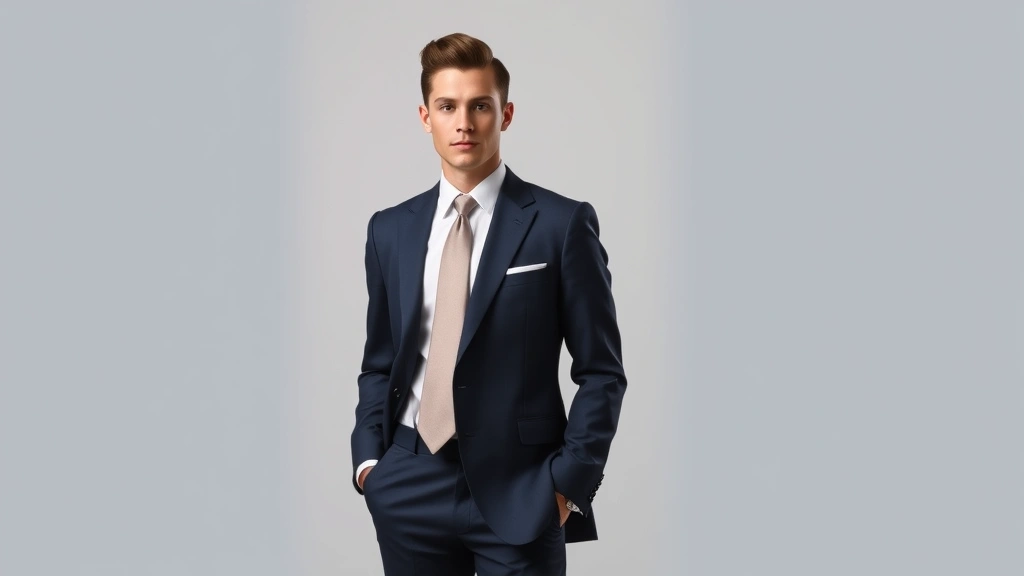
Understanding the silhouette is crucial to mastering 1950s men’s fashion. Unlike the baggy styles of the 1980s or the fitted cuts of the 2010s, the 1950s favored a structured, athletic look that emphasized the shoulders and chest while tapering gradually through the waist and legs. This wasn’t accidental—tailors of the era understood that proper fit created an impression of confidence and respectability.
The typical 1950s suit featured broad shoulders, sometimes with subtle padding to enhance the frame. The jacket length hit right at the knuckles when arms were relaxed, and the lapels were noticeably wider than modern standards, typically ranging from 3 to 3.5 inches. Button stance was higher, creating a longer line from shoulder to hip. These proportions created an elongated silhouette that made even average-height men appear taller and more commanding.
Shoulder construction was paramount during this period. A well-made 1950s suit jacket had structured shoulders that held their shape even when the jacket was removed. This required quality interfacing and skilled tailoring—elements that distinguish vintage pieces from modern reproductions. When shopping for authentic 1950s fashion or modern pieces inspired by the era, pay close attention to how the shoulders sit and maintain their form.
The key to mastering this silhouette today is finding pieces that balance structure with comfort. Modern tailoring has become more relaxed, so you may need to seek out vintage pieces or contemporary brands specializing in sustainable fashion brands that emphasize quality construction reminiscent of mid-century craftsmanship. Understanding fit is your foundation for everything else in 1950s men’s fashion.
Iconic 1950s Shirts and Tops
Shirts were the canvas upon which 1950s men expressed their style. The decade saw incredible variety in shirt designs, from conservative business wear to bold, patterned styles that pushed the boundaries of workplace fashion.
The Dress Shirt
The classic 1950s dress shirt featured a pointed collar that was slightly wider than modern iterations. These shirts typically came in white, light blue, and pale pink, though bolder colors like lavender and mint were not uncommon for more fashion-forward men. The fabric was almost always cotton or a cotton blend, providing structure and a crisp appearance. Collar stays were essential—they kept those points sharp and defined throughout the day.
The fit of dress shirts in the 1950s was fuller through the chest and torso than contemporary slim-fit styles, with a gradual taper toward the waist. This cut accommodated the era’s suit silhouettes perfectly. When selecting dress shirts for a 1950s-inspired look, prioritize proper fit over trendy slim cuts. A shirt that allows comfortable movement while maintaining clean lines will look far more authentic than one that strains across the chest.
Bowling and Camp Shirts
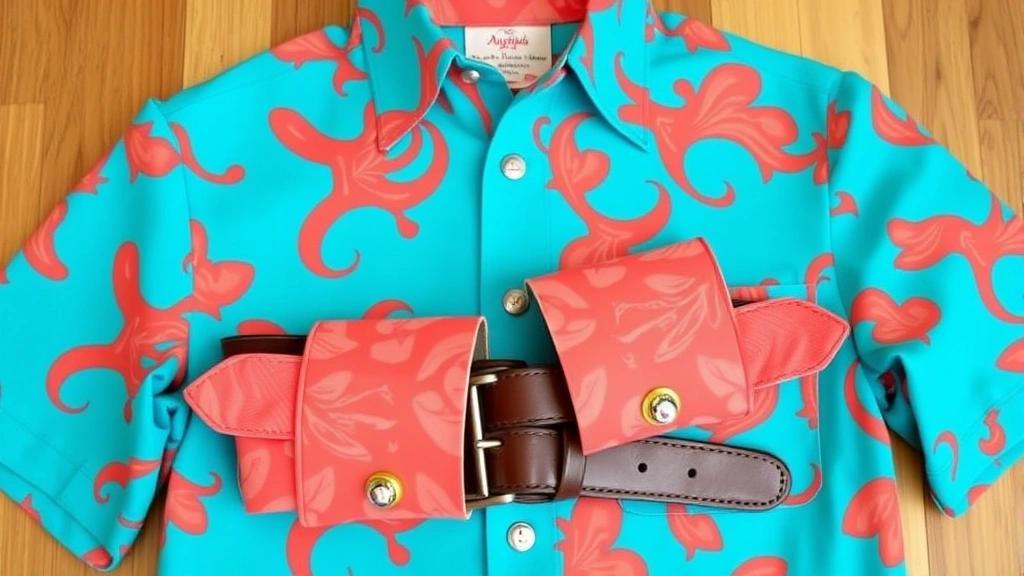
Perhaps the most visually striking shirts of the era, bowling and camp shirts featured bold patterns, contrasting panels, and vivid colors. These short-sleeved styles often displayed geometric designs, atomic patterns, or scenic landscapes. Originally designed for casual wear and recreation, these shirts have become synonymous with 1950s style. The key to wearing them authentically is pairing them with appropriate bottoms—typically casual trousers or jeans—and keeping the overall look balanced by avoiding too many competing patterns.
Casual and Sport Shirts
For everyday wear, men turned to casual sport shirts in cotton or linen. These came in solid colors, stripes, or subtle patterns and were worn both tucked and untucked depending on the setting. The collar was typically a standard point or button-down style, smaller and less dramatic than dress shirt collars. These shirts bridged the gap between formal wear and complete casual dress, making them incredibly versatile for building a modern 1950s-inspired wardrobe.
Trousers and Bottoms That Define the Era
Trousers were perhaps the most important element in 1950s men’s fashion, and their construction directly influenced the overall silhouette. Understanding trouser proportions is essential to capturing the authentic look.
High-Waisted Construction
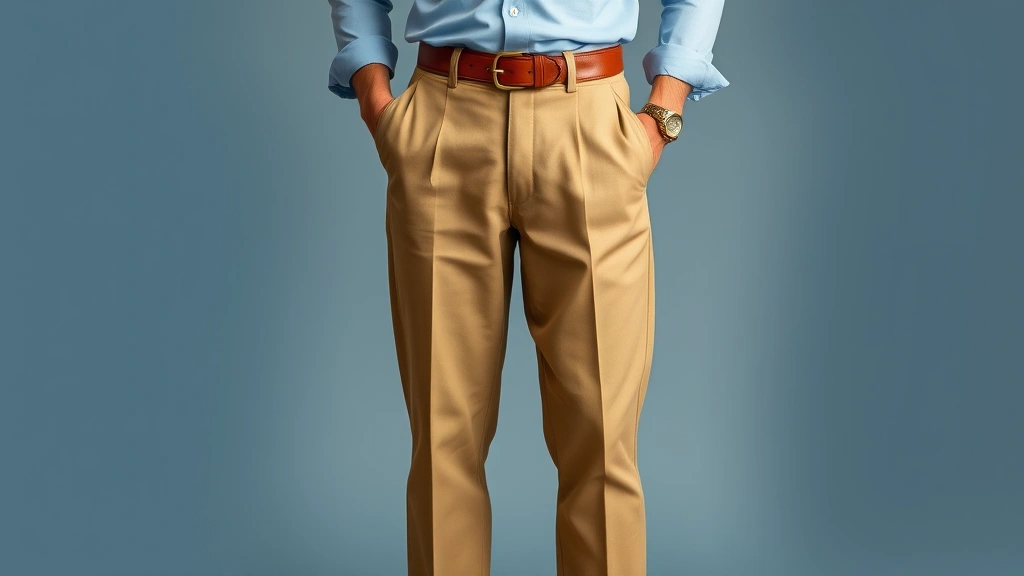
1950s trousers sat significantly higher on the waist than modern pants. The natural waistline—where the pants actually fastened—typically sat at or above the navel, creating a longer leg line and a more formal appearance. This high rise accommodated the era’s suit proportions and created the distinctive silhouette that defined the decade. Modern men accustomed to low-rise jeans often find high-waisted trousers uncomfortable initially, but they create an undeniably elegant line.
Tapered Legs and Cuffs
From the thigh, 1950s trousers tapered gradually toward the ankle, creating a sleek line without being overly tight. The taper was gradual and elegant rather than dramatic. Most trousers featured cuffs—typically one to one and a half inches deep—which added weight to the bottom of the leg and enhanced the formal appearance. Cuffed trousers were standard for dress wear, while cuff-less styles appeared more frequently in casual wear.
Pleats and Flat Fronts
Both pleated and flat-front styles existed during the 1950s, though pleats were more common in formal and business wear. Single-pleated styles, positioned just inside the side seams, allowed for comfortable movement while maintaining a clean front line when standing. Flat-front trousers, while less common in formal contexts, gained popularity for casual wear and would eventually dominate menswear in subsequent decades.
Denim and Casual Bottoms
Jeans became a symbol of youth rebellion in the 1950s, popularized by movies like “Rebel Without a Cause.” Authentic 1950s jeans featured a higher rise, a more generous fit through the thigh, and a straighter leg than contemporary styles. The raw denim had a stiffer hand-feel and developed character through wear. Leather jackets paired with well-fitted jeans represented the ultimate casual rebellion, a look that continues to influence men’s fashion today.
Chinos and khakis also emerged as popular casual options during this era, offering a middle ground between formal trousers and jeans. These lighter-colored, cotton twill bottoms were perfect for weekend wear and leisure activities.
Footwear: From Loafers to Wingtips
Shoes in the 1950s were substantive, well-constructed pieces that grounded the entire outfit. Quality footwear was an investment, and men took pride in polished, well-maintained shoes.
Classic Oxfords and Wingtips
The wingtip oxford, with its distinctive wing-shaped toe cap and perforated detailing, was perhaps the quintessential 1950s dress shoe. These shoes came in brown, black, and two-tone combinations, offering versatility across different occasions. The construction was typically Goodyear welted, meaning the sole was stitched to the upper in a way that allowed for resoling and extended the shoe’s lifespan. A well-maintained pair of wingtips could serve a man for decades.
Loafers and Slip-Ons
Loafers gained significant popularity during the 1950s, offering a more relaxed alternative to laced shoes while maintaining sophistication. Penny loafers, with their distinctive slot across the vamp, became especially popular with younger men and represented a bridge between formal and casual wear. The comfort and ease of slip-on shoes appealed to the practical American spirit of the era.
Suede and Saddle Shoes
Suede shoes in neutral tones provided another casual option, while saddle shoes—featuring a contrasting colored band across the middle of the shoe—represented a more playful, youthful aesthetic. Saddle shoes were particularly popular with teenagers and college-age men, often paired with jeans or casual trousers.
Casual and Athletic Shoes
As the 1950s progressed and youth culture became increasingly influential, canvas sneakers gained ground. White canvas shoes or early leather athletic shoes appeared more frequently in casual settings, though they remained far less ubiquitous than they are today. Most adult men still reserved dedicated athletic shoes for actual sports rather than everyday wear.
Accessories That Complete the Look
Accessories were not afterthoughts in 1950s men’s fashion—they were integral components that demonstrated attention to detail and personal style. Learning to accessorize properly elevates any outfit inspired by this era.
Ties and Neckwear
The 1950s saw a transformation in tie styles and widths. Early in the decade, ties were relatively narrow, but they gradually widened, reaching their peak width of approximately three and a quarter inches by the late 1950s. Patterns ranged from conservative solids and subtle stripes to bold geometric designs and novelty prints featuring everything from rockets to sailboats. Silk was the standard material, providing a luxurious hand-feel and appropriate drape.
Bow ties also remained popular, particularly for formal occasions and among older, more conservative men. The clip-on bow tie, while practical, was generally avoided by style-conscious men who preferred to tie their own.
Belts and Suspenders
Leather belts with substantial buckles were essential for anchoring high-waisted trousers. The buckles were often decorative, featuring geometric designs or subtle embellishments. Suspenders, while less common than in previous decades, remained acceptable and even fashionable for formal wear. The combination of suspenders and a belt was sometimes seen, particularly in more conservative business settings.
Hats and Headwear
Hats were not optional accessories in the 1950s—they were expected elements of a complete outfit. Fedoras in felt or straw, depending on the season, were the standard choice for most men. Homburgs offered a more formal alternative, while driving caps and flat caps appeared in casual contexts. Wearing a hat without being fully dressed was considered incomplete, though this convention began to shift as the decade progressed and younger men increasingly rejected traditional formality.
Watches and Jewelry
Watches were functional jewelry that demonstrated taste and status. Classic styles with clean dials and leather straps were standard, with gold or silver-toned metals preferred. Men typically wore one watch, perhaps a class ring or fraternity ring, and rarely more jewelry than that. Cufflinks were essential for French-cuff dress shirts, offering another opportunity for subtle personal expression through design and material.
Pocket Squares and Handkerchiefs
A silk pocket square folded neatly in the jacket breast pocket added polish and demonstrated attention to detail. These came in solids, patterns, and prints, and were often coordinated with ties or worn in complementary colors. A matching handkerchief was both practical and decorative, visible in the trouser pocket during casual wear.
Grooming and Hair: The Final Polish
1950s men’s fashion extended far beyond clothing—grooming and hair were equally important components of the overall aesthetic. The decade produced several distinct hair styles, each with its own cultural significance.
The Classic Pompadour
The pompadour, popularized by Elvis Presley and other rock and roll icons, featured voluminous hair swept back and up from the face. Achieving this look required pomade—a heavy, oil-based product that provided hold and shine. The pompadour represented youth, rebellion, and modernity, making it particularly popular with younger men and those influenced by emerging rock and roll culture.
The Ivy League Cut
Conservative businessmen and college students favored the Ivy League cut, a clean, short style with slightly longer hair on top that could be combed to the side or back. This style projected professionalism and respectability, making it the default choice for corporate America and traditional institutions. The cut required regular trims to maintain its shape and clean appearance.
Facial Hair and Grooming
While beards and substantial facial hair were rare during the 1950s, a light stubble was sometimes visible on working-class men. Most men maintained clean-shaven faces, a practice that required daily attention with safety razors or electric shavers. Eyebrows were kept neat and natural, while sideburns, when present, were kept trim and followed the natural line of the jaw.
Skincare was beginning to receive more attention during this era. Men used aftershave and cologne, with classic scents like Old Spice becoming iconic. The emphasis on grooming extended to hands and nails—visible dirt or ragged nails was considered unacceptable in polite society.
Building Your 1950s Wardrobe
Now that you understand the key elements of 1950s men’s fashion, how do you actually build a wardrobe inspired by this era? The answer depends on your goals—whether you want occasional pieces for themed events or a comprehensive collection for everyday wear.
Starting with Essentials
Begin with foundational pieces: a well-fitting suit in navy or charcoal gray, a pair of khaki trousers, quality white and light blue dress shirts, and a pair of brown leather oxfords. These basics form the foundation upon which you can build. Add a leather belt, a few ties in conservative patterns, and you have multiple outfit combinations that capture the essence of 1950s professionalism.
Next, add casual pieces: a pair of well-fitting jeans, a few casual sport shirts in solid colors or subtle patterns, and a pair of loafers. These pieces allow you to explore the more relaxed side of 1950s fashion while maintaining authenticity.
Expanding Your Collection
Once you have the basics, explore more distinctive pieces: bowling shirts, a leather jacket, additional suit jackets in different colors, and varied trouser styles. Consider your personal aesthetic—are you drawn to the rebellious greaser look or the clean-cut preppy style? Your answer should guide your purchasing decisions and help you develop a cohesive personal style within the 1950s framework.
Research specific substyles within the era that appeal to you. Understanding fashion blog discussions and historical resources helps you make informed choices about which directions to explore. Vintage shopping is often more affordable than buying new pieces inspired by the era, and authentic vintage garments offer unmatched quality and character.
Quality Over Quantity
1950s men invested in fewer, higher-quality pieces rather than accumulating vast quantities of clothing. This approach aligns with modern sustainability principles and conscious consumption. A single well-made suit worn regularly with proper care will serve you better than three poorly constructed alternatives. When shopping for 1950s-inspired pieces, prioritize construction quality, fabric content, and fit over quantity.
Pay attention to fabric composition. Natural fibers like wool, cotton, and silk were standard in the 1950s and remain superior choices for durability and aesthetics. Modern synthetic blends often provide easier care, but pure natural fibers typically age better and develop more character.
Mixing Vintage and Modern
You don’t need to wear exclusively vintage clothing to capture 1950s style. Contemporary brands now produce pieces inspired by this era, offering modern construction and sizing alongside classic aesthetics. The key is consistency—mixing one or two 1950s-inspired pieces with contemporary clothing can work, but the effect is strongest when multiple elements reference the era cohesively.
Consider how your 1950s wardrobe fits within your overall lifestyle. If you work in a creative field, more adventurous bowling shirts and bold patterns might be appropriate. In corporate environments, stick closer to classic suits and conservative styling. The beauty of 1950s fashion is its flexibility—there’s a substyle for nearly every context.
Caring for Your Pieces
Proper maintenance extends the life of your wardrobe and maintains the polished appearance essential to 1950s style. Suits should be hung on wooden hangers and aired out regularly rather than dry-cleaned after every wear. Shirts should be pressed or steamed to maintain crisp lines. Shoes deserve regular polishing and conditioning. This attention to maintenance was central to 1950s culture and remains essential today.
FAQ
What’s the best way to find authentic 1950s clothing?
Vintage clothing stores, estate sales, and online platforms specializing in vintage fashion are excellent sources for authentic pieces. Look for quality construction, natural fabrics, and proper sizing. Be prepared to have pieces tailored to fit modern body types, as sizing standards have changed. Inspect garments carefully for wear, stains, or damage before purchasing.
Can I wear 1950s fashion to modern workplaces?
Absolutely. Classic 1950s business wear—well-fitted suits, dress shirts, and leather shoes—remains appropriate in most professional settings. Conservative ties and pocket squares add subtle period touches without appearing costume-like. The key is selecting pieces that align with your workplace culture while incorporating 1950s silhouettes and construction.
How do I achieve the 1950s pompadour hairstyle?
Start with hair at least three to four inches long on top with shorter sides. Visit a barber familiar with classic cuts and request an Ivy League or pompadour cut. Use pomade or hair gel after shampooing while hair is still damp, combing hair back and up from the face. The style requires daily styling and regular trims to maintain its shape.
Are there sustainable options for building a 1950s wardrobe?
Yes. Vintage and secondhand shopping is inherently sustainable, extending the life of existing garments. Some contemporary brands produce 1950s-inspired clothing using sustainable practices and natural materials. Seeking out quality pieces that will last decades rather than buying disposable fashion aligns with both 1950s values and modern sustainability principles. Explore how to reduce carbon footprint through conscious fashion choices.
What’s the difference between different 1950s substyles?
The decade encompassed multiple aesthetic movements. The greaser look featured leather jackets, jeans, and slicked-back hair. The preppy style emphasized clean-cut appearances, button-down shirts, and conservative tailoring. The rockabilly aesthetic blended country and rock influences. The businessman look represented corporate conservatism. Understanding these substyles helps you develop a personal approach to 1950s fashion that feels authentic to your interests.
How should I style a 1950s suit for modern occasions?
Pair a classic 1950s suit with contemporary accessories and grooming for a timeless look that feels current. Avoid mixing too many era-specific pieces—one or two vintage elements work better than head-to-toe costume styling. A vintage suit with modern shoes and contemporary hairstyling reads as “vintage-inspired” rather than costume wear.

Related Posts

Perfect Old Fashioned Donut: Baker’s Secrets
Old Fashioned Chocolate Pie Recipe? Chef’s Favorite